Content Menu
● What Is Activated Carbon
● Typical Price Range of Activated Carbon
● Key Factors That Influence Activated Carbon Cost
● Regional Price Differences for Activated Carbon
● Cost of Activated Carbon for Water Treatment
● Cost of Activated Carbon in Air and Gas Purification
● Activated Carbon Costs in Food, Beverage, Chemical, and Pharma
● Industrial vs Retail Pricing of Activated Carbon
● How Project Design Affects Activated Carbon Cost
● Strategies to Reduce Your Activated Carbon Cost
● Conclusion
● FAQ About Activated Carbon Cost
>> 1) How much does activated carbon cost per ton?
>> 2) Why is coconut‑shell activated carbon sometimes more expensive?
>> 3) Is powdered activated carbon cheaper than granular activated carbon?
>> 4) How do regulations affect activated carbon cost?
>> 5) How can an industrial user lower the cost of activated carbon?
● Citations:
Activated carbon cost varies widely depending on type, quality, and region, from roughly 1,500–2,700 USD per metric ton in major markets to around 0.50–3.50 USD per kilogram for commercial and specialty grades. For industrial projects in water, air, food, chemical, and pharmaceutical applications, the total cost of activated carbon also includes system design, replacement frequency, logistics, and disposal, not only the unit price per ton.
What Is Activated Carbon
Activated carbon is a highly porous carbon material processed to have an enormous internal surface area, which makes activated carbon extremely effective for adsorption of contaminants from water, air, and process fluids. Because of this unique porous structure, activated carbon can capture organic molecules, odors, colors, and various micro‑pollutants at very low concentrations.
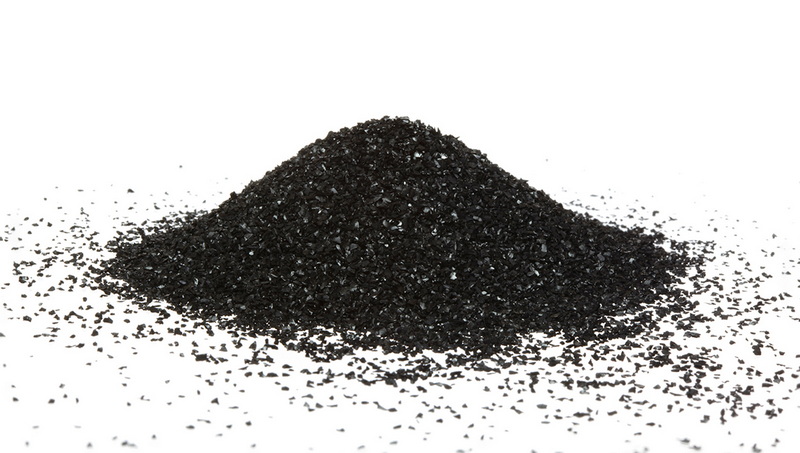
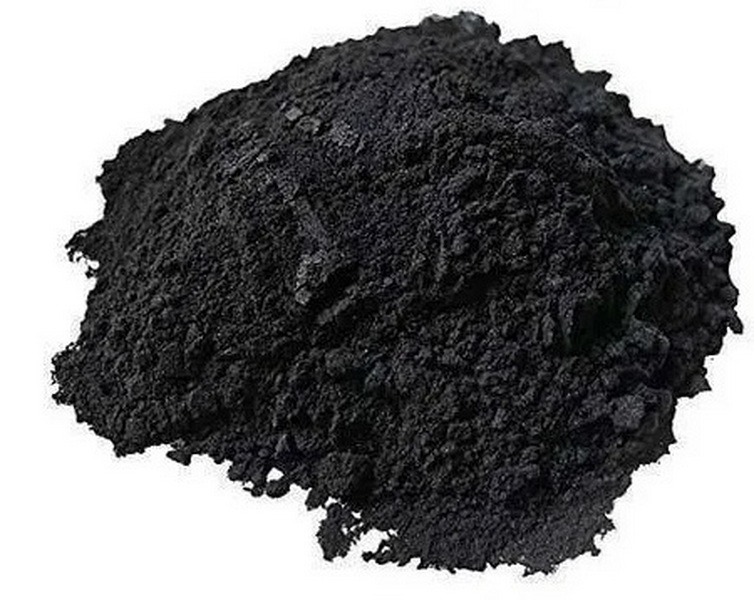
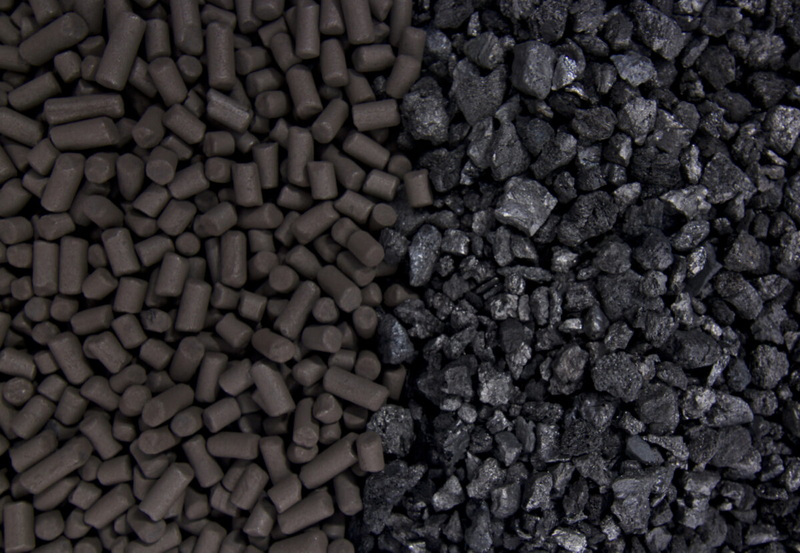
Depending on feedstock and production method, activated carbon is supplied as powdered activated carbon (PAC), granular activated carbon (GAC), pellets, or extruded forms for different industrial applications. Common feedstocks include coal, coconut shell, wood, and other carbonaceous materials, and these raw materials strongly influence the performance and cost of activated carbon. In global markets, activated carbon is widely used in water treatment, air and gas purification, food and beverage decolorization, chemical processing, and pharmaceutical purification.
Typical Price Range of Activated Carbon
The price of activated carbon has shown an overall upward trend in recent years due to higher raw material and energy costs, as well as growing demand from environmental applications. Bulk industrial prices in major production and consumption regions are often quoted in a band around 1,500–2,700 USD per metric ton, depending on grade, specification, and contract terms. In some cases, especially for premium products, prices can move above this range.
Retail and small‑lot prices for activated carbon on commercial platforms are usually much higher on a per‑kilogram basis than bulk tonnage prices. For small bags and laboratory or food‑grade products, the cost of activated carbon can easily reach several dollars per kilogram. Online B2B listings from large supplier platforms also demonstrate a wide spread, with some coal‑based activated carbon sold at the lower end of the range and high‑grade coconut‑shell‑based activated carbon, or specialty impregnated grades, offered at the higher end.
It is important to remember that all price examples for activated carbon are indicative ranges and can change quickly with feedstock costs, transport conditions, exchange rates, regulatory changes, and local market demand. Industrial buyers should always treat any reference price for activated carbon as a benchmark rather than a fixed quote.
Key Factors That Influence Activated Carbon Cost
Several major factors drive the cost of activated carbon in global industrial applications. Understanding these drivers helps buyers plan budgets and design more economical systems.
- Raw material type
Coal‑based activated carbon often has a different cost structure compared with coconut‑shell‑based or wood‑based activated carbon, mainly because of feedstock availability and price trends in each region. For example, when coconut shell or charcoal becomes tight in supply, the cost of coconut‑shell activated carbon can increase significantly. Wood‑based activated carbon, often used in decolorization, follows its own cost pattern linked to wood and chemical processing costs.
- Product form and specification
Powdered activated carbon (PAC), granular activated carbon (GAC), and pelletized or extruded activated carbon each have different production steps and application methods. As a result, their prices differ even when they share similar raw materials. Higher density, specific particle size ranges, low ash content, and high hardness all add value and cost to activated carbon.
- Iodine number and surface area
The iodine number is a commonly used indicator of adsorption capacity for activated carbon. Higher iodine number and higher specific surface area generally mean better performance, but they also require more controlled activation conditions and higher production cost. As a result, high‑activity activated carbon with a high iodine number usually commands a premium price compared with standard grades.
- Regulatory standards and certifications
Activated carbon manufactured to meet strict standards for drinking‑water treatment, food‑grade processes, and pharmaceutical purification must follow tighter quality control, testing, and documentation procedures. Compliance with regulations and international certifications adds extra cost to the production of activated carbon, which is reflected in the final price to the user.
- Regional demand and supply
Strong demand for activated carbon in water treatment, PFAS removal, industrial emissions control, and other environmental projects can tighten supply and support higher prices in particular regions. New regulations, government subsidies, or sudden changes in environmental policy often have a noticeable impact on average activated carbon prices.
- Energy, labor, and logistics
Production of activated carbon is energy‑intensive, involving high‑temperature carbonization and activation steps. Rising fuel, electricity, and labor costs can significantly increase the cost of activated carbon production. In addition, freight rates, exchange rates, port congestion, and inland transportation costs influence the final delivered cost of activated carbon for international buyers.
Regional Price Differences for Activated Carbon
Activated carbon pricing is strongly regional, reflecting differences in feedstock resources, manufacturing capacity, regulatory frameworks, and logistics.
In North America, activated carbon prices tend to be relatively strong because of robust demand from municipal water treatment, industrial wastewater treatment, and air pollution control projects. Environmental regulations around drinking‑water contaminants and air emissions create a stable and growing market for activated carbon, which supports firm pricing.
In Northeast Asia and China, activated carbon prices are influenced by large local production capacity combined with strong domestic consumption. Chinese manufacturers supply both domestic and export markets, and prices can be competitive for international buyers, especially when ordering full containers or establishing long‑term contracts. However, environmental regulations within China, along with changes in coal, coconut shell, and wood supply, can still push prices upward.
In Europe and other developed regions, activated carbon pricing is often slightly higher due to import dependence, higher energy costs, and stricter environmental standards. Buyers in these markets need to consider not only the base price of activated carbon but also shipping times, import duties, and compliance with regional regulations.
Cost of Activated Carbon for Water Treatment
Water treatment is one of the largest application segments for activated carbon worldwide. In this segment, the cost of activated carbon includes the media itself plus the system‑level expenses required to use the media effectively.
For municipal and industrial water plants, the total project budget for granular activated carbon filtration may include carbon vessels, piping, valves, controls, pre‑treatment and post‑treatment units, and civil works. When treating emerging contaminants such as PFAS, some large municipal systems have required significant investments in granular activated carbon systems, sometimes costing several million dollars in capital expenditure. In these projects, activated carbon must be replaced at regular intervals based on breakthrough criteria, which affects long‑term operational costs.
For smaller and medium‑sized industrial users, powdered or granular activated carbon used in batch tanks, mobile filters, or compact fixed‑bed systems usually represents a more modest share of overall water treatment costs. However, when contaminant concentrations are high or when performance standards are very strict, consumption of activated carbon can still become a major operating expense. Choosing the correct type of activated carbon and designing the system properly is essential for controlling long‑term cost.
Cost of Activated Carbon in Air and Gas Purification
Activated carbon also plays a vital role in air and gas purification, including solvent recovery, flue‑gas treatment, odor control, and VOC reduction. In these applications, the cost of activated carbon is closely tied to service life, pressure drop, bed configuration, and regeneration possibilities.
As environmental regulations tighten for industrial emissions, activated carbon beds in air treatment systems must operate reliably over long periods. Specialized granular or pelletized activated carbon with specific pore structures, impregnation, or catalytic properties is often required. These advanced grades are typically more expensive than general water‑treatment grades, but they can provide higher effectiveness and longer life, which may actually reduce overall cost per unit of pollutant removed.
In many projects, the system hardware and engineering can cost more than the activated carbon itself. However, because replacement of activated carbon is a recurring cost, engineers and purchasing managers pay close attention to the frequency of media change‑outs, bed design, and possible on‑site or off‑site regeneration service.
Activated Carbon Costs in Food, Beverage, Chemical, and Pharma
In food and beverage processing, activated carbon is widely used for decolorization and deodorization of sugar solutions, juices, edible oils, and other liquid products. Food‑grade activated carbon must meet strict standards related to contaminants, leachable substances, and processing aids. These additional quality requirements typically increase the price compared with general industrial grades.
In chemical and pharmaceutical industries, activated carbon is used to purify high‑value intermediates and final products. Even small amounts of impurities can affect product stability, color, or safety, so producers often rely on high‑purity powdered activated carbon with carefully controlled properties. Although these types of activated carbon are usually more expensive, the required dosage per batch is often relatively low, and the cost per kilogram of finished product remains acceptable.
For these high‑value sectors, the key question is not only “How much does activated carbon cost?” but also “How much value does activated carbon bring in terms of purity, yield, and product quality?”. When evaluated from this perspective, the cost of activated carbon is usually justified by its performance.
Industrial vs Retail Pricing of Activated Carbon
There is a clear difference between industrial wholesale prices and retail consumer prices of activated carbon, and understanding this difference helps buyers set realistic expectations.
Industrial customers that purchase activated carbon directly from manufacturers or authorized distributors in large volumes often pay prices close to regional benchmarks for bulk shipments. These buyers typically place orders measured in tons, negotiate contract terms, and arrange logistics to optimize freight and storage. For them, even a small discount per kilogram of activated carbon can translate into significant savings over the year.
Retail buyers purchasing small bags, cartridges, aquarium filters, or DIY water‑filter products pay much more on a per‑kilogram basis. In these consumer‑level products, the price of activated carbon includes packaging, labeling, branding, retail margins, and logistics to multiple distribution channels. As a result, the per‑kilogram cost seen on a retail shelf or e‑commerce listing is usually not comparable to factory prices.
For industrial users, working with a reliable activated carbon manufacturer in China or other production centers can close the gap between retail and wholesale pricing, while customizing the product to the specific application.
How Project Design Affects Activated Carbon Cost
The total cost of activated carbon in an industrial project is heavily influenced by system design. A well‑designed system can dramatically reduce lifetime media consumption and overall costs, even when using higher‑priced high‑performance activated carbon.
In continuous water treatment plants, critical design variables include flow rate, empty bed contact time, bed depth, breakthrough criteria, and redundancy of filter trains. These parameters determine the volume of activated carbon required and the frequency of media replacement. Choosing a suitable activated carbon grade and optimizing bed design can extend service life and reduce the annual tonnage needed.
In batch operations or intermittent processes, such as seasonal production in certain industries, powdered activated carbon dosing must be carefully controlled. Over‑dosing activated carbon can cause unnecessary cost and sludge disposal issues, while under‑dosing can compromise product quality. Proper mixing, contact time control, and filtration are essential to achieve efficiency and minimize waste of activated carbon.
Collaboration between process engineers, plant operators, and activated carbon suppliers is essential to design systems that achieve the desired treatment goals at the lowest total cost of ownership.
Strategies to Reduce Your Activated Carbon Cost
Industrial users looking to control activated carbon cost can act on several practical levers:
- Select the most appropriate type of activated carbon (coal‑based, coconut‑shell‑based, wood‑based; PAC vs GAC vs pellets) for each application instead of simply choosing the most expensive or the lowest‑priced option. Matching pore structure and particle size to the contaminant profile often delivers the best balance between cost and performance.
- Work with suppliers to conduct pilot tests or laboratory evaluations. These tests can determine the adsorption capacity of different activated carbon grades for real process streams, helping users avoid over‑specification. The right choice of activated carbon can reduce change‑out frequency and total media consumption.
- Explore long‑term supply agreements with stable manufacturers. By locking in supply and negotiating reasonable pricing, industrial users can reduce exposure to short‑term market volatility, freight spikes, and currency fluctuations. Consistent cooperation with a single activated carbon supplier can also improve technical support and after‑sales service.
- Investigate regeneration possibilities for granular activated carbon. In appropriate cases, spent activated carbon can be thermally or chemically regenerated and reused, reducing the need for virgin media. While regeneration requires capital investment or external service contracts, it can significantly lower the net cost of activated carbon over the life of a project.
- Optimize system operation. Adjusting flow rates, improving pre‑filtration, and monitoring breakthrough more closely can extend the service life of activated carbon beds. Good operational discipline often translates directly into lower activated carbon consumption.
Conclusion
The cost of activated carbon is shaped by many interconnected factors, including raw material type, product form, performance specification, regulatory requirements, regional supply and demand, energy costs, and logistics conditions. Typical industrial prices for activated carbon in bulk form usually fall within an approximate band of 1,500–2,700 USD per metric ton, while small‑lot and retail products can reach several dollars per kilogram.
However, focusing only on a single price figure for activated carbon can be misleading. The true economic impact of activated carbon is determined by system design, application conditions, media life, regeneration options, and the value of the purified product or treated water. By working closely with a professional activated carbon manufacturer that can provide tailored solutions for water treatment, air and gas purification, food and beverage processing, chemicals, and pharmaceuticals, industrial users can reduce lifetime treatment cost while meeting strict quality and regulatory requirements.
Contact us to get more information!
FAQ About Activated Carbon Cost
1) How much does activated carbon cost per ton?
Industrial‑scale activated carbon prices often fall between about 1,500 and 2,700 USD per metric ton in many major markets, depending on region, grade, and current market conditions. Lower‑cost grades are generally standard coal‑based products, while high‑performance coconut‑shell or specialty grades can reach higher prices. Buyers should request updated quotations from suppliers to obtain accurate figures for a specific time and location.
2) Why is coconut‑shell activated carbon sometimes more expensive?
Coconut‑shell‑based activated carbon is often more expensive because it offers high hardness, well‑developed microporosity, and excellent adsorption performance for many pollutants. These properties usually result in longer bed life and higher efficiency, which can reduce the total mass of activated carbon consumed. In addition, fluctuations in coconut shell and charcoal supply, as well as strong demand from gold recovery, water treatment, and air purification, can drive up the cost of coconut‑shell activated carbon.
3) Is powdered activated carbon cheaper than granular activated carbon?
Powdered activated carbon is often cheaper per kilogram than granular activated carbon, mainly due to differences in particle size and production processes. However, the total cost of a powdered activated carbon system also includes mixing, contact, separation, and sludge handling, which can be significant. Granular activated carbon, though sometimes more expensive per kilogram, is usually used in fixed beds that can be regenerated or replaced less frequently, which may reduce overall cost per volume of water or gas treated.
4) How do regulations affect activated carbon cost?
Stricter environmental and health regulations generally increase demand for high‑quality activated carbon, especially in drinking‑water treatment, wastewater reuse, emissions control, and food and pharmaceutical production. Rising demand can tighten supply and support higher prices in certain regions. At the same time, manufacturing activated carbon that complies with specific regulatory standards and certifications requires more precise production and testing, increasing production cost and therefore the final price of compliant activated carbon.
5) How can an industrial user lower the cost of activated carbon?
An industrial user can lower the cost of activated carbon by correctly matching carbon type and grade to the actual contaminant profile, rather than automatically choosing the highest‑priced or lowest‑priced option. Conducting pilot tests, optimizing system design, and monitoring performance data help to extend media life and reduce waste. In addition, negotiating long‑term supply agreements, evaluating regeneration for granular activated carbon, and improving pre‑treatment to protect the carbon beds can all contribute to lower lifetime cost.
Citations:
1. https://www.imarcgroup.com/activated-carbon-pricing-report
2. https://www.intratec.us/solutions/primary-commodity-prices/commodity/activated-carbon-prices
3. https://businessanalytiq.com/procurementanalytics/index/activated-carbon-prices/
4. https://www.made-in-china.com/products-search/hot-china-products/Activated_Carbon_Price.html
5. https://www.indexbox.io/store/u-s-activated-carbon-market-analysis-forecast-size-trends-and-insights/
6. https://www.epa.gov/system/files/documents/2024-04/wbs-gac-documentation-january-2024_final-508.pdf
7. https://www.northcarolinahealthnews.org/2024/06/13/state-water-systems-grapple-with-high-cost-of-pfas-compliance-standards/
8. https://blog.marketresearch.com/activated-carbon-in-water-treatment-growth-trends-future-outlook
9. https://coconutcommunity.org/page-statistics/market-review/market-review-of-coconut-shell-charcoal-december-2025
10. https://www.alibaba.com/showroom/powdered-activated-carbon-price.html
11. https://www.laballey.com/collections/activated-charcoal


