
Content Menu
● What Is Activated Carbon?
● Adsorption: The Core Working Principle
● Types of Activated Carbon Filters
● How an Activated Carbon Water Filter Works
● How Activated Carbon Air Filters Work
● Key Factors Affecting Activated Carbon Filter Performance
● Applications of Activated Carbon Filters in Industry
● Maintenance and Replacement of Activated Carbon Filters
● Limitations of Activated Carbon Filters
● Conclusion
● FAQ About How Activated Carbon Filter Works
>> (1) How is activated carbon made for filters?
>> (2) What contaminants do activated carbon filters usually remove?
>> (3) Why is adsorption on activated carbon different from absorption?
>> (4) How often should an activated carbon filter be replaced?
>> (5) Can activated carbon be regenerated or reused?
● Citations:
Activated carbon filters work by using a highly porous form of carbon to adsorb contaminants from water, air, and gas streams, trapping them on the vast internal surface area of the activated carbon media. When properly selected and designed, an activated carbon filter can effectively remove chlorine, many organic chemicals, odors, colors, and volatile compounds in industrial and household applications.[1][2][3][4]
What Is Activated Carbon?
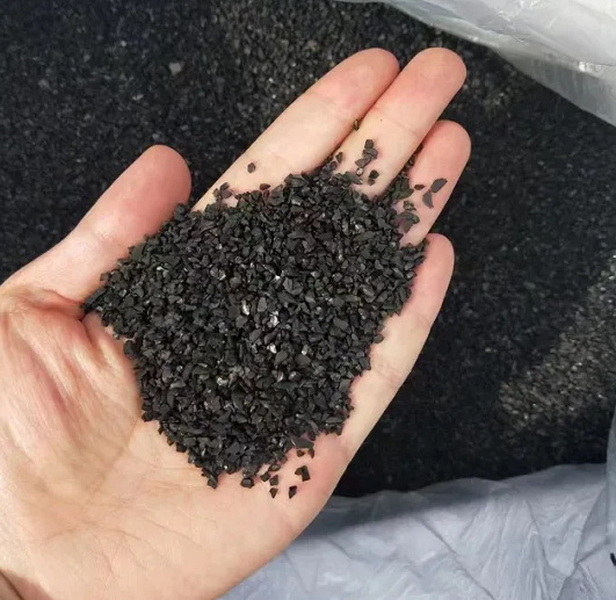
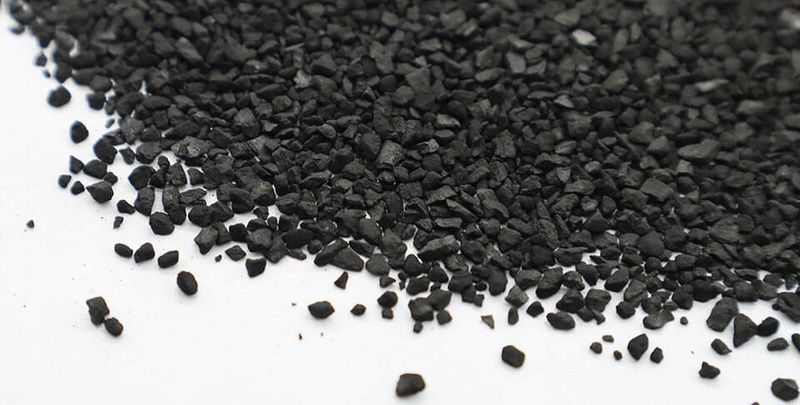
Activated carbon is a specially processed carbon material with an extremely high internal surface area and a network of micro‑, meso‑, and macropores. One gram of high‑quality activated carbon can provide more than 3,000 m² of internal surface area for adsorption, giving it exceptional capacity for capturing contaminants from fluids.[4][5]
- Activated carbon is usually made from coconut shells, coal, or wood that are carbonized and then “activated” at high temperature with steam, air, or chemicals to open up pores.[6][2]
- The activation process creates a porous lattice structure that dramatically increases surface area and reactive sites, turning ordinary carbon into a powerful adsorbent for water and air purification.[7][6]
Adsorption: The Core Working Principle
The main mechanism behind an activated carbon filter is adsorption, not absorption. In adsorption, contaminant molecules in water, air, or gas adhere to the surface of activated carbon particles via physical and chemical interactions rather than being absorbed into the bulk material.[3][8][9][5]
- When a contaminated fluid flows through an activated carbon filter, molecules such as chlorine, VOCs, pesticides, and odor compounds are attracted to the carbon surface and held inside the pores by Van der Waals forces and surface interactions.[2][5][1]
- Because activated carbon has a huge specific surface area, millions of adsorption sites are available, allowing the filter to remove a significant mass of contaminants before the media becomes saturated and needs replacement or regeneration.[5][4][7]
Types of Activated Carbon Filters
Different activated carbon filter formats are used to match various flow rates, pressure drops, and performance requirements. The most common types are granular activated carbon (GAC), powdered activated carbon (PAC), and carbon block filters, each with specific advantages and limitations for industrial and household applications.[10][11][12]
- Granular activated carbon filters use relatively coarse activated carbon granules in a loose bed, giving low pressure drop and high flow but slightly lower contact efficiency compared with dense carbon blocks.[12][10]
- Carbon block filters compress fine activated carbon powder into a solid block, improving contact time and contaminant removal capability at the cost of higher pressure drop and lower flow rate for a given size.[11][10][12]
How an Activated Carbon Water Filter Works
In water treatment, an activated carbon filter is often installed after a sediment prefilter and before fine polishing steps, forming part of a multi‑stage purification system. The activated carbon water filter removes chlorine, taste, odor, many organic chemicals, and certain heavy metals, protecting downstream membranes and improving water quality for industrial and drinking uses.[9][2][3][10]
1. Pre‑filtration stage
- A sediment or multimedia filter removes suspended solids, rust, sand, and other particles to protect the activated carbon bed from clogging and channeling.[2]
- Proper pre‑filtration keeps the activated carbon surface accessible to dissolved contaminants and extends the service life of the filter.[3][2]
2. Activated carbon bed or block
- As water flows through the activated carbon filter, dissolved contaminants diffuse into the pores and are adsorbed onto the internal surface, especially chlorine, organics, VOCs, and many taste‑ and odor‑causing substances.[1][2][3]
- Contact time, bed depth, and flow velocity strongly influence how completely contaminants are removed by the activated carbon media.[10][2]
3. Post‑filtration and polishing
- Some systems add an extra fine filter or membrane after the activated carbon to capture any carbon fines or microbiological contaminants that may be present.[2][10]
- In industrial systems, activated carbon is often combined with UV, reverse osmosis, or ion exchange to meet strict product water specifications.[10][2]
How Activated Carbon Air Filters Work
Activated carbon filters are also widely used in air and gas purification for VOCs, odors, and many industrial emissions. An activated carbon air filter usually consists of a bed or panel of activated carbon granules or pellets through which contaminated air is drawn by a fan or process blower.[13][8][7]
- As the air passes through the activated carbon filter, gaseous contaminants diffuse into the pores and adsorb on the carbon surface, reducing VOC levels and unpleasant smells.[8][13][7]
- Activated carbon air filters are especially effective for volatile organic compounds such as benzene and many solvent fumes, with studies showing large reductions in VOC concentrations when adequate activated carbon is used.[8][7]
Key Factors Affecting Activated Carbon Filter Performance
The performance of any activated carbon filter depends on both the properties of the activated carbon itself and the operating conditions of the system. Understanding these factors helps engineers and buyers specify the right activated carbon product and design for their water, air, or gas purification projects.[9][3][2][10]
- Carbon type and pore structure
- Coconut‑based activated carbon often provides a high proportion of micropores, making it effective for many drinking water and air applications.[9][2]
- Coal‑based and wood‑based activated carbon types offer different pore distributions and may be selected for specific industrial contaminants or process conditions.[2][9]
- Particle size and filter format
- Fine‑mesh activated carbon in carbon block filters increases contact area and improves removal efficiency, especially for small organic molecules.[11][12][10]
- Granular activated carbon in a deep bed allows higher flow rates, but requires proper bed design to avoid channeling and ensure uniform contact with contaminated fluids.[12][10]
- Contact time and bed depth
- Longer empty bed contact time (EBCT) gives contaminants more opportunity to adsorb onto the activated carbon, improving removal performance.[5][2]
- A deeper activated carbon bed provides additional adsorption capacity and helps stabilize outlet quality over the operating cycle.[10][2]
- Temperature, pH, and competing contaminants
- Temperature and pH affect adsorption equilibria, and competing substances may occupy adsorption sites on activated carbon, reducing capacity for target contaminants.[5]
- Careful water or gas analysis is therefore essential before specifying an activated carbon filter for critical industrial applications.[5][2]
Applications of Activated Carbon Filters in Industry
Because activated carbon filters provide flexible, robust adsorption capacity, they are used across many sectors, from municipal water treatment to food and pharmaceutical production. Industrial systems often use large fixed beds of granular activated carbon or modular activated carbon cartridges to treat process water, product streams, off‑gases, and vent air.[7][9][2]
- Water treatment and wastewater polishing
- Activated carbon filters remove residual chlorine, organics, color, and trace contaminants from treated water and wastewater, helping plants meet discharge or reuse standards.[3][2]
- Granular activated carbon beds are widely used in municipal drinking water treatment to improve taste and odor and control organic by‑products.[9][2]
- Air and gas purification
- Activated carbon filters in VOC abatement systems treat exhaust gases from painting, printing, chemical processing, and solvent use.[13][8]
- In HVAC and cleanroom applications, activated carbon panels remove odors and chemical contaminants to protect products and personnel.[13][7]
- Food, beverage, and pharmaceuticals
- Activated carbon filters decolorize and deodorize ingredients, syrups, and liquids, providing cleaner flavors and appearance for food and beverage products.[2][9]
- Pharmaceutical manufacturing uses activated carbon filtration to remove trace organics, intermediates, and by‑products from process streams.[9][2]
Maintenance and Replacement of Activated Carbon Filters
All activated carbon filters have a finite adsorption capacity; once the internal surface becomes saturated, the activated carbon media must be replaced or reactivated. Proper maintenance is critical to ensure stable outlet quality and to prevent breakthrough of contaminants from the saturated activated carbon bed.[1][3][2][9]
- Breakthrough and service life
- Breakthrough occurs when contaminants start appearing at the outlet of the activated carbon filter as adsorption sites are filled, indicating the end of effective service life.[5][2]
- Service life depends on influent quality, flow rate, bed size, and the specific contaminants being treated by the activated carbon system.[3][2]
- Replacement and reactivation
- Small cartridges are typically replaced with fresh activated carbon when capacity is exhausted or at manufacturer‑recommended intervals.[1][3]
- Large industrial activated carbon beds can sometimes be thermally reactivated, restoring adsorption capacity and reducing waste and operating costs.[5]
Limitations of Activated Carbon Filters
Despite their wide usefulness, activated carbon filters are not universal solutions and must be used within their performance limits. Certain contaminants are poorly adsorbed on activated carbon, and microbiological control usually requires additional treatment steps beyond simple activated carbon filtration.[2][9]
- Activated carbon filters are less effective for some inorganic ions, dissolved salts, and small highly polar molecules, so technologies like reverse osmosis or ion exchange may be needed in parallel.[9][2]
- Standard activated carbon filters do not reliably disinfect water or air, and without proper design, they can even become sites for bacterial growth, so they are commonly paired with disinfection methods or membranes.[2][9]
Conclusion
Activated carbon filters work by passing contaminated water, air, or gas through a bed or block of highly porous activated carbon, where contaminants are removed by adsorption onto the enormous internal surface area of the media. By carefully selecting the activated carbon type, pore structure, filter configuration, and operating conditions, engineers can design activated carbon systems that reliably remove chlorine, VOCs, organics, odors, and many other compounds in industrial, municipal, and household applications. However, activated carbon filters have finite capacity, require regular replacement or reactivation, and must be combined with complementary technologies for complete microbiological and inorganic contaminant control in critical processes.[4][1][3][9][5][2]
FAQ About How Activated Carbon Filter Works
(1) How is activated carbon made for filters?
Activated carbon for filters is produced by carbonizing raw materials such as coconut shells, coal, or wood and then “activating” them at high temperature with steam, air, or chemicals to create a highly porous structure. This activation step dramatically increases the internal surface area of the activated carbon, providing the adsorption capacity needed for effective filtration of water, air, and gas.[6][4][5][2]
(2) What contaminants do activated carbon filters usually remove?
Activated carbon filters are especially effective at removing chlorine, many organic chemicals, volatile organic compounds, taste‑ and odor‑causing substances, and some heavy metals from water streams. In air and gas treatment, activated carbon filters are widely used to adsorb VOCs, solvent vapors, and a broad range of odor compounds from process emissions and indoor environments.[8][7][13][1][3][2]
(3) Why is adsorption on activated carbon different from absorption?
Adsorption on activated carbon occurs when molecules adhere to the surface of the carbon's internal pores, whereas absorption involves a substance being taken into the bulk of another material, like a sponge. The extremely high surface area and pore structure of activated carbon give it many active sites for adsorption, which is why activated carbon filters can capture large amounts of contaminants without swelling or dissolving.[4][3][9][5]
(4) How often should an activated carbon filter be replaced?
The replacement interval for an activated carbon filter depends on influent quality, flow rate, system size, and the specific contaminants being adsorbed, so there is no single schedule for all applications. In practice, performance monitoring or following manufacturer guidelines is essential, and once breakthrough is detected or rated capacity is reached, the activated carbon media must be replaced or reactivated to maintain treatment quality.[1][3][5][2]
(5) Can activated carbon be regenerated or reused?
Spent activated carbon from large industrial filters can often be thermally reactivated in specialized furnaces, where high temperatures remove adsorbed contaminants and restore much of the adsorption capacity. This reactivated activated carbon can then be reused in suitable applications, reducing waste and lowering the long‑term operating cost of activated carbon filtration systems.[5]
Citations:
[1](https://www.freshwatersystems.com/blogs/blog/activated-carbon-filters-101)
[2](https://ionexchangeglobal.com/how-an-activated-carbon-filter-cleans-water/)
[3](https://activatedcarbondepot.com/blogs/news/activated-carbon-filters)
[4](https://en.wikipedia.org/wiki/Carbon_filtering)
[5](https://www.watertechonline.com/wastewater/article/15549902/the-basics-of-activated-carbon-adsorption)
[6](https://www.iso-aire.com/what-is-a-carbon-filter)
[7](https://oransi.com/blogs/how-it-works/activated-carbon-activated-carbon-adsorption)
[8](https://www.airscience.com/adsorption-vs-absorption-the-difference-for-carbon-filters)
[9](https://aquabliss.com/blogs/healthy-water/activated-carbon-and-water-filters)
[10](https://rajahfiltertechnics.com/water-filtration/granular-activated-carbon-vs-activated-carbon-block-water-filters/)
[11](https://carbonblocktech.com/carbon-filter-buyer-guide/)
[12](https://www.commercialfiltrationsupply.com/blogs/resource-center/carbon-block-filters-vs-granulated-carbon-filters)
[13](https://joaairsolutions.com/blog/how-does-active-carbon-work/)
[14](https://www.reddit.com/r/explainlikeimfive/comments/79hmkp/eli5_how_do_activated_carbon_filters_work/)
[15](https://www.youtube.com/watch?v=WGnktQm_ttE)


