Content Menu
● Does Granular Activated Carbon Charcoal Remove Lead from Water
● How Granular Activated Carbon Works in Water Treatment
● Can Granular Activated Carbon Remove Lead from Water?
● When Granular Activated Carbon Is Effective for Lead
● Limitations of Granular Activated Carbon for Lead Removal
● Granular Activated Carbon vs Carbon Block for Lead
● Role of Certification and Standards (NSF/ANSI 53)
● Industrial and Municipal Use of Granular Activated Carbon for Heavy Metals
● Design Tips for Lead‑Focused Granular Activated Carbon Systems
● Advantages of Granular Activated Carbon for Lead Control
● Practical Guidance for Home and Facility Users
● Our Customized Granular Activated Carbon Solutions for Lead
● Conclusion
● FAQ About Granular Activated Carbon and Lead Removal
>> 1. Does granular activated carbon always remove lead from water?
>> 2. How effective can granular activated carbon be at reducing lead?
>> 3. What should I look for when choosing a granular activated carbon filter for lead?
>> 4. How often should granular activated carbon filters be replaced when treating lead?
>> 5. Is granular activated carbon enough, or should it be combined with other technologies?
● Citations:
Does granular activated carbon charcoal remove lead from water? The short answer is: yes, properly designed granular activated carbon (GAC) systems can significantly reduce dissolved lead in water, but performance depends heavily on carbon type, system design, contact time, and certification. For high and stable lead removal, GAC is often combined with surface treatments, carbon block technology, or multi‑stage filtration.[1][2][3][4][5][6][7]
Does Granular Activated Carbon Charcoal Remove Lead from Water
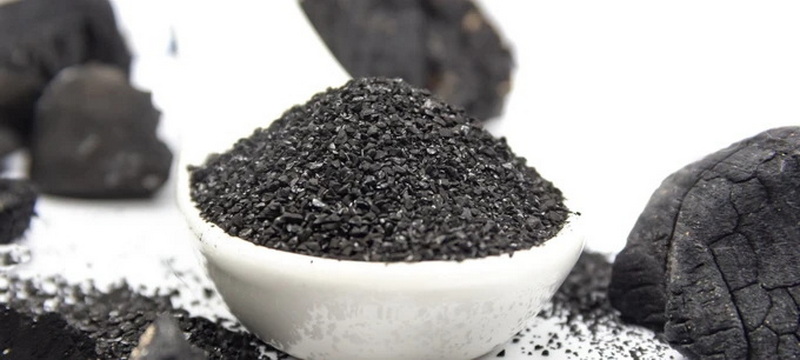
Granular activated carbon is a highly porous filtration media made from sources such as coconut shell, coal, or wood, processed to create a huge internal surface area for adsorption. In water treatment, granular activated carbon is widely used to remove organic contaminants, chlorine, taste and odor compounds, and, with the right design, heavy metals like lead.[8][5][9]
To answer whether granular activated carbon removes lead, it is important to understand that not all activated carbon filters are equal. The base carbon quality, activation method, filter configuration, and additional treatment or impregnation determine how effectively a granular activated carbon filter will capture dissolved lead ions from drinking water.[2][3][4][5][7][1]
How Granular Activated Carbon Works in Water Treatment
Granular activated carbon works primarily through adsorption, where dissolved contaminants are attracted to and held on the carbon's extensive internal surface area. A well‑made granular activated carbon product can have hundreds of square meters of surface area per gram, giving its particles a powerful capacity to trap organic molecules, some inorganic compounds, and certain heavy metals.[10][5][9][11][8]
In water systems, granular activated carbon is usually packed into fixed beds, filters, or cartridges so that water flows through a column of carbon granules. As water passes through the granular activated carbon bed, contaminants diffuse into the pores and are adsorbed until the available capacity is gradually exhausted and the media must be replaced or regenerated.[4][5][7][9][8]
Can Granular Activated Carbon Remove Lead from Water?
Research and field experience show that granular activated carbon can reduce dissolved lead, especially when the carbon is selected and engineered specifically for heavy metal adsorption. Laboratory tests have demonstrated that activated carbon products can lower lead concentrations from typical contaminated levels to well below drinking water guidelines, sometimes down to single‑digit micrograms per liter.[3][12][5][13][11][4]
However, standard or generic granular activated carbon intended mainly for taste and odor control may not remove lead efficiently. Many consumer pitchers and simple GAC cartridges prioritize chlorine and organics removal rather than heavy metals, which is why certification and product design details are critical when lead is the target contaminant.[5][6][7][1][2]
When Granular Activated Carbon Is Effective for Lead
Studies on fixed‑bed granular activated carbon filters demonstrate that properly sized, point‑of‑use systems can reduce lead levels below common regulatory action thresholds such as 15 µg/L. Performance is strongly dependent on factors such as empty bed contact time, influent lead concentration, pH, and competing ions in the water.[12][13][11][10][3][4]
Additionally, specially formulated granular activated carbon that is surface‑modified or impregnated with additives can greatly improve lead uptake. These enhanced granular activated carbon media can target heavy metals more selectively and provide higher adsorption capacity, making them suitable for both domestic cartridges and industrial columns treating lead‑bearing water.[13][11][1][10][3]
Limitations of Granular Activated Carbon for Lead Removal
Granular activated carbon is not a universal solution, and its ability to remove lead has important limitations. Some sources emphasize that “standard” activated carbon without specific heavy‑metal optimization may only reduce lead modestly, and cannot be relied upon to consistently meet strict drinking water limits.[6][7][1][2][5]
Furthermore, all granular activated carbon filters eventually reach saturation, at which point additional lead passes through without being adsorbed. If cartridges are not replaced on time, exhausted granular activated carbon media can allow lead levels to rise again, and in extreme cases desorption of previously adsorbed contaminants is possible under changing conditions.[7][9][5]
Granular Activated Carbon vs Carbon Block for Lead
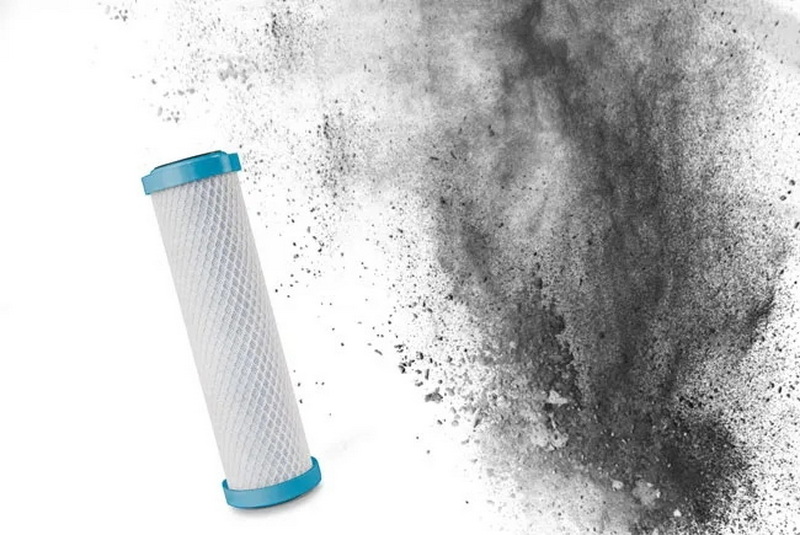
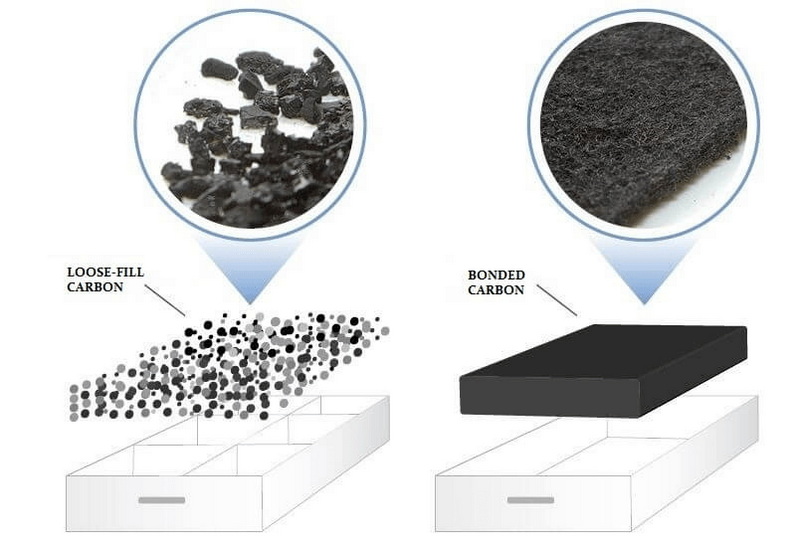
In many consumer and point‑of‑use systems, carbon block technology uses powdered carbon compressed into a solid block with much smaller pores, which increases contact time and improves lead removal compared with loose granular activated carbon. Carbon block filters often achieve higher and more consistent heavy metal reduction, though they may have lower flow rates and higher pressure drop.[2][5][6][7]
Loose‑bed granular activated carbon systems remain valuable for high‑flow and large‑volume applications, but they may require greater bed depth or additional polishing stages to match the lead performance of high‑quality carbon blocks. For applications where lead is the primary concern, many experts recommend filters clearly tested and certified for lead reduction rather than generic granular activated carbon cartridges.[8][4][5][6][7][2]
Role of Certification and Standards (NSF/ANSI 53)
One of the most reliable ways to know whether a granular activated carbon‑based filter can remove lead is to check for certification under recognized standards such as NSF/ANSI 53 for health effects. Filters that meet this standard have been tested to demonstrate that they can reduce lead below specified limits under defined conditions over their rated service life.[5][7][2]
Many high‑performance carbon filters, including some that use granular activated carbon or carbon block media, advertise documented lead reduction of up to around 99% in controlled testing. For households and facilities, selecting an NSF/ANSI 53‑certified device is more important than simply choosing any filter labeled as “granular activated carbon” or “charcoal.”[3][12][7][2][5]
Industrial and Municipal Use of Granular Activated Carbon for Heavy Metals
Beyond household filters, granular activated carbon is widely used in industrial and municipal water treatment plants to control organic contaminants and sometimes heavy metals. In these larger systems, granular activated carbon is often installed as deep‑bed contactors after coagulation, sedimentation, and filtration, providing additional removal of trace pollutants.[9][14][11][8]
For heavy metals such as lead, engineers may use granular activated carbon in combination with other adsorbents or treatments, such as ion exchange, specialized resins, or metal‑oxide‑coated media. This multi‑barrier design increases overall reliability and helps ensure that finished water meets stringent drinking water quality standards for both organics and metals.[14][11][10][13]
Design Tips for Lead‑Focused Granular Activated Carbon Systems
When designing granular activated carbon systems specifically to address lead, sufficient empty bed contact time (EBCT) is essential. Longer contact times allow more opportunity for dissolved lead ions to diffuse into granular activated carbon pores and adsorb to active sites, improving removal efficiency and delaying breakthrough.[11][4][13][5]
It is also important to consider pH, competing ions (such as calcium or magnesium), and the presence of natural organic matter, all of which can influence lead adsorption on granular activated carbon. Pretreatment steps like particle filtration and adjustment of water chemistry can enhance lead removal performance, extending the effective life of granular activated carbon beds in both domestic and industrial systems.[10][13][11]
Advantages of Granular Activated Carbon for Lead Control
Granular activated carbon provides several practical advantages in lead‑control strategies. It is a well‑known technology with broad availability, moderate cost, and relatively straightforward operation, especially in fixed‑bed columns or cartridges.[9][8][3][5]
Another strength of granular activated carbon is its multi‑contaminant capability: while targeting lead, the same bed can also reduce organic pollutants, disinfection by‑product precursors, chlorine, and taste‑ and odor‑causing compounds. This makes granular activated carbon an attractive choice for comprehensive water quality improvement in residential, commercial, and industrial applications.[14][8][3][5][9]
Practical Guidance for Home and Facility Users
For homeowners, simply choosing a “granular activated carbon filter” is not enough when lead is the primary concern; the product must clearly indicate tested lead reduction. Looking for NSF/ANSI 53 certification for lead, or equivalent recognized marks, is a practical way to ensure that the granular activated carbon or carbon‑based system has been independently verified for performance.[7][2][5]
Facilities such as schools, hospitals, and industrial sites should combine laboratory water testing with professional engineering review when implementing granular activated carbon systems for lead. Periodic monitoring of effluent lead levels, along with timely replacement or regeneration of granular activated carbon media, is crucial to maintain consistent protection.[10][3][5][7][9]
Our Customized Granular Activated Carbon Solutions for Lead
Specialized manufacturers can formulate granular activated carbon products and systems tailored to specific water matrices and heavy metal profiles. By selecting optimized raw materials, activation conditions, and surface treatments, these granular activated carbon solutions can deliver high lead uptake while also addressing other contaminants relevant to industrial and municipal users.[1][13][11][10]
For global industrial applications such as water treatment in chemical, food and beverage, and pharmaceutical processes, granular activated carbon systems can be customized in terms of particle size, bed design, and integration with pre‑ and post‑treatment units. This approach ensures that lead and other impurities are removed efficiently while meeting the process and regulatory requirements of each industry.[13][8][9][14][10]
Conclusion
Granular activated carbon charcoal can remove lead from water when the media and system are specifically designed and tested for heavy metal adsorption. Properly engineered granular activated carbon filters, especially those certified under standards like NSF/ANSI 53 or using enhanced media, can reduce lead concentrations to below common drinking water limits and provide multi‑contaminant protection in both household and industrial settings.[4][6][2][3][5][7]
At the same time, not every granular activated carbon product on the market is suitable for lead control, and generic “charcoal” filters should not be assumed to provide reliable protection. For effective and consistent lead removal, users should select proven granular activated carbon solutions, design for adequate contact time, and follow strict maintenance and monitoring practices throughout the life of the filter system.[6][11][1][2][4][5][7][10]
FAQ About Granular Activated Carbon and Lead Removal
1. Does granular activated carbon always remove lead from water?
Granular activated carbon does not always remove lead effectively, because basic GAC products are optimized mainly for organics and chlorine rather than heavy metals. Only granular activated carbon filters specifically engineered and tested for lead reduction, often with surface treatments or in carbon block form, can reliably achieve low lead levels in drinking water.[1][2][3][4][5][6][7]
2. How effective can granular activated carbon be at reducing lead?
Under controlled conditions, well‑designed activated carbon systems have been shown to reduce lead to below regulatory action levels, and in some cases to very low microgram‑per‑liter concentrations, indicating high removal efficiency. Actual performance in the field depends on the specific granular activated carbon product, influent lead concentration, water chemistry, and how closely the system design follows recommended operating parameters and contact times.[12][11][3][4][13][10]
3. What should I look for when choosing a granular activated carbon filter for lead?
When choosing a granular activated carbon filter to address lead, look for explicit statements about lead reduction and recognized certifications such as NSF/ANSI 53 for health effects. It is also advisable to review product documentation for information about media type, rated service life, and maintenance instructions, and to confirm that performance claims match your water's lead level and usage pattern.[2][5][7]
4. How often should granular activated carbon filters be replaced when treating lead?
Granular activated carbon filters used for lead should be replaced according to the manufacturer's rated capacity or time interval, whichever comes first, to avoid saturation and breakthrough. In critical applications or where lead levels are high, more frequent media replacement and periodic water testing are recommended to ensure continued compliance with target lead limits.[3][5][7][9]
5. Is granular activated carbon enough, or should it be combined with other technologies?
In many cases, granular activated carbon is used as part of a multi‑barrier strategy that may also include ion exchange, reverse osmosis, or specialized metal‑adsorbing media. Combining granular activated carbon with additional treatment steps can provide more robust protection against lead and other contaminants, particularly in challenging water matrices or where regulatory requirements are strict.[11][13][14][10]
Citations:
[1](https://rajahfiltertechnics.com/water-filtration/lead-removal-activated-carbon/)
[2](https://qualitywaterlab.com/contaminants/does-activated-carbon-remove-lead/)
[3](https://www.dynalene.com/lead-removal-using-activated-carbon/)
[4](https://onlinelibrary.wiley.com/doi/pdf/10.1002/ep.670130124)
[5](https://extensionpubs.unl.edu/publication/g1489/na/html/view)
[6](https://krakensense.com/blog/granular-activated-carbon-water-filter)
[7](https://www.consumerreports.org/home-garden/water-filters/make-sure-your-water-filter-removes-lead-a5825432948/)
[8](https://generalcarbon.com/understanding-granular-activated-carbon-for-water-treatment/)
[9](https://19january2021snapshot.epa.gov/sites/static/files/2015-04/documents/a_citizens_guide_to_activated_carbon_treatment.pdf)
[10](https://pmc.ncbi.nlm.nih.gov/articles/PMC9213643/)
[11](https://www.sciencedirect.com/science/article/pii/S1944398624025426)
[12](https://onlinelibrary.wiley.com/doi/abs/10.1002/ep.670130124)
[13](https://www.sciencedirect.com/science/article/abs/pii/S0304389405002712)
[14](https://www.epa.gov/sciencematters/reducing-pfas-drinking-water-treatment-technologies)
[15](https://wqa.org/wp-content/uploads/2022/09/2016_GAC.pdf)
[16](https://www.sciencedirect.com/science/article/pii/S0011916406013944)
[17](https://tappwater.co/blogs/blog/what-activated-carbon-filters-remove)
[18](https://journal.gnest.org/publication/698)
[19](https://www.epa.gov/air-emissions-monitoring-knowledge-base/monitoring-control-technique-activated-carbon-adsorber)
[20](https://www.epa.gov/pesticide-science-and-assessing-pesticide-risks/finalization-guidance-incorporation-water-treatment)


