Content Menu
● What Is Powdered Activated Carbon?
● Key Hazard: Combustible Dust and Explosion Risk
● Key Hazard: Oxygen Depletion in Confined Spaces
● Health Hazards: Eyes, Skin, and Respiratory System
● Chemical Reactivity and Fire Behavior
● Regulatory Context and Workplace Classification
● Why Powdered Activated Carbon Is More Hazardous Than Granular Forms
● Typical Industrial Scenarios Where Powdered Activated Carbon Is Dangerous
● How to Reduce the Dangers of Powdered Activated Carbon
● Conclusion
● FAQ About Powdered Activated Carbon Hazards
>> (1) Is powdered activated carbon toxic to humans?
>> (2) Can powdered activated carbon explode?
>> (3) Why is wet powdered activated carbon dangerous in tanks and filters?
>> (4) What personal protective equipment is recommended when handling powdered activated carbon?
>> (5) How should powdered activated carbon spills be cleaned up safely?
● Citations:
Powdered activated carbon is widely used in water treatment, air and gas purification, and many industrial processes, but it presents real safety risks such as dust explosions, oxygen depletion in confined spaces, and irritation of eyes, skin, and lungs. With proper engineering controls, personal protection, and housekeeping, these hazards can be controlled so that powdered activated carbon remains a safe and effective adsorbent.[1][2][3][4]
What Is Powdered Activated Carbon?
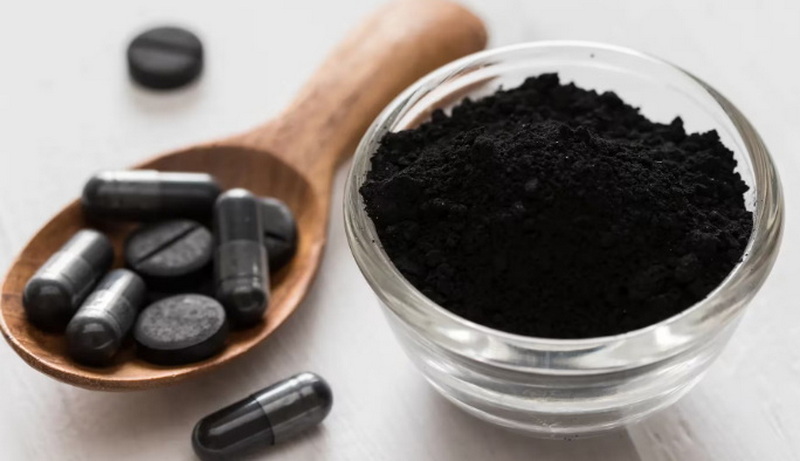
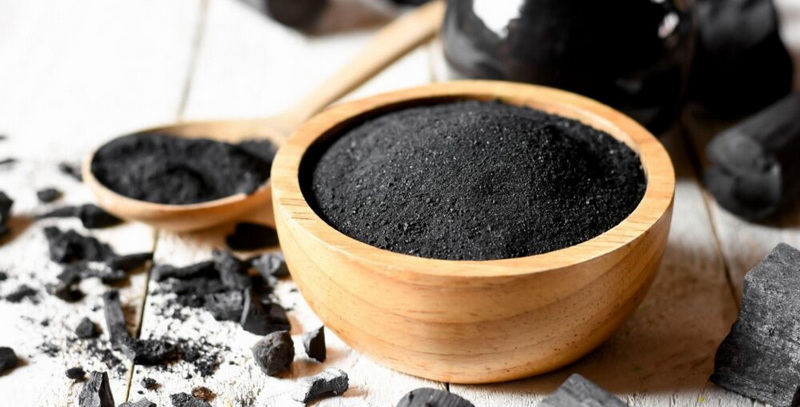
Powdered activated carbon (PAC) is a very fine, porous carbon adsorbent with particle sizes typically below about 0.18–0.20 mm, giving a huge internal surface area for adsorption of contaminants from water, air, and process liquids. Because it is dosed and handled as a free-flowing powder, powdered activated carbon easily becomes airborne and can form dust clouds during conveying, bag emptying, silo filling, and filter changing.[5][6]
PAC is produced from carbon-rich raw materials such as coal, coconut shell, or wood that are carbonized and activated to create a high surface area, then milled to a fine powder for rapid adsorption performance. These properties make powdered activated carbon highly effective but also create specific safety challenges that must be managed in industrial and municipal facilities.[2][5]
Key Hazard: Combustible Dust and Explosion Risk
The most serious physical hazard of powdered activated carbon is its behavior as a combustible dust that can cause deflagrations or explosions when dispersed in air and ignited in a confined or semi-confined space. Safety data show that powdered activated carbon dust is classified as a weakly explosive dust (St1 class) and that fine carbon dust clouds can ignite and propagate flame when there is a sufficient dust concentration, adequate oxygen, and a strong ignition source.[1][5]
Material safety data sheets note that heavy airborne carbon dust can present a dust explosion hazard, and that facilities should avoid actions that create dust clouds, such as using compressed air to clean carbon spills. Modern combustible dust standards like NFPA 652 and the new consolidated NFPA 660 require a dust hazard analysis and appropriate safeguards for processes handling combustible powders such as powdered activated carbon.[6][7][8][9]
- Typical risk situations for powdered activated carbon dust:
- Pneumatic conveying and silo filling where dust clouds can form.[6]
- Filter backwashing and handling of dry PAC in dosing systems.[1]
- Poor housekeeping that allows thick dust layers to accumulate on beams and equipment, which can become fuel for a secondary dust explosion.[9]
Key Hazard: Oxygen Depletion in Confined Spaces
Another major danger of powdered activated carbon, especially when wet, is its ability to remove oxygen from the air in confined or poorly ventilated spaces, creating a risk of asphyxiation. Many safety data sheets warn that wet activated carbon can deplete oxygen and that dangerously low oxygen levels can develop inside vessels, silos, filters, or tanks containing activated carbon.[3][4][2]
Guidance emphasizes that no one should enter confined spaces that contain activated carbon unless the atmosphere has been tested and appropriate confined-space entry procedures and respiratory protection are in place. This oxygen-depletion hazard applies to both powdered activated carbon and granular activated carbon, but is often more acute with powdered activated carbon because it has a much larger reactive surface area in contact with the air.[4][10][2]
Example confined-space situations where oxygen depletion by powdered activated carbon is dangerous:
- Entry into PAC contact tanks, adsorption reactors, or mixing vessels for inspection or cleaning.[2]
- Maintenance work inside PAC storage silos, hoppers, or large dust collectors.[4]
Health Hazards: Eyes, Skin, and Respiratory System
Powdered activated carbon is generally considered low in intrinsic toxicity, but its fine particles can mechanically irritate eyes, skin, and the respiratory tract and may contain trace impurities such as crystalline silica (quartz) that pose chronic risks. Safety data sheets commonly list dust as causing eye irritation, mild skin irritation, and coughing or sneezing due to respiratory irritation, classifying it as a nuisance dust under many occupational exposure guidelines.[11][12][13][14]
Where powdered activated carbon contains respirable quartz, long-term inhalation at elevated levels may increase the risk of lung disease, and some data classify such mixtures as an inhalation cancer hazard depending on exposure. Occupational exposure limits are therefore set for total and respirable dust, with typical OSHA permissible exposure limits around 15 mg/m³ total dust and 5 mg/m³ respirable dust for inert particulates, and lower guideline values from organizations such as ACGIH for certain forms of carbon or graphite.[8][13][5]
To control these health hazards when handling powdered activated carbon:
- Use local exhaust ventilation at points where PAC dust is generated, such as sack tipping or transfer points.[15]
- Wear suitable eye protection, gloves, and respiratory protection where dust levels may exceed exposure limits.[12][14]
Chemical Reactivity and Fire Behavior
While bulk powdered activated carbon is relatively stable, fine carbon is combustible and can ignite or smolder under certain conditions, especially when contaminated with oxidizing chemicals or organic vapors. Some safety data sheets warn that activated carbon may give rise to hazardous fumes in a fire and that self-heating can occur during oxidation because of its high surface area, leading to localized hot spots and possible ignition.[5][8][6]
Contact between activated carbon and strong oxidizing agents such as ozone or liquid oxygen can cause rapid combustion, so incompatible materials should be segregated and processes engineered to avoid uncontrolled reactions. After a fire, smoldering hot spots can remain inside powdered activated carbon beds or piles for a long time, and confined smoldering carbon can generate carbon monoxide to concentrations at or above its lower explosive limit.[10][5][4]
Typical fire-safety recommendations for powdered activated carbon include:
- Avoid using high-pressure water jets that can create dust clouds and exacerbate combustible dust hazards.[3]
- Use suitable extinguishing media such as water spray, dry chemical, foam, or carbon dioxide, and wear self-contained breathing apparatus because of possible toxic combustion products.[8][5]
Regulatory Context and Workplace Classification
In many jurisdictions, powdered activated carbon is classified as a combustible dust hazard rather than as a highly toxic chemical, but it may still be regulated as a hazardous chemical under occupational safety rules that require hazard communication and training. Safety data sheets prepared under systems such as OSHA's Hazard Communication Standard typically describe powdered activated carbon as an eye irritant and combustible dust that may form explosive dust–air mixtures.[16][17][3]
Modern combustible dust standards, including NFPA 652 and the new NFPA 660, require that facilities handling powders like powdered activated carbon perform a dust hazard analysis, classify areas appropriately, and implement engineering controls and explosion protection. Employers are also expected to monitor airborne dust concentrations and apply exposure limits for particulates not otherwise specified, ensuring that workers' exposure to powdered activated carbon dust remains below applicable time-weighted averages.[7][9][5][8]
Why Powdered Activated Carbon Is More Hazardous Than Granular Forms
Granular activated carbon and powdered activated carbon share the same basic material, but the fine particle size and ease of dispersion make powdered activated carbon more hazardous in terms of airborne dust, explosion risk, and handling complexity. Granular activated carbon tends to generate much less dust during normal handling, so it presents lower risk of dust explosions and respiratory irritation compared with powdered activated carbon in open systems.[10][6][1]
Powdered activated carbon is particularly critical in operations that rely on manual bag emptying, open mixing tanks, or pneumatic conveying, where incidental leaks or spills can quickly produce clouds of fine carbon dust. For this reason, many facilities invest in closed feeding systems, dedicated dust collectors, and careful housekeeping whenever powdered activated carbon is used at significant scale.[9][15][6]
Typical Industrial Scenarios Where Powdered Activated Carbon Is Dangerous
There are several common industrial scenarios where the inherent hazards of powdered activated carbon combine with process conditions to create elevated risk if controls are weak. For example, municipal water plants that dose powdered activated carbon as a slurry to remove taste and odor issues may generate significant dust at unloading stations or in dry feed rooms if bags are opened manually without adequate ventilation and housekeeping.[6][9][1]
Power plants and waste incinerators that inject powdered activated carbon into flue gas streams to capture mercury or dioxins can generate mixed dust streams (carbon plus fly ash) that complicate both explosion safety and downstream handling of residues. Chemical, food, and pharmaceutical plants that use powdered activated carbon for decolorization or impurity removal often need to manage fine carbon dust around filters, centrifuges, and dryers, with attention to ignition sources and confined spaces where wet PAC can deplete oxygen.[18][19][2][3]
How to Reduce the Dangers of Powdered Activated Carbon
The risks of powdered activated carbon can be reduced significantly through engineering controls, safe work practices, and appropriate personal protective equipment. Engineering measures include fully or partially enclosed handling systems, local exhaust ventilation at transfer points, and dust collection systems designed to safely capture PAC particles and prevent re-entrainment.[15][3][9]
From a procedural standpoint, good housekeeping to prevent dust accumulation, prohibition of open flames and uncontrolled hot work, and avoidance of compressed air for cleaning are essential in areas where powdered activated carbon is handled. Workers should receive training on the specific hazards of powdered activated carbon, including combustible dust behavior and oxygen depletion, and should follow confined-space entry procedures with gas testing and respiratory protection where activated carbon is present in vessels or filters.[2][4][9][6]
- Basic risk-reduction measures for powdered activated carbon:
- Use sealed bags, bulk containers, or closed transfer wherever possible to limit dust escape.[15]
- Maintain negative pressure and suitable filtration in PAC dosing rooms to capture fugitive dust.[3][15]
- Implement a dust hazard analysis and review it periodically in line with NFPA guidance.[7][9]
Conclusion
Powdered activated carbon is dangerous not because it is highly toxic, but because its fine particles create a combination of combustible dust explosion risk, oxygen depletion hazard in confined spaces, and irritating dust exposure to eyes, skin, and lungs. These risks are especially important in industrial and municipal facilities that receive, store, and dose powdered activated carbon in bulk, where uncontrolled dust clouds, poor housekeeping, or inadequately managed confined spaces can lead to serious incidents.[1][2][6][4]
By understanding the specific hazards of powdered activated carbon and following modern combustible dust standards, confined-space procedures, engineering controls, PPE requirements, and training, operators can safely harness the powerful adsorption performance of powdered activated carbon while protecting workers and assets.[9][7]

FAQ About Powdered Activated Carbon Hazards
(1) Is powdered activated carbon toxic to humans?
Powdered activated carbon itself is generally considered low in systemic toxicity but can mechanically irritate the eyes, skin, and respiratory tract when dust is present at high levels. Some powdered activated carbon products may contain respirable crystalline silica (quartz), which carries a long-term inhalation cancer hazard if exposure is not controlled, so exposure limits and protective measures should always be respected.[13][14][20][11]
(2) Can powdered activated carbon explode?
Yes, powdered activated carbon can participate in dust explosions when fine particles are dispersed in air at sufficient concentration and exposed to a strong ignition source in a confined or semi-confined space. Safety data classify powdered activated carbon as a combustible dust (often St1 class), and guidelines stress minimizing dust accumulation, avoiding ignition sources, and using engineered explosion protection where necessary.[5][1][9]
(3) Why is wet powdered activated carbon dangerous in tanks and filters?
Wet powdered activated carbon is dangerous in confined spaces because it can remove oxygen from the air, potentially creating an oxygen-deficient atmosphere that can cause asphyxiation. Safety documents emphasize that no one should enter vessels, filters, or silos containing wet activated carbon without first checking oxygen concentration and following full confined-space entry procedures with appropriate respiratory protection.[10][2][3][4]
(4) What personal protective equipment is recommended when handling powdered activated carbon?
When handling powdered activated carbon, typical safety data sheets recommend safety glasses or goggles, gloves, protective clothing to keep dust off skin, and respiratory protection where airborne dust may exceed exposure limits. Local exhaust ventilation and process enclosures should be used first to keep dust levels low, with respirators used as a supplement during dusty tasks such as bag dumping, maintenance, or spill cleanup.[14][12][3][15]
(5) How should powdered activated carbon spills be cleaned up safely?
For powdered activated carbon spills, guidance is to avoid creating dust clouds, prevent ignition sources, and collect material using methods that minimize dust, such as gentle sweeping with damp tools or industrial vacuums approved for combustible dust. Using compressed air to blow powdered activated carbon from surfaces is discouraged because it can create airborne dust concentrations that raise both explosion risk and worker exposure.[19][6][9]
Citations:
[1](https://generalcarbon.com/activated-carbon/activated-carbon-msds/)
[2](https://norit.com/hubfs/S-PAC-USA&Canada-EN-1.pdf?hsLang=en)
[3](https://www.sorbtech.com/msds/SDS%20Activated%20Carbon(9-12-22).pdf)
[4](https://redox.com/wp-content/sds/796.pdf)
[5](https://nrf.aux.eng.ufl.edu/_files/msds/2/Activated%20Carbon%20.pdf)
[6](https://labelsds.com/images/user_uploads/Activated%20Carbon%20Hydrodarco%20B%20SDS%205-13-15.pdf)
[7](https://camfilapc.com/blog/understanding-nfpa-660-the-new-standard-for-combustible-dust-safety/)
[8](https://www.sentryair.com/brochures/ActivatedCarbon.pdf)
[9](https://www.awpa.org/wp-content/uploads/2020/06/NFPA-652-2019.pdf)
[10](https://sds.chemtel.net/docs/Asbury%20Carbons%20Inc-0001931/Site%20SDS/SDS%20Activated%20Carbon%20Wood%20Based.pdf)
[11](http://www.carbonxt.com/wp-content/uploads/2018/07/MACT-PAC-SDS.pdf)
[12](https://www.arq.com/wp-content/uploads/2024/06/arq-air-emissions-series-powerpac-fastpac.pdf)
[13](https://uwaterloo.ca/giga-to-nanoelectronics-centre/sites/default/files/uploads/files/charcoal_activated.pdf)
[14](https://media.laballey.com/docbuilder/activated-carbon-charcoal-powder-food-grade-kosher-wood-based-safety-data-sheet-67055cd9d22ce.pdf)
[15](https://norit.com/hubfs/S-GAC-USA&Canada-EN.pdf?hsLang=en)
[16](https://www.fishersci.com/store/msds?partNumber=S25246&productDescription=CHARCOAL+ACTIVATED+500G&vendorId=VN00115888&countryCode=US&language=en)
[17](https://sakura.planeteria-development.com/SakuraWebsite/media/SDS/0004886-01-Rev-D-Filter-Activated-Carbon-Potassium-Permanganate-SDS_US-English-(effective-8-19-15)-(1).pdf?ext=.pdf)
[18](https://www.perplexity.ai/search/da653b86-6151-47a4-b277-38f7a92d87b5)
[19](https://dataspan.com/wp-content/uploads/2017/12/Dust-Explosion-White-Paper.pdf)
[20](https://www.sigmaaldrich.com/US/en/sds/sial/05105)
[21](https://cameochemicals.noaa.gov/chemical/10765)


