Content Menu
● Understanding Activated Carbon
● Main Types of Activated Carbon
● Key Industrial Applications
● Global Market Overview for Buyers
● Where to Buy Activated Carbon: Main Channels
● Buying Directly from Manufacturers
● Working with Regional Distributors
● Online B2B Platforms and Marketplaces
● How to Choose the Right Supplier
● Technical Parameters to Consider
● Activated Carbon for Water Treatment
● Activated Carbon for Air and Gas Purification
● Food and Beverage, Chemical, and Pharmaceutical Uses
● OEM, Private Label, and Custom Solutions
● Logistics, Packaging, and Storage
● Practical Buying Checklist
● Conclusion
● FAQ
>> 1. What is activated carbon and how does it work?
>> 2. Which type of activated carbon should I buy for water treatment?
>> 3. Where can industrial users buy activated carbon in bulk?
>> 4. How can I verify the quality of activated carbon before purchase?
>> 5. Can activated carbon be regenerated and reused?
● Citations:
Understanding Activated Carbon
Activated carbon is a highly porous carbon material with a huge internal surface area, which makes it extremely effective at adsorbing contaminants from water, air, gases, and liquids. It is widely used in water treatment, industrial air purification, food and beverage decolorization, pharmaceuticals, chemical processing, and environmental remediation.[1][2]
From a buyer's perspective, knowing where to buy activated carbon starts with understanding the main product forms and matching them to your application before selecting the right manufacturer or distributor.[3][4]
Main Types of Activated Carbon
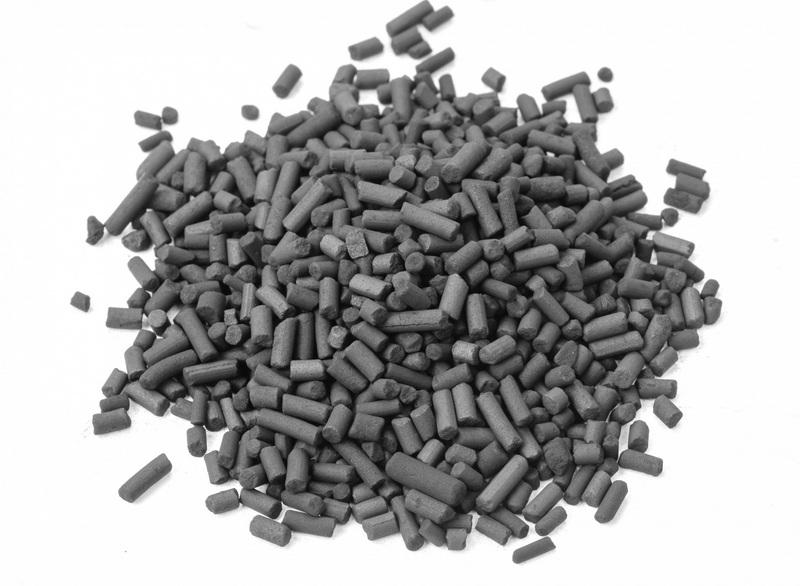
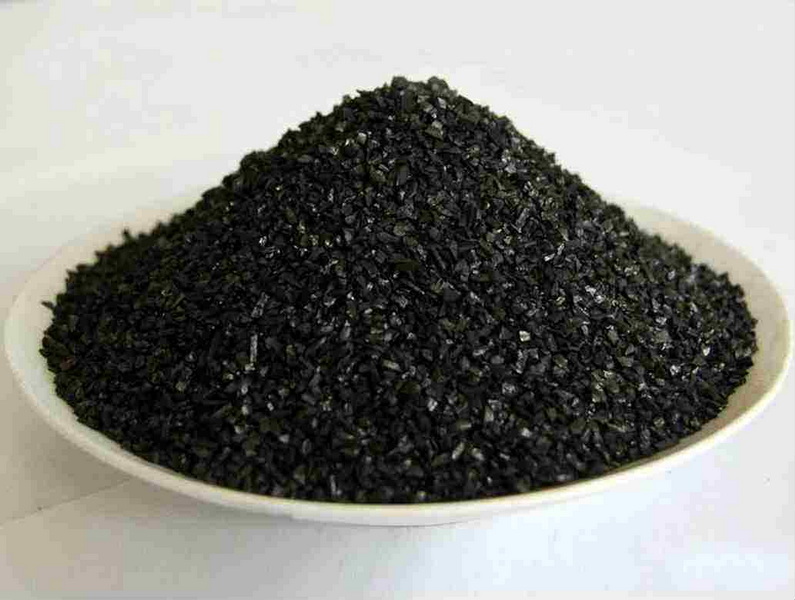
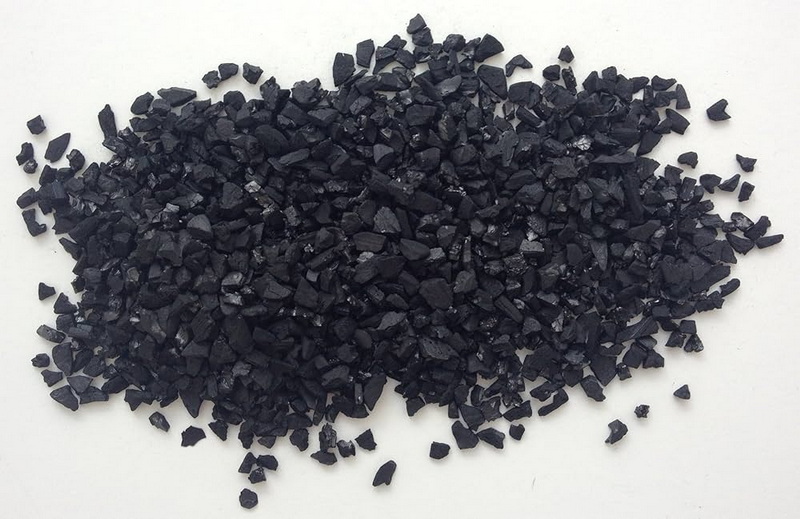
Choosing the right type of activated carbon is critical for performance, operating cost, and regulatory compliance. The three most common physical forms are granular activated carbon (GAC), powdered activated carbon (PAC), and extruded or pelletized activated carbon (EAC).[4][5][6][3]
- Granular activated carbon (GAC) is typically used in fixed-bed filters and columns for liquid-phase and gas-phase purification, including drinking water, industrial wastewater, and air treatment.[7][3]
- Powdered activated carbon (PAC) is a fine powder dosed directly into process streams, commonly used in municipal water treatment, food and beverage decolorization, and polishing of chemical and pharmaceutical liquids.[2][3]
- Extruded or pelletized activated carbon (EAC) consists of cylindrical pellets with high mechanical strength, ideal for air and gas purification, solvent recovery, and VOC emission control where low pressure drop is required.[1][3][4]
Key Industrial Applications
Activated carbon is considered one of the most versatile adsorbents in industry, with uses ranging from drinking water purification to gold recovery and solvent vapor control. For most industrial buyers, the priority applications include water treatment, industrial air and gas purification, food and beverage processing, and pharmaceutical and fine chemical production.[8][7][2][1]
- In water and wastewater treatment, granular and powdered activated carbon are used to remove organic micropollutants, taste and odor compounds, and industrial contaminants to meet stringent discharge and drinking water standards.[9][10][7]
- In air and gas purification, activated carbon is used to capture volatile organic compounds (VOCs), odors, toxic gases, and solvent vapors from process vents, exhaust streams, and emission points in manufacturing plants.[11][12][13]
Global Market Overview for Buyers
The global activated carbon market is growing steadily, driven by tighter regulations on water quality, air emissions, and product purity. Analysts project the overall activated carbon sector to reach well over USD 10 billion in value within the next decade, with strong growth in water treatment, air purification, pharmaceuticals, and food and beverage applications.[14][15][9]
Asia-Pacific currently leads activated carbon production and consumption because of rapid industrialization, stricter environmental regulation, and large water treatment infrastructure investments in countries such as China and India. This concentration of manufacturing capacity provides overseas buyers with a wide choice of competitive suppliers, especially for bulk industrial activated carbon.[9][14]
Where to Buy Activated Carbon: Main Channels
When deciding where to buy activated carbon, industrial users typically choose among three main channels: direct from manufacturers, through regional distributors, or via specialized online industrial marketplaces. Each option has distinct advantages in terms of volume, customization, delivery time, and technical support.[6][16]
- Buying activated carbon directly from manufacturers is usually the best route for bulk orders, long-term contracts, and customized specifications such as particle size distribution, iodine number, hardness, and ash content.[2][8]
- Purchasing from distributors or trading companies can be convenient for smaller volumes, urgent deliveries, and multi-brand comparisons, especially when you need activated carbon stock locally or in multiple regions.[16][6]
Buying Directly from Manufacturers
Direct procurement from activated carbon manufacturers is often preferred by OEMs, water treatment companies, chemical plants, and large industrial end users. Manufacturers can provide tailored activated carbon products, technical advice on media selection and system design, and stable long-term supply for critical processes.[13][8][2]
For global buyers, China-based activated carbon manufacturers are important partners because they offer a full range of products, including powdered activated carbon, granular activated carbon, extruded pellets, and specialty grades for water, air, food, and pharmaceutical uses. Many factories support OEM and private-label packaging, enabling resellers and brand owners to build their own product lines.[17][4]
Working with Regional Distributors
Regional distributors stock multiple brands and types of activated carbon, providing quick access and local support. This model is attractive for medium and small users such as food and beverage plants, regional water utilities, HVAC service firms, and small chemical processors.[6][16]
Distributors often add value through on-site visits, basic testing, and logistics coordination, helping customers select the right activated carbon grade and arrange scheduled deliveries or consignment stock. However, pricing per ton is often higher than factory-direct deals, and product customization can be more limited.[8][16]
Online B2B Platforms and Marketplaces
Industrial buyers can also source activated carbon via global B2B platforms and online marketplaces that aggregate manufacturers, exporters, and distributors. These platforms allow buyers to compare quotations, minimum order quantities, certifications, and lead times for multiple activated carbon suppliers in one place.[15][6]
Online channels are particularly useful when benchmarking prices for powdered activated carbon or granular activated carbon across regions, or when searching for specialty activated carbon for niche applications. However, due diligence on quality, manufacturing capacity, and after-sales support remains essential, especially for critical industrial uses.[15][6]
How to Choose the Right Supplier
Selecting where to buy activated carbon should never be based on price alone; technical performance and reliability are equally important. Start by creating a clear technical specification that includes application (for example, drinking water, flue gas, solvent recovery), required form (PAC, GAC, or EAC), performance targets, and relevant regulatory or food/pharma standards.[2][8]
Key evaluation criteria for activated carbon suppliers include production capacity, quality management certifications (such as ISO standards), track record in your industry, availability of technical support, and ability to supply consistent batches over time. Site audits, sample testing, and pilot trials are highly recommended before committing to long-term or high-volume contracts for activated carbon.[14][2]
Technical Parameters to Consider
When buying activated carbon, specific technical parameters strongly influence performance and operating cost. Among the most critical are adsorption capacity metrics (such as iodine number or methylene blue value), pore structure (micro-, meso-, and macropores), hardness, particle size distribution, and moisture and ash content.[17][6]
For water treatment applications, granular activated carbon with appropriate particle size and high surface area is usually favored to minimize head loss while maximizing contact time and contaminant removal. For air and gas purification, extruded activated carbon pellets with high mechanical strength and low dust are preferred because they support high flow rates and long bed life.[10][7][11][3][4]
Activated Carbon for Water Treatment
Water and wastewater treatment is one of the largest segments for activated carbon consumption worldwide. Municipal plants and industrial users rely on activated carbon to remove organic micropollutants, synthetic chemicals, taste and odor compounds, and disinfection by-products in order to comply with strict drinking water and discharge standards.[7][10][13][9]
Granular activated carbon filters are commonly installed in fixed beds or contactors for continuous treatment, while powdered activated carbon is dosed as needed for seasonal taste and odor issues or contamination events. Buyers should focus on high-activity activated carbon grades optimized for liquid-phase adsorption, with proven performance in their targeted contaminant range.[7][8]
Activated Carbon for Air and Gas Purification
Industrial air treatment with activated carbon is essential for controlling VOCs, odors, and toxic gas emissions from manufacturing and chemical processing facilities. Activated carbon adsorption systems capture hydrocarbons, solvents, and gaseous contaminants from process vents, tank vents, exhaust ducts, and vapor recovery units, protecting workers and ensuring compliance with air quality regulations.[12][11][16]
Extruded activated carbon pellets and granular activated carbon beds are widely used in these systems because they offer low pressure drop, high mechanical strength, and effective capture of target pollutants. When buying activated carbon for air treatment, pay special attention to pellet size, hardness, and activity for target compounds such as solvents, sulfur compounds, or acidic gases.[3][4][1]
Food and Beverage, Chemical, and Pharmaceutical Uses
In food and beverage processing, activated carbon is used to decolorize and purify products such as sugar syrups, beverages, edible oils, and alcoholic drinks. The objective is to remove color bodies, off-flavors, and trace contaminants without altering desirable components, which requires carefully selected food-grade activated carbon with controlled pore structure and purity.[8][2]
Pharmaceutical and fine chemical manufacturers rely on activated carbon for purification of intermediates and final products, including removal of color bodies, by-products, and trace impurities. Buyers in these sectors must prioritize high-purity activated carbon, low leachable content, and compliance with relevant pharmacopeial or food-contact standards.[13][2]
OEM, Private Label, and Custom Solutions
For brand owners, equipment manufacturers, and distributors, OEM and private-label activated carbon solutions are an effective way to expand product portfolios. Manufacturers can supply activated carbon in custom packaging, pre-filled filter cartridges, or integrated media solutions tailored to specific applications such as pool and spa water treatment, HVAC filters, or industrial cartridge systems.[12][4][17][7]
Custom activated carbon products can be engineered to achieve specific adsorption performance, flow characteristics, and service life by optimizing raw material selection, activation method, particle size, and blend formulation. Long-term OEM partnerships typically include joint product development, confidential formulations, and coordinated marketing support around high-performance activated carbon solutions.[2][8]
Logistics, Packaging, and Storage
When sourcing activated carbon internationally, logistics and packaging must be considered early in the purchasing process. Activated carbon is typically shipped in bags, bulk bags, or bulk containers, depending on order size and application requirements.[14][15]
Proper storage of activated carbon is important to preserve activity; materials should be kept dry, away from strong odors or chemicals, and protected from contamination or physical damage. Buyers should also confirm any transport and handling regulations related to specific types of activated carbon or applications.[6][17]
Practical Buying Checklist
Before confirming where to buy activated carbon, industrial buyers can use a simple checklist to reduce risk and optimize total cost of ownership. This structured approach helps align technical, commercial, and regulatory factors.[8][2]
- Define the application clearly (water treatment, air purification, food and beverage, chemical, pharmaceutical, etc.) and select the appropriate form of activated carbon (PAC, GAC, or EAC).
- Specify key technical parameters, quality standards, and testing requirements, then shortlist suppliers that can document proven performance in similar applications and provide stable, long-term activated carbon supply.
Conclusion
Activated carbon is a critical material for modern industry, supporting safe water, cleaner air, and high-purity products in food, beverage, chemical, and pharmaceutical sectors. Knowing where to buy activated carbon means understanding your process requirements, selecting the right form and grade, and then choosing a reliable supplier—whether a primary manufacturer, regional distributor, or trusted OEM partner.[1][2]
By carefully evaluating technical specifications, supplier capabilities, certifications, and logistics, industrial buyers can secure consistent, high-performance activated carbon while controlling total lifecycle costs and meeting increasingly strict environmental and quality regulations.[10][9][14]
FAQ
1. What is activated carbon and how does it work?
Activated carbon is a specially processed carbon material with an extremely high internal surface area and a network of pores that adsorb molecules from liquids and gases. Contaminants are captured on the surface of the activated carbon through physical adsorption and, in some cases, chemisorption, making it highly effective for purification and decontamination processes.[13][1][6]
2. Which type of activated carbon should I buy for water treatment?
For most continuous water and wastewater treatment systems, granular activated carbon is the preferred option because it can be used in fixed-bed filters and is easy to backwash or replace. Powdered activated carbon is more suitable for temporary dosing or polishing, for example when dealing with seasonal taste and odor issues or sudden contamination events.[10][7][8]
3. Where can industrial users buy activated carbon in bulk?
Industrial users typically buy activated carbon directly from manufacturers, especially in major producing regions such as Asia-Pacific, or through specialized distributors that stock PAC, GAC, and EAC for regional markets. Direct factory sourcing is common for large users such as water utilities, chemical plants, and OEM filter producers, while distributors often serve medium and smaller end users that need flexible order sizes.[9][15][14][6][2]
4. How can I verify the quality of activated carbon before purchase?
Quality verification usually involves reviewing supplier certifications, requesting technical data sheets, and running lab tests on sample activated carbon for parameters such as adsorption capacity, particle size, hardness, moisture, and ash content. Pilot trials or small-scale field tests under real process conditions are highly recommended before committing to large or long-term purchases.[17][13][2]
5. Can activated carbon be regenerated and reused?
Many types of granular and extruded activated carbon can be thermally regenerated, restoring much of their adsorption capacity and enabling multiple use cycles. Whether regeneration is economical depends on factors such as contaminant type, local energy and transport costs, environmental regulations, and the price of fresh activated carbon.[9][14][13][2]
Citations:
[1](https://en.wikipedia.org/wiki/Activated_carbon)
[2](https://books.rsc.org/books/edited-volume/2104/chapter/7568240/Industrial-Applications-of-Activated-Carbon)
[3](https://www.carbotech.de/en/product-forms-of-activated-carbons/)
[4](https://www.westerncarbon.com/forms-of-activated-carbon/)
[5](https://qizhongcarbon.com/blog/types-of-activated-carbon/)
[6](https://sodimate-inc.com/activated-carbon-types-applications-advantages/)
[7](https://activatedcarbon.com/applications)
[8](https://www.bygen.com.au/post/everything-you-need-to-know-about-activated-carbon)
[9](https://finance.yahoo.com/news/activated-carbon-global-industry-overview-105600799.html)
[10](https://bisresearch.com/insights/activated-carbon-market-for-water-treatment-is-projected-to-reach-dollar7850-million-by-2035)
[11](https://www.coral.eu/en/insight/i-carboni-attivi-negli-impianti-di-filtrazione-dellaria-industriale/)
[12](https://www.calgoncarbon.com/industrial-air-treatment/)
[13](https://www.sciencedirect.com/science/article/pii/S1573428506800189)
[14](https://www.grandviewresearch.com/industry-analysis/activated-carbon-market)
[15](https://blog.bccresearch.com/the-global-demand-for-activated-carbon-types-and-market-trends)
[16](https://jamescumming.com.au/articles/uses-for-activated-carbon/)
[17](https://www.naturecarbon.com/news/classification-of-activated-carbon-25232835.html)
[18](https://www.cargohandbook.com/Activated_Carbon)
[19](https://www.fortunebusinessinsights.com/activated-carbon-market-102175)
[20](https://www.carbokarn.co.th/en/activated-carbon-basics/)


