Content Menu
● What Is Granular Activated Carbon?
● Main Uses Of Granular Activated Carbon
● Buying Channels For Granular Activated Carbon
● Where Industrial Users Buy Granular Activated Carbon
● Where Small Users Buy Granular Activated Carbon
● Online Stores Selling Granular Activated Carbon
● What To Check Before You Buy Granular Activated Carbon
● How Much Granular Activated Carbon Do You Need?
● Typical Applications When Buying Granular Activated Carbon
● Advantages Of Buying Granular Activated Carbon
● Working With A Professional Granular Activated Carbon Supplier
● Conclusion
● FAQ About Buying Granular Activated Carbon
>> (1) How do I choose the right granular activated carbon supplier?
>> (2) What information should I provide when requesting a quote for granular activated carbon?
>> (3) Is reactivated granular activated carbon suitable for my application?
>> (4) Can I buy granular activated carbon in small quantities for pilot testing?
>> (5) What are common packaging options when buying granular activated carbon?
● Citations:
Granular activated carbon is available from specialized manufacturers, bulk distributors, industrial filtration companies, and online platforms that serve both small users and large industrial plants. Choosing where to buy granular activated carbon depends on your application, certification needs, required volume, and whether you need standard or customized granular activated carbon products.[1][2][3][4]
What Is Granular Activated Carbon?
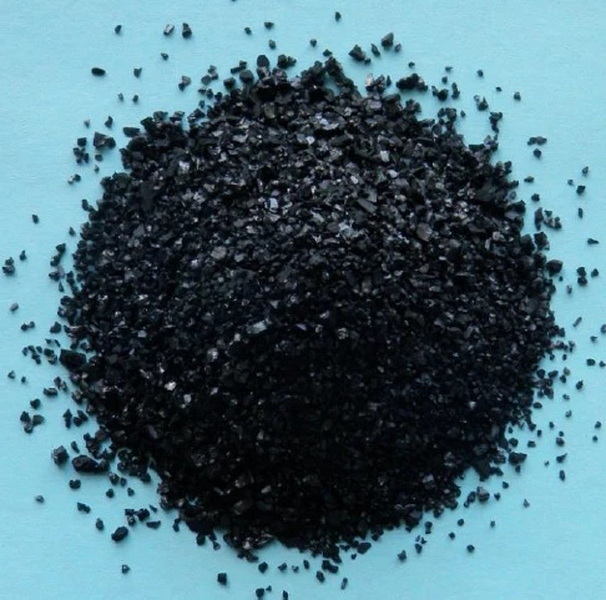
Granular activated carbon is a highly porous adsorbent made from coal, coconut shell, wood, or other carbon‑rich materials that are carbonized and activated to create a huge internal surface area. Because granular activated carbon has strong adsorption capacity, it is widely used to remove organic compounds, chlorine, VOCs, odors, color, and many trace pollutants from water, air, liquids, and gases.[5][2][6][1]
Granular activated carbon is typically produced as granules with particle sizes from about 0.2 to 5 mm, which allows good hydraulic performance in filters and contactors. Compared with powdered activated carbon, granular activated carbon is easier to handle in fixed beds, and it can often be thermally reactivated and reused, lowering lifecycle cost and environmental impact.[7][2][8][5]
Main Uses Of Granular Activated Carbon
Granular activated carbon is a core technology for municipal and industrial water treatment, where it removes taste, odor, color, pesticides, herbicides, and many organic contaminants. It is also used in groundwater remediation and industrial wastewater polishing to meet strict discharge regulations.[9][2][5]
In air and gas purification, granular activated carbon filters remove VOCs, odors, and toxic gases in industrial exhaust, building ventilation, and process gas streams. Granular activated carbon is also used in food and beverage decolorization, sugar refining, chemical and pharmaceutical purification, and even medical and agricultural applications.[10][4][11][1]
Buying Channels For Granular Activated Carbon
Granular activated carbon can be purchased directly from manufacturers, who offer standard and customized grades for water, air, food, chemical, and pharmaceutical applications. Many buyers also work with regional distributors or filtration system integrators who stock granular activated carbon and provide engineering support, system design, and after‑sales service.[2][3][1]
For smaller users or pilot projects, granular activated carbon is easy to buy through specialized online stores that sell bulk bags, drums, or smaller packages. Some technical marketplaces and B2B platforms list multiple granular activated carbon suppliers so buyers can compare grades, certifications, prices, and minimum order quantities.[12][3][13][14]
Where Industrial Users Buy Granular Activated Carbon
Industrial and municipal users typically buy granular activated carbon from dedicated activated carbon manufacturers that supply engineered products and technical support. These suppliers often have application specialists who help select the right granular activated carbon based on feedwater analysis, process conditions, and regulatory limits.[3][1][2]
Large buyers frequently use multi‑year supply contracts for granular activated carbon, including options for media replacement and thermal reactivation of spent carbon. Some companies operate reactivation kilns to handle spent granular activated carbon from drinking water, food‑grade, and industrial services, returning reactivated granular activated carbon to service and reducing waste.[5][7]
Where Small Users Buy Granular Activated Carbon
Small commercial and household users often buy granular activated carbon in smaller bags or cartridges from water treatment and air filtration retailers. These products include granular activated carbon for point‑of‑use drinking water filters, whole‑house units, aquarium filters, and odor control devices.[8][15][16]
Online specialty shops provide granular activated carbon in various package sizes, including fine, medium, and coarse granules for DIY filters, labs, and small equipment. Many of these vendors describe recommended uses and provide typical properties, helping non‑experts choose suitable granular activated carbon grades.[13][12]
Online Stores Selling Granular Activated Carbon
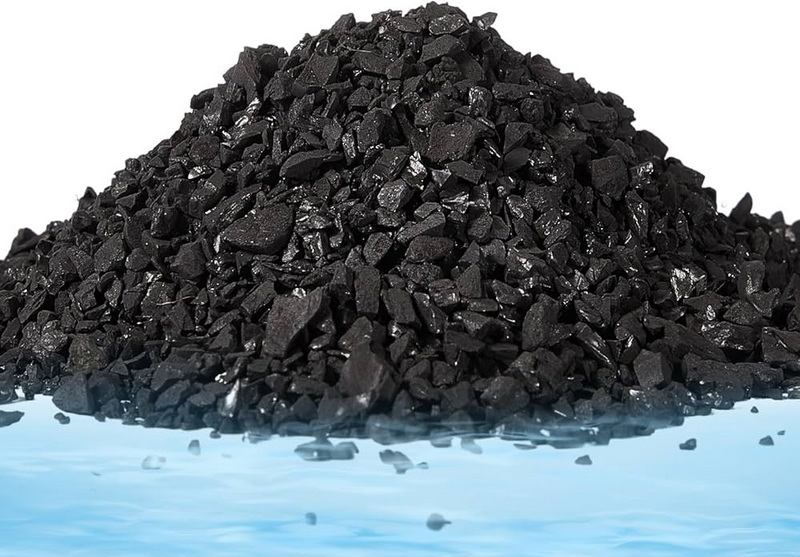
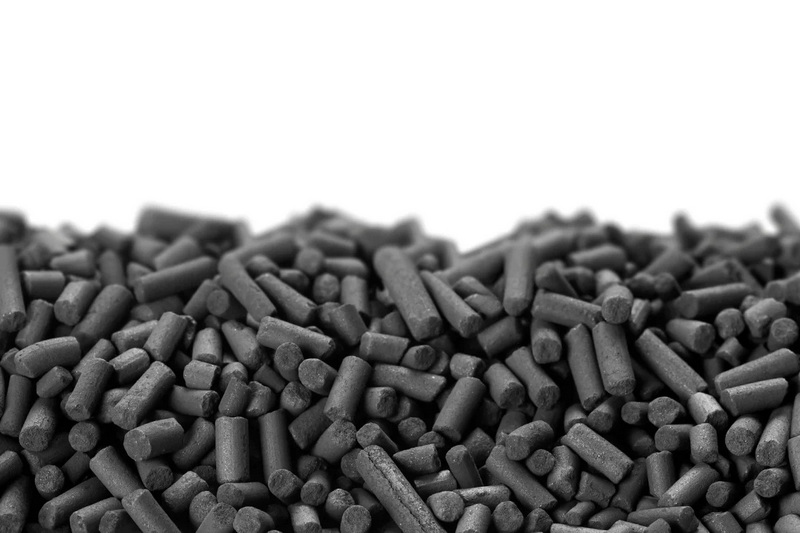
Several specialized e‑commerce sites focus on activated carbon and sell granular activated carbon for water, air, and industrial use in bulk and small quantities. These platforms typically list granular activated carbon, pelletized carbon, and powdered carbon, along with application guidance and basic technical data.[12][13]
Other suppliers position themselves as bulk charcoal and bulk activated carbon sellers offering granular activated carbon, pellets, and specialty carbons for a wide range of industries. Technical B2B catalog sites and marketplaces also feature verified suppliers of granular activated carbon where buyers can request quotes, check certifications, and compare offers.[14][17][3]
What To Check Before You Buy Granular Activated Carbon
When buying granular activated carbon, buyers should check raw material type, iodine number or surface area, particle size distribution, hardness, and ash content to ensure performance and durability. For water treatment, it is important to confirm granular activated carbon compliance with drinking water or food‑grade regulations, including relevant national or international standards.[1][2][8]
For air and gas applications, parameters such as activity (e.g., CTC number), bulk density, and specific impregnation are important to match granular activated carbon with the target contaminants. Buyers should also evaluate supplier experience, quality systems, logistics capabilities, and technical support when committing to long‑term granular activated carbon purchases.[11][10][3][1]
How Much Granular Activated Carbon Do You Need?
The amount of granular activated carbon required depends on contaminant concentration, flow rate, contact time, and the desired breakthrough time for your system. Design engineers usually size granular activated carbon beds based on empty bed contact time, adsorption isotherms, and safety factors derived from pilot tests or previous operating data.[6][2][8]
For small household systems, manufacturers pre‑define cartridge sizes and recommend replacement intervals based on typical usage and water quality assumptions. Industrial and municipal projects often run pilot columns with granular activated carbon to refine dosage, bed depth, and replacement frequency before full‑scale investment.[16][2][8]
Typical Applications When Buying Granular Activated Carbon
Many buyers purchase granular activated carbon specifically for municipal drinking water plants to remove organic matter, taste and odor compounds, and micropollutants. Industrial facilities buy granular activated carbon for process water polishing, wastewater treatment, and protection of critical equipment such as membranes, resins, and catalysts.[2][1]
Air and gas purification users buy granular activated carbon for VOC removal, odor control, and corrosion protection in exhaust streams, ventilation systems, and gas processing units. Food, beverage, and pharmaceutical plants use granular activated carbon to decolorize liquids, remove off‑flavors, and meet stringent purity specifications.[4][10][11][1]
Advantages Of Buying Granular Activated Carbon
Granular activated carbon provides high adsorption capacity, flexibility for both water and air treatment, and compatibility with many existing filtration systems. It is a physical treatment method that generally does not add chemicals to water or air, which is attractive for sensitive products and environmental compliance.[8][1][2]
Because granular activated carbon can often be thermally reactivated, many industrial users can send spent media to reactivation facilities and receive reactivated granular activated carbon, reducing cost and carbon footprint. Granular activated carbon is also widely available globally, with multiple suppliers and competitive pricing for most common grades.[7][3][5][1]
Working With A Professional Granular Activated Carbon Supplier
Professional granular activated carbon suppliers typically offer application engineering support, including media selection, lab testing, and pilot trials. They help define the appropriate granular activated carbon type and bed design based on contaminant profiles, flows, and required effluent quality.[3][1][2]
Many suppliers provide complete systems or partner with equipment manufacturers to deliver “media plus equipment” packages, such as granular activated carbon filters, pressure vessels, and skid‑mounted systems. Full‑service providers may also handle media change‑out, reactivation logistics, and performance monitoring for long‑term granular activated carbon installations.[15][5][1][3]
Conclusion
Granular activated carbon is an essential adsorbent used for water treatment, air and gas purification, and many process applications in food, beverages, chemicals, and pharmaceuticals. Buyers can obtain granular activated carbon from specialized manufacturers, distributors, and online platforms, but should always match granular activated carbon properties and supplier capabilities with their technical and regulatory requirements.[1][2][3][5]
Working with experienced granular activated carbon suppliers allows users to select the right grade, optimize system design, and benefit from services such as media change‑out and thermal reactivation. By carefully evaluating applications, specifications, and support, industrial and small users can confidently decide where to buy granular activated carbon for reliable, long‑term performance.[2][5][1]
FAQ About Buying Granular Activated Carbon
(1) How do I choose the right granular activated carbon supplier?
Choose a granular activated carbon supplier with proven experience in your application, strong quality systems, and the ability to provide technical support and testing. Check whether the supplier offers drinking‑water or food‑grade certified granular activated carbon, as well as options for reactivation and logistics support.[3][5][1][2]
(2) What information should I provide when requesting a quote for granular activated carbon?
When requesting a quote, share your application (water, air, or process), flow rate, contaminants of concern, and any standards you must meet. If available, provide water or gas analysis data so the supplier can recommend suitable granular activated carbon grades and estimate consumption or replacement intervals.[8][6][2]
(3) Is reactivated granular activated carbon suitable for my application?
Reactivated granular activated carbon is often suitable for many industrial and environmental applications and can significantly reduce cost and CO₂ footprint. For drinking water and food‑grade uses, reactivation must meet strict quality controls, and some users still prefer virgin granular activated carbon depending on regulations and risk tolerance.[7][5][8]
(4) Can I buy granular activated carbon in small quantities for pilot testing?
Many suppliers offer small bags, drums, or sample quantities of granular activated carbon specifically for pilot testing and lab work. Specialized online shops also sell granular activated carbon in smaller packages for trials, allowing you to evaluate performance before committing to large‑scale purchases.[13][12][3]
(5) What are common packaging options when buying granular activated carbon?
Granular activated carbon is usually supplied in 25 kg or 50 lb bags, big bags, and bulk tankers for large industrial customers. For smaller users, granular activated carbon can come in pre‑filled cartridges, small plastic containers, or sealed bags suitable for retail and light commercial applications.[17][15][3][8]
Citations:
[1](https://www.calgoncarbon.com/gac/)
[2](https://generalcarbon.com/understanding-granular-activated-carbon-for-water-treatment/)
[3](https://generalcarbon.com/bulk-carbon-bulk-charcoal-from-general-carbon/)
[4](https://www.everfilt.com/post/gac-activated-carbon-uses-benefits)
[5](https://puragen.com/uk/insights/granular-activated-carbon/)
[6](https://www.sciencedirect.com/topics/engineering/granular-activated-carbon)
[7](https://activated-carbon.com/insights/granular-activated-carbon/)
[8](https://wqa.org/wp-content/uploads/2022/09/2016_GAC.pdf)
[9](https://19january2021snapshot.epa.gov/sites/static/files/2015-04/documents/a_citizens_guide_to_activated_carbon_treatment.pdf)
[10](https://www.nafahq.org/2025/05/19/molecular-filtration/)
[11](https://joaairsolutions.com/blog/how-does-active-carbon-work/)
[12](https://activatedcarbondepot.com)
[13](https://activatedcarbondepot.com/collections/activated-carbon)
[14](https://www.accio.com/plp/activated_carbon)
[15](https://crystalquest.com/products/gac-water-filtration-system)
[16](https://www.health.state.mn.us/communities/environment/hazardous/topics/gac.html)
[17](https://buyactivatedcharcoal.com/buy-bulk-activated-charcoal.html)
[18](https://www.sciencedirect.com/science/article/pii/S2369969821000311)
[19](https://www.wwdmag.com/what-is-articles/article/10939799/what-is-granular-activated-carbon-gac)
[20](https://activatedcarbondepot.com/blogs/news/activated-carbon-in-the-oil-and-gas-industry-applications-in-refining-processes)


