Content Menu
● How Vapor Phase GAC Works
● Vapor Phase vs Liquid Phase Granular Activated Carbon
● Raw Materials and Pore Structure
● Typical Applications of Vapor Phase Granular Activated Carbon
● Design Features of Vapor Phase GAC Vessels
● Advantages of Vapor Phase Granular Activated Carbon
● Limitations and Considerations
● Example Uses in Key Industries
● Choosing the Right Vapor Phase GAC
● How Our Granular Activated Carbon Supports Vapor Phase Systems
● Conclusion
● FAQ About Vapor Phase Granular Activated Carbon
>> 1. What does “vapor phase granular activated carbon” mean?
>> 2. How is vapor phase granular activated carbon different from liquid phase GAC?
>> 3. Can vapor phase granular activated carbon be regenerated?
>> 4. What contaminants can vapor phase granular activated carbon remove?
>> 5. How do I size a vapor phase granular activated carbon vessel?
● Citations:
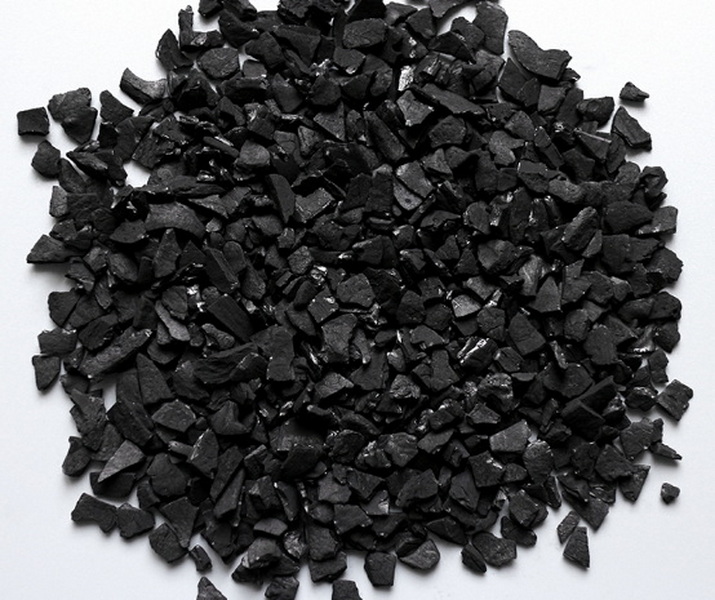
Vapor phase granular activated carbon is granular activated carbon specially selected and sized for treating air and gas streams, where contaminants are present as vapors rather than dissolved in water. It is widely used to remove volatile organic compounds (VOCs), odors, and hazardous air pollutants from industrial exhaust, remediation off‑gas, and storage tank vents.[1][2][3]
Vapor phase granular activated carbon (often called vapor phase GAC or VGAC) is a highly porous adsorbent used in packed beds or vessels to purify contaminated air and gas streams by adsorption. Instead of treating liquids, vapor phase granular activated carbon handles gases and vapors, capturing organic molecules and some inorganic species on the internal surface of each carbon granule.[4][2][5][1]
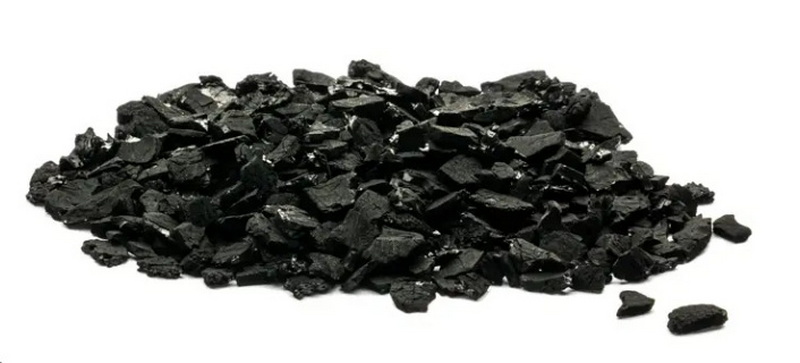
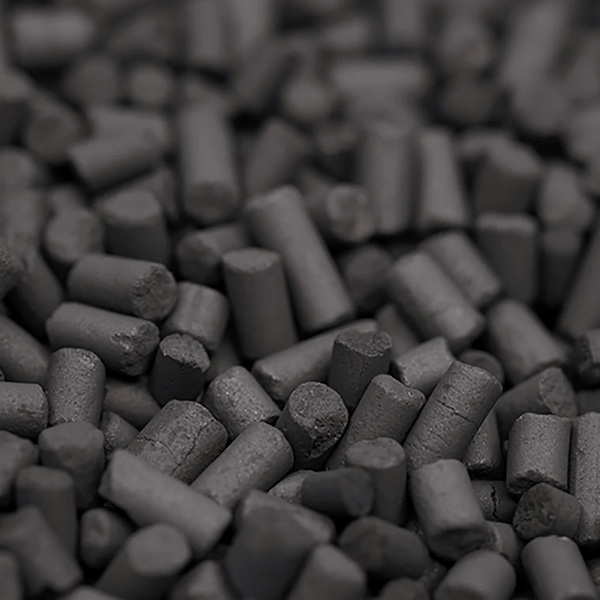
Vapor phase granular activated carbon is typically produced from high‑quality raw materials such as coal or coconut shell that are carbonized and steam‑activated at high temperature to create an enormous internal pore structure. The material is then processed into granular or pelletized forms, with common vapor phase granular activated carbon sizes such as 4×6, 4×8, or 4×10 mesh, optimized for air and gas applications.[6][7][8][1]
How Vapor Phase GAC Works
Vapor phase granular activated carbon works through physical adsorption: gas molecules diffuse into the pores of the granular activated carbon and are held on the carbon surface by Van der Waals forces and other interactions. Because each gram of granular activated carbon has a huge internal surface area, often in the range of hundreds to over a thousand square meters, it can hold significant quantities of organic vapors.[5][6][1][4]
In a vapor phase granular activated carbon vessel, contaminated gas flows through a fixed bed of granular activated carbon, usually in downflow configuration to minimize channeling. As the gas passes through, VOCs and other target contaminants transfer from the gas into the pores of the granular activated carbon, gradually loading the bed until breakthrough occurs and the carbon must be changed out or regenerated.[9][10][2][11]
Vapor Phase vs Liquid Phase Granular Activated Carbon
Both vapor phase and liquid phase granular activated carbon rely on the same adsorption mechanism, but they operate in different process conditions and use different particle size ranges. Liquid phase granular activated carbon is used to treat water and other liquids, often in sizes like 8×20 or 20×40 mesh, while vapor phase granular activated carbon typically uses larger particles such as 4×6 or 4×8 mesh to keep pressure drop low in air and gas systems.[7][12][1]
Because there is no bulk liquid water occupying pores, vapor phase granular activated carbon often provides higher adsorption capacity for organic vapors than liquid phase granular activated carbon treating the same compounds. However, at very high humidity levels approaching 100% relative humidity, water can begin to compete for adsorption sites so the capacity of vapor phase granular activated carbon becomes closer to that seen in liquid phase service.[10][5]
Raw Materials and Pore Structure
Most vapor phase granular activated carbon is made from carbon‑rich raw materials such as bituminous coal, lignite, or coconut shell. Coconut‑shell based granular activated carbon is especially popular for vapor phase use because it has high hardness, low dust and low ash, which help minimize attrition and fines carryover in air treatment vessels.[13][8][6]
During activation, the carbonized raw material is exposed to oxidizing gases like steam or carbon dioxide at high temperature, developing a network of micropores and mesopores inside the granular activated carbon. The detailed pore size distribution is tailored for specific vapor‑phase applications so the granular activated carbon can efficiently adsorb gasoline‑range organics, chlorinated solvents, or other VOCs from air and gas streams.[2][6][4][5]
Typical Applications of Vapor Phase Granular Activated Carbon
Vapor phase granular activated carbon is widely used in environmental remediation systems, including soil vapor extraction (SVE) off‑gas, air stripper off‑gas, and excavation venting. In these applications, contaminated vapors carrying VOCs or gasoline‑range organics are routed through granular activated carbon vessels to prevent emissions to the atmosphere.[9][2]
Industrial facilities use vapor phase granular activated carbon to treat process exhaust, storage tank vent gas, and odor emissions from chemical, petrochemical, and wastewater treatment processes. Vapor phase granular activated carbon is also applied in general odor control systems where nuisance odors from industrial or municipal sources must be reduced to meet regulations and community expectations.[11][3][2]
Design Features of Vapor Phase GAC Vessels
Vessels for vapor phase granular activated carbon are usually vertical steel or fiberglass tanks designed to ensure uniform gas distribution and minimize channeling through the granular activated carbon bed. Internal support screens, gas diffusers, and demisters are often used to support the granular activated carbon bed, catch fines, and prevent media loss.[14][2][11]
Bed depth and empty bed contact time (EBCT) are key parameters when designing vapor phase granular activated carbon systems, just as in liquid phase granular activated carbon systems. Deeper beds and longer contact times usually increase removal efficiency and service life of the granular activated carbon, but they must be balanced against pressure‑drop limits and vessel size constraints.[12][10][5]
Advantages of Vapor Phase Granular Activated Carbon
One of the main advantages of vapor phase granular activated carbon is its broad effectiveness against many different organic vapors, making it suitable for mixed‑contaminant streams where the exact composition may vary. Vapor phase granular activated carbon can significantly reduce emissions of VOCs and hazardous air pollutants, helping facilities meet air‑quality regulations and environmental permits.[3][15][2][5]
Another advantage is that spent vapor phase granular activated carbon can often be thermally reactivated in specialized facilities, restoring most of its adsorption capacity and allowing the granular activated carbon to be reused. This reactivation option reduces waste generation and lifecycle cost compared with single‑use media, especially in large remediation and industrial air treatment systems using high volumes of granular activated carbon.[15][16][5]
Limitations and Considerations
Although vapor phase granular activated carbon is highly effective, its capacity is finite, and breakthrough will occur once the internal pore structure of the granular activated carbon is saturated with contaminants. Operators must monitor inlet and outlet concentrations and pressure drop to determine when the vapor phase granular activated carbon bed requires changeout or regeneration.[2][5][9]
Certain contaminants, such as very polar gases or strongly reactive species, may not be effectively captured by standard vapor phase granular activated carbon and may require specially impregnated granular activated carbon grades. High humidity, high temperature, and the presence of particulate matter in the gas stream can also reduce performance and shorten the life of the granular activated carbon, so pretreatment and proper system design are essential.[17][10][5][2]
Example Uses in Key Industries
In the remediation sector, vapor phase granular activated carbon is commonly installed downstream of soil vapor extraction blowers, air strippers, and pump‑and‑treat systems to polish off‑gas before discharge. These systems often treat vapors containing chlorinated solvents such as PCE and TCE or petroleum hydrocarbons from contaminated sites, with the granular activated carbon capturing these pollutants prior to release.[3][9][2]
In the chemical and petrochemical industries, vapor phase granular activated carbon is used to treat process vents, loading operations, and storage tank breathing losses to control VOC emissions. Municipal and industrial wastewater treatment plants also use vapor phase granular activated carbon for odor control, removing sulfur‑containing gases and organic odorants from headspace air and biofilter exhaust.[17][15][2]
Choosing the Right Vapor Phase GAC
Selecting the right vapor phase granular activated carbon involves matching raw material, particle size, activity level, and impregnation to the specific contaminants and process conditions. Coconut‑shell based vapor phase granular activated carbon is often preferred for high‑hardness requirements, while coal‑based vapor phase granular activated carbon can be optimized for particular pore structures and cost targets.[8][13][4]
Engineers must consider gas flow rate, contaminant concentration, humidity, temperature, and acceptable pressure drop when sizing the vapor phase granular activated carbon vessel and determining bed depth. Working with an experienced granular activated carbon manufacturer or supplier helps ensure that the selected vapor phase granular activated carbon grade and system design will meet performance, safety, and regulatory requirements.[12][10][5][15]
How Our Granular Activated Carbon Supports Vapor Phase Systems
As a professional Chinese manufacturer and exporter of activated carbon, a full range of granular activated carbon products can be engineered for vapor phase air and gas treatment. Such granular activated carbon solutions can be tailored using coal‑based or coconut‑shell based materials with the appropriate particle size distribution to support different vapor phase applications.[13]
For customers in water treatment, air and gas purification, food and beverage, chemical, and pharmaceutical industries, customized granular activated carbon grades can be supplied along with technical support on vessel sizing, EBCT, and changeout strategies. By combining high‑quality granular activated carbon manufacturing with application engineering, users can achieve reliable performance in both vapor phase and liquid phase systems worldwide.[15][12]
Conclusion
Vapor phase granular activated carbon is a specialized form of granular activated carbon designed to remove contaminants from air and gas streams through adsorption, making it a critical technology for VOC control, odor removal, and remediation off‑gas treatment. By understanding how vapor phase granular activated carbon works, where it is applied, and how to size and select the right carbon grade, industrial users can design efficient, compliant, and cost‑effective air treatment systems for many sectors, from remediation to chemical processing and wastewater odor control.[1][10][2][3]
FAQ About Vapor Phase Granular Activated Carbon
1. What does “vapor phase granular activated carbon” mean?
Vapor phase granular activated carbon refers to granular activated carbon that is used to treat gases and vapors rather than liquids, typically in packed‑bed vessels for air treatment. It is optimized in particle size and pore structure to adsorb VOCs, odors, and other airborne contaminants from industrial or remediation off‑gas streams.[5][1][9][2]
2. How is vapor phase granular activated carbon different from liquid phase GAC?
Liquid phase granular activated carbon treats water and other liquids, often using smaller mesh sizes like 8×20 or 20×40, while vapor phase granular activated carbon uses larger particle sizes such as 4×6 or 4×8 to maintain low pressure drop in air systems. Vapor phase granular activated carbon typically offers higher adsorption capacity for organic vapors because water does not fill the pores, although high humidity can reduce this advantage.[7][10][1][5]
3. Can vapor phase granular activated carbon be regenerated?
Yes, spent vapor phase granular activated carbon is often thermally reactivated in specialized facilities, where adsorbed organics are burned off and most of the adsorption capacity is restored. After reactivation, the granular activated carbon can usually be reused in similar vapor phase applications, reducing waste disposal and lifecycle cost.[16][15][5]
4. What contaminants can vapor phase granular activated carbon remove?
Vapor phase granular activated carbon is effective for many VOCs, gasoline‑range organics, chlorinated solvents, and numerous odor‑causing organic compounds in air and gas streams. With impregnated grades of granular activated carbon, some inorganic gases such as sulfur compounds or certain acidic gases can also be controlled in specialized air treatment systems.[2][5][3]
5. How do I size a vapor phase granular activated carbon vessel?
Sizing a vapor phase granular activated carbon vessel requires defining gas flow rate, contaminant concentration, target outlet levels, humidity, and acceptable pressure drop, then selecting an appropriate bed depth and EBCT. Working with a granular activated carbon supplier allows engineers to use performance data and safety factors to determine the necessary volume and grade of vapor phase granular activated carbon for reliable operation.[10][15][12][5]
Citations:
[1](https://en.wikipedia.org/wiki/Activated_carbon)
[2](https://www.h2ktech.com/vgac-vessels/)
[3](https://www.calgoncarbon.com/remediation-air-treatment/)
[4](https://www.newterra.com/article/what-is-activated-carbon/)
[5](https://www.calgoncarbon.com/app/uploads/Basics-of-Activated-Carbon-Calgon-Carbon-Chemical-Engineering-Magazine.pdf)
[6](https://www.sciencedirect.com/topics/engineering/granular-activated-carbon)
[7](https://puragen.com/uk/insights/granular-activated-carbon/)
[8](https://shop.prmfiltration.com/products/4mm-vapor-phase-granular-activated-carbon)
[9](https://www.geotechenv.com/pdf/vapor_phase_remediation/gac_vapor_phase_250_2000.pdf)
[10](https://www.publications.usace.army.mil/portals/76/publications/engineerdesignguides/dg_1110-1-2.pdf)
[11](https://shop.prmfiltration.com/collections/vapor-phase-carbon-vessels)
[12](https://generalcarbon.com/liquid-phase-granular-activated-carbon-vessels-for-industrial-water-treatment/)
[13](https://hydrosilintl.com/remediation/hs-ac-air/)
[14](https://recofiltration.com/liquid-scrubbers)
[15](https://activatedcarbondepot.com/blogs/news/activated-carbon-in-the-oil-and-gas-industry-applications-in-refining-processes)
[16](https://wqa.org/wp-content/uploads/2022/09/2016_GAC.pdf)
[17](https://www.macwatertechnologies.com/granular-activated-carbon-water-filters)
[18](https://www.perplexity.ai/search/b6645348-2701-4a39-a891-865287f44f35)
[19](https://generalcarbon.com/understanding-granular-activated-carbon-for-water-treatment/)
[20](https://otm.illinois.edu/technologies/vapor-phase-removal-and-recovery-system-vaprrs)
[21](https://activatedcarbondepot.com/blogs/news/activated-carbon-filters)


