Content Menu
● How Powdered Activated Carbon Works
● Water And Wastewater Treatment
>> Drinking water and groundwater
>> Municipal and industrial wastewater
● Air And Gas Purification
● Food And Beverage Processing
● Chemical And Pharmaceutical Purification
● Environmental Remediation And Emergency Treatment
● Powdered vs. Granular Activated Carbon
● Benefits Of Using Powdered Activated Carbon
● Choosing The Right Powdered Activated Carbon
● Conclusion
● FAQ About Powdered Activated Carbon
>> 1) What is powdered activated carbon?
>> 2) What is powdered activated carbon used to treat?
>> 3) How is powdered activated carbon added and removed?
>> 4) What is the difference between powdered activated carbon and granular activated carbon?
>> 5) Is powdered activated carbon safe for food and pharmaceutical applications?
● Citations:
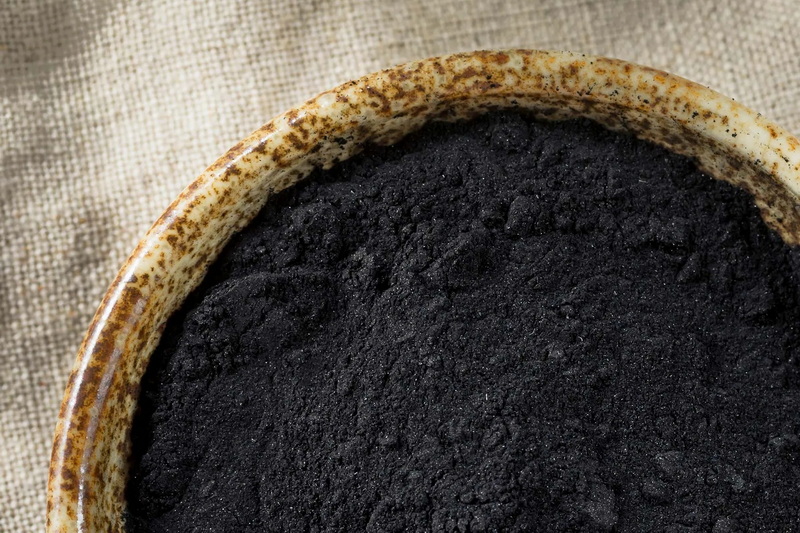
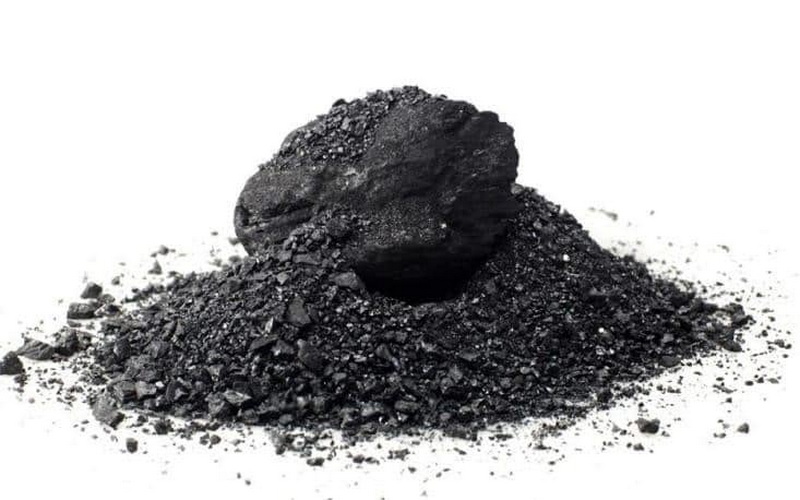
Powdered activated carbon is a finely ground form of activated carbon with very high surface area and fast adsorption kinetics, typically made from coal, wood or coconut shell. In treatment systems, powdered activated carbon is added as a slurry into water, wastewater, chemicals or process liquids, mixed for a short contact time, and then removed with filtration or sedimentation.[4][2][5][1]
In modern industry and environmental protection, powdered activated carbon is used to treat a wide range of contaminants, such as pesticides, taste and odor compounds, organic micro‑pollutants, color bodies, residual solvents, and volatile organic compounds in air and flue gas. This makes powdered activated carbon a key purification tool for municipal water plants, industrial wastewater facilities, food and beverage factories, chemical producers and pharmaceutical manufacturers.[6][2][7][3][4]
How Powdered Activated Carbon Works
The performance of powdered activated carbon comes from its extremely high internal surface area and complex pore structure, which provide millions of adsorption sites for dissolved and gaseous molecules. When powdered activated carbon is mixed into a liquid or gas stream, contaminants diffuse into the pores and are held on the carbon surface by physical adsorption forces.[2][3][8]
Because powdered activated carbon has very small particles, it offers a large external surface and short diffusion paths, so adsorption is fast even at relatively short contact times. After treatment, the spent powdered activated carbon (loaded with impurities) is removed using clarification, filtration or sludge handling systems, and fresh PAC is dosed again as needed.[5][1][4][2]
Water And Wastewater Treatment
Drinking water and groundwater
Powdered activated carbon is widely used in drinking water treatment plants to control taste and odor, remove pesticides and industrial organic chemicals, and reduce disinfection by‑product precursors. Typical powdered activated carbon dosing points are in the raw water line, rapid‑mix basins or contact tanks, so that PAC can adsorb contaminants before the water passes through clarification and filtration stages.[3][4][2][5]
In groundwater remediation, powdered activated carbon can be used to treat pumped water containing pesticides, hydrocarbons or other organic pollutants, often as part of a pump‑and‑treat system. Because powdered activated carbon can be dosed seasonally or during specific contamination events, it is especially useful when raw water quality changes with source or season.[4][2][3][5]
Municipal and industrial wastewater
In advanced wastewater treatment, powdered activated carbon is used as an additional adsorption step to remove organic micro‑pollutants such as pharmaceuticals, personal care products and industrial chemicals that are not fully eliminated in biological treatment. PAC can be added either in separate contact reactors after secondary clarification, or directly into biological treatment stages with subsequent removal in secondary clarifiers or tertiary filters.[9][10][11]
Studies show that powdered activated carbon dosing improves removal of dissolved organic matter and trace contaminants, often forming denser sludge flocs that settle faster and reduce overall sludge volume. However, powdered activated carbon dosing may require higher coagulant demand and careful optimization of pH, mixing intensity and sludge handling to control operating costs.[10][11][9]
Air And Gas Purification
Powdered activated carbon is also used to treat polluted air and industrial gas streams, especially where flexible injection and single‑use adsorption is preferred over fixed‑bed granular systems. In many applications, powdered activated carbon is pneumatically injected into ducts carrying flue gas or process gas, then captured in downstream bag filters or electrostatic precipitators.[12][2][3]
In waste‑to‑energy plants and other combustion systems, powdered activated carbon is used to remove mercury, dioxins, furans and volatile organic compounds (VOCs) from flue gas, and this approach has been identified as a best available technique in European reference documents. Powdered activated carbon is also used to treat industrial exhaust streams for VOCs and odors, and in some gasoline vapor recovery and process vent applications where short‑term or variable loads are present.[13][2][3][12]
Food And Beverage Processing
In the food and beverage industry, powdered activated carbon is used to treat liquids where color, odor, off‑tastes or trace contaminants must be removed without damaging product quality. Typical applications include decolorizing sugar and syrups, refining edible oils, improving the taste and clarity of beverages, and purifying food additives and organic acids.[6][2][4]
Powdered activated carbon is especially effective for decolorization, because its high surface area and pore structure can selectively adsorb colored compounds formed during processing or storage. Food‑grade powdered activated carbon products are manufactured under strict quality standards, with low ash, controlled pH and tight specifications for heavy metals and other potential contaminants to meet food safety regulations.[2][4][6]
Chemical And Pharmaceutical Purification
The chemical industry uses powdered activated carbon to treat liquid chemicals, intermediates and solvents by removing color bodies, trace organics and unwanted by‑products. In bulk and fine chemical production, powdered activated carbon is often added in batch reactors or holding tanks, mixed for a defined time, and then filtered out before downstream processing.[7][14][3]
In the pharmaceutical sector, powdered activated carbon is a critical tool for purifying active pharmaceutical ingredients (APIs), intermediates and fermentation broths, as well as for decolorization and removal of organic impurities and residual catalysts. Pharmaceutical‑grade powdered activated carbon is manufactured to high purity, often acid‑washed and tightly controlled for trace metals, to avoid introducing impurities into sensitive drug products.[15][6]
Environmental Remediation And Emergency Treatment
Powdered activated carbon is used in environmental remediation projects to treat contaminated surface water, groundwater or industrial spills by adsorbing organic pollutants such as pesticides, hydrocarbons and industrial chemicals. Because powdered activated carbon can be quickly mobilized and dosed in temporary systems, it is well suited for emergency response, pilot trials and short‑term remediation campaigns.[3][5][2]
In some cases, powdered activated carbon is applied as a “polishing” step after other treatments such as coagulation, biological treatment or membrane filtration, to reduce trace contaminants to very low levels before discharge or reuse. Powdered activated carbon is also used in point‑of‑use or point‑of‑entry systems as a final barrier against taste, odor or residual organics in drinking water, although granular products are more common for small domestic filters.[16][9][12][5]
Powdered vs. Granular Activated Carbon
| Aspect | Powdered activated carbon (PAC) | Granular activated carbon (GAC) |
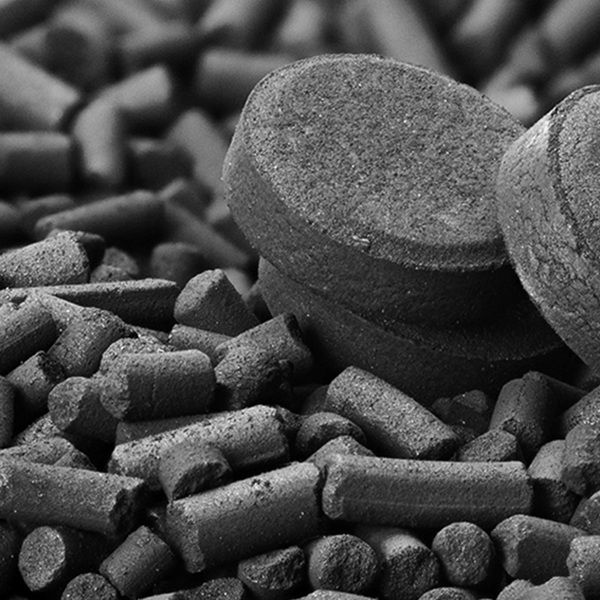
| Typical particle size | Very fine, usually smaller than about 0.18 mm or 80–100 mesh activatedcarbon+1 | Larger granules around 0.5–4 mm in fixed beds suezwaterhandbook+1 |
| Adsorption speed | Fast kinetics and short contact time because of fine particles allcarbontech+1 | Slower kinetics, but suitable for continuous flow allcarbontech+1 |
| Operating mode | Dosed as a slurry, single‑use then separated and disposed huber-se+1 | Used in packed beds, can be thermally regenerated suezwaterhandbook+1 |
| Best suited applications | Short‑term, seasonal, emergency or batch treatments allcarbontech+1 | Long‑term continuous filtration, stable loads allcarbontech+1 |
| Typical treatment targets | Micropollutants, color, taste, odor, trace organics activatedcarbon+1 | General removal of organics in water and air wikipedia+1 |
Selecting between powdered activated carbon and granular activated carbon depends on process configuration, contact time, contaminant profile, and whether regeneration infrastructure is available. Many facilities combine both forms, using powdered activated carbon for peak loads, seasonal problems or specific micropollutant control, and granular activated carbon for base‑load purification.[17][2][3]
Benefits Of Using Powdered Activated Carbon
Using powdered activated carbon offers several benefits for operators who need flexible, high‑performance treatment of water, wastewater, air, gases and process liquids. PAC systems usually require lower capital investment, because there is no need for large fixed adsorption vessels; instead, dosing and mixing equipment is used, and the powdered activated carbon is removed in existing clarification or filtration steps.[1][2][3]
For many applications, powdered activated carbon provides fast, reliable removal of organic contaminants, color, taste and odor compounds, and trace micro‑pollutants at relatively low specific dosages. With suitable quality grades, powdered activated carbon can meet strict regulatory requirements in sensitive industries such as food, beverage and pharmaceuticals, while keeping operating costs under control.[10][15][4][6][2]
Choosing The Right Powdered Activated Carbon
In practice, the performance of powdered activated carbon depends on raw material, activation method, particle size and pore size distribution, so different applications often require different grades. Water treatment plants typically use powdered activated carbon optimized for taste, odor and pesticide removal, while food and pharmaceutical plants select high‑purity, low‑ash PAC designed for decolorization and removal of specific organic impurities.[15][4][6][2]
When selecting powdered activated carbon, key parameters to consider include iodine number or surface area (overall adsorption capacity), methylene blue number (mesopore activity), particle size distribution (kinetics and handling), ash content, pH and any relevant certification such as drinking water or food‑grade approvals. Pilot tests or jar tests are often used to compare different powdered activated carbon products and determine the optimal dosage and contact time for each process.[5][4][2]
Conclusion
Powdered activated carbon is a versatile treatment material used to treat contaminated water and wastewater, polluted air and flue gas, and high‑value liquids in food, beverage, chemical and pharmaceutical processes. Because powdered activated carbon combines fast adsorption with flexible dosing and simple removal in existing clarification or filtration steps, it is especially valuable for seasonal issues, emergency pollution events and advanced polishing of trace contaminants.[1][4][6][10][2][3]
Across industries, selecting the right powdered activated carbon grade and optimizing dosage, contact time and separation steps are essential to achieve stable, cost‑effective performance and meet increasingly strict regulatory and quality requirements. As environmental standards tighten and product purity expectations rise, powdered activated carbon will continue to play a central role in industrial and environmental treatment systems worldwide.[7][2][3][15][5]
FAQ About Powdered Activated Carbon
1) What is powdered activated carbon?
Powdered activated carbon is a finely ground activated carbon with small particle size and very high internal surface area, produced from raw materials like coal, wood or coconut shell. It is supplied as a loose powder and dosed as a slurry into liquids or gas streams for single‑use adsorption treatment.[12][4][2][1]
2) What is powdered activated carbon used to treat?
Powdered activated carbon is used to treat drinking water, groundwater and wastewater for pesticides, taste, odor and organic micro‑pollutants, as well as to purify food and beverage products, chemicals, pharmaceuticals and polluted flue gas. It is particularly effective as an advanced polishing step to remove trace contaminants that are difficult to handle with conventional treatment alone.[4][6][10][3][5]
3) How is powdered activated carbon added and removed?
In most plants, powdered activated carbon is stored in a silo or bags, mixed with water to form a slurry, and dosed into a rapid‑mix tank, contact basin or process vessel. After the powdered activated carbon adsorbs contaminants, it is removed together with sludge or solids using clarification, filtration or bag filters, and then handled as spent carbon or sludge for disposal or regeneration.[9][10][2][1]
4) What is the difference between powdered activated carbon and granular activated carbon?
Powdered activated carbon has much smaller particles and is used in slurry form for single‑use treatments, while granular activated carbon is used in fixed beds that can be backwashed and thermally regenerated. Powdered activated carbon is best for short‑contact, batch or emergency treatments, whereas granular activated carbon is typically chosen for continuous filtration with stable loading.[8][17][2][3]
5) Is powdered activated carbon safe for food and pharmaceutical applications?
Food and pharmaceutical‑grade powdered activated carbon is manufactured under strict quality standards with controlled ash content, neutral pH and limits on heavy metals and other impurities. When the correct certified grade is selected and used according to good manufacturing practices, powdered activated carbon is widely accepted for decolorization and impurity removal in food and pharmaceutical production.[6][15]
Citations:
[1](https://www.huber-se.com/en-us/applications-and-solutions/detail/adsorption-process-powdered-activated-carbon-pac/)
[2](https://allcarbontech.com/powder-activated-carbon/)
[3](https://puragen.com/uk/insights/what-is-powder-activated-carbon/)
[4](https://activatedcarbon.com/products/powdered-activated-carbon)
[5](https://www.racoman.com/blog/activated-carbon-wastewater-treatment-explained)
[6](https://www.westerncarbon.com/powdered-activated-carbon-food-pharma/)
[7](https://activated-carbon.com/applications/chemicals-pharmaceuticals/)
[8](https://en.wikipedia.org/wiki/Activated_carbon)
[9](https://iwaponline.com/wpt/article/19/11/4303/105447/Practical-implications-of-adding-powdered)
[10](https://pmc.ncbi.nlm.nih.gov/articles/PMC6637097/)
[11](https://www.sciencedirect.com/science/article/abs/pii/S0045653516306130)
[12](https://www.calgoncarbon.com/powdered-activated-carbon/)
[13](https://www.huber-se.com/applications-and-solutions/detail/adsorption-process-powdered-activated-carbon-pac/)
[14](https://medaad.com/powder-activated-carbon/)
[15](https://www.chemviron.eu/activated-carbon-solutions-for-pharma-industry/)
[16](https://www.atlascarbon.com/what-is-activated-carbon)
[17](https://www.suezwaterhandbook.com/water-and-generalities/fundamental-physical-chemical-engineering-processes-applicable-to-water-treatment/adsorption/applied-activated-carbon-principles)
[18](https://en.wikipedia.org/wiki/Powdered_activated_carbon_treatment)
[19](https://www.sciencedirect.com/topics/engineering/powdered-activated-carbon)
[20](https://www.sciencedirect.com/science/article/abs/pii/S0959652614008300)


