Content Menu
● What is powdered activated carbon
● How powdered activated carbon works
● Powdered activated carbon in drinking water treatment
● Powdered activated carbon in wastewater and micropollutant removal
● Powdered activated carbon for air and flue‑gas purification
● Food and beverage applications
● Chemical and pharmaceutical uses
● Emergency, seasonal, and batch treatment
● Advantages of powdered vs granular activated carbon
● Key selection factors for powdered activated carbon
● Typical industries using powdered activated carbon
● Practical handling and dosing of powdered activated carbon
● Conclusion
● FAQ About Powdered Activated Carbon
>> (1) How is powdered activated carbon different from granular activated carbon?
>> (2) What contaminants can powdered activated carbon remove from water?
>> (3) Is powdered activated carbon safe for food and beverage applications?
>> (4) Can powdered activated carbon be regenerated and reused?
>> (5) How do I choose the right powdered activated carbon for my application?
● Citations:
What is powdered activated carbon used for? Powdered activated carbon is used mainly for water and wastewater treatment, air and flue‑gas purification, and liquid‑phase decolorization and decontamination in food, beverage, chemical, and pharmaceutical processes. Because powdered activated carbon (PAC) can be dosed flexibly and removed after use, it is ideal for temporary, seasonal, or emergency pollution problems in both municipal and industrial systems.[1][2][3][4]
What is powdered activated carbon
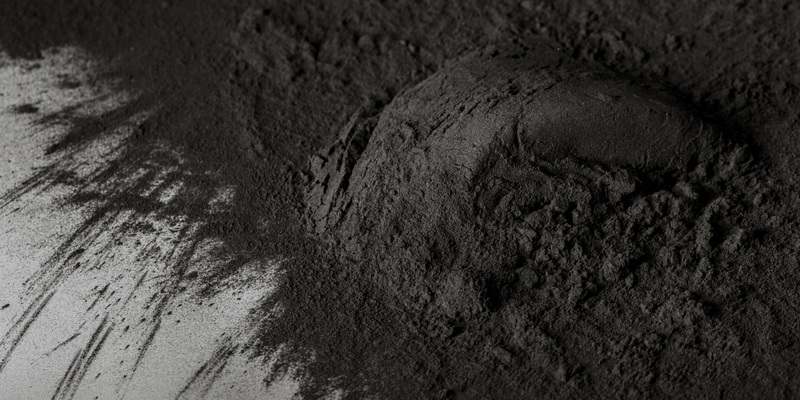
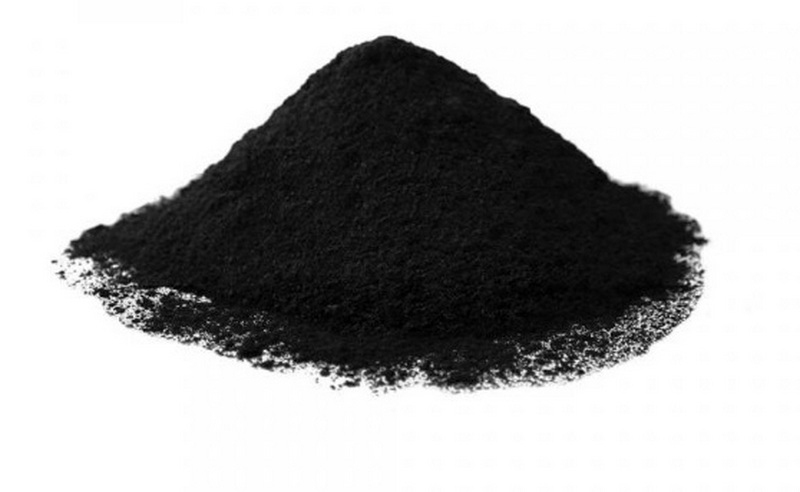
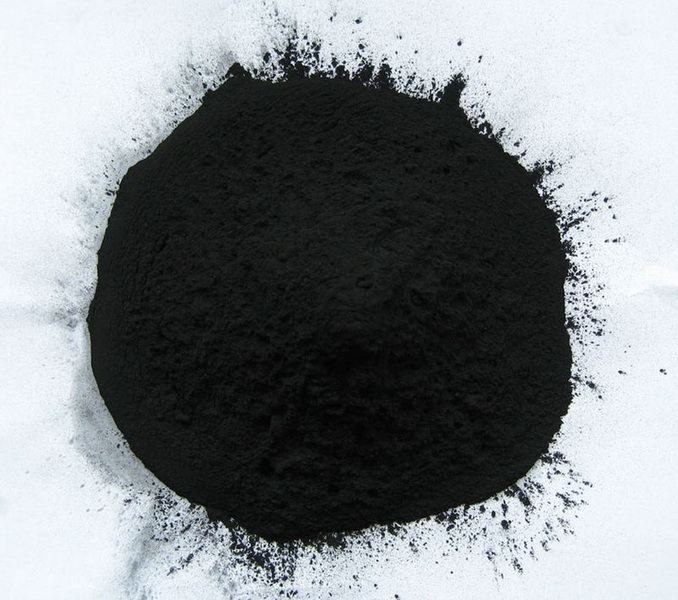
Powdered activated carbon is a very fine activated carbon, typically with particle size below about 0.18–0.20 mm, produced from coal, wood, coconut shell or other carbonaceous materials and then ground to powder. Its enormous internal surface area and predominantly microporous structure make powdered activated carbon extremely effective for adsorbing dissolved and gaseous contaminants at relatively short contact times.[5][6][7][1]
Typical powdered activated carbon products are supplied either as dry powder or as a pumpable slurry, and can be dosed directly into water, wastewater, process liquids, or flue‑gas streams. After adsorption, powdered activated carbon is removed together with sludge or by filtration, making it a “dose‑and‑dispose” or “dose‑and‑separate” technology rather than a fixed bed.[2][3][6][4]
How powdered activated carbon works
Powdered activated carbon works through adsorption, where molecules from water, air or liquid phases attach to the internal surface of the carbon pores by physical forces and, in some cases, chemisorption. Because PAC has extremely fine particles, it disperses quickly, maximizes contact with contaminants, and reaches adsorption equilibrium faster than coarser granular activated carbon.[3][1][5]
In water and wastewater, powdered activated carbon is usually dosed as a slurry into a contact tank or flocculation basin, mixed for a defined time, and then removed with flocs or through a polishing filter. In air and flue‑gas applications, powdered activated carbon is injected into the gas stream, where it adsorbs mercury, dioxins, furans, and other pollutants before being captured in downstream dust collectors.[8][7][1][3]
Powdered activated carbon in drinking water treatment
One of the largest application fields for powdered activated carbon is municipal drinking water treatment, especially for seasonal taste and odor control and removal of organic micropollutants. Utilities dose PAC upstream of clarification or filtration to remove geosmin, MIB, pesticides, industrial organics, and natural organic matter that cause color and off‑flavors.[9][1][3]
Because powdered activated carbon can be added only when needed and at adjustable dosages, it is very attractive for surface water plants facing periodic algal blooms or accidental contamination events. For small systems, PAC allows advanced adsorption treatment without the capital cost of granular activated carbon contactors, since it can be used in existing basins and then removed with the sludge.[10][1][3][9]
Powdered activated carbon in wastewater and micropollutant removal
Powdered activated carbon is increasingly used in advanced wastewater treatment to remove trace organic micropollutants such as pharmaceuticals, personal care products, and endocrine‑disrupting compounds. PAC is typically dosed into biologically treated effluent, mixed to allow adsorption, and then separated by sedimentation, flotation, or membrane filtration.[4][10]
Studies show that powdered activated carbon dosing can significantly improve removal of effluent organic matter and micropollutants, although it may increase coagulant demand and requires optimization of pH and mixing conditions. In many cases, PAC addition also improves sludge characteristics by forming larger, denser flocs that settle faster and can reduce sludge volume.[10][4]
Powdered activated carbon for air and flue‑gas purification
In air purification, powdered activated carbon is injected into gas streams to remove mercury, dioxins, furans, acid gases, and volatile organic compounds from industrial emissions. Cement plants, waste incinerators, power stations, and other industrial facilities use PAC injection systems with bag filters or electrostatic precipitators to meet strict emission limits.[11][7][8]
Special impregnated powdered activated carbon grades enhance capture of specific pollutants like mercury or acid gases without harming product quality in processes such as cement manufacturing. Because the PAC is dosed according to operating conditions, it provides flexible control for variable flue‑gas loads and changing regulations.[7][8]
Food and beverage applications
Powdered activated carbon is widely used in the food and beverage sector to improve color, taste, and purity of products such as sugar, edible oils, syrups, juices, wine, beer, and soft drinks. Food‑grade powdered activated carbon removes color bodies, off‑flavors, odors, polycyclic aromatic hydrocarbons, pesticide residues, and other trace organics while meeting strict safety standards like the Food Chemical Codex.[12][13][14]
In sugar refining, powdered activated carbon is used for decolorization of syrups and to help achieve consistent brightness and taste. Edible oil refineries employ PAC to reduce contaminants such as PAHs and to improve oxidative stability, while beverage producers use powdered activated carbon to refine wines, juices, and spirits and to polish process water and carbon dioxide.[13][15][16][12]
Chemical and pharmaceutical uses
In chemical manufacturing, powdered activated carbon is used to purify intermediates, solvents, and final products by removing trace organics, color bodies, catalysts, and by‑products. PAC can be added to reaction or crystallization steps and then removed by filtration, allowing tight control of product purity without major process modifications.[17][18]
Pharmaceutical producers use high‑purity powdered activated carbon to decolorize APIs, remove genotoxic impurities, and polish process water while complying with pharmacopeial requirements. In some cases, PAC is also used in formulations as an adsorbent excipient, for example in oral charcoal products designed to bind toxins in the gastrointestinal tract, subject to regulatory approvals.[14][5][7]
Emergency, seasonal, and batch treatment
Because it can be quickly dosed and easily removed, powdered activated carbon is particularly valuable for emergency response and short‑term treatment campaigns. Water utilities and industrial plants often store PAC so that they can respond rapidly to accidental spills, algal toxins, or sudden odor events without building permanent granular activated carbon systems.[6][1][3]
Powdered activated carbon also fits naturally into batch processes, where a defined volume of liquid is treated to a target quality and then discharged. In these cases, operators simply adjust the PAC dose based on contaminant level, contact time, and desired removal, making it a very flexible tool for variable feed streams.[3][6]
Advantages of powdered vs granular activated carbon
Compared with granular activated carbon, powdered activated carbon offers several process and economic advantages in specific applications. The fine particle size of powdered activated carbon provides faster kinetics and better dispersion, which is ideal for short‑contact or intermittently operated systems where building a fixed GAC bed is not justified.[18][5][3]
PAC systems typically require lower capital investment because dosing equipment and mixing tanks are simpler than pressurized GAC adsorbers and their associated infrastructure. Powdered activated carbon can also be used on a “throwaway” basis, eliminating the need for on‑site reactivation facilities that are often impractical for small or medium‑sized plants.[6][3]
Key selection factors for powdered activated carbon
When selecting powdered activated carbon, users consider raw material type (coal, wood, coconut, etc.), iodine number or surface area, pore size distribution, pH, ash content, and particle size distribution. Water treatment PAC often emphasizes low impurities and optimized pore structure for natural organic matter and micropollutant adsorption, while food and pharma grades must meet strict purity and regulatory standards.[19][5][12]
Practical factors such as wet or dry delivery form, dust behavior, flowability, and compatibility with existing dosing systems are also important in real plants using powdered activated carbon. Many suppliers now offer targeted PAC grades for specific applications such as algal toxin control, pesticide removal, mercury capture, or edible oil purification to maximize performance and operational safety.[15][2][19][6]
Typical industries using powdered activated carbon
Powdered activated carbon is now an essential material across a wide range of industrial, environmental, and consumer‑related sectors. Beyond municipal water and wastewater treatment, PAC is used in power generation, waste incineration, cement and steel production, food and beverage, pharmaceuticals, fine chemicals, and even mining and gas processing.[2][17][18]
In many of these industries, powdered activated carbon provides a critical barrier for regulatory compliance by removing trace toxic substances before discharge to the environment or before human consumption. As regulations tighten worldwide, demand for optimized, application‑specific powdered activated carbon solutions continues to grow.[17][19][15][10]
Practical handling and dosing of powdered activated carbon
Powdered activated carbon is usually delivered in bags, big bags, or bulk silos and transferred to wetting and slurry preparation systems before dosing. Operators must control dust, use explosion‑safe equipment where required, and ensure good wetting to prevent floating and improve dispersion in water or liquids.[2][6]
In air and flue‑gas applications, powdered activated carbon is metered by screw feeders or pneumatic conveying systems into the gas stream, with dosing rates adjusted according to pollutant loading and stack monitoring. Regular calibration, safety procedures, and housekeeping are essential to maintain consistent PAC performance and protect workers.[8][6]
Conclusion
Powdered activated carbon is a highly versatile adsorbent used wherever flexible, high‑performance purification is required in water, wastewater, air, and liquid‑phase processes. From drinking water taste and odor control to wastewater micropollutant removal, flue‑gas mercury capture, and food, chemical, and pharmaceutical purification, powdered activated carbon plays a central role in modern environmental protection and product quality assurance.[1][12][10][2]
By choosing the right grade of powdered activated carbon and optimizing dosing, contact time, and separation, operators can achieve reliable contaminant removal while balancing treatment cost, regulatory obligations, and sustainability targets. For industrial users and utilities worldwide, powdered activated carbon remains one of the most practical and powerful tools for meeting increasingly demanding purity and emission standards.[18][19][15][17]
FAQ About Powdered Activated Carbon
(1) How is powdered activated carbon different from granular activated carbon?
Powdered activated carbon has a much smaller particle size than granular activated carbon, which gives faster adsorption kinetics and easier dispersion but makes continuous fixed‑bed operation impractical. Granular activated carbon is typically used in packed beds for long‑term, regenerable service, while powdered activated carbon is dosed as a slurry or injected and then removed with sludge or filters.[5][3][18]
(2) What contaminants can powdered activated carbon remove from water?
Powdered activated carbon can remove natural organic matter, taste‑ and odor‑causing compounds, algal toxins, pesticides, industrial organics, and many trace pharmaceuticals from water and wastewater. Actual removal performance depends on the PAC grade, dosage, contact time, competing organics, and overall water chemistry, so jar testing or pilot trials are recommended.[9][1][10]
(3) Is powdered activated carbon safe for food and beverage applications?
Food‑grade powdered activated carbon produced under appropriate standards is widely used for decolorization and purification in sugar, edible oils, beverages, and other food processes. These products comply with regulations such as Food Chemical Codex specifications and are designed to be removed completely or to remain within safe residual limits as defined by local authorities.[16][12][13]
(4) Can powdered activated carbon be regenerated and reused?
In most drinking water and wastewater applications, powdered activated carbon is used once and then disposed of with sludge or incinerated, because fine powders are difficult to handle in reactivation systems. However, in some industrial settings, off‑site regeneration or energy recovery from spent PAC is possible when volumes and logistics justify it.[3][6]
(5) How do I choose the right powdered activated carbon for my application?
Selection of powdered activated carbon should consider raw material, adsorption capacity, pore structure, ash content, particle size, and compliance with relevant standards such as drinking water, food, or pharma regulations. Many suppliers provide application‑specific PAC grades and support trial programs, which help match powdered activated carbon performance to your particular contaminants, process conditions, and cost targets.[19][5][2]
Citations:
[1](https://en.wikipedia.org/wiki/Powdered_activated_carbon_treatment)
[2](https://www.calgoncarbon.com/powdered-activated-carbon/)
[3](https://wcponline.com/2002/11/21/gacpac-use-powdered-activated-carbon-potable-water-treatment-small-systems/)
[4](https://www.huber-se.com/en-us/applications-and-solutions/detail/adsorption-process-powdered-activated-carbon-pac/)
[5](https://www.sciencedirect.com/topics/engineering/powdered-activated-carbon)
[6](https://generalcarbon.com/facts-about-activated-carbon/powdered-activated-carbon/)
[7](https://en.wikipedia.org/wiki/Activated_carbon)
[8](https://www.carbon-service.de/en/carbon/gas-purification)
[9](https://guidelines.nhmrc.gov.au/australian-drinking-water-guidelines/part-5/treatment-chemicals/carbon-powdered-activated)
[10](https://iwaponline.com/wpt/article/19/11/4303/105447/Practical-implications-of-adding-powdered)
[11](https://activatedcarbondepot.com/blogs/news/activated-carbon-in-air-purification-its-role-in-improving-indoor-air-quality)
[12](https://www.haycarb.com/activated-carbon-solutions/food-beverages/)
[13](https://www.suneetacarbons.com/blog/activated-carbon-in-food-beverage-processing-enhancing-quality-and-safety/)
[14](https://www.carbonactivo.com/en/activated-carbon-in-the-food-industry/)
[15](https://www.bygen.com.au/post/emerging-trends-in-activated-carbon-technologies)
[16](https://www.donau-carbon-us.com/Downloads/Lebensmittelindustrie.aspx)
[17](https://activated-carbon.com/insights/what-is-activated-carbon-used-for/)
[18](https://sodimate-inc.com/activated-carbon-types-applications-advantages/)
[19](https://www.huameicarbon.com/the-science-and-solution-of-powdered-activated-carbon-in-water-treatment/)
[20](https://www.suezwaterhandbook.com/water-and-generalities/fundamental-physical-chemical-engineering-processes-applicable-to-water-treatment/adsorption/applied-activated-carbon-principles)


