Content Menu
● What Is Granular Activated Carbon Good For?
● How Granular Activated Carbon Works
● Granular Activated Carbon for Water Treatment
>> Drinking Water Purification
>> Industrial Wastewater and Process Water
● Granular Activated Carbon for Air and Gas Purification
● Granular Activated Carbon in Food and Beverage
● Granular Activated Carbon in Chemical and Pharmaceutical Processing
● Other Industrial Uses of Granular Activated Carbon
● Reactivation and Sustainability of Granular Activated Carbon
● Choosing the Right Granular Activated Carbon
● Conclusion
● FAQ About Granular Activated Carbon
>> (1) What is granular activated carbon made from?
>> (2) How long does granular activated carbon last in a filter?
>> (3) Can granular activated carbon remove all contaminants from water?
>> (4) What is the difference between granular activated carbon and powdered activated carbon?
>> (5) Is granular activated carbon environmentally friendly?
● Citations:
As a versatile filtration and purification medium, granular activated carbon is widely used to clean water, purify air and gases, decolorize and refine food and beverages, and protect sensitive chemical and pharmaceutical processes from organic contaminants and off‑odors. Because granular activated carbon can often be thermally reactivated and reused, it offers both strong performance and attractive lifecycle cost advantages in industrial applications.[1][2][3]
What Is Granular Activated Carbon Good For?
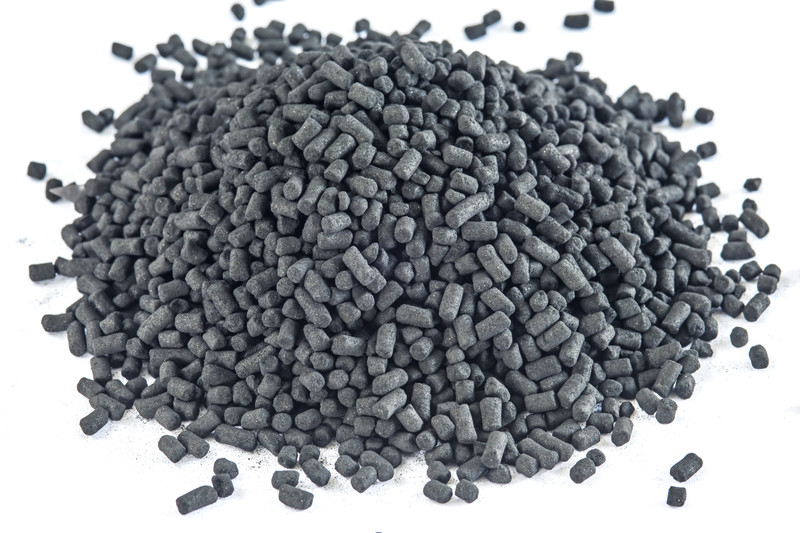
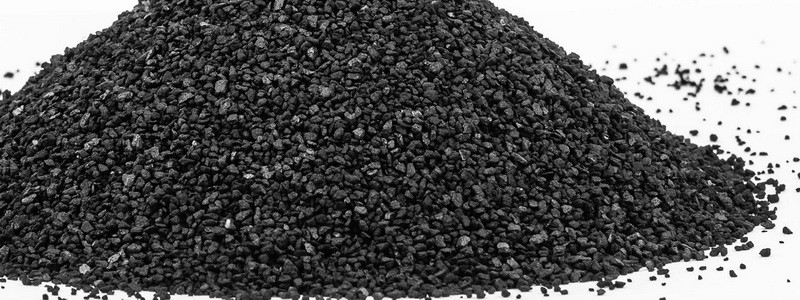
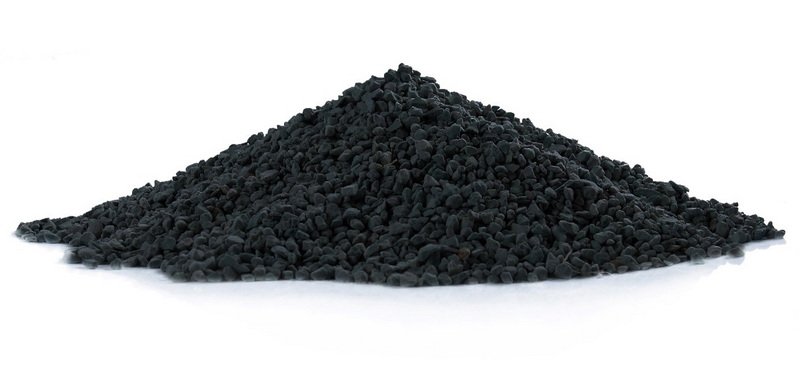
Granular activated carbon (GAC) is a form of activated carbon with particle sizes typically ranging from about 0.2 to several millimeters, designed for fixed‑bed and moving‑bed filtration systems in liquids and gases. Thanks to its highly porous structure and enormous internal surface area, granular activated carbon can adsorb a wide spectrum of organic molecules, chlorine, taste and odor compounds, and some dissolved inorganic species from process streams.[2][3][4][5]
In practical terms, granular activated carbon is good for applications where continuous, regenerable adsorption media is needed, such as municipal drinking water treatment, industrial wastewater polishing, VOC and odor control in exhaust air, and critical purification in food, beverage, and pharmaceutical manufacturing. Modern GAC systems range from small point‑of‑use filters to large industrial columns and can be engineered for specific contaminants by selecting raw material, activation method, particle size, and any special impregnation.[6][7][1][2]
How Granular Activated Carbon Works
Granular activated carbon works primarily through adsorption, where dissolved or gaseous molecules adhere to the internal surface of the carbon's pore structure rather than being chemically reacted or precipitated. During operation, contaminated water or gas passes through a GAC bed, and target compounds diffuse into the pores and become retained, allowing purified fluid to exit the system.[3][8][2][6]
The performance of granular activated carbon depends on several factors, including pore size distribution, surface chemistry, contact time, temperature, and concentration of contaminants. As the GAC becomes saturated, its adsorption capacity is gradually exhausted, at which point the media must be replaced or thermally reactivated to restore performance.[9][1][6][3]
Granular Activated Carbon for Water Treatment
Drinking Water Purification
One of the most important uses of granular activated carbon is in municipal and industrial drinking water systems, where it removes natural organic matter, synthetic organic chemicals, pesticides, herbicides, and disinfection by‑product precursors. GAC is widely used to improve taste, odor, and color and to reduce chlorine and other residual oxidants before distribution or further treatment.[10][4][5][2]
Granular activated carbon filters can be configured as fixed beds in gravity filters, pressure vessels, or contactors, often installed after conventional clarification and sand filtration. In many regions, tighter regulations on organic micropollutants and disinfection by‑products have driven broader adoption of GAC as a key barrier technology for safe drinking water.[11][12][2][3]
Industrial Wastewater and Process Water
In industrial wastewater treatment, granular activated carbon is used to polish effluents by adsorbing residual organics, dyes, and trace toxic compounds that are difficult to remove with biological or physical methods alone. Industries such as chemicals, petrochemicals, and textiles rely on GAC to help meet stringent discharge requirements and to protect downstream biological treatment systems from inhibitory substances.[13][14][7][2]
Granular activated carbon is also applied to high‑purity process water systems, where it helps control organic carbon levels, remove residual disinfectants, and protect membranes and ion‑exchange resins. For emergency and humanitarian water supply, compact GAC units can be used as part of multi‑barrier systems to improve taste and remove many chemical contaminants, though separate disinfection is still needed for pathogens.[4][15][2][11]
Granular Activated Carbon for Air and Gas Purification
Granular activated carbon is highly effective in air purification and gas treatment because it adsorbs volatile organic compounds (VOCs), odorous substances, and certain hazardous gases as air flows through deep carbon beds. Industrial exhaust treatment systems often use GAC adsorbers to control emissions of solvents, hydrogen sulfide, and other regulated compounds before discharge to the atmosphere.[8][6][11]
In commercial and residential environments, granular activated carbon is used in HVAC filters, air purifiers, fume hoods, and odor control units to capture vapors and nuisance odors. Specially impregnated GAC grades can be tailored to target specific contaminants such as mercury, acid gases, or sulfur species in specialized gas treatment applications.[16][6][13][8]
Granular Activated Carbon in Food and Beverage
Granular activated carbon plays a key role in the food and beverage industry by improving product quality and ensuring safety through the removal of unwanted color, off‑flavors, and residues of processing chemicals. GAC is used to refine sugar, decolorize syrups, polish edible oils, and improve the taste and clarity of beverages such as wine, beer, spirits, and fruit juices.[17][14][18]
Food‑grade granular activated carbon must comply with strict regulations to ensure it does not introduce harmful impurities such as heavy metals or polycyclic aromatic hydrocarbons into food products. When properly selected and controlled, GAC helps manufacturers meet quality standards, stabilize flavor profiles, and extend shelf life without adding chemicals to the process.[14][18][17]
Granular Activated Carbon in Chemical and Pharmaceutical Processing
In the chemical industry, granular activated carbon is widely used to purify intermediates and finished products by removing color bodies, trace catalysts, and organic impurities that affect stability and performance. Fine chemical and specialty producers depend on GAC to meet high purity specifications while maintaining efficient, continuous production.[7][15][13]
Pharmaceutical manufacturers use granular activated carbon to clean process water, remove impurities from active pharmaceutical ingredients, and polish solvents and intermediates. Carefully engineered GAC grades with controlled leachables and high purity help ensure that purification steps comply with regulatory requirements and protect patient safety.[15][14][9]
Other Industrial Uses of Granular Activated Carbon
Beyond water, air, food, and pharmaceuticals, granular activated carbon is also used in applications such as biogas purification, natural gas treatment, and odor control at wastewater treatment plants. In these systems, GAC adsorbs sulfur compounds, siloxanes, and organic vapors that can damage engines or create odor nuisances.[1][13][11]
Activated carbon, including granular forms, is used in mining operations to recover precious metals such as gold by adsorbing metal‑cyanide complexes from leach solutions. Granular activated carbon is additionally found in protective equipment, such as respirator cartridges and filter canisters, where it helps remove hazardous gases from breathing air.[5][13][8]
Reactivation and Sustainability of Granular Activated Carbon
One major advantage of granular activated carbon over powdered forms is that spent GAC can often be thermally reactivated, restoring most of its adsorption capacity for reuse. During reactivation, saturated carbon is processed at high temperature in a controlled atmosphere, driving off adsorbed contaminants and reopening pore volume.[3][9][1]
Reactivation significantly reduces the need for fresh “virgin” carbon and lowers the overall carbon footprint and waste generation of purification systems. Some suppliers operate dedicated reactivation kilns for drinking water and food‑grade carbons separate from industrial carbons to maintain quality and regulatory compliance across different end uses.[10][14][1]
Choosing the Right Granular Activated Carbon
Selecting the right granular activated carbon requires evaluating raw material (such as coal, coconut shell, or wood), particle size, activity level, pore structure, and any chemical impregnation relative to the target contaminants. Application conditions such as pH, temperature, flow rate, and competing contaminants also influence which GAC grade and system design are most suitable.[6][7][5][3]
Partnering with a manufacturer experienced in custom granular activated carbon solutions helps align media properties, reactor design, and regeneration strategy with specific industrial needs in water treatment, air purification, food processing, chemicals, and pharmaceuticals. Well‑designed GAC systems reduce operating costs, improve product quality, and support compliance with local and international regulations.[2][14][7][15]
Conclusion
Granular activated carbon is good for a remarkably wide range of purification and separation tasks, including drinking water treatment, industrial wastewater polishing, air and gas purification, and the refinement of food, beverages, chemicals, and pharmaceuticals. Its unique combination of high surface area, regenerability, and adaptability to different industrial conditions makes granular activated carbon one of the most trusted and cost‑effective adsorbents in modern process engineering.[17][1][2][3]
FAQ About Granular Activated Carbon
(1) What is granular activated carbon made from?
Granular activated carbon is typically produced from carbon‑rich raw materials such as coal, coconut shells, or wood that are first carbonized and then activated at high temperature to create a highly porous structure. The choice of raw material affects hardness, pore distribution, and performance in specific applications, so different industries select the granular activated carbon type that best matches their process requirements.[7][1][3]
(2) How long does granular activated carbon last in a filter?
The service life of granular activated carbon in a filter depends on contaminant loading, flow rate, contact time, and operating conditions, but in many industrial systems it can range from a few months to several years before breakthrough occurs. Once its adsorption capacity is exhausted, the spent granular activated carbon is either replaced with fresh media or sent for thermal reactivation to restore its performance.[9][5][1][3]
(3) Can granular activated carbon remove all contaminants from water?
Granular activated carbon is highly effective at removing many organic compounds, taste and odor substances, chlorine, and some trace contaminants, but it does not reliably remove all inorganic salts, heavy metals, or pathogens by itself. For comprehensive treatment, granular activated carbon is often combined with other processes such as coagulation, filtration, membrane separation, ion exchange, and disinfection.[11][4][2]
(4) What is the difference between granular activated carbon and powdered activated carbon?
Granular activated carbon consists of larger particles designed for packed beds that allow backwashing and reactivation, making it suitable for continuous fixed‑bed systems. Powdered activated carbon is much finer, typically dosed as a slurry and removed with sludge, which can provide rapid contact but is usually used once and then discarded rather than regenerated.[13][3][9]
(5) Is granular activated carbon environmentally friendly?
Granular activated carbon supports environmental goals because it enables the removal of pollutants from water, air, and industrial effluents, and can often be thermally reactivated and reused, reducing waste. When managed under proper regulations and with appropriate reactivation practices, granular activated carbon systems provide high purification performance with a significantly lower lifecycle environmental impact compared with many disposable treatment media.[14][1][10]
Citations:
[1](https://activated-carbon.com/insights/granular-activated-carbon/)
[2](https://generalcarbon.com/understanding-granular-activated-carbon-for-water-treatment/)
[3](https://www.sciencedirect.com/topics/engineering/granular-activated-carbon)
[4](https://www.health.state.mn.us/communities/environment/hazardous/topics/gac.html)
[5](https://hydronixwater.com/granular-activated-carbon-fact-sheet/)
[6](https://www.tongkeac.com/how-does-granular-activated-carbon-work.html)
[7](https://brilexchemicals.com/granular-activated-carbon/)
[8](https://krakensense.com/blog/granular-activated-carbon-water-filter)
[9](https://wqa.org/wp-content/uploads/2022/09/2016_GAC.pdf)
[10](https://puragen.com/uk/insights/granular-activated-carbon/)
[11](https://www.emergency-wash.org/water/en/technologies/technology/granular-activated-carbon-gac)
[12](https://semspub.epa.gov/work/HQ/401595.pdf)
[13](https://sodimate-inc.com/activated-carbon-types-applications-advantages/)
[14](https://www.maiareports.com/Industries/granular-activated-carbon-market/)
[15](https://puragen.com/us/applications/fine-chemical-processing/)
[16](https://www.westerncarbon.com/granular-activated-carbon/)
[17](https://ijoh.tums.ac.ir/index.php/ijoh/article/view/665/829)
[18](https://www.haycarb.com/activated-carbon-solutions/food-beverages/)
[19](https://www.wwdmag.com/what-is-articles/article/10939799/what-is-granular-activated-carbon-gac)
[20](https://www.sciencedirect.com/science/article/pii/S2369969821000311)


