Content Menu
● What Is Activated Carbon Used For?
● How Activated Carbon Works
● Activated Carbon in Water Treatment
>> Drinking Water and Municipal Use
>> Industrial Process Water and Ultrapure Water
>> Wastewater and Micropollutant Removal
● Activated Carbon for Air and Gas Purification
>> Industrial Air Emissions and Odor Control
>> Indoor Air Filtration and Personal Protection
>> Gas Processing and Biogas Purification
● Activated Carbon in Food and Beverage Processing
>> Sugar, Edible Oils and Ingredients
>> Beverage Purification and Brewing
>> Food‑Related Gas and Odor Treatment
● Activated Carbon in Chemicals and Pharmaceuticals
>> Purifying Chemical Intermediates and Solvents
>> Pharmaceutical Decontamination and Wastewater
>> Emergency Medicine Use
● Engineering, Manufacturing and Environmental Protection
>> Metal Recovery and Electroplating
>> Flue Gas and Emissions Control
>> Consumer Products and Everyday Uses
● Forms and Custom Solutions of Activated Carbon
>> Powdered vs. Granular and Pelletized Activated Carbon
>> Impregnated and Catalytic Activated Carbon
>> Tailored Activated Carbon Solutions for Industry
● Conclusion
● FAQ About What Activated Carbon Is Used For
>> 1. What is activated carbon mainly used for?
>> 2. Why is activated carbon so effective in water treatment?
>> 3. How is activated carbon used in air and gas purification?
>> 4. Is activated carbon safe for food and pharmaceutical applications?
>> 5. How do I choose the right type of activated carbon for my application?
● Citations:
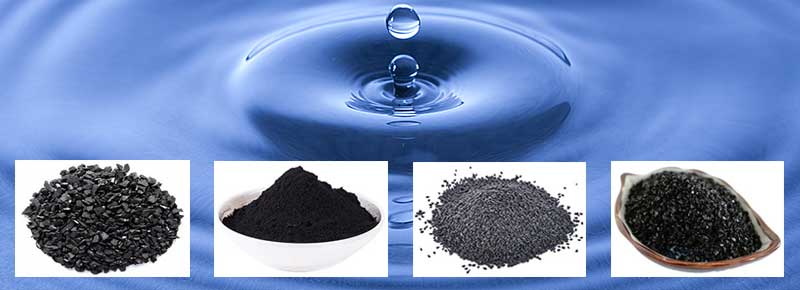
Activated carbon is a highly porous adsorbent used across water treatment, air and gas purification, food and beverage processing, chemical and pharmaceutical manufacturing, and many other industrial and consumer applications. Because activated carbon can be tailored by raw material, pore structure, and form (powdered, granular, pellet), it is one of the most versatile purification materials in modern industry.[1][2][3][4]
What Is Activated Carbon Used For?
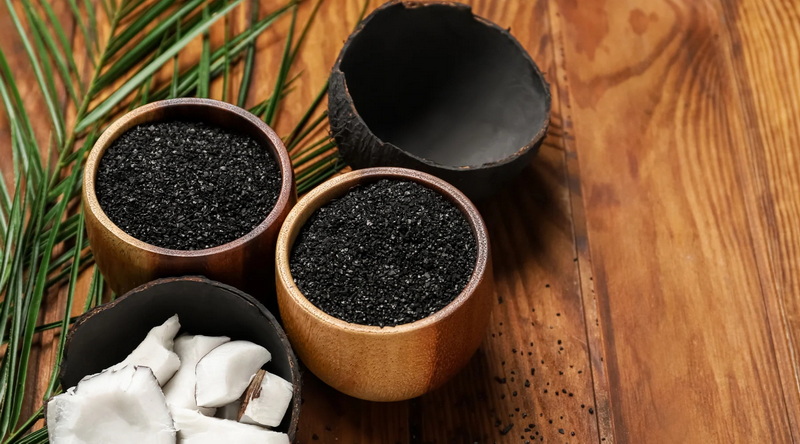
Activated carbon is a processed form of carbon with an extremely high internal surface area and a network of micro‑, meso‑ and macropores that adsorb contaminants from liquids and gases. It is produced from carbon‑rich raw materials such as coal, coconut shell, wood or other biomass, then “activated” by steam or chemicals to open up pores and create its characteristic adsorption capacity.[5][4][1]
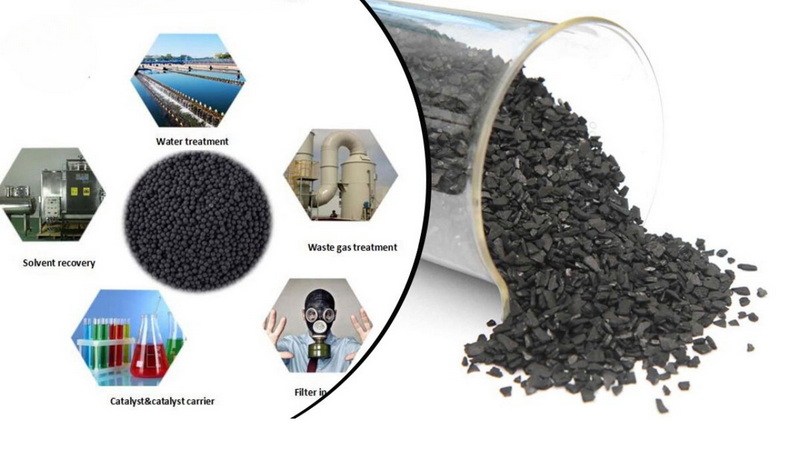
Because of this structure, activated carbon is used anywhere molecules need to be removed, recovered or refined—especially in water purification, industrial air treatment, food and beverage decolorization, solvent recovery, and pharmaceutical purification. Different industries select specific grades of activated carbon (powdered, granular, pelletized, extruded) to match their process conditions, regulatory requirements and target pollutants.[2][6][7][3]
How Activated Carbon Works
Activated carbon works by adsorption, where molecules from a fluid phase accumulate on the solid surface due to physical forces and, in some cases, chemical interactions. Its enormous internal surface area—often hundreds to over a thousand square meters per gram—provides countless active sites for organic compounds, odors, colors and specific inorganic pollutants to attach.[1][2][5]
In practice, activated carbon is filled into filters, columns or cartridges, where water, air or process fluids pass through and contaminants are selectively removed. Once the activated carbon is saturated, it may be thermally reactivated, chemically regenerated, or replaced, depending on the application and regulatory demands.[6][3][4]
Activated Carbon in Water Treatment
Activated carbon is a core technology in drinking water, industrial process water and wastewater treatment because it efficiently removes chlorine, chloramine, natural organic matter, micropollutants, taste and odor compounds and many trace contaminants. It is widely used in municipal plants, household filters, industrial ultra‑pure water systems and advanced wastewater polishing.[8][9][10][4]
Drinking Water and Municipal Use
In drinking water treatment, granular activated carbon (GAC) filters are often installed after conventional clarification and filtration to remove trace organic compounds, pesticides, disinfection by‑products and taste‑and‑odor molecules. This use of activated carbon helps water utilities meet strict regulatory limits and improves the sensory quality of tap water for consumers.[9][10][4]
Industrial Process Water and Ultrapure Water
Activated carbon is used upstream of reverse osmosis and ion exchange systems to remove free chlorine and chloramines that would otherwise damage membranes and resins. In high‑tech industries such as electronics, pharmaceuticals and power generation, activated carbon also helps achieve ultra‑low organic carbon levels in ultrapure water systems.[10][6]
Wastewater and Micropollutant Removal
Advanced wastewater treatment plants use powdered or granular activated carbon to remove residual pharmaceuticals, personal care products and other organic micropollutants that survive biological treatment. These contaminants adsorb onto the activated carbon surface and can then be separated or degraded, significantly improving effluent quality before discharge or reuse.[11][9][1]
Activated Carbon for Air and Gas Purification
Activated carbon is widely used in air and gas purification systems to remove volatile organic compounds (VOCs), odors, acid gases, sulfur compounds, and other harmful or undesirable components. Industrial facilities, commercial buildings, laboratories, vehicles and even home air purifiers benefit from activated carbon filters that improve air quality and protect people and equipment.[12][13][5]
Industrial Air Emissions and Odor Control
In industrial exhaust treatment, activated carbon beds capture VOCs, solvents, sulfur compounds and odorous gases from processes such as painting, printing, chemical production, waste incineration and wastewater treatment plants. This helps operators comply with emission standards and minimize nuisance odors for nearby communities.[14][12][7]
Indoor Air Filtration and Personal Protection
Activated carbon is a critical component in HVAC filters, automotive cabin filters, and personal protective equipment such as respirators and gas masks, where it adsorbs gases and odors that mechanical filters cannot capture. In these applications, activated carbon helps protect workers from harmful airborne chemicals and makes indoor environments more comfortable and healthier.[13][12][5]
Gas Processing and Biogas Purification
In natural gas and biogas processing, activated carbon is used to remove contaminants such as mercury, hydrogen sulfide, siloxanes and volatile organic compounds that would otherwise damage engines, turbines or catalysts. Activated carbon and carbon molecular sieves are also used in pressure swing adsorption systems to upgrade biogas and purify hydrogen streams.[6][12][7]
Activated Carbon in Food and Beverage Processing
Food and beverage producers use activated carbon to decolorize, deodorize and purify ingredients and finished products, as well as to treat process water and gases that contact food. Food‑grade activated carbon meets strict purity and safety standards so that it can be safely used in processes that directly affect consumer products.[16][17][18]
Sugar, Edible Oils and Ingredients
Activated carbon is widely applied to refine sugar solutions, syrups, gelatin and other food ingredients by removing color bodies, off‑odors and undesirable organic contaminants. In edible oil refining, activated carbon helps remove polycyclic aromatic hydrocarbons and other impurities to improve color, stability and safety.[17][16]
Beverage Purification and Brewing
In beverage production, activated carbon improves product quality by removing residual chlorine, organic off‑flavors and trace contaminants from process water, soft drinks, juices and alcoholic beverages. In breweries, activated carbon is used for water dechlorination and to polish CO₂ used in carbonation, which helps stabilize taste and aroma.[19][16][7]
Food‑Related Gas and Odor Treatment
Food factories often use activated carbon filters to clean process air, treat exhaust gases from fryers, and control odors from waste and wastewater systems. This keeps production environments pleasant, protects equipment, and helps facilities comply with environmental regulations.[12][17][14]
Activated Carbon in Chemicals and Pharmaceuticals
Chemicals and pharmaceuticals rely on activated carbon to achieve high purity, remove color and odors, and meet stringent safety and regulatory standards. Activated carbon is used both as a purification adsorbent and, in some cases, as a catalyst or catalyst support.[3][7][11][6]
Purifying Chemical Intermediates and Solvents
Activated carbon is widely used to clean chemical intermediates, acids, solvents and speciality chemicals by removing trace organics, color bodies and decomposed by‑products. This improves product quality, extends catalyst life, and reduces corrosion or fouling issues further downstream.[7][4][6]
Pharmaceutical Decontamination and Wastewater
In pharmaceutical manufacturing, activated carbon plays two key roles: purifying products and intermediates, and treating wastewater that may contain APIs and other micropollutants. High‑performance activated carbon grades are used to adsorb impurities and residual molecules, helping producers meet strict pharmacopeia and environmental standards.[9][11][7]
Emergency Medicine Use
Pharmaceutical‑grade activated carbon is administered orally in emergency medicine to help treat certain poisonings and overdoses by adsorbing toxins in the gastrointestinal tract. This medical use of activated carbon takes advantage of the same adsorption mechanism seen in industrial purification, but with rigorous quality control and dosing guidelines.[18][1]
Engineering, Manufacturing and Environmental Protection
Beyond the sectors above, activated carbon is an “unsung hero” of purification technologies across engineering, manufacturing and environmental management. It supports cleaner production, higher efficiency, and compliance with tightening regulations around the world.[14][4][7][9]
Metal Recovery and Electroplating
In metal finishing and electroplating, activated carbon helps remove organic additives, breakdown products and other impurities from plating baths, ensuring consistent deposit properties and surface quality. Activated carbon can also be used in hydrometallurgy to recover precious metals such as gold from solution.[1][6]
Flue Gas and Emissions Control
Activated carbon injection and fixed‑bed systems are used to capture mercury, dioxins, furans and other hazardous pollutants from flue gases in industries such as power generation, cement, steel and waste incineration. This role of activated carbon is increasingly important as emission limits for toxic substances become more stringent worldwide.[3][7][14]
Consumer Products and Everyday Uses
Activated carbon also appears in many consumer products, including refrigerator and shoe deodorizers, pet odor filters, aquarium filters, cosmetic formulations, and teeth‑whitening products. While performance may vary by product, activated carbon's ability to trap odors and colored molecules makes it attractive to consumer brands.[8][18][4]
Forms and Custom Solutions of Activated Carbon
To serve all these industries, activated carbon is produced in multiple forms: powdered activated carbon (PAC), granular activated carbon (GAC), pelletized or extruded activated carbon, and specialty impregnated or catalytic grades. Each form of activated carbon has specific advantages in terms of contact time, pressure drop, regeneration options and handling.[2][4][3]
Powdered vs. Granular and Pelletized Activated Carbon
Powdered activated carbon is typically dosed into liquid streams or contact basins when flexible, short‑term treatment is needed, such as seasonal taste‑and‑odor issues in drinking water or specific batch treatments. Granular and pelletized activated carbon, on the other hand, are used in fixed beds and filters where continuous treatment, easy backwashing, and potential reactivation are important.[2][3][1]
Impregnated and Catalytic Activated Carbon
Special impregnated activated carbon is designed to capture specific contaminants such as acid gases, ammonia, mercury, and radio‑iodine in demanding gas treatment applications. Catalytic activated carbon grades are engineered to promote reactions such as the breakdown of certain pollutants while still providing adsorption.[6][12][3]
Tailored Activated Carbon Solutions for Industry
Because every process is unique, many industrial users work with activated carbon manufacturers to develop tailored solutions that combine the right carbon grade, system design, and service package. This can include laboratory testing, pilot trials, on‑site support, and long‑term supply and reactivation services for activated carbon media.[4][9][6]
Conclusion
Activated carbon is a uniquely versatile adsorbent that supports cleaner water, purer air, safer food and beverages, and higher‑quality chemicals and pharmaceuticals across the globe. From municipal drinking water and industrial wastewater treatment to air and gas purification, food processing, pharmaceuticals, metal recovery and consumer products, activated carbon plays a central role in modern purification technologies. By selecting the right type of activated carbon and designing robust systems around it, industries can meet strict regulatory standards, protect equipment and people, and advance their sustainability goals.[7][9][14][4][1][2]
FAQ About What Activated Carbon Is Used For
1. What is activated carbon mainly used for?
Activated carbon is mainly used for purification and filtration of liquids and gases, including drinking water, wastewater, industrial process water, air and industrial exhaust streams. It is also widely used in food and beverage processing, chemicals, pharmaceuticals, metal recovery and various consumer products that require odor, color or contaminant removal.[4][1][2][7]
2. Why is activated carbon so effective in water treatment?
Activated carbon is effective in water treatment because its large internal surface area and pore structure can adsorb a wide variety of organic compounds, chlorine, chloramines, taste‑and‑odor molecules and many micropollutants. This allows activated carbon filters to polish drinking water and industrial water to meet quality and regulatory requirements.[10][8][9][4]
3. How is activated carbon used in air and gas purification?
In air and gas purification, activated carbon is packed into filters or towers where contaminated air or gas passes through and pollutants such as VOCs, odors, sulfur compounds, acid gases and mercury are adsorbed. This use of activated carbon protects workers, equipment and the environment, and helps facilities comply with air‑emission regulations.[5][12][14]
4. Is activated carbon safe for food and pharmaceutical applications?
Food‑ and pharmaceutical‑grade activated carbon is manufactured to strict purity standards so it can be safely used to purify food ingredients, beverages and pharmaceutical products. In emergency medicine, pharmaceutical‑grade activated carbon is also administered under professional supervision to help treat certain poisonings by adsorbing toxins in the digestive tract.[16][18][1]
5. How do I choose the right type of activated carbon for my application?
Choosing the right activated carbon requires understanding your process (liquid or gas), target contaminants, operating conditions, and regeneration or replacement strategy. Working with an experienced activated carbon manufacturer or supplier helps match the appropriate grade (powdered, granular, pelletized or specialty) to your performance and regulatory requirements.[3][2][6][4]
Citations:
[1](https://en.wikipedia.org/wiki/Activated_carbon)
[2](https://sodimate-inc.com/activated-carbon-types-applications-advantages/)
[3](https://activatedcarbon.com/activated-carbon)
[4](https://www.chemviron.eu/what-is-activated-carbon/)
[5](https://eoleaf.com/pages/activated-carbon-and-its-role-in-air-filtration)
[6](https://www.calgoncarbon.com/industrial-processes/)
[7](https://puragen.com/uk/insights/what-is-activated-carbon-used-for/)
[8](https://aquabliss.com/blogs/healthy-water/activated-carbon-and-water-filters)
[9](https://envirotecmagazine.com/2025/02/10/activated-carbon-an-unsung-hero-of-industrial-purification/)
[10](https://www.elgalabwater.com/activated-carbon)
[11](https://www.sciencedirect.com/science/article/pii/S2590123025020389)
[12](https://www.carbotech.de/en/applications/air-and-gas-purification/)
[13](https://joaairsolutions.com/blog/how-does-active-carbon-work/)
[14](https://bssa.org.uk/activated-carbon-the-unsung-hero-of-industrial-purification/)
[15](https://www.coral.eu/en/insight/i-carboni-attivi-negli-impianti-di-filtrazione-dellaria-industriale/)
[16](https://www.haycarb.com/activated-carbon-solutions/food-beverages/food-beverages-processing/)
[17](https://www.carbonactivo.com/en/activated-carbon-in-the-food-industry/)
[18](https://redox.com/products/activated-carbon/)
[19](https://www.chemviron.eu/activated-carbon-for-beverages-purification/)
[20](https://activatedcarbon.com/applications)


