Content Menu
● What Is Granular Activated Carbon?
● How Granular Activated Carbon Works in Water
● Major Contaminant Groups GAC Removes
● Chlorine, Chloramine, Taste and Odor
● Volatile Organic Compounds (VOCs) and Industrial Solvents
● Pesticides, Herbicides, and Organic Chemicals
● Disinfection By‑Products (THMs and HAAs)
● PFAS and “Forever Chemicals”
● Natural Organic Matter, Color, and Tannins
● Some Heavy Metals (Limited and Conditional)
● Microplastics and Particulate Contaminants
● What Granular Activated Carbon Does Not Remove Well
● Typical Applications of GAC in Water Treatment
● Conclusion
● FAQs About Granular Activated Carbon and Water Treatment
>> 1. How does granular activated carbon actually remove contaminants from water?
>> 2. Which contaminants are best removed by granular activated carbon?
>> 3. What contaminants cannot be reliably removed by GAC alone?
>> 4. How long does granular activated carbon last in a water filter?
>> 5. Why is granular activated carbon often combined with reverse osmosis or UV?
● Citations:
Granular activated carbon (GAC) is one of the most effective and widely used media for removing chemicals, odors, and many harmful compounds from drinking and process water. It works through adsorption and catalytic reactions to purify water without adding extra chemicals.[1][2]
What Is Granular Activated Carbon?
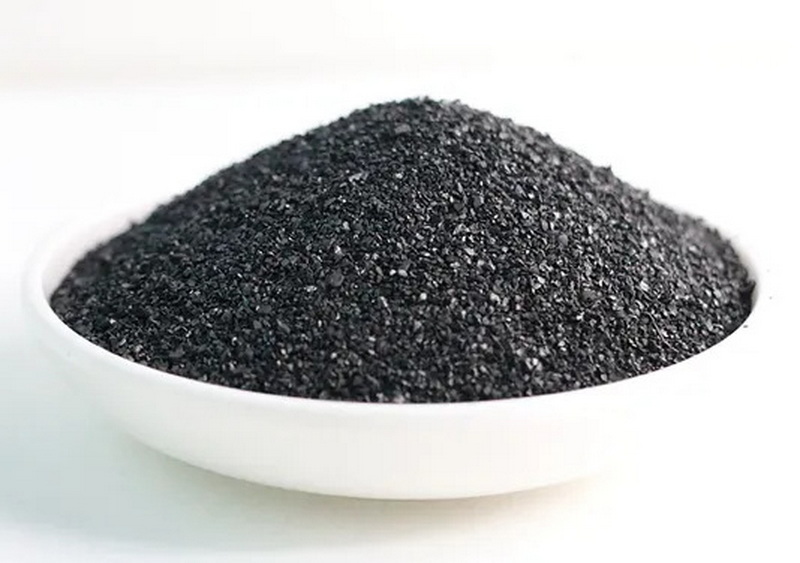
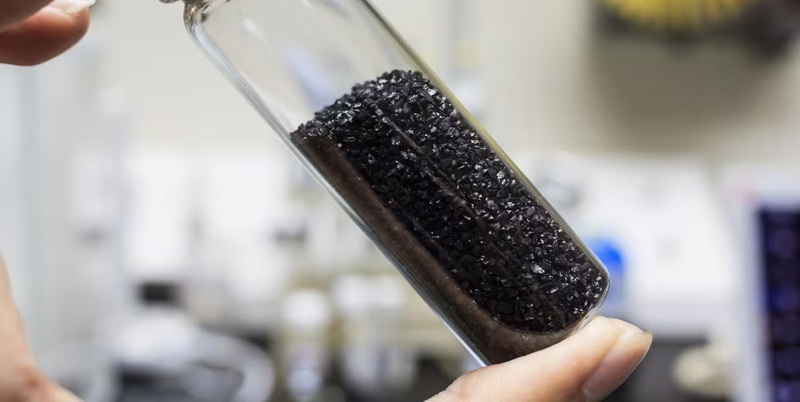
Granular activated carbon is a porous filtration media made from coal, coconut shell, wood, or other carbon-rich materials that have been activated to create an enormous internal surface area. Typical GAC particle sizes range from about 0.5 to 5 mm, allowing water to flow while contaminants are trapped inside its pores.[3][4][1]
Because of its huge surface area and pore structure, granular activated carbon can adsorb a broad range of organic contaminants, disinfectant residuals, and taste‑ and odor‑forming compounds from water. This makes GAC a standard choice in municipal, industrial, and household water treatment systems.[5][4][6][2]
How Granular Activated Carbon Works in Water
Granular activated carbon removes contaminants mainly through adsorption, where molecules stick to the carbon surface, and catalytic reduction, where chemical reactions transform contaminants into less harmful forms. Non‑polar organic molecules are especially attracted to the non‑polar carbon surface, so they leave the water and accumulate in the GAC pores.[6][1][5]
In addition, granular activated carbon can catalytically reduce oxidizing disinfectants such as chlorine and chloramine into chloride ions, which no longer have a disinfecting taste or odor. Over time, adsorption sites fill up and the GAC must be replaced or regenerated to maintain performance.[7][2][1][5]
Major Contaminant Groups GAC Removes
Granular activated carbon does not remove everything from water, but it is highly effective for several important contaminant groups. Understanding these groups helps end users design systems that combine GAC with other technologies for complete treatment.[8][2][7][5]
Below are the main categories of contaminants that granular activated carbon removes from water.
Chlorine, Chloramine, Taste and Odor
Municipal utilities often add chlorine or chloramine to water as disinfectants, but these chemicals can leave strong taste and odor. Granular activated carbon rapidly removes chlorine through catalytic reduction, often within the first few centimeters of the carbon bed.[7][1][8]
GAC also reduces chloramine, although contact time generally needs to be longer than for chlorine. At the same time, granular activated carbon removes many organic compounds that cause earthy, musty, or chemical tastes and odors, significantly improving water palatability.[9][2][5][7]
Volatile Organic Compounds (VOCs) and Industrial Solvents
Granular activated carbon is a proven technology for removing many volatile organic compounds (VOCs), such as trichloroethylene (TCE), tetrachloroethylene (PCE), and other chlorinated solvents, from contaminated groundwater and drinking water. Removal efficiencies for certain VOCs can reach up to 99.9% under optimized conditions.[10][11]
In many remediation and industrial projects, GAC columns are installed as a “best available technology” to capture carcinogenic VOCs and reduce them to very low concentrations, often below 1 microgram per liter. This makes granular activated carbon a key barrier against industrial pollution entering the potable water supply.[12][13][14][11]
Pesticides, Herbicides, and Organic Chemicals
Many pesticides, herbicides, insecticides, and other synthetic organic chemicals are hydrophobic and readily adsorb onto granular activated carbon. GAC filters can fully remove dozens of such chemicals and significantly reduce many more, including all major herbicide and pesticide groups referenced in typical drinking‑water guidelines.[15][16][9]
Granular activated carbon is therefore widely used in agricultural regions where runoff can introduce agrochemicals into surface and groundwater sources. By capturing these organic contaminants, GAC helps protect both public health and sensitive industrial processes that require high‑purity water.[4][13][2][6]
Disinfection By‑Products (THMs and HAAs)
When chlorine reacts with natural organic matter in water, it can form disinfection by‑products (DBPs) such as trihalomethanes (THMs) and haloacetic acids (HAAs), which are regulated due to potential health risks. Granular activated carbon adsorbs many of these DBPs and also removes their organic precursors, helping utilities control DBP levels.[13][10][5]
Many treatment systems place GAC after primary disinfection steps to polish water and reduce DBP concentrations before distribution. For consumers using point‑of‑use systems, granular activated carbon cartridges can further lower THM levels in tap water.[16][17][4][7]
PFAS and “Forever Chemicals”
Per‑ and polyfluoroalkyl substances (PFAS) are persistent chemicals used in firefighting foams, coatings, and many industrial applications and are now widely detected in water supplies. Granular activated carbon is one of the key technologies recognized by regulators for reducing certain PFAS compounds, particularly longer‑chain variants.[18][13]
Although reverse osmosis often provides higher overall PFAS removal, using RO together with granular activated carbon can improve performance and protect membranes. GAC systems must be carefully designed and monitored because PFAS can “break through” once adsorption sites are saturated, especially when competing organic matter is present.[5][8][13][18]
Natural Organic Matter, Color, and Tannins
Natural organic matter (NOM), such as humic substances and tannins from decaying vegetation, can cause yellow or brown color and promote DBP formation. Granular activated carbon adsorbs many of these organic compounds, reducing color and improving clarity.[10][1][6][5]
By lowering NOM, granular activated carbon helps limit DBP formation downstream and enhances overall aesthetic quality of drinking water. In some installations, GAC is specifically selected to target color bodies like tannins that pass through conventional clarification and filtration steps.[13][6][7][10]
Some Heavy Metals (Limited and Conditional)
Granular activated carbon is not a universal heavy‑metal treatment, but it can adsorb or co‑remove trace amounts of certain metals such as lead, mercury, copper, and zinc under appropriate conditions. Removal efficiency depends on water chemistry, pH, competing ions, and whether the carbon has been surface‑modified or combined with other media.[19][7][10]
Many commercial systems rely on ion exchange or other technologies for primary heavy‑metal removal and use granular activated carbon as part of a multi‑stage solution. GAC is especially valued for polishing residual organics and taste‑ and odor‑forming compounds even when metals are treated by other means.[19][16][8][7]
Microplastics and Particulate Contaminants
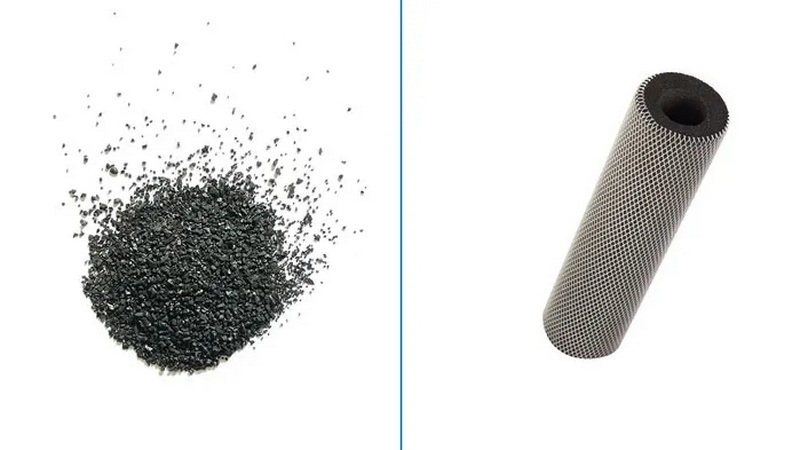
While granular activated carbon itself does not work as a tight physical membrane, carbon block products and fine‑grade GAC systems can capture microplastics and suspended particles when combined with appropriate pore size or pre‑filtration. Some cartridge designs integrate GAC with mechanical filtration layers to achieve near‑complete microplastic removal.[17][16][19]
In industrial and municipal settings, granular activated carbon beds are often installed after sediment filters that remove larger particles, allowing GAC to focus on dissolved organic contaminants and residual chemicals. This staged approach extends GAC life and improves overall treatment efficiency.[1][7][5]
What Granular Activated Carbon Does Not Remove Well
Understanding GAC limitations is crucial to designing safe water systems. Granular activated carbon is not effective for all inorganic contaminants and does not reliably disinfect water.[2][8][1]
Key limitations include:
- Dissolved minerals and hardness – GAC does not significantly remove calcium, magnesium, or general hardness, so it cannot soften water by itself.[8][1]
- Fluoride and nitrate – Removal is limited and inconsistent; specialized media or reverse osmosis are normally required.[16][19]
- Most bacteria and viruses – Granular activated carbon alone is not a primary disinfection barrier and should be paired with UV, chlorination, or other disinfection methods for microbiological safety.[2][8]
Because of these limitations, granular activated carbon is typically integrated with technologies such as sediment filtration, ion exchange, reverse osmosis, and UV disinfection in complete treatment trains.[7][13]
Typical Applications of GAC in Water Treatment
Granular activated carbon is widely used in both centralized and decentralized water treatment systems. Major applications include:[4][2]
- Municipal drinking water plants, where GAC filters remove taste and odor, organic contaminants, DBP precursors, and some PFAS.[5][13]
- Industrial and process water, including food and beverage, chemical, and pharmaceutical production, where granular activated carbon protects products from organic impurities and residual disinfectants.[6][4]
- Groundwater remediation, especially at sites contaminated with VOCs, fuels, and industrial solvents.[11][12]
- Household systems, such as point‑of‑entry and point‑of‑use filters that improve taste, odor, and chemical safety for tap water.[17][16]
For manufacturers of granular activated carbon, these application areas create strong demand for custom GAC grades tailored to specific flow rates, contaminant profiles, and regulatory targets.[4][6]
Conclusion
Granular activated carbon is a versatile and powerful media that removes a broad spectrum of organic contaminants, disinfectant residuals, taste‑ and odor‑forming compounds, many VOCs, and several emerging pollutants such as PFAS from water. By relying on adsorption and catalytic reactions, granular activated carbon improves drinking and process water quality without adding new chemicals, making it a preferred choice across municipal, industrial, and residential treatment systems when combined with complementary technologies.[13][1][5][4]
FAQs About Granular Activated Carbon and Water Treatment
1. How does granular activated carbon actually remove contaminants from water?
Granular activated carbon removes contaminants primarily through adsorption, where dissolved molecules are attracted to and held on the extensive internal surface of the GAC particles. It also catalyzes reduction reactions, such as converting chlorine into chloride, rapidly eliminating disinfectant taste and odor.[1][5][7]
2. Which contaminants are best removed by granular activated carbon?
Granular activated carbon is most effective for removing chlorine, chloramine, volatile organic compounds, pesticides, herbicides, many synthetic organic chemicals, disinfection by‑products, taste‑ and odor‑causing substances, and certain PFAS compounds. It also helps reduce natural organic matter and color, improving overall water aesthetics and helping control DBP formation.[15][10][5][13][6]
3. What contaminants cannot be reliably removed by GAC alone?
Granular activated carbon does not reliably remove dissolved minerals, hardness, most heavy metals at higher concentrations, fluoride, nitrate, or pathogenic microorganisms. For these contaminants, technologies such as ion exchange, reverse osmosis, and dedicated disinfection (chlorination, UV) are typically required in addition to GAC.[19][8][2][13][7]
4. How long does granular activated carbon last in a water filter?
Service life of granular activated carbon depends on contaminant loading, flow rate, carbon grade, and system design, so it can range from a few months in small cartridges to several years in large municipal or industrial beds. As adsorption sites become saturated and breakthrough is detected, the granular activated carbon must be replaced or thermally regenerated to restore performance.[8][5][4]
5. Why is granular activated carbon often combined with reverse osmosis or UV?
Granular activated carbon excels at removing organic chemicals, chlorine, and taste and odor, but reverse osmosis provides stronger removal of dissolved salts, many metals, and a wider PFAS spectrum, while UV or other disinfectants inactivate microorganisms. Combining granular activated carbon with RO and UV creates a multi‑barrier system that addresses both chemical and microbiological risks, delivering safer and better‑tasting water for households and industry.[18][2][8][13][7]
Citations:
[1](https://www.watertreatmentguide.com/activated_carbon_filtration.htm)
[2](https://www.health.state.mn.us/communities/environment/hazardous/topics/gac.html)
[3](https://www.newater.com/what-does-a-carbon-filter-take-out-of-water/)
[4](https://www.sciencedirect.com/topics/engineering/granular-activated-carbon)
[5](https://wqa.org/wp-content/uploads/2022/09/2016_GAC.pdf)
[6](https://www.keiken-engineering.com/news/comprehensive-guide-to-granular-activated-carbon)
[7](https://generalcarbon.com/understanding-granular-activated-carbon-for-water-treatment/)
[8](https://crystalquest.com/blogs/filter-media/carbon-filtration-pfas-removal)
[9](https://www.waterfilter.com.sg/blog/using-carbon-in-water-filtration/)
[10](https://www.anchorfilters.com/blogs/water/granular-activated-carbon-gac-filter-media)
[11](https://pmc.ncbi.nlm.nih.gov/articles/PMC7077425/)
[12](https://19january2021snapshot.epa.gov/sites/static/files/2015-04/documents/a_citizens_guide_to_activated_carbon_treatment.pdf)
[13](https://www.epa.gov/system/files/documents/2024-04/pfas-npdwr_fact-sheet_treatment_4.8.24.pdf)
[14](https://portal.ct.gov/DEEP/Remediation--Site-Clean-Up/Potable-Water-Program/GAC-Filter-System-for-Private-Wells)
[15](https://krakensense.com/blog/granular-activated-carbon-water-filter)
[16](https://espwaterproducts.com/pages/what-do-carbon-filters-remove-from-water)
[17](https://genzonwater.com/blogs/news/how-water-filters-work-and-contaminants-they-remove)
[18](https://www.culligan.com/blog/best-water-filter-for-pfas)
[19](https://tappwater.co/blogs/blog/what-activated-carbon-filters-remove)
[20](https://pubs.acs.org/doi/10.1021/ba-1983-0202.ch009)


