Content Menu
● What Is Activated Carbon in Aquariums?
● How Does Activated Carbon Work in Aquarium Water?
● What Does Activated Carbon Remove in an Aquarium?
● Benefits of Activated Carbon in Aquarium Filtration
● Potential Drawbacks and Misunderstandings
● Does Activated Carbon Remove Medications and Trace Elements?
● How Long Does Activated Carbon Last in an Aquarium?
● When Should You Use Activated Carbon in Your Aquarium?
● Practical Tips for Using Activated Carbon in Aquarium Filters
● Choosing the Right Activated Carbon for Your Aquarium
● Conclusion
● FAQ: Activated Carbon in Aquariums
>> (1) Does activated carbon remove ammonia, nitrite, or nitrate from aquarium water?
>> (2) How often should activated carbon be replaced in an aquarium filter?
>> (3) Is activated carbon necessary in every aquarium?
>> (4) Can activated carbon harm plants or corals in an aquarium?
>> (5) Where should activated carbon be placed in the aquarium filter for best performance?
● Citations:
Activated carbon in an aquarium is a powerful chemical filtration media that polishes the water, removes many dissolved contaminants, and improves clarity and odor, making the tank healthier and more attractive. Used correctly, activated carbon is a valuable tool for both freshwater and saltwater aquariums, though it must be managed carefully and replaced regularly to stay effective.[1][2][3]
What Is Activated Carbon in Aquariums?
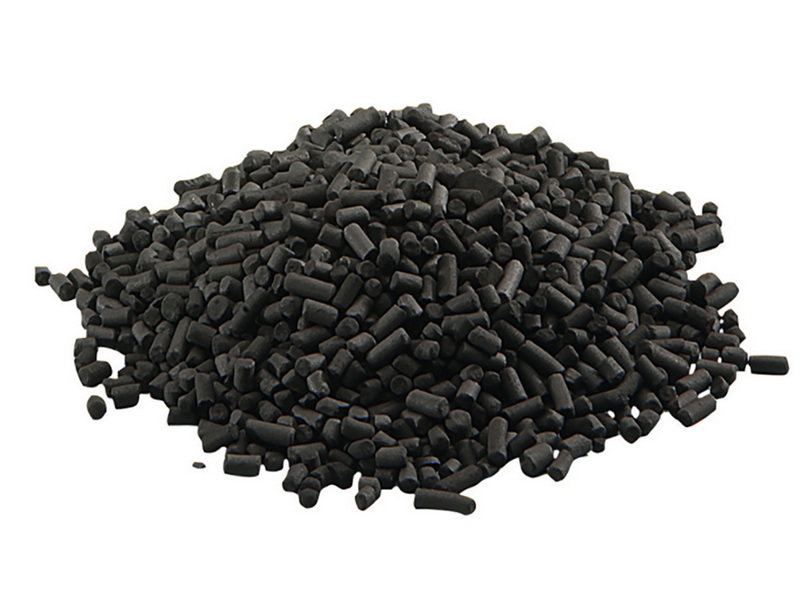
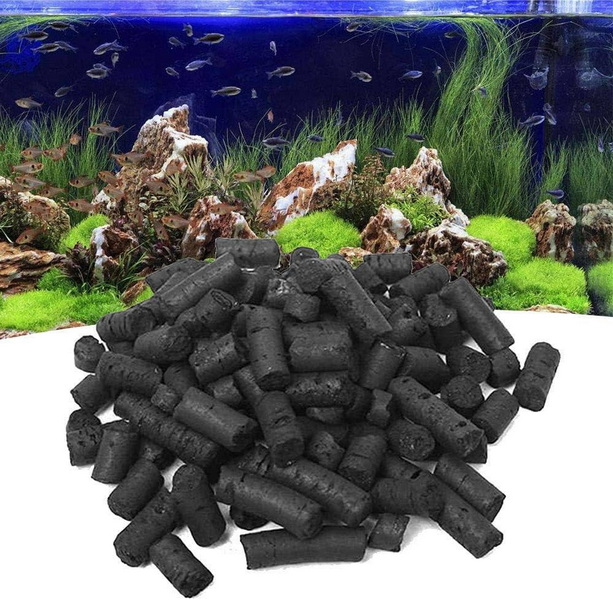
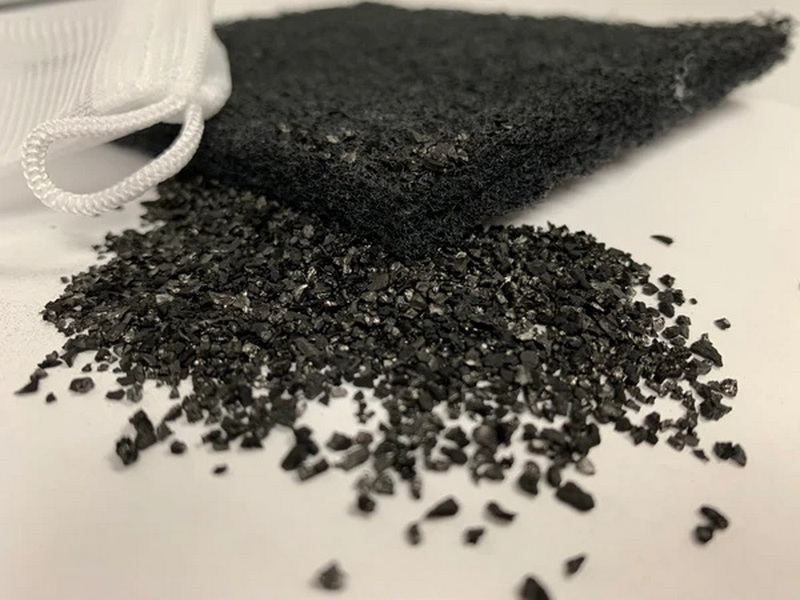
Activated carbon is a highly porous form of carbon that has been processed to provide a huge internal surface area where unwanted substances from aquarium water can be adsorbed. In aquarium filters, activated carbon usually appears as granules or pellets enclosed in filter bags or cartridges that water flows through continuously.[2][4][5][1]
- In a typical aquarium, activated carbon is used as “chemical filtration” in combination with mechanical and biological filtration media.[4][2]
- Common raw materials for activated carbon include coal, wood, and coconut shell, which are activated at high temperature to create millions of micro‑pores.[2][4]
To visualize this, imagine a small piece of activated carbon as a microscopic sponge full of tunnels and cavities, all providing surfaces where dissolved pollutants can stick.
How Does Activated Carbon Work in Aquarium Water?
Activated carbon in an aquarium works mainly through adsorption, meaning dissolved substances adhere to the carbon surface inside its pores rather than being absorbed into the bulk material. As water passes over activated carbon in the filter, molecules of chemicals, dyes, and organic waste are trapped on the carbon surface and removed from the water column.[1][2]
- The huge surface area of activated carbon allows it to hold a large amount of dissolved organics, chlorine, chloramine, tannins, and other impurities at relatively low cost.[4][1]
- In addition to adsorption, activated carbon in aquariums also supports colonization by beneficial bacteria, which further helps break down toxic substances such as ammonia and nitrite into less harmful forms.[2]
Over time, the pores of activated carbon become filled with adsorbed molecules, and the media gradually loses effectiveness, so regular replacement is essential.
What Does Activated Carbon Remove in an Aquarium?
Activated carbon in an aquarium is especially effective at removing a wide range of dissolved organic compounds and some inorganic contaminants that affect water clarity, color, odor, and general quality.[1][4][2]
Key substances that activated carbon can remove from aquarium water include:
- Chlorine and chloramine from tap water, which can be harmful to fish and invertebrates.[6][4][2]
- Dissolved organic matter (DOM), including fish waste by‑products, decaying plant material, and other organics that contribute to yellow or brown water and poor water quality.[4][2]
- Tannins released by driftwood and leaves, which discolor water into a tea‑colored or brownish tint.[1][2]
- Phenols and other odor‑causing compounds that make aquarium water smell unpleasant.[4][1]
- Many dissolved chemicals, residual medications after treatment, and other pollutants that may stress or harm fish and corals.[7][6][4]
However, activated carbon is not a universal solution for every aquarium water problem, and it is most effective when used alongside proper mechanical and biological filtration and stable maintenance routines.[3][2]
Benefits of Activated Carbon in Aquarium Filtration
When used correctly, activated carbon brings several important benefits to both freshwater and marine aquariums.[2][1][4]
- Clearer water: Activated carbon removes discoloration and dissolved organics, producing a sparkling, visually appealing aquarium.[1][2][4]
- Reduced odors: By removing odor‑causing compounds, activated carbon keeps the aquarium smelling fresh and pleasant in the home, office, or public space.[2][1]
- Removal of residual medications: After fish disease treatment, activated carbon can clean up leftover medication from the water, protecting sensitive organisms from extended exposure.[7][6][4]
- Enhanced water quality: By continuously reducing dissolved pollutants, activated carbon stabilizes water conditions and helps lower stress on fish and other aquatic life.[4][2]
- Versatility: Activated carbon is compatible with most aquarium filter designs and can be used in media bags, cartridges, canister filters, hang‑on‑back filters, and internal filters.[5][1]
These advantages explain why activated carbon remains one of the most widely used chemical filtration media in the aquarium hobby and in professional aquatic systems.[8][9][4]
Potential Drawbacks and Misunderstandings
Despite its popularity, activated carbon in aquariums is sometimes controversial, especially regarding long‑term use and planted or reef tanks.[10][11][8]
Common concerns include:
- Overuse and nutrient stripping: Some aquarium keepers worry that heavy, continuous use of activated carbon can strip beneficial trace elements such as iodine or metals that corals and plants need. Others argue that typical activated carbon use mainly removes dissolved organics and has little effect on most trace elements in seawater.[11][12][10][7]
- Limited removal of certain pollutants: Standard activated carbon does not effectively remove all contaminants, such as nitrate and phosphate, so it cannot replace dedicated media or biological methods for controlling nutrients.[13]
- Short effective life: Activated carbon in an aquarium becomes exhausted relatively quickly, often within 2–4 weeks, and must be replaced to avoid deterioration in performance.[3][5][1]
In planted aquariums, some aquarists avoid continuous use of activated carbon out of concern that it may remove small amounts of chelated nutrients, while others have success using it intermittently with careful fertilization.[14][8][6]
Does Activated Carbon Remove Medications and Trace Elements?
One of the most important roles of activated carbon in aquariums is removing residual medications after treatment. Many common fish medications, dyes, and treatments are organic molecules that activated carbon can adsorb effectively, preventing prolonged exposure that could stress fish, invertebrates, or beneficial bacteria.[6][7][4]
- Best practice is to remove or bypass activated carbon while active medication is in use so the treatment stays in the water, then reinstall fresh activated carbon afterward to clear residual chemicals.[7][6][4]
Regarding trace elements, evidence and hobbyist experience are mixed. Some sources warn that heavy use of activated carbon in marine systems might contribute to conditions such as head and lateral line erosion and may remove beneficial elements. Other studies and expert commentary suggest that standard activated carbon has little measurable effect on most trace elements in seawater and mainly removes dissolved organic carbon.[12][10][11][7]
For most home aquariums, moderate use of activated carbon combined with regular water changes and balanced supplementation is unlikely to cause serious trace element deficiencies.
How Long Does Activated Carbon Last in an Aquarium?
The service life of activated carbon in an aquarium depends on factors such as tank size, stocking level, feeding rate, and the amount of dissolved pollutants present.[3][1][2]
However, several guidance ranges are widely cited:
- Many aquarium suppliers recommend replacing activated carbon every 2–4 weeks to maintain effective adsorption capacity.[5][3][1]
- In heavily stocked tanks or systems exposed to medication, activated carbon can become saturated faster and may need more frequent replacement.[3][1]
- Although some hobbyists report using carbon for longer periods, most chemical adsorption happens in the first week, with remaining capacity filling more slowly over the next couple of weeks.[1]
Signs that activated carbon may need replacement include the return of mild odors, water losing its crystal‑clear appearance, or discoloration from tannins reappearing.[2][1]
When Should You Use Activated Carbon in Your Aquarium?
Activated carbon can be used continuously in many aquariums, or intermittently as a problem‑solving tool, depending on the system and the keeper's goals.[9][8][4]
Common situations where activated carbon is especially helpful include:
- New setups: To polish water, remove any chemical residues, and improve clarity during initial cycling phases (with caution not to remove necessary nutrients if using specialized cycling products).[4][2]
- After medication: To remove leftover treatments and restore a neutral chemical environment for fish, plants, and invertebrates.[6][7][4]
- Driftwood or blackwater tanks: To reduce excess tannins when clearer water is desired, or to fine‑tune the color of water in tanks using natural botanicals.[1][2]
- Aquariums in public or high‑traffic spaces: To maintain consistently clear, odor‑free water for display and customer perception.[9][4]
In heavily planted aquariums or high‑end reef tanks, some aquarists choose to use activated carbon part‑time or at low doses, balancing its polishing benefits with careful nutrient and trace element management.[8][14][6]
Practical Tips for Using Activated Carbon in Aquarium Filters
To get the best performance from activated carbon in an aquarium, attention to placement, flow, and dosing is important.[5][2][1]
Recommended practices include:
- Position activated carbon after mechanical filtration: Placing it downstream of sponges or filter pads ensures that debris is removed first, preventing pores from clogging prematurely.[5][1]
- Use sufficient flow: Activated carbon works best when aquarium water flows evenly through or around the carbon granules, maximizing contact and adsorption.[2][1]
- Rinse before use: Many products recommend briefly rinsing activated carbon in clean water to remove dust that could cloud the tank.[5][1]
- Dose according to manufacturer instructions: Typical recommendations are a certain grams or volume of activated carbon per liter or gallon of aquarium water; oversizing slightly is common practice for problem periods.[4][1]
- Replace regularly: Maintain a schedule (often monthly) for changing activated carbon to avoid relying on exhausted media.[3][5][1]
Activated carbon media bags and cartridges should never be cleaned with chlorinated tap water and reused as if they were new; once adsorption sites are full, performance cannot be restored by rinsing alone.[3][1]
Choosing the Right Activated Carbon for Your Aquarium
Different activated carbon products vary in raw material, granule size, pore structure, and manufacturing quality, which influence their performance in aquariums.[1][4]
Key selection factors include:
- Granular vs pellet form: Granular activated carbon is common in hobby filters and offers good flow and surface area; pelletized forms may be preferred in reactors and some high‑flow systems.[4][1]
- Pore structure: Products made from coconut shell often have more micropores ideal for small organic molecules, while other materials may provide a broader pore size distribution.[1][4]
- Ash content and dust: High‑quality activated carbon usually has lower ash and less dust, reducing the risk of cloudiness and minimizing potential pH impacts.[4][1]
- Aquarium‑safe certification: Choosing activated carbon specifically marketed for aquariums helps ensure that it has been washed and processed to minimize impurities that could harm aquatic life.[1][4]
For specialized marine, reef, or high‑end planted systems, consulting experienced suppliers can help match activated carbon grade to the tank's particular needs, balancing adsorption strength with stability and safety.[8][7][4]
Conclusion
Activated carbon in an aquarium is an effective chemical filtration media that improves water clarity, reduces odors, and removes many dissolved contaminants, including chlorine, chloramine, tannins, organic waste, and residual medications. By understanding how activated carbon works, what it removes, and how long it lasts, aquarists can integrate it intelligently into freshwater and marine filtration systems, achieving clearer, more stable water without relying on it as a cure‑all. Used in the right amount, at the right time, and replaced regularly, activated carbon remains one of the most practical tools for maintaining healthy, attractive aquariums at home and in industry.[9][8][5][3][2][4][1]
FAQ: Activated Carbon in Aquariums
(1) Does activated carbon remove ammonia, nitrite, or nitrate from aquarium water?
Standard activated carbon in an aquarium is not an efficient adsorbent for ammonia, nitrite, or nitrate, which are better controlled through biological filtration, water changes, and specialized media. Some advanced or modified activated carbon products may show limited removal of certain nitrogen species, but for most aquariums, bio‑filtration and proper maintenance remain the primary tools for nitrogen control.[13][2]
(2) How often should activated carbon be replaced in an aquarium filter?
For most aquariums, activated carbon should be replaced approximately every 2–4 weeks, depending on tank size, bioload, and pollutant level. Heavily stocked tanks, tanks recently treated with medication, or systems experiencing strong odors or discoloration may benefit from more frequent replacement to ensure that activated carbon continues working effectively.[5][3][1]
(3) Is activated carbon necessary in every aquarium?
Activated carbon is very helpful but not strictly necessary in every aquarium, especially if water changes are regular and mechanical and biological filtration are well designed. Many experienced aquarists run their tanks successfully without continuous activated carbon, instead using it as a temporary tool for polishing water, removing medication, or solving specific water quality issues.[15][8][2][4]
(4) Can activated carbon harm plants or corals in an aquarium?
When used moderately, activated carbon is generally safe for most plants and corals, and many successful planted and reef aquariums use it continuously or periodically. Concerns arise mainly with heavy or excessive use, where there is debate about possible trace element removal and links to certain fish disorders in reef systems, so careful dosing and regular monitoring are recommended.[10][11][8][7]
(5) Where should activated carbon be placed in the aquarium filter for best performance?
Activated carbon in an aquarium filter should be placed after mechanical media so that debris is intercepted first, preventing carbon pores from clogging quickly. In canister filters or multi‑chamber systems, activated carbon usually sits in a middle stage with moderate to strong flow, followed by biological media, ensuring good contact time and stable water quality.[5][2][1]
Citations:
[1](https://www.aquaticexperts.com/pages/activated-carbon-in-your-aquarium)
[2](https://en.aqua-fish.net/articles/effects-aquarium-carbon-water-quality)
[3](https://enviroliteracy.org/how-long-does-charcoal-last-in-aquarium-filter/)
[4](https://activatedcarbondepot.com/blogs/news/activated-carbon-for-aquariums-a-complete-guide)
[5](https://www.swelluk.com/help-guides/how-long-does-carbon-last-in-an-aquarium-filter/)
[6](https://www.aquascapeguide.com/post/should-you-use-activated-carbon-in-your-planted-tank-a-balancing-act)
[7](https://www.mantasystems.net/a/blog/post/activated-carbon)
[8](https://www.co2art.eu/blogs/blog/activated-carbon-in-a-planted-tank)
[9](https://www.co2art.us/blogs/blog/using-activated-carbon-in-an-aquarium)
[10](https://reefs.com/interesting-thing-i-learned-about-carbon-this-week/)
[11](https://www.reefbum.com/water-chemistry/pluses-minuses-using-activated-carbon/)
[12](https://humble.fish/community/threads/activated-carbon.1379/)
[13](https://aquariumscience.org/index.php/7-4-2-activated-carbon/)
[14](https://www.facebook.com/groups/379120905458325/posts/2832918733411851/)
[15](https://www.reddit.com/r/Aquariums/comments/193pls8/is_the_whole_you_need_to_replace_your_filter/)
[16](https://www.reddit.com/r/Aquariums/comments/14e9ej/activated_carbon_useful_or_not/)
[17](https://www.bunnycart.com/blog/how-important-is-activated-carbon-in-your-aquarium/)
[18](https://www.reddit.com/r/Aquariums/comments/40r63n/how_often_should_i_replace_the_activated_carbon/)
[19](https://www.reddit.com/r/Aquariums/comments/4ppp2k/how_often_to_change_carbonactivated_filter/)
[20](https://www.reef2reef.com/threads/what-exactly-does-activated-carbon-do.849963/)


