The industrial landscape of Japan is defined by a relentless pursuit of precision and environmental stewardship. As we navigate through 2026, the demand for high-efficiency air purification and VOC (Volatile Organic Compound) abatement has reached an all-time high. Central to this movement is honeycomb activated carbon, a specialized structural adsorbent that offers a unique combination of low pressure drop and high adsorption capacity.
For procurement managers and environmental engineers, identifying the Top Honeycomb Activated Carbon Manufacturers and Suppliers in Japan is more than a sourcing task—it is a strategic decision that impacts operational compliance and energy efficiency. In this guide, we provide a deep-dive analysis into the leading Japanese players, the technical standards governing the market, and why global manufacturers like Guangdong Tongke Activated Carbon Co., Ltd.are becoming essential partners in the Japanese supply chain.
Japan’s commitment to achieving carbon neutrality by 2050 has trickled down into immediate industrial regulations for 2026. The Japanese Ministry of the Environment has tightened limits on industrial emissions, particularly for small-to-medium-sized manufacturing facilities that previously operated under more lenient guidelines.
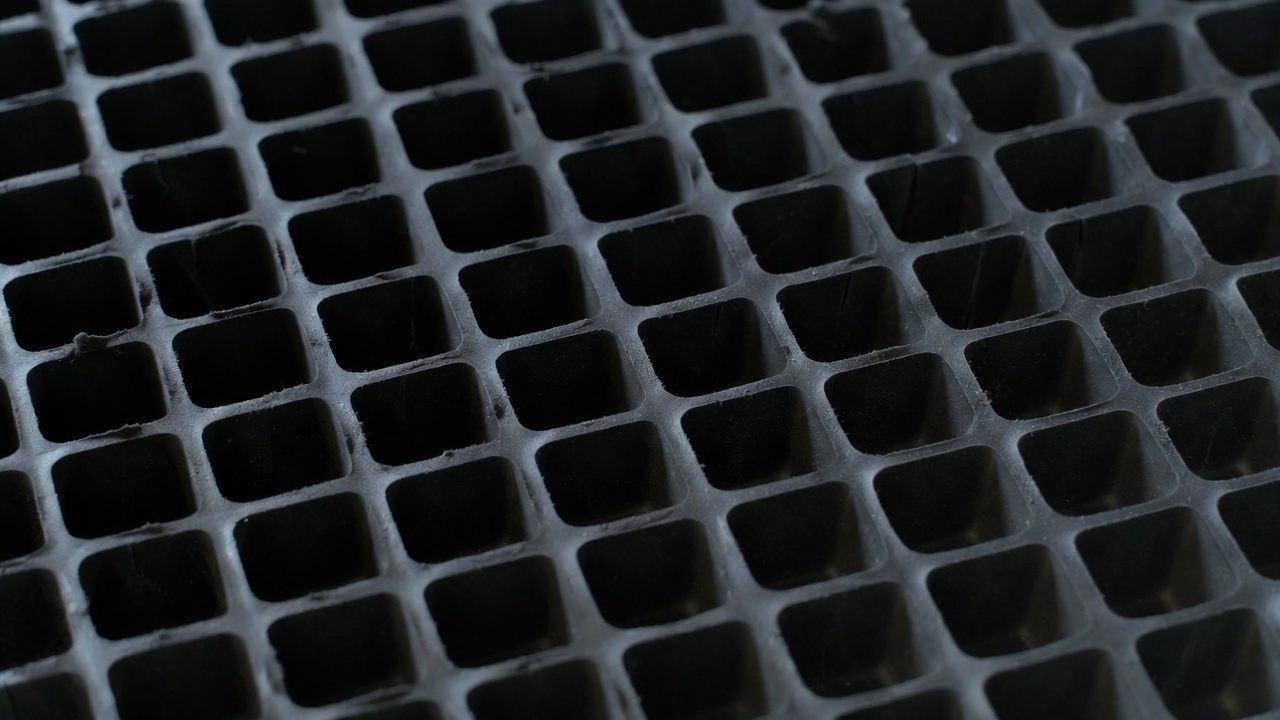
Unlike traditional granular or pelletized carbon, the honeycomb structure is engineered for high-volume gas flows. Its geometric design—typically consisting of square or hexagonal channels—minimizes air resistance.
- Low Pressure Drop: Reduces the energy consumption of industrial fans and blowers.
- High Contact Area: Ensures maximum exposure between the gas stream and the carbon surface.
- Structural Integrity: Prevents "channeling" effects common in packed-bed reactors.
Japan hosts some of the world's most advanced chemical conglomerates. These companies don't just sell carbon; they sell high-performance material science.
Founded in 1937, Osaka Gas Chemicals is perhaps the most prestigious name in the industry. Their SHIRASAGI® brand is globally recognized for its purity and consistency.
- Specialization: They offer specialized honeycomb blocks designed for ozone decomposition and kitchen exhaust deodorization.
- The Edge: Their focus on wood-based raw materials provides a superior mesopore structure, ideal for larger molecular pollutants.
Kuraray is a titan in functional materials. Their approach to activated carbon is rooted in synthetic precision.
- Innovation: Kuraray is a leader in Activated Carbon Fiber (ACF), which they often integrate into honeycomb-style filters for high-speed adsorption-desorption cycles.
- Applications: Dominant in the semiconductor industry, where "Ultra-Pure" air is a prerequisite for wafer fabrication.
Futamura’s Taiko® series includes the MOF-M and CRF lines.
- Versatility: They specialize in "paper-based" honeycomb (corrugated structures) which are lightweight and highly effective for residential and light industrial air purifiers.
- Sustainability: Futamura is a pioneer in using coconut shells and renewable biomass, aligning with Japan’s 2026 sustainability mandates.
When evaluating suppliers in Japan, technical data must be validated against the Japanese Industrial Standards (JIS). Specifically, JIS K 1474 defines the testing methods for activated carbon.
Ensures the block won't crumble under high airflow.
> 0.8 MPa
Cell Density
Affects the surface area and pressure drop.
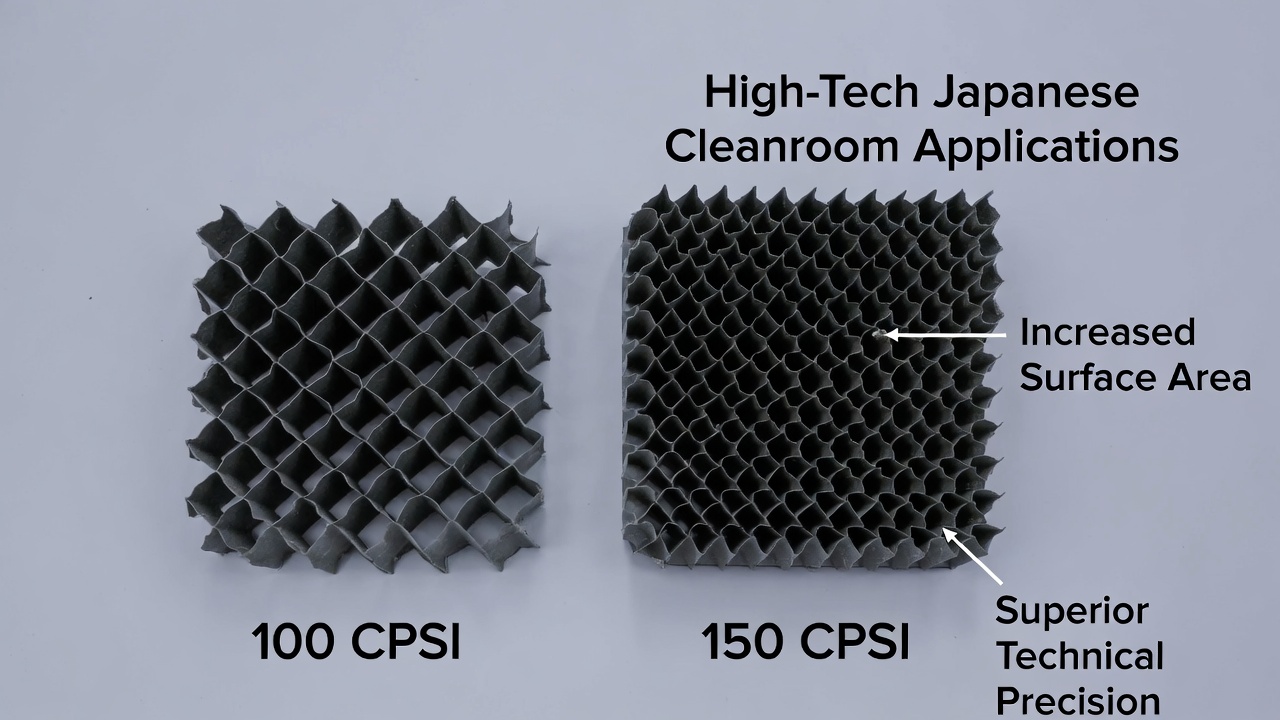
100 CPSI or 150 CPSI
> Expert Insight: In 2026, the industry is moving toward 150 CPSI (Cells Per Square Inch) as the standard for high-tech manufacturing, as it provides roughly 25% more surface area than the traditional 100 CPSI blocks without a linear increase in pressure drop.
While Japanese manufacturers offer premium quality, the global supply chain has evolved. Guangdong Tongke Activated Carbon Co., Ltd. has emerged as a critical partner for Japanese enterprises looking to balance performance with cost-efficiency.
As a leading Chinese manufacturer with a global export footprint, Tongke specializes in customized honeycomb solutions. We understand that a "one size fits all" approach doesn't work for complex chemical plants or specialized food processing facilities.
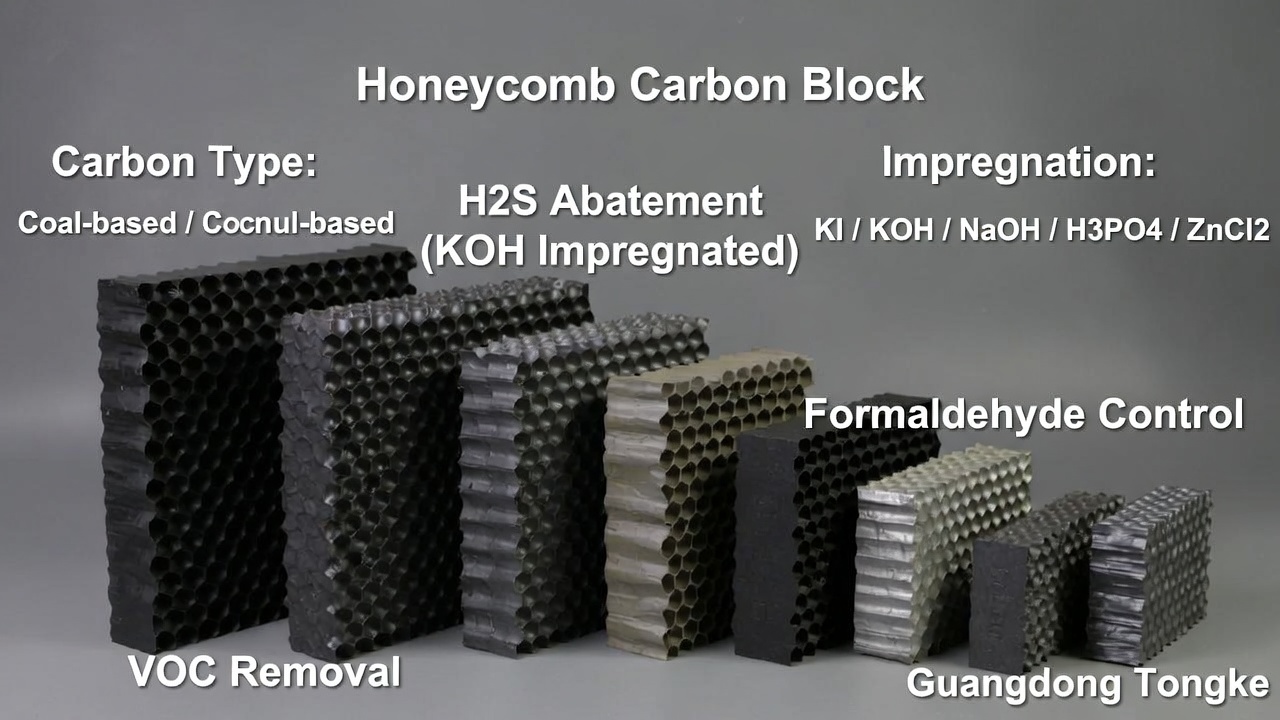
- Customization: We produce honeycomb carbon with specific impregnations (e. g., KOH for H2S removal, Phosphoric Acid for Ammonia) tailored to Japanese industrial requirements.
- Scale and Efficiency: With multiple production bases, we provide the volume stability that many domestic Japanese manufacturers struggle to maintain during peak demand.
- Quality Parity: By adhering to both international (ASTM) and Japanese (JIS) standards, Tongke products are frequently used as high-performance alternatives in Japanese air purification systems.
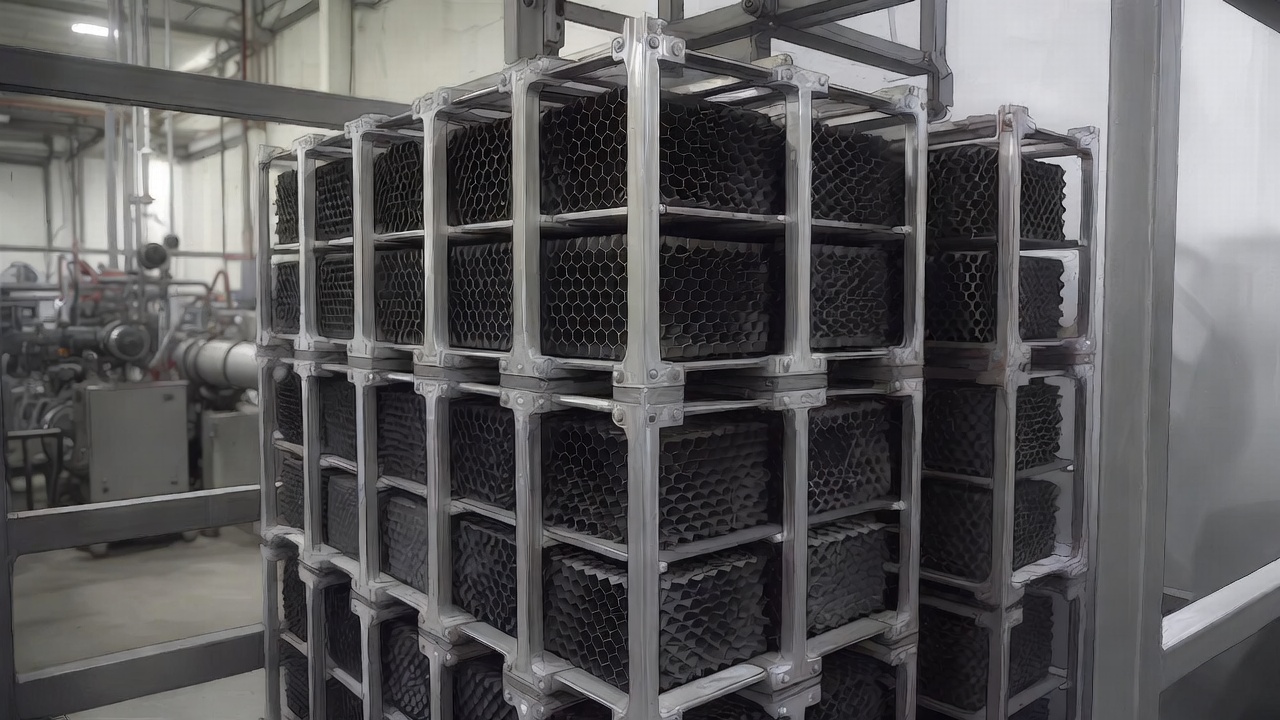
Japanese painting, coating, and printing industries are under pressure to reduce VOC emissions. Honeycomb carbon is the "gold standard" here because it handles high volumes of air contaminated with low concentrations of solvents like Toluene and Xylene.
In the "Nano-Age," even a few parts per billion (ppb) of organic contaminants can ruin a production batch. Honeycomb filters made from high-purity coal or coconut shell carbon are essential for Maintaining Air Quality (MAU) systems.
Japan’s food industry is notoriously strict about odor control. We provide specialized honeycomb blocks that neutralize "cooking odors" and oily mists without clogging, thanks to our proprietary macropore-rich wood-based carbon.
If you are sourcing for the Japanese market, use this rigorous selection framework:
1. Raw Material Origin: Does the supplier use high-quality anthracite coal or sustainable coconut shells? The choice impacts the pore size distribution.
2. Impregnation Expertise: For specific gases (Acidic/Alkaline/Formaldehyde), the carbon must be chemically treated. Ensure the manufacturer has in-house R&D for this.
3. Dimensional Accuracy: Honeycomb blocks must fit perfectly into filter frames to prevent bypass. Look for tolerances within ±1mm.
4. Testing Documentation: Demand a COA (Certificate of Analysis) that references JIS K 1474 or equivalent ISO standards.
5. Logistics and Stability: In the 2026 climate of fluctuating freight costs, ensure your supplier has a robust logistics network between China and Japan.
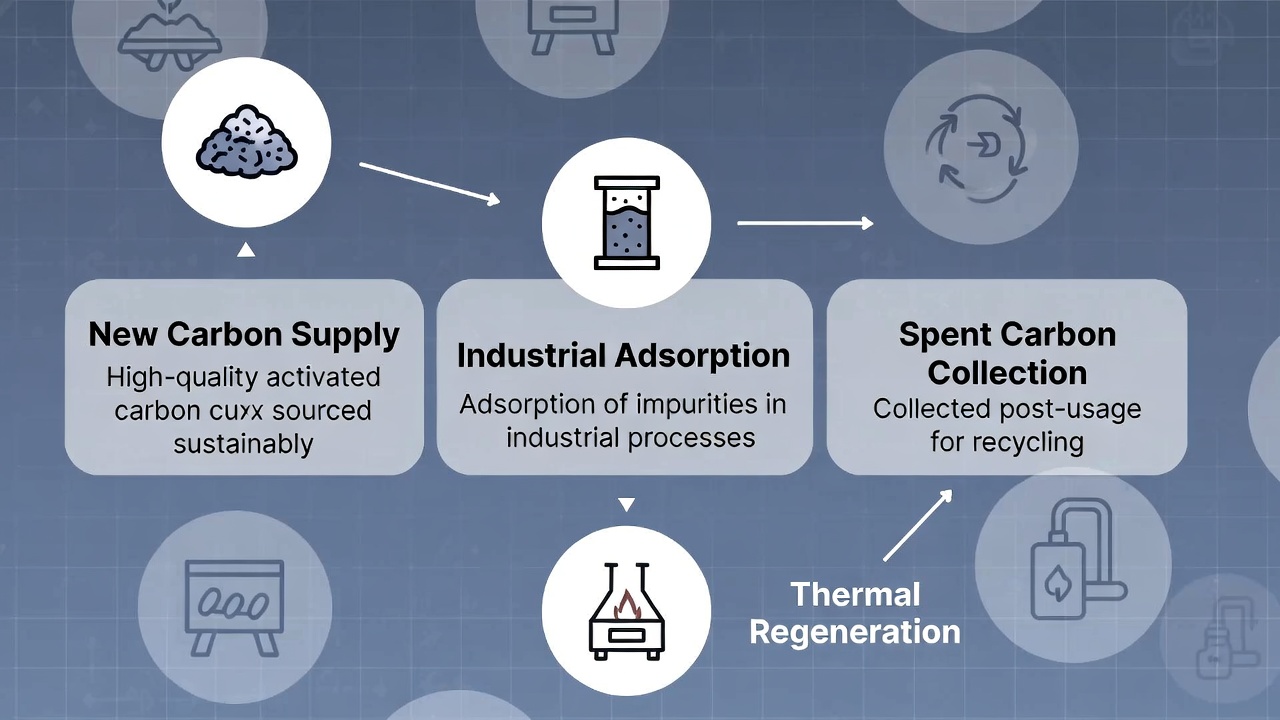
A significant trend we are seeing at Guangdong Tongke is the move toward thermal regeneration. Spent honeycomb carbon can often be regenerated, reducing the total cost of ownership by up to 40%. Many Japanese firms are now partnering with manufacturers who can provide "Closed-Loop" solutions—supplying the carbon and offering technical guidance on the regeneration process.
Japan remains at the forefront of environmental technology, and the selection of honeycomb activated carbon is a cornerstone of its industrial health. While traditional Japanese giants like Kuraray and Osaka Gas Chemicals set the bar, the market is increasingly defined by agile, high-quality manufacturers like Guangdong Tongke Activated Carbon Co., Ltd.
Are you ready to optimize your air purification system?
Whether you are a Japanese distributor or a global industrial operator, we offer professional, JIS-compliant honeycomb activated carbon solutions designed for your specific needs.
The most common industrial sizes are 100mm x 100mm x 100mm and 100mm x 100mm x 50mm. However, as a manufacturer, Guangdong Tongke can provide customized dimensions to fit specific existing equipment housings without the need for expensive modifications.
Service life depends heavily on the concentration of pollutants and the airflow velocity. In a typical VOC abatement system with moderate loading, a honeycomb block lasts between 6 to 12 months. We recommend regular monitoring of the pressure drop and exit gas concentration to determine the optimal replacement cycle.
While it is technically possible, honeycomb carbon is primarily designed for gas-phase applications. For water treatment, granular activated carbon (GAC) or powdered activated carbon (PAC) is generally more effective due to longer contact times and specific liquid-phase adsorption kinetics.
Waterproof honeycomb carbon undergoes a specialized secondary high-temperature firing process. This makes it ideal for environments with high humidity or where water mist is present (like kitchen exhausts or spray booths). Non-waterproof versions may soften or lose structural integrity if they become saturated with water.
Manufacturers like Guangdong Tongke offer a strategic balance. You receive the high-performance technical specifications required by Japanese standards (JIS) while benefiting from the economies of scale and supply chain agility of China’s leading industrial carbon hub.
We are activated carbon manufacturer integrating scientific research, development, production and sales. the product categories cover wood activated carbon, coal activated carbon, honeycomb activated carbon, coconut shell activated carbon, fruit shell activated carbon and other activated carbon product.
CONTACT US
Phone:+86-18928289566 Email:tongkecarbon@dghxt.com WhatsApp:+86-18928289566 Add:Room 12-11, Nancheng Street, Dongguan City, Guangdong Province, China