Content Menu
● What Is Activated Carbon and How Does It Work?
● Key Roles of Activated Carbon in Aquarium Filtration
>> Chemical Filtration
>> Water Polishing
>> Support for a Stable Environment
● Benefits of Using Activated Carbon in Aquariums
>> 1. Clear, Polished Water
>> 2. Odor Removal
>> 3. Removal of Medication Residues and Chemicals
>> 4. Improved Visual Appeal and Fish Comfort
>> 5. Convenience, Cost-Effectiveness, and Flexibility
● Limitations and Drawbacks of Activated Carbon
>> 1. Not a Substitute for Biological Filtration
>> 2. Possible Interaction with Nutrients and Trace Elements
>> 3. Phosphate and Dust Issues in Low-Quality Products
>> 4. Saturation and the Need for Replacement
>> 5. Special Concerns in Certain Systems
● Is Activated Carbon Necessary for Your Aquarium?
>> Situations Where Activated Carbon Is Very Useful
>> Situations Where Activated Carbon Is Optional
>> Situations Where You May Limit or Avoid Long-Term Use
● Best Practices for Using Activated Carbon in Your Aquarium
>> Selecting the Right Activated Carbon
>> How to Place Activated Carbon in the Filter
>> Rinsing and Maintenance
>> Using Activated Carbon Alongside Other Media
● Practical Example: Community Aquarium with Activated Carbon
● How to Decide If You Should Use Activated Carbon
● Conclusion
● FAQ About Activated Carbon in Aquariums
>> 1. Is activated carbon necessary in every aquarium filter?
>> 2. How often should I replace activated carbon in my aquarium?
>> 3. Does activated carbon remove fish medication?
>> 4. Can activated carbon remove ammonia, nitrite, and nitrate?
>> 5. Is activated carbon safe for planted or reef tanks?
● Citations:
Keeping aquarium water clean, stable, and healthy is every fish keeper's top priority, and activated carbon is one of the most widely used filter media to support this goal. However, whether activated carbon is truly necessary for every aquarium depends on your setup, maintenance habits, and water quality needs.
What Is Activated Carbon and How Does It Work?
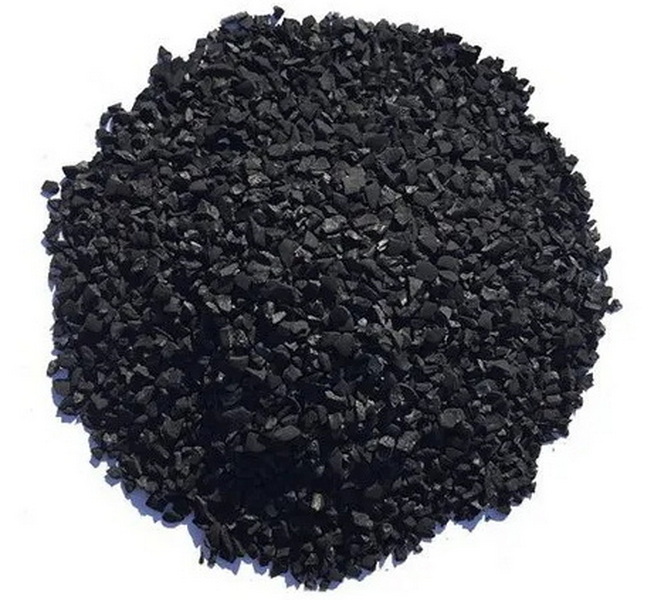
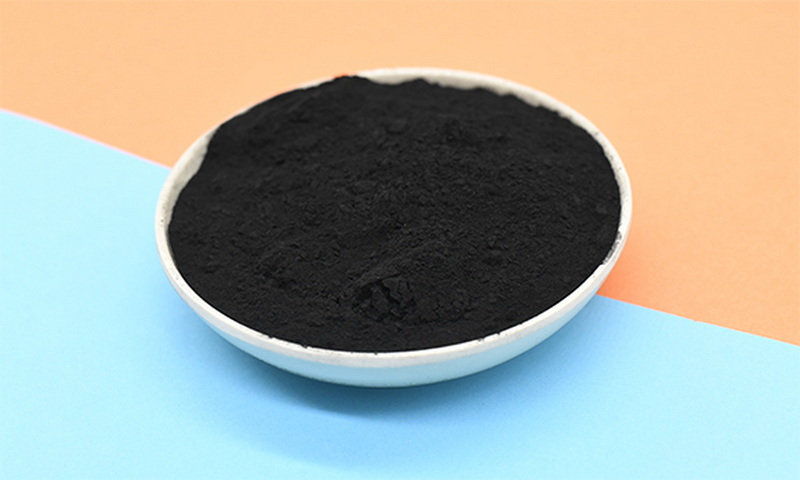
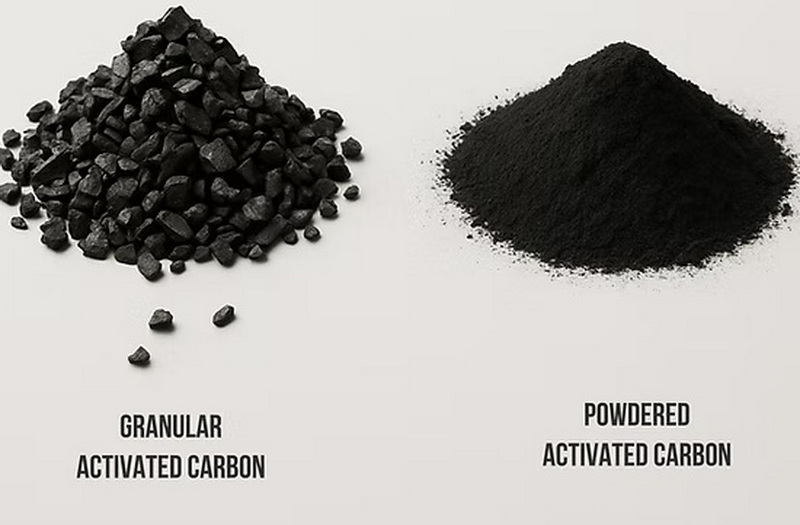
Activated carbon is a highly porous form of carbon that works through adsorption, trapping dissolved contaminants on its large internal surface area. In aquarium filters, activated carbon is usually placed in bags, cartridges, or canister filter baskets so water flows through it continuously.
Activated carbon adsorbs dissolved organic compounds, phenols, and many chemicals that mechanical sponges cannot catch. It is produced from raw materials like coal, wood, or coconut shells, then “activated” at high temperatures to create millions of microscopic pores. The higher the surface area of the activated carbon, the more efficiently it removes impurities and polishes aquarium water.
Because activated carbon works by adsorption rather than absorption, the pollutants stick to the internal surfaces of the carbon granules instead of being soaked into them. This makes activated carbon extremely effective for a wide range of dissolved substances, especially those that cause discoloration, odors, or chemical stress for fish and invertebrates.
Key Roles of Activated Carbon in Aquarium Filtration
Chemical Filtration
In a typical filtration system, mechanical media remove visible particles, and biological media host beneficial bacteria. Activated carbon adds a third layer: chemical filtration. It targets dissolved compounds that are invisible to the eye but can still harm aquatic life or spoil the appearance of the tank.
Chemical filtration with activated carbon is particularly important in situations where tap water or tank water contains complex organic molecules, medications, or unwanted chemicals that traditional sponge and ceramic media cannot manage. By continuously passing water through activated carbon, you create an extra safety net that improves overall water quality.
Water Polishing
Aquarists often describe activated carbon as a “water polisher” because of its ability to produce crystal-clear water. When driftwood, leaves, or certain substrates release tannins, the water can turn yellow or tea-colored. Activated carbon helps remove these tannins and other dissolved organics, restoring a brighter, more natural look.
This polishing effect is especially valuable in display aquariums in homes, offices, shops, restaurants, and public spaces. Clear, sparkling water makes fish colors stand out, improves visibility of aquascapes, and creates a more pleasant viewing experience for anyone looking at the aquarium.
Support for a Stable Environment
Activated carbon also contributes to a more stable environment when maintenance is not always perfect. By reducing dissolved waste, activated carbon can help lower overall organic load, which in turn may lessen stress on fish and reduce the risk of sudden water quality problems. It does not replace water changes or biological filtration, but it supports them as part of a balanced system.
Benefits of Using Activated Carbon in Aquariums
1. Clear, Polished Water
One of the most noticeable benefits of activated carbon is clear water. Activated carbon removes many of the dissolved organic compounds and tannins that cause yellow or brown coloration. It helps transform dull or slightly cloudy water into a bright, transparent environment.
This is particularly useful in tanks with large driftwood pieces, botanical setups, or new substrates that release organic substances. Activated carbon can keep the water looking clean and professional, which is important for both hobbyists and commercial displays.
2. Odor Removal
If your aquarium develops an unpleasant smell, activated carbon is one of the fastest ways to improve it. Many odor-causing compounds in aquariums are dissolved organics that biological filters do not handle immediately. By adsorbing these compounds, activated carbon helps your aquarium smell fresh and clean.
For tanks located in living rooms, offices, hotel lobbies, and other public areas, odor control is critical. Activated carbon provides a simple and effective solution that can be integrated into almost any filter.
3. Removal of Medication Residues and Chemicals
Activated carbon excels at removing many types of medication residues and chemicals from aquarium water. After completing a treatment for parasites, bacteria, or fungus, you generally want the remaining medication out of the water as soon as possible. Fresh activated carbon can adsorb these residues and help restore normal conditions.
Activated carbon also helps remove various organic pollutants that may come from tap water, food, or accidental contamination. While you should always use a dedicated water conditioner for chlorine and chloramine, activated carbon can provide an extra layer of protection and polishing.
4. Improved Visual Appeal and Fish Comfort
Crystal-clear, odor-free water is not only attractive to humans; it can also benefit fish. When water is free of many dissolved contaminants, fish experience less stress. Reduced stress supports stronger immune systems, better coloration, more active behavior, and improved feeding response.
In show aquariums or tanks with sensitive species, activated carbon can be part of a strategy to create stable, comfortable conditions where fish thrive and display their best colors.
5. Convenience, Cost-Effectiveness, and Flexibility
Activated carbon is easy to use, easy to replace, and relatively inexpensive compared with many advanced filtration solutions. You can place it in media bags, pre-filled cartridges, or modular filter trays. Most products only require a quick rinse to remove dust before use.
Because activated carbon can be added or removed at any time, it offers flexibility. You can run it continuously in heavily stocked tanks or just use it temporarily after a treatment or to solve a specific problem. This makes activated carbon a very practical tool for both beginners and experienced aquarists.
Limitations and Drawbacks of Activated Carbon
1. Not a Substitute for Biological Filtration
A common misunderstanding is that activated carbon takes care of all harmful substances in the aquarium. In reality, activated carbon does not remove ammonia, nitrite, or nitrate in any meaningful amount. These nitrogen compounds are produced from fish waste and uneaten food and are the main toxic elements in aquarium water.
Controlling ammonia, nitrite, and nitrate depends primarily on biological filtration, live plants, and regular water changes. Activated carbon can improve water quality, but it cannot replace beneficial bacteria, proper feeding practices, and a good maintenance schedule.
2. Possible Interaction with Nutrients and Trace Elements
In planted aquariums and some advanced reef systems, there is ongoing debate about whether activated carbon removes trace elements, chelated nutrients, or important organic compounds. While opinions differ, many experienced hobbyists believe continuous use of activated carbon can slightly reduce certain nutrients such as iron and some trace elements.
For low-tech or lightly planted tanks, this effect is unlikely to be a serious problem. However, in high-tech aquascapes with precise fertilization and CO₂ injection, or in delicate reef systems, many aquarists choose to use activated carbon only occasionally rather than all the time, to keep nutrient management more predictable.
3. Phosphate and Dust Issues in Low-Quality Products
Not all activated carbon products are equal. Low-quality activated carbon can contain high levels of ash or phosphate. Excess phosphate may contribute to algae blooms, especially in freshwater tanks with high light levels. Dusty activated carbon can also cause temporary irritation to fish if not rinsed properly before use.
To avoid these problems, it is wise to choose high-quality, aquarium-grade activated carbon from reliable suppliers. Proper rinsing under running water before placing activated carbon into the filter is also very important.
4. Saturation and the Need for Replacement
Activated carbon has a finite capacity. Once the pores are saturated with adsorbed substances, the activated carbon can no longer remove pollutants effectively. In some cases, old activated carbon may even start to release weakly bound substances back into the water, although this is a gradual process.
Because of this, activated carbon must be replaced regularly rather than cleaned and reused. The typical replacement interval is about 2–4 weeks, but it can vary depending on the bioload, tank size, and the specific products used.
5. Special Concerns in Certain Systems
In some marine systems, very fine or dusty activated carbon has been associated with issues like head and lateral line erosion (HLLE) in certain fish species. While the exact causes of HLLE are not fully understood, many experts recommend using hard, high-quality granular activated carbon and rinsing it well to reduce dust. Good water flow and careful handling can greatly reduce these risks.
Is Activated Carbon Necessary for Your Aquarium?
The question “Is activated carbon necessary?” does not have a single universal answer. The necessity of activated carbon depends on the type of aquarium you keep, your goals, and the level of maintenance you are able to perform.
Situations Where Activated Carbon Is Very Useful
You will find activated carbon especially beneficial in these scenarios:
- Aquariums that have just finished medication or chemical treatments and need to remove residues quickly.
- Heavily stocked community tanks where many fish produce large amounts of waste and dissolved organics.
- Show tanks or commercial aquariums where water must stay crystal clear and free from odor at all times.
- Aquariums filled with driftwood or botanicals that release tannins, causing strong discoloration of the water.
- Systems in which tap water quality is questionable and may contain organic contaminants that require additional polishing.
In these cases, activated carbon is not just convenient; it can be considered close to essential for maintaining the desired water quality and appearance.
Situations Where Activated Carbon Is Optional
Many successful aquariums operate without continuous use of activated carbon. This is especially true when:
- The tank is lightly stocked and receives regular, adequate water changes.
- Biological filtration is well established and the system has matured, with stable parameters.
- The aquarist prefers a more natural, low-intervention style and carefully controls feeding and maintenance.
- The aquarium is a well-balanced planted tank where plants and water changes maintain clarity and nutrient balance.
In these cases, activated carbon becomes a helpful tool rather than a permanent requirement. You may still keep it on hand to handle emergencies, temporary discoloration, or the removal of unwanted substances.
Situations Where You May Limit or Avoid Long-Term Use
There are also cases in which long-term continuous use of activated carbon may not be ideal:
- High-tech planted tanks with carefully dosed fertilizers, especially those relying on iron and trace elements for lush growth.
- Reef tanks with very sensitive corals where trace element balance is tightly controlled through dosing and water changes.
- Natural blackwater or botanical-style aquariums where tannins and colored water are intentionally maintained for specific fish species.
In these setups, activated carbon might still be used occasionally, for example after medication or during specific problems, but it is generally not run 24/7.
Best Practices for Using Activated Carbon in Your Aquarium
Selecting the Right Activated Carbon
When choosing activated carbon for your aquarium, consider the following points:
- Use aquarium-grade, high-quality activated carbon designed specifically for aquatic environments.
- Coconut shell–based activated carbon is popular for its hardness, low dust, and large surface area.
- Avoid very cheap, unbranded products that may contain high ash or phosphate.
The better the quality of the activated carbon, the more effective and safer it will be for long-term use in your aquarium.
How to Place Activated Carbon in the Filter
Correct placement of activated carbon inside the filter makes a big difference:
- Place mechanical media (sponges, filter floss) first, so they remove large particles before water reaches the activated carbon.
- Position activated carbon after mechanical media but before or alongside biological media, depending on your filter design.
- Ensure a steady, moderate flow of water through or around the activated carbon bag or cartridge.
This arrangement slows clogging of the activated carbon and maximizes contact time, which improves efficiency and extends the working life of the media.
Rinsing and Maintenance
Before using new activated carbon, always rinse it under clean water until the rinse water runs mostly clear. This step removes dust and tiny particles that can temporarily cloud the aquarium or irritate fish gills.
During routine maintenance:
- Replace activated carbon regularly, typically every 2–4 weeks, depending on load and goals.
- Do not simply rinse and reuse old activated carbon; once it is exhausted, it should be discarded.
- Monitor water clarity, odor, and any changes in behavior or health of fish to decide if you need to adjust the replacement schedule.
Using Activated Carbon Alongside Other Media
Activated carbon is most effective when it is part of a complete filtration system:
- Mechanical media trap solid debris.
- Biological media support beneficial bacteria.
- Activated carbon provides chemical filtration and water polishing.
By combining these three functions, you create a filtration system that deals with visible waste, invisible toxins, and dissolved organics together. This balanced approach is more reliable than relying heavily on any single type of media.
Practical Example: Community Aquarium with Activated Carbon
Consider a 120-liter community aquarium with peaceful fish like tetras, rasboras, and dwarf gouramis, along with a few shrimp and snails. The aquarist uses a canister filter filled with sponge, ceramic rings, and a bag of granular activated carbon.
At first, the tank contains new driftwood that releases tannins, turning the water slightly yellow. The activated carbon helps remove the tannins and keeps the water bright while the aquarium matures. When the fish suffer a mild fungal infection and require treatment, the aquarist removes the activated carbon during the medication period. After the last dose and a large water change, fresh activated carbon is installed to clear out any remaining chemical residues.
Over time, as plants grow and the system stabilizes, the aquarist may decide to run activated carbon only part of the time, such as one or two weeks per month, or use it only after treatments or when there is visible discoloration. This example shows how flexible activated carbon can be in real-world aquarium management.
How to Decide If You Should Use Activated Carbon
When deciding whether activated carbon is necessary for your own aquarium, ask yourself these questions:
- Do you notice persistent discoloration or unpleasant odor in the water?
- Do you frequently use medications or chemical treatments that must be removed afterward?
- Is your tank heavily stocked, and do you sometimes struggle to keep the water looking clear?
- Is this aquarium a showpiece where appearance and clarity are critical?
- Are you running a high-tech planted or delicate reef system where nutrient and trace-element balance is tightly controlled?
If the answer is “yes” to the first four questions, activated carbon will likely be very helpful and may feel almost essential. If the last question is more relevant, you may still want activated carbon on hand but use it more selectively and occasionally.
Conclusion
Activated carbon is not strictly required in every aquarium, but it is one of the most effective and flexible tools available for achieving clear, odor-free, and chemically polished water. In heavily stocked tanks, display aquariums, and systems that frequently receive medications or have discolored water, activated carbon offers clear advantages and can be considered highly important. In stable, lightly stocked, or well-balanced planted aquariums, activated carbon becomes optional and can be used strategically as a short-term solution instead of a permanent requirement.
The best way to think about activated carbon is as a powerful, specialized media that complements mechanical and biological filtration. Use activated carbon to solve specific problems and to raise the overall quality of your aquarium water, but do not rely on it as a replacement for good maintenance, appropriate stocking, and regular water changes. When chosen wisely and used correctly, activated carbon can significantly improve the health, appearance, and stability of your aquarium.
Contact us to get more information!
FAQ About Activated Carbon in Aquariums
1. Is activated carbon necessary in every aquarium filter?
No, activated carbon is not absolutely necessary in every aquarium. Many healthy tanks run successfully with strong biological filtration, proper mechanical filtration, and regular water changes, even without continuous use of activated carbon. However, activated carbon is very helpful in solving specific problems like discoloration, odor, and medication removal.
2. How often should I replace activated carbon in my aquarium?
A common guideline is to replace activated carbon every 2–4 weeks. The exact interval depends on your tank size, stocking level, feeding frequency, and overall water quality. Once activated carbon is saturated with adsorbed substances, it stops working effectively, so regular replacement is more important than cleaning or reusing old media.
3. Does activated carbon remove fish medication?
Yes, activated carbon is very effective at removing many types of fish medications and other chemical treatments after they have done their job. You should usually remove activated carbon from the filter while the medication is in the water, then perform a large water change when treatment is complete and add fresh activated carbon to clear any remaining residues. Always follow the instructions on the medication label.
4. Can activated carbon remove ammonia, nitrite, and nitrate?
Activated carbon does not remove ammonia, nitrite, or nitrate in any significant way. These substances are controlled mainly through biological filtration, live plants, and regular water changes. If you have problems with ammonia, nitrite, or nitrate, focus on improving your biological filter, reducing feeding, and increasing water change frequency rather than adding more activated carbon.
5. Is activated carbon safe for planted or reef tanks?
Activated carbon can be used safely in both planted and reef tanks, but it should be used with some care. In simple or low-tech planted tanks, activated carbon is usually fine and can help keep the water clear. In high-tech planted aquariums with precise fertilization, and in sensitive reef systems, many aquarists prefer to use activated carbon only intermittently. This approach reduces the risk of removing beneficial trace elements and keeps nutrient dosing more consistent.
Citations:
1. https://charterhouse-aquatics.com/blogs/help-guides/10-reasons-to-use-aquarium-activated-carbon
2. https://www.bunnycart.com/blog/how-important-is-activated-carbon-in-your-aquarium/
3. https://activatedcarbondepot.com/blogs/news/activated-carbon-for-aquariums-a-complete-guide
4. https://www.aquaticexperts.com/pages/activated-carbon-in-your-aquarium
5. https://www.practicalfishkeeping.co.uk/features/be-clear-about-carbon
6. https://www.aquascapeguide.com/post/should-you-use-activated-carbon-in-your-planted-tank-a-balancing-act
7. https://www.2hraquarist.com/blogs/filters-overview/what-about-water-polishers
8. https://www.reefbum.com/water-chemistry/pluses-minuses-using-activated-carbon
9. https://www.reef2reef.com/threads/activated-carbon-a-necessity.1039323
10. https://www.reef2reef.com/threads/what-exactly-does-activated-carbon-do.849963/
11. https://www.aquariacentral.com/forums/threads/pros-and-cons-of-activated-carbon.40340/
12. https://www.reddit.com/r/Aquariums/comments/rm5v8k/do_i_need_activated_carbon_in_my_filter_or_should/
13. https://www.reddit.com/r/Aquariums/comments/14e9ej/activated_carbon_useful_or_not/
14. https://www.youtube.com/watch?v=e47HJvyUdoU


