
Language
Views: 222 Author: Tina Publish Time: 2026-02-06 Origin: Site


Content Menu
>> Technical Definition Of Activated Carbon
>> Common Raw Materials For Activated Carbon
>> Charcoal Versus Activated Charcoal
>> How Activated Charcoal Is Produced
● Are Activated Carbon And Activated Charcoal The Same?
>> Terminology In Industry And Consumer Markets
>> Minor Nuances And Practical Reality
>> Practical Advice For Buyers And Engineers
● How Is Activated Carbon Produced?
>> Physical (Steam/Gas) Activation
● Main Types Of Activated Carbon
>> Granular Activated Carbon (GAC)
>> Powdered Activated Carbon (PAC)
>> Extruded, Impregnated, And Specialty Grades
● Key Applications Of Activated Carbon And Activated Charcoal
>> Water Treatment And Wastewater Purification
>> Food, Beverage, And Pharmaceutical Uses
>> Environmental And Specialty Uses
● How To Choose The Right Activated Carbon For Your Application
>> Define Process Goals And Contaminants
>> Match Form And Particle Size
>> Consider Regeneration, Lifetime, And Cost
● FAQ About Activated Carbon And Activated Charcoal
>> 1. Are activated carbon and activated charcoal exactly the same?
>> 2. Is there any difference between charcoal and activated carbon?
>> 3. Which is better for water treatment, GAC or PAC?
>> 4. Can activated carbon be regenerated and reused?
>> 5. What industries use activated carbon the most?
Yes – in most industrial and commercial contexts, activated carbon and activated charcoal refer to the same highly porous carbon adsorbent used for water treatment, air and gas purification, food and beverage processing, and many other applications. The two terms are largely interchangeable in technical literature, with “activated carbon” preferred in industry and standards, and “activated charcoal” more common in consumer products and media.
Activated carbon is a porous carbon material, typically obtained from carbonized organic matter, that has been treated with gases and sometimes chemicals to greatly increase its internal surface area and adsorption capacity. In practice this means a carbon‑rich raw material is carbonized at high temperature, then activated by steam, air, carbon dioxide, or chemical agents to open up a dense network of micro‑, meso‑, and macropores.
This complex pore system is what makes activated carbon so powerful for removing impurities and contaminants from liquids and gases. During activation, less ordered carbon atoms are burned away selectively, leaving behind a labyrinth of pores and channels where molecules can be adsorbed and retained. For industrial users, activated carbon is not just a material but a carefully engineered adsorbent designed to meet specific performance targets.
The structure of activated carbon is based on disordered, graphite‑like layers of carbon with a highly developed pore system that can deliver very high internal surface areas per gram of material. A single gram of well‑developed activated carbon can have the equivalent surface area of several tennis courts, giving enormous contact area for adsorption.
This enormous internal surface area is what allows activated carbon to adsorb a wide range of organic molecules, odors, colors, and trace contaminants from water, air, gases, and liquid chemicals. The distribution of micropores, mesopores, and macropores determines which molecules are most effectively adsorbed, so modern activated carbon products are tailored through raw material selection and activation conditions.
Commercial activated carbon is produced from many carbonaceous feedstocks, including:
- Coconut shells
- Wood and sawdust
- Bituminous or lignite coal
- Peat
- Nut shells (such as walnut or palm)
- Petroleum pitch or polymer precursors
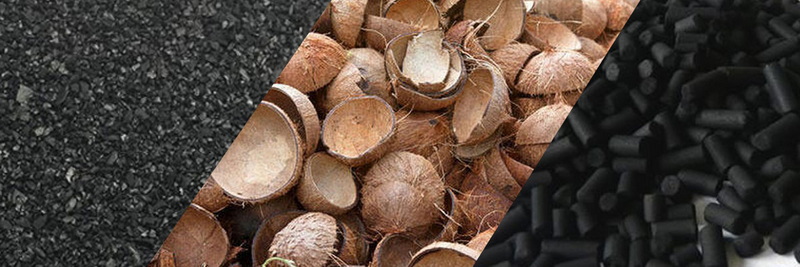
These raw materials are chosen according to performance and cost requirements. Coconut‑shell based activated carbon, for example, is widely used where high hardness, high purity, and well‑developed microporosity are required, such as in drinking water filters and solvent recovery systems. Coal‑based activated carbon is common in gas‑phase and industrial water treatment, while wood‑based activated carbon is often used when more mesoporous structures are needed.
“Charcoal” by itself usually refers to carbonized wood or biomass used as a fuel or simple adsorbent, without intensive activation treatment. Typical barbecue charcoal, for example, is mainly a fuel and has relatively low surface area and limited adsorption capacity.
When that charcoal is further processed by steam, gas, or chemical activation to drastically increase its porosity and surface area, it becomes activated charcoal, which is functionally the same as activated carbon. In other words, activated charcoal is charcoal that has undergone activation to become a high‑performance industrial adsorbent.
To make activated charcoal, charcoal or other carbonaceous material is heated at high temperature (typically several hundred to over one thousand degrees Celsius) in the presence of steam, carbon dioxide, or controlled oxygen, or impregnated with chemicals such as phosphoric acid or zinc chloride and then heated.
These activation processes burn out volatile components, open new pores, and enlarge existing pores, transforming ordinary charcoal into high‑performance activated carbon suitable for demanding filtration applications. After activation, the material is washed, dried, and sized to produce the final activated carbon product in granular, powdered, or pellet form.
Authoritative industry practice shows clearly that activated carbon and activated charcoal are synonymous terms that can be used interchangeably for the same material. In professional and scientific documents “activated carbon” is more common, because it covers all types of activated carbon regardless of the original raw material or application.
In cosmetics, health, and household products, “activated charcoal” is often used for marketing and consumer familiarity. Toothpastes, facial masks, and detox products like to highlight “charcoal” to connect with natural, plant‑based origins. Yet the underlying substance is still activated carbon with a highly porous structure.
Some authors note that “charcoal” traditionally implies a wood‑based source, while “activated carbon” may be produced from a wider variety of raw materials and optimized for specific performance indices such as iodine number, CTC adsorption, and hardness. In that sense, “charcoal” can be seen as a subset of possible carbon precursors.
However, once the carbon is properly activated and specified, activated carbon and activated charcoal of the same grade behave equivalently in typical industrial adsorption systems. For water treatment, air and gas purification, chemical processing, and many environmental applications, there is no practical difference in performance between a material labeled activated carbon and one labeled activated charcoal.
For engineers, buyers, and plant operators, the important factors are application fit and technical specifications of the activated carbon—such as pore size distribution, surface area, particle size, hardness, ash content, and adsorption capacity—rather than whether the label says “activated carbon” or “activated charcoal.”
When you source activated carbon for a system, you should:
- Request a detailed technical data sheet
- Check key adsorption indices (iodine number, methylene blue, CTC, etc.)
- Review moisture, ash, and hardness values
- Confirm particle size distribution and form (GAC, PAC, pellets)
- Discuss regeneration options and expected service life
If these parameters meet your process needs, you can safely ignore the choice of wording between activated carbon and activated charcoal.
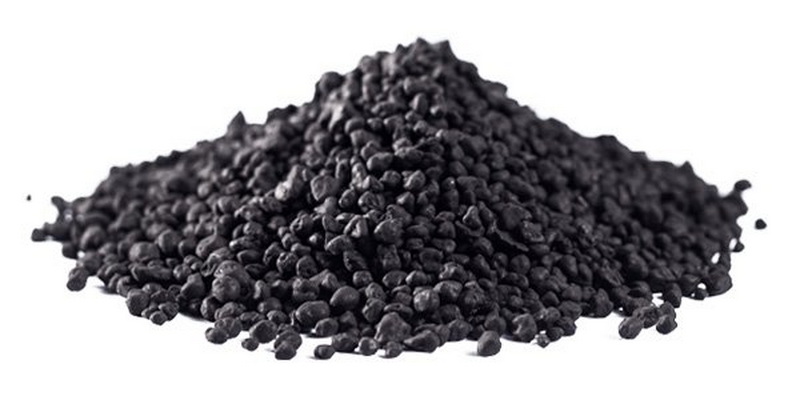
Production of activated carbon begins with carbonization, where the raw material is heated in an inert atmosphere at elevated temperature to drive off volatile components and leave a carbon‑rich char. During carbonization, tars, resins, and other volatiles are removed, and the basic skeleton of the carbon matrix is formed.
This char already has some porosity, but its surface area and adsorption capacity are still relatively limited compared to fully activated carbon. Carbonization is therefore only the first step in producing high‑quality activated carbon suitable for industrial treatment of water, air, and chemicals.
In physical activation, the char is further heated in the presence of oxidizing gases such as steam, carbon dioxide, or controlled amounts of oxygen at high temperatures. These gases react with the carbon in a highly controlled way, carefully burning away less ordered carbon atoms and opening a complex network of pores.
This process significantly increases surface area and creates the micro‑ and mesoporous structure that defines high‑performance activated carbon. By adjusting activation temperature, time, and gas composition, manufacturers can tailor activated carbon to suit the needs of specific applications, such as drinking water purification, solvent recovery, or gas purification.
In chemical activation, the precursor—often wood, sawdust, or other biomass—is impregnated with chemicals like phosphoric acid or zinc chloride, then heated to moderate temperatures. The chemicals promote cross‑linking and dehydration, resulting in a highly porous activated carbon structure after subsequent washing and drying.
Chemical activation tends to create more mesoporous structures and can be carried out at lower temperatures than physical activation. However, the process must be carefully controlled to ensure that residual chemicals are thoroughly removed, especially for food, beverage, and pharmaceutical applications where high purity activated carbon is essential.
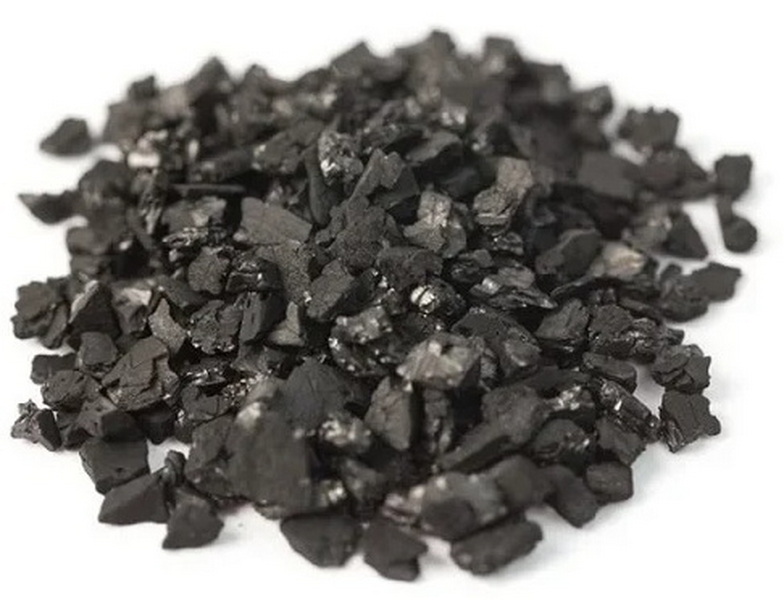
Granular activated carbon consists of relatively large particles, typically in the millimeter range, providing good hydraulic properties and mechanical strength for fixed‑bed adsorption systems. GAC is widely used in continuous water filters, air and gas purification beds, vapor recovery units, and reactivatable systems where activated carbon can be thermally regenerated and reused.
Granular activated carbon is particularly suitable when long contact times and stable pressure drop are required. Its larger particle size makes it easier to handle, backwash, and regenerate. Municipal water plants, groundwater remediation systems, and large industrial facilities commonly rely on GAC for cost‑effective, long‑term operation.
Powdered activated carbon is much finer, usually below a few hundred micrometers, creating extremely high external surface area and rapid adsorption kinetics. PAC is often dosed directly into water or liquid streams for short‑term or emergency treatment, taste and odor control, or polishing applications where single‑use activated carbon is acceptable.
Because PAC is dosed as a slurry or powder and then separated (for example by sedimentation or filtration), it offers great flexibility to respond to seasonal or sudden contamination events. Utilities often apply powdered activated carbon during algal blooms or odor spikes, while industrial users may add PAC to batches that require rapid decolorization or impurity removal.
Extruded or pelletized activated carbon is produced by forming carbon into uniform cylindrical pellets, ideal for gas‑phase applications requiring low pressure drop, high mechanical strength, and consistent packing. Pelletized activated carbon is commonly used in solvent recovery, VOC control, and gas purification systems.
Many specialty activated carbon grades are impregnated with chemicals or catalysts to enhance specific adsorption or reaction mechanisms. Examples include activated carbon impregnated with sulfur or other agents for mercury capture, activated carbon with alkali or metal oxides for acid gas control, and catalytic activated carbon for ozone or hydrogen sulfide removal. These specialty activated carbon products allow users to address complex environmental and process challenges with tailored solutions.
Activated carbon is a core technology in drinking water treatment, industrial water purification, and wastewater polishing. It removes organic contaminants, micro‑pollutants, taste and odor compounds, and residual disinfectants such as chlorine or chloramine.
In municipal systems, granular activated carbon filters are used after conventional treatment to improve color, odor, and overall water quality. Industrial plants use activated carbon to protect membranes and resins, to meet tight discharge limits, and to safeguard product quality. Powdered activated carbon can be dosed flexibly to respond to accidental spills, seasonal changes, or episodic contamination.
In air and gas‑phase systems, activated carbon is used to remove volatile organic compounds (VOCs), odors, and toxic gases from industrial exhaust, solvent recovery streams, and indoor environments. Activated carbon beds capture harmful molecules on their surfaces, preventing their release into the workplace or atmosphere.
Activated carbon is also applied in flue gas treatment to capture mercury, dioxins, and other pollutants, contributing to emissions reduction and regulatory compliance for power plants and waste incineration facilities. In addition, many air purification devices, respirators, and protective masks incorporate activated carbon to control odors and hazardous gases.
Food and beverage producers rely on activated carbon to decolorize sugar, purify sweeteners and organic acids, and remove off‑flavors and odors from ingredients and final products. For example, activated carbon is used in sugar refining, wine and juice polishing, and edible oil purification.
In pharmaceuticals and fine chemicals, activated carbon is used to purify intermediates, remove trace impurities and catalysts, and achieve consistent color and purity in high‑value products. The high surface area and controlled pore structure of pharmaceutical‑grade activated carbon make it an essential purification tool for active pharmaceutical ingredients and specialty chemicals.
Beyond classical water and air treatment, activated carbon is used in personal protective equipment, medical treatments, and metal recovery processes. In emergency medicine, activated carbon is sometimes administered for certain kinds of poisoning because it can adsorb many toxins in the gastrointestinal tract.
Activated carbon is also incorporated into odor‑control packaging, household filters, automotive cabin filters, and many specialty systems where high‑efficiency adsorption is required. Its flexibility, regenerability, and strong performance make activated carbon one of the most versatile materials in modern environmental and process engineering.
Selecting the right activated carbon starts with clearly defining your process objectives: target contaminants, required removal efficiency, and regulatory or product‑quality limits. Different contaminants—such as chlorinated solvents, natural organic matter, color bodies, or odorous sulfur compounds—respond best to specific pore structures and surface chemistries in activated carbon.
You should identify:
- The type and concentration of contaminants
- The desired effluent quality or product purity
- Temperature, pH, and other process conditions
- Expected flow rates and contact times
With this information, an activated carbon supplier can recommend appropriate grades and forms of activated carbon.
Granular activated carbon is generally preferred for fixed‑bed, continuous operation and for systems that plan to thermally reactivate and reuse activated carbon, while powdered activated carbon is ideal for rapid, flexible dosing in batch or emergency treatments. Pelletized activated carbon is often used when low pressure drop and mechanical robustness are especially important.
Particle size directly affects pressure drop, contact time, and adsorption rate, so the form of activated carbon must be matched to your hydraulic and process design. Finer activated carbon particles provide faster kinetics but also higher pressure drop and more challenging handling, while larger particles are easier to handle but may require longer contact times.
Engineers must balance initial carbon cost, expected lifetime, regeneration options, and disposal costs when choosing an activated carbon grade. Higher‑density and mechanically stronger activated carbon often offers better volume activity and longer service life, which can lower the total cost of ownership in large systems.
Regeneration is another key consideration. Many granular activated carbon grades can be thermally reactivated multiple times, significantly reducing waste and long‑term costs. In contrast, powdered activated carbon is usually not regenerated and is instead disposed of along with sludge or other residues. A complete life‑cycle cost analysis should consider not only the price per kilogram of activated carbon but also change‑out frequency, transport, regeneration, and disposal.
In modern industrial practice, activated carbon and activated charcoal describe the same class of highly porous adsorbent materials, and the two terms are used interchangeably in many technical and commercial contexts. While “charcoal” may suggest a traditional wood‑based origin and is popular in consumer marketing, activated carbon is the broader technical term that covers all activated materials derived from various carbon sources.
What truly matters is not the name on the bag, but the performance characteristics of the activated carbon—its pore structure, surface area, form (GAC, PAC, pellets), purity, and suitability for your specific water, air, gas, food, or pharmaceutical application. By working closely with a specialized activated carbon manufacturer and clearly defining process goals, you can select optimized activated carbon solutions that deliver reliable, cost‑effective purification for global industrial operations.
For end users, engineers, and procurement teams, the safest approach is to treat activated carbon and activated charcoal as equivalent terms and focus instead on detailed specifications, application experience, and technical support from your chosen activated carbon supplier.
Contact us to get more information!
In most practical applications, yes—activated carbon and activated charcoal refer to the same porous adsorbent material used for filtration and purification. Both are highly porous forms of carbon that have been processed to achieve high surface area and strong adsorption capacity.
The difference is mainly in language and marketing: “activated carbon” is more common in industry, standards, and scientific literature, while “activated charcoal” appears more often in consumer products, cosmetics, and health‑related items. From a performance point of view, they can be treated as the same material.
Charcoal is typically a basic carbonized material, often from wood, used mainly as a fuel or simple adsorbent, whereas activated carbon is charcoal or another carbonaceous material that has been further processed to develop a much higher surface area and pore volume. Ordinary charcoal has some adsorption capacity, but it is limited compared with fully activated carbon.
The activation step—using steam, gases, or chemicals at elevated temperature—creates the complex pore structure that makes activated carbon highly effective for water, air, gas, and chemical purification. Without activation, charcoal does not provide the same level of performance as industrial activated carbon.
Both granular activated carbon (GAC) and powdered activated carbon (PAC) are effective for water treatment, but they serve different system designs and operational strategies. GAC is typically used in fixed‑bed filters for continuous treatment and possible regeneration, making it ideal for long‑term, large‑scale installations such as municipal water plants and industrial process water systems.
PAC is dosed directly into water or liquid streams for rapid, flexible treatment, taste and odor control, or short‑term polishing. It is often the best choice for seasonal events, emergency contamination, or batch processes. The “better” option depends on your treatment goals, infrastructure, and cost strategy.
Many granular activated carbon grades can be thermally reactivated to restore a large portion of their adsorption capacity, offering significant cost and waste‑reduction benefits for large‑scale systems. In a typical regeneration process, spent activated carbon is heated in a controlled atmosphere to remove adsorbed organics and restore pore volume.
However, regeneration is not suitable for every case. Some applications, such as those involving hazardous waste or certain pharmaceuticals, may require special handling or disposal of spent activated carbon. Powdered activated carbon is usually not regenerated and is instead removed along with sludge or filter cake.
Major users of activated carbon include municipal and industrial water treatment plants, air and gas purification systems, food and beverage manufacturers, chemical and pharmaceutical producers, and environmental control facilities for flue gas treatment and emissions reduction. In these sectors, activated carbon is a key technology for meeting regulatory standards and protecting product quality.
Activated carbon is also found in many consumer and specialty applications, from household water filters and refrigerator deodorizers to automotive cabin filters, respirators, protective masks, and medical products. Its versatility, regenerability, and strong adsorption performance make activated carbon a critical material across a wide range of industries.
1. https://generalcarbon.com/facts-about-activated-carbon/activated-carbon-faq/
2. https://www.westerncarbon.com/activated-carbon-activated-charcoal/
3. https://www.reddit.com/r/explainlikeimfive/comments/14woio8/eli5_how_is_charcoal_activated_and_what_makes_it/
4. https://procoal.co.uk/blogs/beauty/what-is-the-difference-between-activated-carbon-activated-charcoal
5. https://char-grow.com/biochar-vs-charcoal-vs-activated-carbon
6. https://www.scribd.com/document/684903735/IUPAC-Activated-Carbon-1
7. https://www.kuraray.eu/products-solutions/product-ranges/activated-carbon
8. https://heycarbons.com/granular-activated-carbon-vs-powdered-activated-carbon/
9. https://en.wikipedia.org/wiki/Activated_carbon
10. https://www.ferrovial.com/en/stem/activated-carbon/
11. https://puragen.com/uk/insights/what-is-activated-carbon-used-for/
12. https://www.yrdcarbon.com/news/differences-granular-powdered-activated-carbon.html
13. https://www.youtube.com/watch?v=XUYz1i1rJwo
14. https://goldbook.iupac.org/terms/view/A00090
15. https://www.naturecarbon.com/news/main-functions-and-uses-of-activated-carbon-27355876.html


