Content Menu
● What Is Activated Carbon and Why Rinsing Matters
● Tools and Materials You Need to Rinse Activated Carbon
● General Method: How to Rinse Loose Granular or Pellet Activated Carbon
>> Step 1: Contain the Activated Carbon
>> Step 2: Initial Cold‑Water Rinse
>> Step 3: Soak to Dislodge Remaining Fines
>> Step 4: Drain and Final Rinse
>> Step 5: Install Activated Carbon and Flush the System
● How to Rinse Activated Carbon for Aquariums and Fish Ponds
>> Step 1: Prepare Aquarium Activated Carbon Media
>> Step 2: Thorough Rinse Before Installation
>> Step 3: Install Activated Carbon in the Filter
>> Step 4: Maintenance and Replacement
● How to Rinse and Clean Activated Carbon Air Filters
>> Step 1: Remove the Activated Carbon Filter Safely
>> Step 2: Dry Cleaning Before Rinsing
>> Step 3: Rinse the Activated Carbon Filter (If Allowed)
>> Step 4: Dry Completely Before Re‑Use
>> Step 5: Reinstall and Monitor Performance
● Deep‑Cleaning and Limited Reuse of Activated Carbon
>> Soaking in Water or Mild Solutions
>> Low‑Temperature Oven Drying
>> When Not to Reuse Activated Carbon
● Common Mistakes to Avoid When Rinsing Activated Carbon
● Best Practices for Rinsing Activated Carbon in Industrial Systems
● Conclusion
● FAQ: How to Rinse Activated Carbon
>> 1. How long should I rinse activated carbon before using it?
>> 2. Do I need to rinse activated carbon that is labeled “pre‑washed” or “ready to use”?
>> 3. Can I use soap or detergent to rinse activated carbon?
>> 4. Is it safe to reuse activated carbon after rinsing and cleaning?
>> 5. Can all activated carbon air filters be rinsed with water?
● Citations:
Activated carbon is one of the most widely used filtration media for water treatment, air and gas purification, food and beverage processing, and many industrial applications. Properly rinsing activated carbon before use is a simple but critical step to ensure clean operation, stable performance, and protection of downstream equipment and products. When you know how to rinse activated carbon correctly, you can avoid cloudy water, carbon dust, and performance issues across different systems.
This article explains what activated carbon is, why rinsing matters, and how to rinse activated carbon in several real‑world scenarios, including aquariums, industrial water treatment, and air purification. You will also learn about deep‑cleaning methods, common mistakes to avoid, and answers to frequently asked questions at the end.
What Is Activated Carbon and Why Rinsing Matters
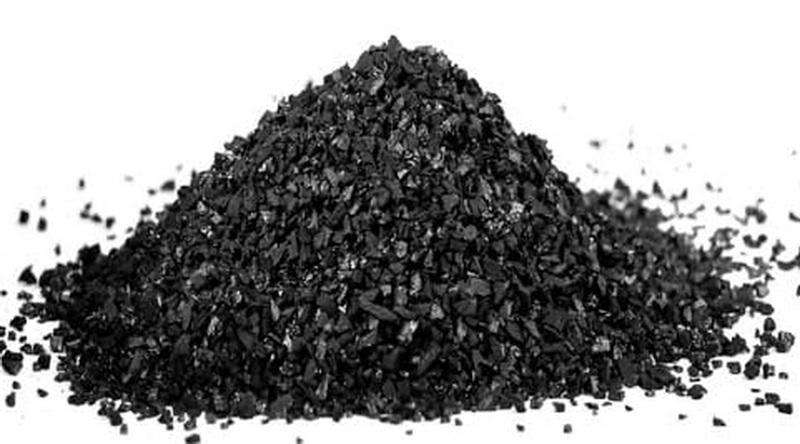
Activated carbon is a specially processed form of carbon with a highly porous structure and an enormous internal surface area. These microscopic pores adsorb (not just absorb) a wide range of contaminants, including organic compounds, odors, chlorine and chloramines, color bodies, and various trace impurities in liquids and gases. Because of its versatility, activated carbon is used in:
- Water treatment and municipal filtration
- Industrial process water and wastewater polishing
- Aquariums and fish ponds
- Food and beverage purification and decolorization
- Pharmaceutical and chemical processing
- Air purification, odor control, and gas treatment
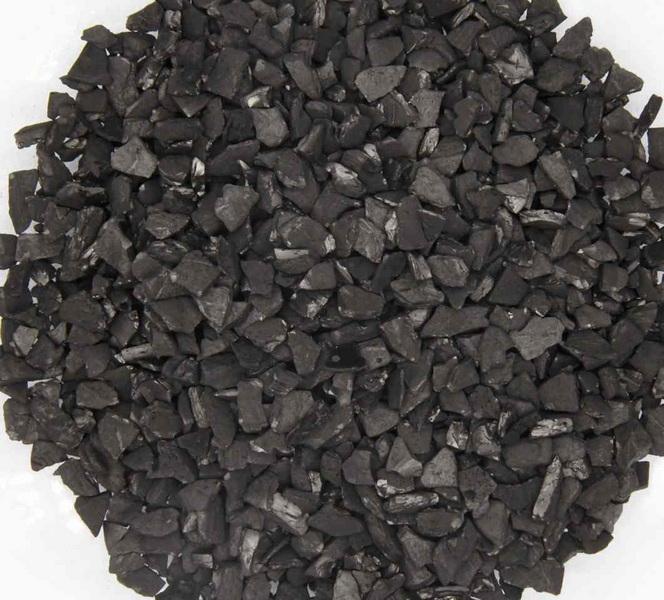
During manufacturing, handling, and transportation, activated carbon granules and pellets naturally generate fine dust and small fragments. If you place unrinsed activated carbon directly into a system, these loose particles can be flushed out and cause several problems. Cloudy water, black or gray discoloration, clogged filters, fouled membranes, and irritation in air applications are all possible. In high‑purity applications, unremoved dust can also affect product quality and analytical results.
Rinsing activated carbon removes dust and loose particles from the surface and from between granules before the media is placed into service. This simple preparation step improves initial water or air clarity, reduces the risk of blockages, and helps activated carbon beds stabilize more quickly. In many cases, rinsing followed by a controlled startup flush is part of standard commissioning practice for new activated carbon systems.
Tools and Materials You Need to Rinse Activated Carbon
Before you start rinsing activated carbon, it is helpful to prepare a basic setup that you can adapt to your specific application. The following items are commonly used when rinsing loose granular activated carbon or pellet activated carbon:
- Clean plastic bucket or container (food‑grade or chemical‑resistant depending on the process)
- Fine mesh media bag, filter bag, or plastic strainer to contain activated carbon
- Clean water source: tap water, filtered water, demineralized or RO water, as required
- For air filter media: soft brush or low‑power vacuum cleaner
- Personal protective equipment such as gloves, mask, and safety glasses when handling large volumes of dusty activated carbon
For industrial systems, the equipment may include larger filter vessels, backwash lines, sight glasses, and dedicated start‑up procedures. However, the basic principles of rinsing activated carbon remain the same: contain the media, rinse to remove dust, soak if needed, and flush the system until stable.
General Method: How to Rinse Loose Granular or Pellet Activated Carbon
This general method applies to most loose granular activated carbon and pellet activated carbon used in cartridge filters, pressure vessels, inline filters, and similar equipment.
Step 1: Contain the Activated Carbon
Measure the required amount of activated carbon according to your system design or product instructions. Place the activated carbon into a fine mesh media bag, filter sock, or strainer. The mesh must be small enough to retain the activated carbon granules while allowing water to flow freely through.
For large industrial systems, activated carbon is often loaded directly into vessels or internal baskets. In those cases, strainers, under‑drains, or nozzles at the bottom of the vessel prevent activated carbon from leaving the filter during rinsing and operation. Regardless of scale, the goal is to keep activated carbon contained but well exposed to rinsing water.
Step 2: Initial Cold‑Water Rinse
Hold the media bag or strainer with activated carbon under running cold water. Gently move and knead the bag with your hand to release trapped air and dislodge loose dust from the activated carbon surface. At first, the water running out will look very dark or cloudy because of fine carbon particles.
Continue rinsing activated carbon until the water becomes noticeably clearer and most visible black or gray dust disappears. If you prefer to rinse in a bucket, place the bag of activated carbon into the bucket, fill it with water, agitate gently, and then pour off the dirty water. Refill and repeat several times until the water becomes almost clear.
Avoid very high water pressure that might fracture the activated carbon granules and create even more fines. Gentle but thorough movement is better than aggressive washing.
Step 3: Soak to Dislodge Remaining Fines
After the initial rinse, place the bag or strainer of activated carbon into a container filled with clean water. A common starting point is a ratio of about five parts water to one part activated carbon by volume, but you can use more water if convenient. Make sure all activated carbon is submerged.
Allow the activated carbon to soak for at least 20–30 minutes. During this time, you can occasionally swirl the bag or stir the water to help trapped micro‑particles and soluble residues move away from the activated carbon surface. Soaking is particularly beneficial for high‑purity applications, where tiny fines can cause long‑lasting turbidity or interfere with downstream processes.
In industrial settings, the soaking step is often equivalent to a static fill followed by slow mixing or recirculation. The key objective is the same: give fine particles enough time to detach from the activated carbon and move into the bulk water, where they can be drained away.
Step 4: Drain and Final Rinse
Once soaking is complete, lift the bag of activated carbon out of the container and allow the water to drain. Dispose of the dirty rinse water according to your plant's environmental and safety guidelines, especially if the activated carbon has already been used and may contain contaminants.
Give the activated carbon a final rinse under running water. Continue rinsing until the water runs clear and you do not see visible dust or dark coloration. Gently press or squeeze the media bag to expel trapped water, but do not crush the activated carbon granules, as this would reduce particle size and create more fines.
At the end of this step, the activated carbon is clean, hydrated, and ready to be installed in your system.
Step 5: Install Activated Carbon and Flush the System
Install the rinsed activated carbon in the designated filter housing, vessel, cartridge shell, or filter chamber according to the equipment manufacturer's instructions. In cartridge‑type housings, activated carbon is usually positioned downstream of mechanical pre‑filters that capture sediments and protect the carbon bed.
After installation, run clean water through the activated carbon system and discharge the first flush to drain. This startup flush removes any remaining loose particles, stabilizes flow through the activated carbon bed, and helps achieve consistent outlet quality. For water systems, continue flushing until the outlet water is clear and free of visible carbon particles or discoloration.
In sensitive processes such as beverage production or pharmaceutical manufacturing, the startup protocol may include defined flushing volumes, contact times, and quality tests (such as turbidity, conductivity, or TOC) to verify that the activated carbon system is fully conditioned.
How to Rinse Activated Carbon for Aquariums and Fish Ponds
Aquarium owners use activated carbon to polish water, remove tannins, control odors, and improve clarity. However, if you add unrinsed activated carbon directly into an aquarium filter, the carbon dust can quickly cloud the water and stress fish.
Step 1: Prepare Aquarium Activated Carbon Media
Check your aquarium filter manufacturer's recommendations for the proper amount of activated carbon based on tank volume and stocking level. Many internal, hang‑on‑back, and canister filters use pre‑packed activated carbon cartridges. Others require you to fill media bags with granular activated carbon.
Even when a product is labeled “pre‑washed” or “ready to use,” a quick rinse is still helpful. Pre‑washing during production reduces dust, but handling, cutting, and packaging can still generate fine particles.
Step 2: Thorough Rinse Before Installation
Place the activated carbon cartridge or media bag under running tap water in a sink or bucket. Gently squeeze and knead the bag so water flows through all parts of the activated carbon bed. The first rinse water will usually appear very dark.
Continue rinsing activated carbon until the water flowing out is only slightly tinted or nearly clear. A few minutes of patient rinsing at this stage can save you from hours of cloudy aquarium water later. If you are rinsing in a bucket, fill, swirl, and pour off cloudy water several times until it clears.
Step 3: Install Activated Carbon in the Filter
Open your filter and place the rinsed activated carbon cartridge or bag in the recommended position. In many designs, mechanical filter pads or sponges are placed before the activated carbon to trap solids, while biological media may be placed after. The goal is to allow activated carbon to work primarily on dissolved substances, not on debris that clogs pores.
Once you restart the filter, you may see a slight initial tint in the water, especially if some fines remain. This usually clears quickly, especially if you performed a good rinse. During large water changes, you can allow the filter to run and overflow into a bucket or sink for a few minutes before directing flow back into the aquarium, further minimizing any carbon dust entering the tank.
Step 4: Maintenance and Replacement
Rinsing activated carbon removes dust but does not regenerate its adsorption capacity. Over time, the pores of the activated carbon fill with organic molecules, chlorine, color compounds, and other contaminants. Once saturated, activated carbon will no longer remove impurities effectively.
For most aquariums, replacing activated carbon every 3–4 weeks is common practice, although the actual schedule depends on stocking, feeding levels, and water quality targets. Rinsing used activated carbon may remove surface debris but cannot fully restore its performance. For high water quality and stable conditions, regular replacement is recommended.
How to Rinse and Clean Activated Carbon Air Filters
Activated carbon air filters help capture odors, volatile organic compounds (VOCs), and some gaseous pollutants in air purifiers, HVAC systems, and odor control units. Some of these filters can be gently rinsed or cleaned, while others are disposable. Always follow the product manual for your specific filter.
Step 1: Remove the Activated Carbon Filter Safely
Turn off and unplug the air purifier or system. Open the housing according to the manufacturer's instructions and locate the activated carbon filter. It may be a separate flat panel, a layer bonded to a pre‑filter, or a cylindrical cartridge.
Take note of the direction of airflow, as indicated by arrows or labels. Remove the activated carbon filter carefully so you can reinstall it in the right orientation after cleaning.
Step 2: Dry Cleaning Before Rinsing
Before introducing water, perform dry cleaning. Use a soft brush or a vacuum with a brush attachment to gently remove dust, lint, and hair from the surface of the activated carbon filter. This step prevents loose debris from forming mud when wet.
Do not press too hard or bend the filter excessively. Excessive force can fracture the activated carbon granules, loosen the bonding matrix, or create gaps in the filter structure.
Step 3: Rinse the Activated Carbon Filter (If Allowed)
Some manufacturers specify that their activated carbon filter panels can be rinsed under lukewarm water, while others strictly prohibit it. If rinsing is allowed, run water through the filter from the clean side to the dirty side if possible, so contaminants are pushed out in the opposite direction of normal airflow.
Avoid using soap, detergent, or harsh chemical cleaners. These substances can leave residues that coat the activated carbon, block pores, and reduce adsorption efficiency. Simple water rinsing is usually sufficient for surface cleaning of an activated carbon filter.
Step 4: Dry Completely Before Re‑Use
After rinsing, gently shake off excess water and place the activated carbon filter on a clean surface in a well‑ventilated area. Allow it to air dry completely before reinstalling. Depending on thickness and humidity, this may take several hours or even overnight.
Never install a wet or damp activated carbon air filter. Moisture trapped inside can promote mold growth, cause odors, and damage the structural materials.
Step 5: Reinstall and Monitor Performance
Once thoroughly dry, reinstall the activated carbon filter in the unit, making sure it faces the correct direction and fits snugly into its frame or slot. Close the housing and restart the system.
Monitor airflow and odor control performance. If you notice increased noise, restricted airflow, or persistent odors even after cleaning, the activated carbon filter may be exhausted and ready for replacement. Rinsing can remove dust but not fully restore adsorption capacity.
Deep‑Cleaning and Limited Reuse of Activated Carbon
In some non‑critical applications, users may try to clean and reuse activated carbon several times to reduce cost. While this can work to a limited extent, it is important to understand the limitations.
Soaking in Water or Mild Solutions
A simple deep‑cleaning method involves soaking used activated carbon in warm water. Stir or agitate the activated carbon periodically to remove loosely held contaminants. After soaking, rinse the activated carbon thoroughly until the water runs clear.
Some users employ mild acidic solutions, such as water with a small amount of food‑grade acid or salt, to help break down mineral deposits or scale on the surface. If you use any additives, you must rinse activated carbon very thoroughly afterward to remove all residues.
Low‑Temperature Oven Drying
After rinsing and soaking, activated carbon can be dried in an oven at moderate temperatures (for example around 100–120°C) if compatible with your process. Spreading the activated carbon in a thin layer allows moisture to evaporate more easily. Low‑temperature heating helps remove water and a portion of loosely adsorbed organic compounds.
However, true industrial reactivation of spent activated carbon requires much higher temperatures in specialized kilns, often with steam or controlled gas atmospheres. This process restores a large part of the original pore structure and cannot be replicated in normal ovens. Home‑level cleaning may recover only partial capacity and is suitable mainly for low‑risk, non‑critical uses.
When Not to Reuse Activated Carbon
There are many situations where reusing activated carbon is not advisable:
- When the activated carbon has treated unknown or toxic industrial chemicals
- When used in pharmaceutical, medical, or high‑purity food applications
- When heavy metals or hazardous organics may have been captured
- When odor or color breakthrough has already occurred
In these cases, replacing activated carbon or sending it to a professional reactivation service is the safer and more reliable option. Rinsing alone cannot remove trapped hazardous contaminants.
Common Mistakes to Avoid When Rinsing Activated Carbon
Even though rinsing activated carbon is straightforward, several common mistakes can reduce performance or create hazards. Avoid the following:
- Using detergents, soaps, or bleach directly on activated carbon
- Applying extremely high water pressure that crushes granules
- Failing to rinse until water runs clear, leaving excessive dust in the system
- Installing wet activated carbon air filters without full drying
- Assuming all filters with activated carbon can be rinsed with water
- Grinding or aggressively stirring activated carbon, which creates more fines
Good practice focuses on gentle rinsing, thorough but controlled soaking, and strict adherence to the equipment and media supplier's instructions. Whenever you are unsure, consult your provider for application‑specific guidance.
Best Practices for Rinsing Activated Carbon in Industrial Systems
In large‑scale water and process systems, rinsing activated carbon is typically integrated into a broader start‑up and maintenance procedure. Some best practices include:
- Pre‑inspection of vessels, strainers, and under‑drain systems before loading activated carbon
- Controlled filling of vessels to avoid impact and particle breakage
- Initial slow filling with water from the bottom to fully wet the activated carbon and remove trapped air
- Backwashing or gentle agitation to lift and classify the bed, removing fines to drain
- Gradual transition from rinse water to process water to avoid hydraulic shocks
- Documentation of rinse volumes, flow rates, and target quality parameters at startup
By treating rinsing as part of system commissioning rather than a quick add‑on, you help ensure that activated carbon beds deliver consistent, predictable performance from the very beginning of operation.
Conclusion
Rinsing activated carbon is a small step with big impact. Whether you are preparing activated carbon for an aquarium filter, an air purifier, a household drinking water system, or an industrial process, cleaning away dust and fines before service improves clarity, protects equipment, and helps stabilize performance. A thoughtful combination of containment, rinsing, soaking, draining, and flushing allows activated carbon to start working efficiently from day one.
For high‑value or high‑risk applications, rinsing activated carbon should be integrated into a documented start‑up protocol that also includes bed conditioning, quality checks, and routine replacement or professional reactivation. In everyday uses such as home filtration and hobby aquariums, good rinsing habits help you get the most from activated carbon while avoiding unnecessary problems like cloudy water or dust. Understanding how to rinse activated carbon correctly is therefore an essential skill for anyone who relies on this powerful filtration media.
Contact us to get more information!
FAQ: How to Rinse Activated Carbon
1. How long should I rinse activated carbon before using it?
You should rinse activated carbon until the rinse water runs almost clear and no visible dark dust remains. In many cases, this takes just a few minutes under gentle running water while you knead or stir the activated carbon. For sensitive applications, following rinsing with a 20–30 minute soak and a final rinse provides extra assurance.
2. Do I need to rinse activated carbon that is labeled “pre‑washed” or “ready to use”?
Even pre‑washed or “ready to use” activated carbon benefits from a quick rinse. Packaging, transportation, and handling can still create fine dust. A brief rinse before installation reduces the risk of cloudy water in aquariums, initial turbidity in water systems, and dust release in other applications.
3. Can I use soap or detergent to rinse activated carbon?
No. You should not use soap, detergent, or household cleaners directly on activated carbon. These chemicals can be adsorbed into the pores and later released into water or air streams, contaminating your system and reducing adsorption capacity. Clean water is normally sufficient for rinsing activated carbon. If you must clean housings or containers, do so separately and rinse them thoroughly before refilling with activated carbon.
4. Is it safe to reuse activated carbon after rinsing and cleaning?
Rinsing and mild cleaning can remove some surface contaminants and extend the usable life of activated carbon in low‑risk applications such as simple odor control. However, rinsing cannot fully restore the microscopic pore structure or remove all adsorbed contaminants. For drinking water, food, pharmaceutical, or industrial processes where quality is critical, it is usually safer to replace activated carbon or use professionally reactivated media instead of relying on home‑level cleaning.
5. Can all activated carbon air filters be rinsed with water?
Not all activated carbon air filters are designed to be rinsed. Some are strictly disposable and should only be replaced, while others may allow gentle rinsing under water. Always check the manufacturer's instructions for your specific model. If a filter is not labeled as washable, avoid rinsing with water, because moisture can damage the structure, promote mold, or reduce performance. Dry cleaning with a soft brush or vacuum is usually the safest approach for non‑washable activated carbon air filters.
Citations:
1. https://www.livingwhole.com.au/how-to-clean-an-activated-carbon-filter/
2. https://cheekypeakbrewery.com.au/how-to-clean-activated-carbon-for-re-use/
3. https://housefresh.com/how-to-clean-an-activated-carbon-air-filter/
4. https://www.rabbitair.com/blogs/air-purifier/how-to-clean-your-activated-carbon-filter
5. https://vivosun.com/growing_guide/how-to-clean-a-carbon-filter/
6. https://activatedcarbondepot.com/blogs/news/activated-carbon-for-aquariums-a-complete-guide
7. https://www.aquaticexperts.com/pages/activated-carbon-in-your-aquarium
8. https://aquariumscience.org/7-4-2-activated-carbon/
9. https://www.drtimsaquatics.com/aquarium-hobby/general-articles/activated-carbon/
10. https://www.reef2reef.com/threads/rinsing-activated-carbon-with-rodi.679553/
11. https://www.reddit.com/r/SpaceBuckets/comments/17w7rm0/rinsing_activated_carbon_is_it_really_necessary/
12. https://www.youtube.com/watch?v=PujCeLxNRL0
13. https://www.youtube.com/watch?v=sRi6nc8M8xg


