Content Menu
● What Is Activated Carbon and How Does It Work?
● Safety First: Precautions for DIY Activated Carbon
● Materials and Tools for DIY Activated Carbon
>> Recommended carbon sources
>> Equipment and basic chemicals
● Step 1: Making Charcoal for Activated Carbon
>> Basic charcoal‑making procedure
● Step 2: Activating Your Charcoal
>> Chemical activation with calcium chloride or acids
● Step 3: Simple Tests for Your Activated Carbon
>> Color removal test
>> Odor reduction test
>> Simple taste improvement
● How to Use Home‑Made Activated Carbon
>> Simple water pre‑filters
>> Air and odor control
>> Other non‑critical uses
● When to Choose Professional Activated Carbon Products
● Conclusion
● FAQ
>> 1. How is activated carbon different from regular charcoal?
>> 2. Can I use store‑bought charcoal briquettes to make activated carbon?
>> 3. Is home‑made activated carbon safe for drinking water treatment?
>> 4. How should I dispose of used activated carbon?
>> 5. Does activated carbon expire or lose effectiveness over time?
>> 6. How can I store activated carbon to keep it effective?
>> 7. Can DIY activated carbon be used in aquariums?
>> 8. What is the difference between powdered and granular activated carbon?
● Citations:
Activated carbon is a highly porous form of carbon with an enormous internal surface area that can trap and adsorb impurities from water, air, and many industrial process streams. Because of its powerful adsorption capacity, activated carbon is widely used in water filtration systems, air purifiers, food and beverage processing, chemical refining, and pharmaceutical applications. While industrial activated carbon is carefully engineered and quality‑controlled, it is possible to make small batches of DIY activated carbon at home for basic, non‑critical uses such as simple water pre‑filtration or odor control.
What Is Activated Carbon and How Does It Work?
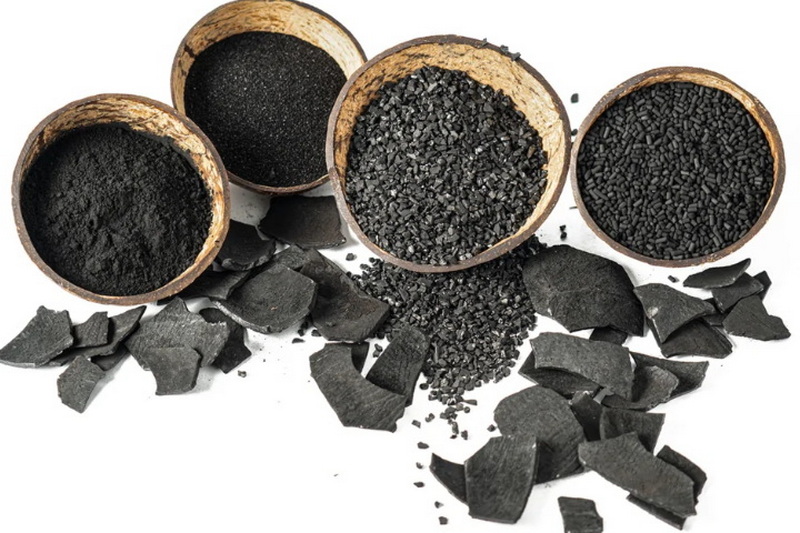
Activated carbon is a specially processed form of carbon whose microscopic pores offer extremely high surface area—often hundreds to more than a thousand square meters per gram—allowing it to adsorb molecules from liquids and gases. In practical terms, this means that even a small amount of activated carbon can hold a large quantity of contaminants such as organic chemicals, chlorine, volatile organic compounds (VOCs), and odors.
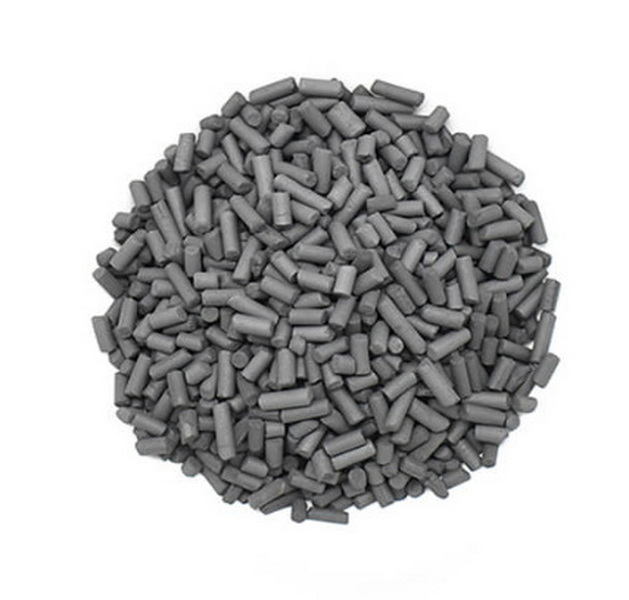
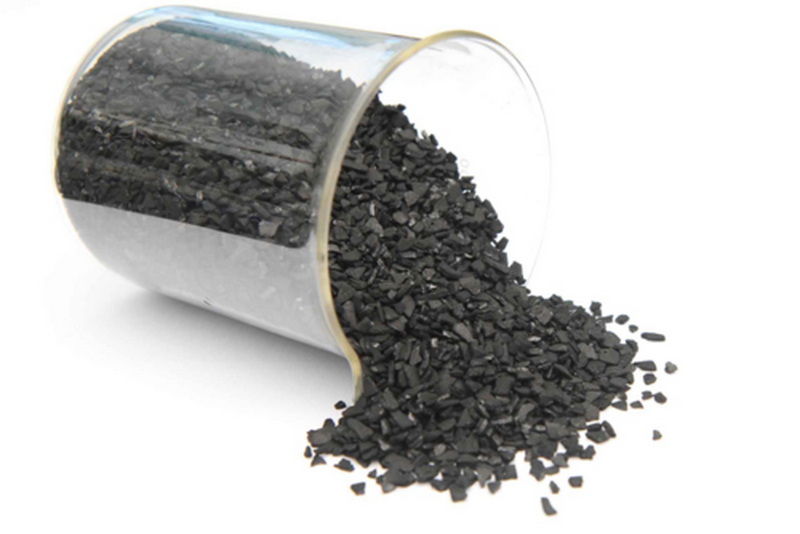
When water or air passes over activated carbon, contaminants adhere to the carbon surface through physical forces and sometimes chemical interactions, a process known as adsorption. Unlike absorption, where substances penetrate deeply into a material, adsorption largely happens on the surface of the activated carbon's internal pores. Different types of activated carbon—such as powdered activated carbon (PAC), granular activated carbon (GAC), and extruded pellets—are tailored for specific applications including municipal water treatment, industrial gas purification, food decolorization, and pharmaceutical purification.
In industrial settings, activated carbon is often regenerated after use by heating it to very high temperatures in controlled furnaces so that adsorbed contaminants are removed and the carbon can be reused. At home, however, it is usually more practical to replace small batches of DIY activated carbon instead of attempting regeneration, because the equipment required to properly reactivate carbon is complex and energy‑intensive.
Safety First: Precautions for DIY Activated Carbon
Working with combustion, high temperatures, and fine activated carbon powder involves safety risks that you must manage carefully. Fine activated carbon dust can irritate the respiratory system and eyes, and spent activated carbon can contain adsorbed hazardous substances depending on what it has been used to treat.
Follow these basic safety guidelines when making or handling activated carbon:
- Work in a well‑ventilated area or outdoors to reduce exposure to activated carbon dust and combustion fumes.
- Wear protective equipment such as safety glasses, heat‑resistant gloves, and a dust mask or respirator when handling activated carbon powder.
- Keep flammable liquids and chemicals away from hot charcoal or activated carbon systems, as hot spots in carbon beds can create fire hazards.
- Avoid using store‑bought barbecue briquettes, which often contain binders, fillers, and other additives that are not suitable for making activated carbon for filtration.
- Do not rely on DIY activated carbon for life‑critical uses such as medical poisoning treatment or compliance‑grade industrial pollution control; these applications require certified, professionally produced activated carbon.
You should also be aware that large quantities of activated carbon stored in confined spaces can gradually remove oxygen from the air, potentially creating a suffocation hazard. Keep activated carbon in sealed containers and avoid entering confined spaces where large amounts are stored without appropriate precautions.
Finally, remember that activated carbon used to treat chemicals, solvents, pesticides, or industrial wastewater can become hazardous waste once saturated. For any activated carbon that has been in contact with unknown or dangerous substances, follow local regulations or consult professionals for safe disposal.
Materials and Tools for DIY Activated Carbon
To make DIY activated carbon, you generally follow two steps: first you make charcoal from a carbon‑rich material, then you “activate” that charcoal by physical or chemical treatment. The following basic setup is suitable for a small‑scale batch at home for non‑critical filtration uses.
Recommended carbon sources
- Hardwood pieces (for example, oak, maple, fruitwood) dried and cut into small chunks.
- Coconut shells, which can produce a dense, high‑quality activated carbon widely used in water treatment.
- Other clean vegetable byproducts such as nutshells or certain seed shells, as long as they are free from paints, glues, or chemicals.
Avoid pressure‑treated wood, plywood, painted or glued boards, and commercial charcoal briquettes, because these can introduce harmful contaminants into your activated carbon. Choosing a clean, natural precursor is the foundation for producing safer and more effective activated carbon.
Equipment and basic chemicals
- A metal container with a tight‑fitting lid (for example, a metal bucket or can) with small vent holes for gases.
- A fire pit, grill, or similar setup where you can maintain a controlled fire for several hours.
- Clean water for rinsing and activating the charcoal.
- A chemical activating agent such as calcium chloride solution or a food‑grade acid like lemon juice or vinegar for low‑tech activation.
- A mortar and pestle or a sturdy plastic bag and hammer to crush the charcoal into smaller particles.
- A fine‑mesh strainer or cloth for separating activated carbon powder from larger pieces and for rinsing.
- Heat‑resistant tongs and a metal tray or old baking sheet for handling hot containers and drying activated carbon.
Having all tools prepared in advance helps you work more safely and efficiently when producing activated carbon at home.
Step 1: Making Charcoal for Activated Carbon
The first phase of making your own activated carbon is to produce relatively pure charcoal from your chosen carbon source. In simple terms, you want to heat the wood or coconut shells in a low‑oxygen environment so that volatile compounds burn off and only carbon remains. This process is sometimes called pyrolysis.
Basic charcoal‑making procedure
1. Prepare the metal container
Drill or punch a few small holes in the lid or upper sides of a metal can or bucket to allow gases to escape while limiting the oxygen supply inside. This helps create the low‑oxygen environment needed to make charcoal rather than fully burning the material.
2. Fill with carbon source
Load the container with dry hardwood chunks or coconut shells, leaving some space at the top for gas circulation. Do not pack the material too tightly, or heat and gases may not distribute evenly throughout the future activated carbon precursor.
3. Place in fire pit
Put the metal container in the center of your fire pit or grill, surround it with firewood and kindling, attach the lid securely, and start the fire. As the temperature rises, smoke and gases will escape through the small vent holes.
4. Maintain the fire
Feed firewood as needed and maintain a strong fire for several hours, often 3–6 hours depending on the volume and size of the pieces. During this time, the internal material is slowly converting into charcoal, which later becomes activated carbon.
5. Allow to cool fully
Once the heating time is complete and the external fire has died down, let the container cool completely, ideally overnight, before opening. Opening the container while the charcoal is still hot can expose it to oxygen and cause it to ignite, damaging the potential activated carbon and creating a fire hazard.
When you open the container, you should find charcoal—lightweight, black pieces that break easily and show a carbon structure without unburned wood fibers. This charcoal is the raw material that you will convert into activated carbon in the next step. If you still see uncharred wood, you may need to repeat the heating process with a fresh fire.
Step 2: Activating Your Charcoal
Industrial activated carbon is produced either by high‑temperature steam activation or chemical activation using carefully controlled conditions. At home, you can approximate activation in a much simpler way by using a chemical solution to open up pores in the charcoal and then drying it. The goal is to transform ordinary charcoal into activated carbon with improved porosity and adsorption capacity.
Chemical activation with calcium chloride or acids
1. Crush the charcoal
Break the cooled charcoal into smaller pieces and grind it using a mortar and pestle or by placing it in a strong plastic bag and striking with a hammer until you obtain small granules or coarse powder. Pass the crushed material through a fine‑mesh strainer to remove large chunks that are not suitable for fine activated carbon. The smaller and more uniform the particles, the more easily they can be activated and packed into filters.
2. Prepare the activating solution
Mix calcium chloride with water to make roughly a 25% solution (about one part calcium chloride to three parts water by weight). Alternatively, you can use a mixture of water with lemon juice or vinegar to create a mildly acidic solution. The solution will help etch and open up the internal structure of the charcoal, moving it closer to true activated carbon.
3. Combine charcoal and solution
Place the crushed charcoal in a glass or stainless‑steel bowl and slowly add the activating solution while stirring until the mixture becomes a uniform paste. Ensure that the future activated carbon particles are thoroughly wetted so that the activating agent can penetrate into the pores and surfaces of the charcoal.
4. Allow activation time
Cover the bowl and let the mixture sit for several hours, often overnight, so that the activating agent can react with the charcoal and help develop the internal pore structure characteristic of activated carbon. A longer contact time generally allows more thorough activation, within the limits of this simple DIY process.
5. Rinse the activated carbon
After the soak, transfer the mixture to a fine‑mesh strainer or cloth and rinse several times with clean water to remove excess activating chemicals. Continue rinsing until the rinse water runs clear and does not have a strong salty or acidic taste. Proper rinsing is important to ensure that the activated carbon will not release unwanted chemicals into water or air during use.
6. Dry the activated carbon
Spread the rinsed activated carbon on a baking tray lined with parchment or a similar surface and dry it in an oven at a moderate temperature, often around 90–100 °C (approximately 200 °F), for a few hours until completely dry. Turn the material occasionally to promote even drying. Once dry, your DIY activated carbon can be stored in a sealed container in a cool, dry place to protect it from moisture and contamination.
At this stage, you have a small batch of activated carbon that can be used in simple filters or odor absorbers where industrial‑grade performance is not required. Even though this activated carbon is produced in a basic way, you will often notice a clear improvement in its ability to remove odors and discoloration compared to ordinary charcoal.
Step 3: Simple Tests for Your Activated Carbon
Before relying on your home‑made activated carbon, you can perform a few basic experiments to get a sense of its effectiveness. These tests are not laboratory‑grade measurements, but they provide quick feedback on how well your activated carbon is working.
Color removal test
Fill two clear glasses with tap water, then add a small amount of food coloring or a dark tea bag to both until the water shows an obvious color. In one glass, add a spoonful of your activated carbon and stir gently, then let it sit for 30–60 minutes. After settling or filtering out the particles, compare the color intensity between the glass with activated carbon and the control glass. If the water treated with activated carbon is noticeably lighter, your activated carbon is adsorbing color molecules.
Odor reduction test
Place a small amount of activated carbon in a ventilated container with a source of mild odor, such as chopped onions or a piece of scented soap. After several hours, compare the odor intensity with a reference container without activated carbon. If the container with activated carbon smells weaker, it indicates that your activated carbon is capturing some of the volatile compounds responsible for the odor.
Simple taste improvement
For a basic, non‑critical check of taste improvement, you can build a small gravity filter as described in the next section, run tap water through it, and compare the taste and smell to untreated tap water. Many users notice that water passed through activated carbon tastes less chlorinated and more neutral, demonstrating that the activated carbon is adsorbing some compounds.
These simple tests help illustrate how activated carbon works and can guide you to improve your process over time.
How to Use Home‑Made Activated Carbon
Even home‑made activated carbon can be useful for basic filtration and deodorizing tasks when used thoughtfully and with realistic expectations. Always remember that the efficiency, pore structure, and capacity of DIY activated carbon will be much more variable than professional products, so do not use it where precise or regulated performance is needed.
Simple water pre‑filters
You can use activated carbon as one layer in a gravity‑fed water pre‑filter made from a clean plastic bottle:
- Cut the bottom off a clean plastic bottle and invert it so the neck faces downward.
- Place a cloth or cotton pad in the neck to prevent fine activated carbon from escaping.
- Add a layer of clean gravel or small stones, then a layer of clean sand, and finally a layer of granular activated carbon.
- Pour water through the top and collect the filtrate from the neck.
This type of filter can improve taste and reduce some organic contaminants and odors, but it is not a complete water treatment system and should not be trusted alone to remove all pathogens or heavy metals. Activated carbon works best as one stage in a multi‑barrier treatment approach that may also include disinfection and other methods.
Air and odor control
Activated carbon is widely used in air filters to remove VOCs and odors, and your home‑made activated carbon can perform similar basic tasks. You can place a shallow tray of activated carbon granules in a refrigerator, shoe cabinet, or small room to help adsorb odors from the air. Stir or shake the tray occasionally to expose fresh activated carbon surfaces.
If you build a DIY air filter, you can sandwich a layer of activated carbon between fibrous filter media (for example, non‑woven fabric or an old HEPA filter frame) and use a small fan to push air through the sandwich. This simple activated carbon filter can reduce odors from pets, cooking, or smoking in small spaces. Again, the performance will not equal certified air purifiers using engineered activated carbon filters, but it can offer some improvement in indoor air quality.
Other non‑critical uses
- Simple odor absorbers in pet areas, garbage bins, and closets using bowls or sachets of activated carbon.
- Educational experiments demonstrating adsorption and color removal from dyed water samples with activated carbon, ideal for science projects.
- Prototyping filtration concepts before specifying industrial‑grade activated carbon products for full‑scale systems.
- Temporary odor control in cars or storage boxes by placing small activated carbon pouches under seats or in corners.
By creatively applying your DIY activated carbon to different small‑scale tasks, you can gain a deeper understanding of its capabilities and limitations.
When to Choose Professional Activated Carbon Products
While it is interesting and educational to make your own activated carbon, there are many situations where you should rely on professionally manufactured activated carbon instead. Commercial activated carbon products are produced under controlled conditions, tested for performance, and often certified for specific uses such as drinking water, food and beverage processing, or pharmaceutical purification.
You should choose industrial‑grade activated carbon rather than DIY material when:
- Treating drinking water for regular human consumption, especially where contaminants must meet regulatory limits.
- Designing air purification systems for homes, offices, laboratories, or hospitals that need predictable removal of VOCs and chemicals.
- Supporting critical industrial processes such as chemical purification, solvent recovery, or pharmaceutical production where consistent activated carbon performance is essential.
- Handling high‑value or sensitive products in food and beverage applications where purity and regulatory compliance are mandatory.
- Treating wastewater or exhaust streams that are subject to environmental regulations and require documented performance.
In these cases, professionally produced activated carbon—whether powdered activated carbon, granular activated carbon, or custom‑engineered grades—offers the reliability, safety data, and technical support needed for demanding applications. Working with an experienced activated carbon manufacturer or supplier also provides access to technical guidance, optimized product selection, and after‑sales support that DIY activated carbon cannot deliver.
Conclusion
Making your own activated carbon at home is an instructive way to understand how activated carbon works and why it is so effective in water and air purification. By carefully converting clean hardwood or coconut shells into charcoal and then chemically activating it, you can create a basic form of activated carbon suitable for small‑scale filtration and odor control projects. Simple tests with colored water, odors, and taste changes help you see the adsorption power of activated carbon in action.
However, DIY activated carbon cannot replace professional activated carbon products where performance, certification, and safety are critical, especially in drinking water, food, pharmaceutical, environmental, and industrial applications. For these uses, high‑quality industrial activated carbon remains the preferred solution, backed by scientific testing and regulatory compliance. Home‑made activated carbon is best seen as a learning tool and a helpful option for non‑critical tasks, while serious purification challenges are handled by professionally engineered activated carbon solutions.
Contact us to get more information!
FAQ
1. How is activated carbon different from regular charcoal?
Activated carbon is processed to create a much higher internal surface area and a network of microscopic pores that greatly increase its adsorption capacity compared with ordinary charcoal. Regular charcoal may burn cleanly, but it lacks the optimized pore structure and consistent performance of true activated carbon produced for filtration and purification.
2. Can I use store‑bought charcoal briquettes to make activated carbon?
You should not use common barbecue charcoal briquettes to make activated carbon for filtration because they often contain binders, fillers, and ignition additives that can introduce undesirable contaminants. For safer DIY activated carbon, use clean hardwood, coconut shells, or other untreated plant materials that can be converted to charcoal without chemical additives.
3. Is home‑made activated carbon safe for drinking water treatment?
Home‑made activated carbon can improve taste and reduce some organic impurities in water, but it is not a complete or certified drinking water treatment solution. For long‑term or regulatory‑compliant drinking water treatment, you should use professionally manufactured activated carbon designed and tested for potable water applications, often combined with disinfection and other treatment steps.
4. How should I dispose of used activated carbon?
Used activated carbon can accumulate the contaminants it has adsorbed, so disposal should follow local regulations for solid waste and potentially hazardous materials. Small quantities of spent activated carbon from household odor control can often be discarded with regular trash, but activated carbon that has treated chemicals, solvents, or heavy metals may require special handling, and in some cases professional disposal services.
5. Does activated carbon expire or lose effectiveness over time?
Activated carbon gradually loses effectiveness as its pores fill with adsorbed contaminants, a process known as saturation. Once saturated, activated carbon must be replaced or thermally reactivated at high temperatures, and in most home or small‑scale applications it is more practical to replace the activated carbon with fresh material on a regular schedule.
6. How can I store activated carbon to keep it effective?
To keep activated carbon effective for as long as possible, store it in an airtight container in a cool, dry place, away from strong odors and chemicals. Activated carbon easily adsorbs gases and moisture from the air, so limiting exposure helps preserve its adsorption capacity until you are ready to use it in your filters or odor control projects.
7. Can DIY activated carbon be used in aquariums?
DIY activated carbon can sometimes be used in aquariums for short‑term odor and color removal, but there are risks if the carbon contains residual chemicals or fine dust. For fish health and stable water quality, it is safer to use aquarium‑grade activated carbon from reputable suppliers, which is carefully washed, sized, and formulated for aquatic environments.
8. What is the difference between powdered and granular activated carbon?
Powdered activated carbon consists of very fine particles that offer fast adsorption and are often dosed directly into liquids, while granular activated carbon is made of larger particles that are typically packed into filters and columns. For home projects, granular activated carbon is easier to handle and rinse, whereas powdered activated carbon can create more dust but may act more quickly in contact with water.
Citations:
1. https://www.wikihow.com/Make-Activated-Charcoal
2. https://www.youtube.com/watch?v=1kySEZxA3Gc
3. https://faircap.org/diy-activated-carbon/
4. https://buyactivatedcharcoal.com/how_to_make_activated_charcoal/
5. https://rajahfiltertechnics.com/uncategorized/the-science-behind-activated-carbon-how-it-works-and-why-its-effective/
6. https://alen.com/blogs/health-benefits/activated-carbon-air-filter
7. https://activatedcarbondepot.com/blogs/news/top-5-benefits-of-activated-carbon-for-cleaner-air
8. https://wcponline.com/2005/06/22/care-handling-activated-carbon/
9. https://semspub.epa.gov/work/HQ/401595.pdf
10. http://www.osha.gov/publications/hib19970730
11. http://www.carbonxt.com/wp-content/uploads/2018/07/MACT-PAC-SDS.pdf
12. https://www.youtube.com/watch?v=AEqLVazN6Vc
13. https://www.youtube.com/shorts/LMMyQWcVFA8
14. https://www.facebook.com/groups/357419677786321/posts/2662778600583739/


