Content Menu
● How To Make Granular Activated Carbon
● What Is Granular Activated Carbon?
● Key Applications Of Granular Activated Carbon
● Raw Materials For Granular Activated Carbon
● Process Overview – How To Make Granular Activated Carbon
● Step 1 – Raw Material Selection And Preparation
● Step 2 – Carbonization Of The Precursor
● Step 3 – Activation (Physical Or Chemical)
● Step 4 – Granulation And Shaping
● Step 5 – Washing, Drying, And Screening
● Step 6 – Quality Control And Testing
● Physical Vs Chemical Activation For GAC
● Granular Activated Carbon For Water Treatment
● Granular Activated Carbon For Air And Gas Purification
● Comparison – Granular Vs Powdered Activated Carbon
● Safety, Environmental, And Regulatory Considerations
● How Industrial Buyers Select Granular Activated Carbon
● Conclusion
● FAQs About Granular Activated Carbon
>> 1. FAQ 1 – What is granular activated carbon used for?
>> 2. FAQ 2 – How is granular activated carbon different from powdered activated carbon?
>> 3. FAQ 3 – What raw materials are used to make granular activated carbon?
>> 4. FAQ 4 – Can granular activated carbon be regenerated and reused?
>> 5. FAQ 5 – How do I choose the right granular activated carbon for my application?
● Citations:
How to make granular activated carbon involves controlled carbonization, activation, and granulation of suitable carbon-rich raw materials such as coal, coconut shells, or wood, followed by careful washing, drying, and grading. Industrial production of granular activated carbon is a highly engineered process that ensures high surface area, strong mechanical strength, and consistent particle size for demanding applications in water, air, food, chemical, and pharmaceutical industries.[1][2][3][4][5][6]
How To Make Granular Activated Carbon
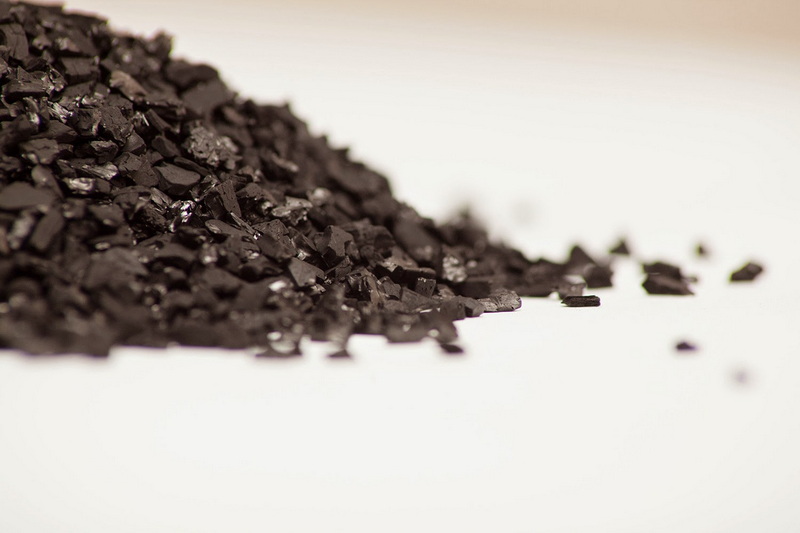
Granular activated carbon (GAC) is a highly porous adsorbent produced from carbonaceous raw materials through carbonization and activation, then shaped into granules for fixed-bed and moving-bed filtration systems. Modern factories optimize each step of granular activated carbon production to maximize adsorption performance and mechanical strength while minimizing energy consumption and environmental impact.[2][7][4][8][9]
What Is Granular Activated Carbon?
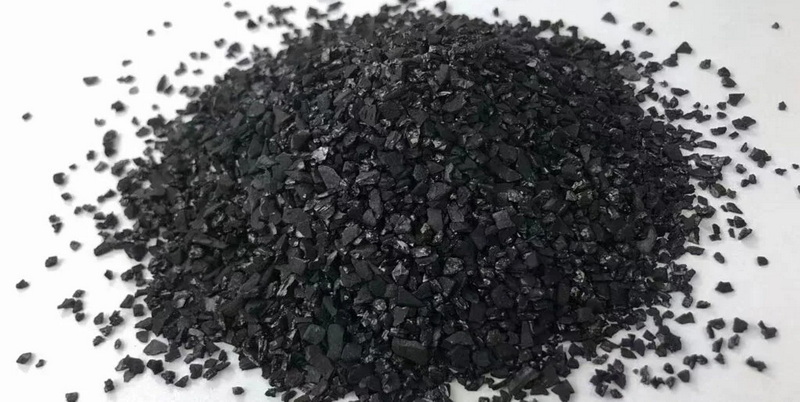
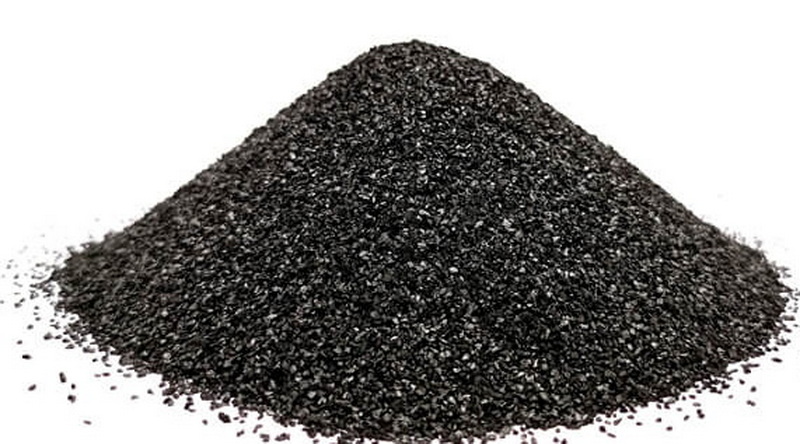
Granular activated carbon is an organic, highly porous carbon material with particle sizes typically between 0.2 and 5 mm, designed for use in packed beds and filter vessels. Compared with powdered activated carbon, granular activated carbon can be backwashed, regenerated, and reused in continuous water and air treatment systems, offering long service life and low operating cost.[4][10][5][2]
Granular activated carbon is usually manufactured from bituminous coal, coconut shells, or selected wood species, each producing a unique pore structure and hardness profile. These different granular activated carbon raw materials allow producers to tailor products for specific applications such as municipal drinking water, VOC removal, food decolorization, and pharmaceutical purification.[3][8][5][6][1][2][4]
Key Applications Of Granular Activated Carbon
Granular activated carbon is widely used in water treatment to remove organic contaminants, taste, odor, residual chlorine, and emerging pollutants from municipal and industrial water streams. Its high surface area and optimized pore size distribution make granular activated carbon especially effective in fixed-bed filters for drinking water plants, wastewater polishing, and ground water remediation.[7][5][11][12][1][3][4]
Beyond water, granular activated carbon is employed in air and gas purification systems to adsorb VOCs, odors, and toxic gases in industrial exhaust, HVAC systems, and environmental protection facilities. The same granular activated carbon technology is also essential in food and beverage processing, chemical purification, and pharmaceutical production where high purity and regulatory compliance are critical.[10][5][6][11][13][1][3]
Raw Materials For Granular Activated Carbon
The most common raw materials for granular activated carbon include bituminous coal, lignite, coconut shells, and various hardwoods, chosen for their high fixed carbon content and low ash. Coconut-shell based granular activated carbon is popular for drinking water and food applications thanks to its high micro-porosity and hardness, while coal-based granular activated carbon is ideal for large-scale water and gas treatment.[8][5][2][4]
In some advanced processes, biomass residues and biosolids are converted into granular activated carbon through pyrolysis and subsequent activation, improving resource utilization and sustainability. By adjusting the raw material and process parameters, manufacturers can produce granular activated carbon with specific iodine values, hardness, and pore distributions tailored to customer requirements.[5][9][7][4][8]
Process Overview – How To Make Granular Activated Carbon
Granular activated carbon production typically follows a sequence of raw material pre-treatment, carbonization, activation, washing, drying, and particle sizing. For coal-based granular activated carbon, coal is crushed, screened, carbonized, and then activated with steam or gas at high temperature before final crushing and grading into granular activated carbon products.[14][9][4][8]
For chemically activated granular activated carbon, the carbonaceous precursor is impregnated with activating chemicals such as phosphoric acid or zinc chloride, shaped, and then carbonized and activated in one continuous step. After activation, the granular activated carbon is thoroughly washed to remove residual chemicals, dried, and classified into specific mesh sizes for different filtration systems.[15][16][17][4]
Step 1 – Raw Material Selection And Preparation
The first step in making granular activated carbon is selecting suitable raw materials with adequate fixed carbon, low volatile content, and acceptable ash composition. For coal-based granular activated carbon, carefully chosen coal blocks are crushed and screened to obtain a controlled particle size that will yield uniform granules and consistent performance.[14][2][4][8]
Moisture content is adjusted by drying or conditioning the feedstock to stabilize the subsequent carbonization and activation stages. During this stage, producers of granular activated carbon also remove impurities and non-carbonaceous components to prevent ash-related issues during high-temperature processing.[9][7][4]
Step 2 – Carbonization Of The Precursor
Carbonization converts the prepared raw material into a carbon-rich char by heating it in an oxygen-limited environment at temperatures typically between 200 °C and 950 °C. In this step, volatile components are driven off, and the material is transformed into a solid with preliminary porosity, forming the base structure for granular activated carbon.[7][4][8][9]
Carbonization can be carried out in rotary kilns, vertical furnaces, or other specialized reactors, depending on plant design and capacity. Process control of heating rate, residence time, and final temperature is crucial to obtaining a uniform char that will later develop into high-quality granular activated carbon during activation.[4][8][7]
Step 3 – Activation (Physical Or Chemical)
The core of making granular activated carbon is the activation step, where the carbonized material is structurally modified to create a vast network of pores and extremely high internal surface area. There are two main activation routes used to produce granular activated carbon: physical activation and chemical activation.[8][9][7][4]
In physical activation, the char is exposed to oxidizing gases such as steam or carbon dioxide at temperatures around 800–1000 °C, partially gasifying the carbon matrix and opening up pores. In chemical activation, the precursor is impregnated with activating agents like phosphoric acid or zinc chloride before heating, allowing simultaneous carbonization and activation at relatively lower temperatures to form granular activated carbon.[16][15][7][4][8]
Step 4 – Granulation And Shaping
To obtain the desired granular activated carbon particle size, the carbonized or chemically treated material is shaped into granules or pellets using specialized granulators and pelletizers. One approach is to grind the carbonaceous material to fine particles, mix it with a binder, and then press or pelletize it under high pressure to form cylindrical or spherical granular activated carbon.[18][17][4]
In some coal-based processes, larger coal particles are directly carbonized and activated, then crushed and screened to produce granular activated carbon of specified mesh sizes. During granulation, process engineers balance binder dosage, moisture, and compaction force to achieve granular activated carbon with high mechanical strength and low dust generation.[17][18][14][4]
Step 5 – Washing, Drying, And Screening
After activation and shaping, granular activated carbon must be washed to remove residual chemicals, fines, and soluble impurities that could affect downstream applications. In chemical activation processes, acid and salt residues are carefully recovered and recycled from the wash water, further reducing environmental impact and operating cost.[16][4]
The washed granular activated carbon is then dried at controlled temperatures to reach a stable moisture level suitable for storage and transport. Finally, the dried product is screened and classified into standard granular activated carbon mesh sizes, such as 8×30, 12×40, or 20×50, to match different filter designs and service conditions.[5][14][4]
Step 6 – Quality Control And Testing
High-quality granular activated carbon must meet strict performance and safety criteria, especially for drinking water, food, and pharmaceutical uses. Typical quality parameters include iodine number or BET surface area, methylene blue or molasses adsorption, hardness/abrasion resistance, ash content, moisture, pH, and metal impurities.[6][12][3][4][8][5]
Laboratories test granular activated carbon samples at multiple points in the production process to ensure consistent product performance and regulatory compliance. Detailed certificates of analysis are then issued for each batch of granular activated carbon, helping end users validate performance in critical filtration systems.[12][1][4][5]
Physical Vs Chemical Activation For GAC
Physical activation of granular activated carbon is favored for coal-based and some biomass-based materials because it uses steam or carbon dioxide without chemical additives, simplifying washing and waste treatment. This route is widely used in large rotary kilns for producing granular activated carbon for municipal water, wastewater, and flue gas treatment.[11][7][4][8][5]
Chemical activation is often used for wood or biomass precursors, where impregnation with phosphoric acid or zinc chloride allows activation at lower temperatures and yields granular activated carbon with well-developed meso-porosity. Choice between physical and chemical routes depends on raw material, target pore structure, cost, and environmental considerations for the final granular activated carbon product.[15][9][16][7][4]
Granular Activated Carbon For Water Treatment
Granular activated carbon is a core technology for municipal drinking water treatment, effectively removing natural organic matter, disinfection by-product precursors, pesticides, and micro-pollutants. In fixed-bed filters, water flows through deep beds of granular activated carbon, allowing contaminants to diffuse into the porous structure and be adsorbed on internal surfaces.[1][3][11][12][5]
Industrial water treatment systems use granular activated carbon for process water polishing, wastewater treatment, and reuse, especially in chemical, food, and pharmaceutical plants. Granular activated carbon can be thermally regenerated in external facilities, restoring a large portion of adsorption capacity and extending the economic life of the media.[13][3][11][1][4][5]
Granular Activated Carbon For Air And Gas Purification
In air treatment, granular activated carbon beds are installed in VOC abatement units, gas-phase filters, and odor control systems to protect workers, communities, and the environment. Granular activated carbon captures hydrocarbons, solvents, and toxic gases from industrial emissions and can be used in both once-through and regenerable adsorption systems.[10][6][11][1]
Granular activated carbon is also used in respirators, gas masks, and protective filters where rapid adsorption and reliability are essential. Specific formulations of granular activated carbon can remove acid gases, ammonia, and other hazardous components, improving safety in defense, chemical, and pharmaceutical environments.[3][6][13]
Comparison – Granular Vs Powdered Activated Carbon
| Parameter | Granular Activated Carbon (GAC) | Powdered Activated Carbon (PAC) |
| Particle size | Typically 0.2–5 mm granules for packed beds puragen+1 | Very fine powder, usually <0.1 mm heycarbons+1 |
| Typical applications | Fixed-bed water and air filters, continuous systems calgoncarbon+1 | Batch dosing in clarifiers and tanks bygen+1 |
| Regeneration | Regenerable and reusable in many systems calgoncarbon+1 | Generally not regenerated; used once bygen |
| Hydraulic behavior | Low pressure loss in properly designed beds generalcarbon+1 | Can cause sludge issues and higher handling needs bygen |
| Handling and dust | Low dust, easier handling as granules rotarykilnfactory+1 | Higher dust generation and safety concerns bygen |
Granular activated carbon is usually the preferred choice for continuous filtration systems where backwashing and regeneration are required. Powdered activated carbon is more suitable for temporary treatments, emergency responses, or when retrofitting existing clarification systems.[11][1][10][5]
Safety, Environmental, And Regulatory Considerations
Producing granular activated carbon involves high temperatures and potentially corrosive chemicals, so robust safety procedures and equipment are essential. Plants must manage off-gases, dust, and wash effluents carefully, often incorporating gas cleaning and acid recovery systems to reduce emissions and waste.[16][7][4]
For drinking water, food, and pharmaceutical uses, granular activated carbon must comply with relevant standards and certifications to ensure safety and performance. Manufacturers document every step of granular activated carbon production, from raw material selection to final testing, to meet global regulatory and customer requirements.[6][12][13][3][4][5]
How Industrial Buyers Select Granular Activated Carbon
Industrial users choose granular activated carbon based on target contaminants, required contact time, flow conditions, and regulatory constraints. Key selection parameters include iodine value or surface area, particle size distribution, hardness, bulk density, and pH of the granular activated carbon.[1][4][10][8][5]
Engineers often perform pilot tests or column trials to verify how a specific granular activated carbon product behaves under real process conditions. Long-term supply reliability, technical support, and regeneration options are also critical factors when selecting a granular activated carbon manufacturer and product grade.[12][13][5][6][11][1]
Conclusion
Granular activated carbon is produced through a precise combination of raw material preparation, carbonization, activation, granulation, and finishing steps that create a highly porous, mechanically strong adsorbent. By carefully controlling process conditions and quality parameters, manufacturers can deliver granular activated carbon solutions customized for water treatment, air and gas purification, food and beverage, chemical processing, and pharmaceutical applications worldwide.[7][3][4][8][5][6][1]
For engineers, buyers, and plant operators, understanding how to make granular activated carbon—from raw material selection to final testing—helps in choosing the right grade, designing efficient adsorption systems, and achieving long-term, reliable contaminant removal performance.[4][5][11][12]
FAQs About Granular Activated Carbon
1. FAQ 1 – What is granular activated carbon used for?
Granular activated carbon is primarily used for water treatment, where it removes dissolved organic compounds, taste, odor, and trace pollutants from municipal and industrial water. It is also widely applied in air and gas purification, food and beverage processing, chemical purification, and pharmaceutical manufacturing, making granular activated carbon one of the most versatile adsorbents in modern industry.[13][3][5][6][12][1]
2. FAQ 2 – How is granular activated carbon different from powdered activated carbon?
Granular activated carbon is produced in larger particles designed for packed beds, allowing continuous filtration, backwashing, and regeneration, while powdered activated carbon is a fine powder typically dosed into tanks for one-time use. Granular activated carbon generates less dust and is easier to handle in large-scale systems, whereas powdered activated carbon offers rapid mixing and is preferred for short-term or emergency treatments.[2][14][10][5][11][4]
3. FAQ 3 – What raw materials are used to make granular activated carbon?
Common raw materials for granular activated carbon include bituminous coal, coconut shells, and wood-based biomass with high fixed carbon content and low ash. In advanced processes, agricultural residues and biosolids can also be converted into granular activated carbon through pyrolysis and activation, supporting circular economy and sustainability goals.[9][2][8][7][4]
4. FAQ 4 – Can granular activated carbon be regenerated and reused?
Yes, many types of granular activated carbon can be thermally regenerated in dedicated facilities, restoring a significant portion of their adsorption capacity. This regeneration capability makes granular activated carbon especially economical for large-scale water and air treatment plants, reducing waste and lowering lifetime costs.[5][11][1][4]
5. FAQ 5 – How do I choose the right granular activated carbon for my application?
Choosing the right granular activated carbon requires defining target contaminants, operating conditions, and regulatory requirements, then matching these needs with product specifications such as iodine value, particle size, hardness, and ash content. Working with an experienced granular activated carbon manufacturer or supplier helps optimize media selection, pilot testing, and system design to ensure stable, long-term performance.[8][6][12][1][4][5]
Citations:
[1](https://www.calgoncarbon.com/gac/)
[2](https://puragen.com/uk/insights/granular-activated-carbon/)
[3](https://www.naturecarbon.com/news/application-of-granular-activated-carbon-84981257.html)
[4](https://heycarbons.com/manufacture-of-activated-carbon/)
[5](https://generalcarbon.com/understanding-granular-activated-carbon-for-water-treatment/)
[6](https://www.chemelco.com/sumo-activated-carbon/)
[7](https://mp.watereurope.eu/media/factsheets/Factsheet_GAC_V6_UU0E2CA.pdf)
[8](https://feeco.com/introduction-to-activated-carbon/)
[9](https://www.sciencedirect.com/science/article/pii/S2666821120300351)
[10](https://www.bygen.com.au/post/granular-vs-powdered-activated-carbon-which-one-is-right-for-your-application)
[11](https://www.chemviron.eu/urban-wastewater-treatment/)
[12](https://streampeak.com.sg/moisture-absorbers/improve-water-quality-with-activated-carbon-filtration/)
[13](https://ionexchangeglobal.com/carbon-purification-for-industries-key-techniques/)
[14](https://rotarykilnfactory.com/how-to-make-coal-based-activated-carbon/)
[15](https://www.naturecarbon.com/news/method-for-producing-granular-activated-carbon-84984233.html)
[16](https://patents.google.com/patent/US5162286A/en)
[17](https://www.pelletmachine.com/blog/2022/03/30/activated-carbon-granulation/)
[18](https://www.sciencedirect.com/science/article/pii/S2369969821000311)
[19](https://www.youtube.com/watch?v=GNKeps6pIao)
[20](https://patents.google.com/patent/EP0423967A2/en)


