Content Menu
● What Is Activated Carbon?
● How Activated Carbon Differs from Charcoal
● Safety Considerations Before You Start
● Overview of Methods to Make Activated Carbon from Charcoal
● Physical Activation: Heat‑Based Method
>> Principle of physical activation
>> Challenges at home
● Chemical Activation: Using Salts or Alkalis
>> How chemical activation works
>> Suitability for DIY projects
● Step‑by‑Step: How to Make Activated Carbon from Charcoal
>> Step 1: Select or make suitable charcoal
>> Step 2: Crush and sieve the charcoal
>> Step 3: Decide on your activation approach
>> Step 4: Physical activation procedure
>> Step 5: Mild chemical‑assisted activation (optional)
● Washing and Drying the Activated Carbon
● How to Use Homemade Activated Carbon
● Limitations of Homemade Activated Carbon
● Best Practices for Storing and Handling Activated Carbon
● Practical Tips for Better DIY Activated Carbon
● Conclusion
● FAQ About Making Activated Carbon from Charcoal
>> 1. Can I really make activated carbon from charcoal at home?
>> 2. What type of charcoal should I use to make activated carbon?
>> 3. Is chemical activation always necessary to make good activated carbon?
>> 4. Can homemade activated carbon purify drinking water completely?
>> 5. How should I store the activated carbon after I make it from charcoal?
● Citations:
Activated carbon made from charcoal is a powerful adsorbent that can remove many impurities from water and air, making it valuable for emergency filtration, hobby projects, and basic odor control. While you can make activated carbon from charcoal at home on a small scale, it will never fully match the consistency, safety, and certification of industrial activated carbon used for drinking water, food, and pharmaceutical applications.
What Is Activated Carbon?
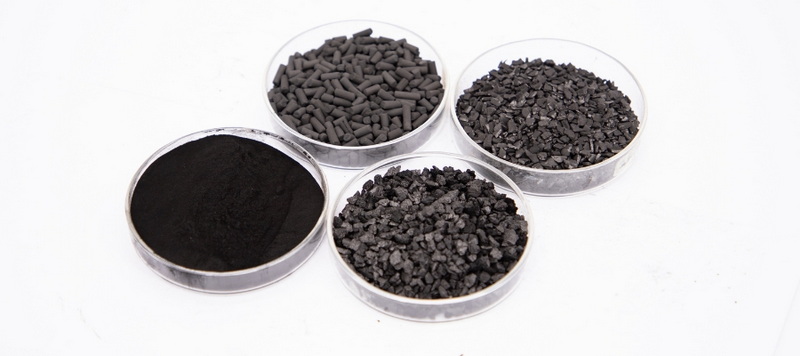
Activated carbon (also called activated charcoal) is a specially processed form of carbon with a huge internal surface area and a network of microscopic pores. This porous structure allows activated carbon to adsorb a wide variety of organic molecules, chlorine, odors, and some heavy metals from liquids and gases. Compared with ordinary charcoal, activated carbon has far more developed pores and a much higher adsorption capacity for contaminants.
In simple terms, charcoal is carbonized material, while activated carbon is charcoal that has undergone an additional “activation” step to open and enlarge internal pores. This makes activated carbon dramatically more effective than standard charcoal in filtration and purification systems. Activated carbon is widely used in water filters, air purifiers, gas treatment units, and many industrial processes that require removal of trace contaminants.
How Activated Carbon Differs from Charcoal
Although both charcoal and activated carbon are forms of carbon, they perform very differently in practice. Charcoal is produced by heating organic materials such as wood or biomass in low oxygen so that volatile components are driven off, leaving a relatively porous but not fully optimized carbon skeleton. Activated carbon, by contrast, is produced by carefully controlled processes that further develop the pore structure and increase the internal surface area.
The major differences include:
- Surface area: Activated carbon typically has hundreds to over a thousand square meters of internal surface area per gram, while ordinary charcoal has much less.
- Pore size and distribution: Activated carbon has a carefully developed network of micro‑, meso‑, and macropores, while charcoal pores are less developed and less uniform.
- Adsorption capacity: Because of its highly developed pore network, activated carbon can capture far more contaminants per unit weight than the same amount of charcoal.
These differences are the reason activated carbon is chosen for critical filtration applications where consistency and efficiency are essential.
Safety Considerations Before You Start
Learning how to make activated carbon from charcoal must begin with safety. The basic processes involve high temperatures, burning fuels, and sometimes chemical solutions, so you should protect yourself and your surroundings.
Important safety points include:
- Work outdoors or in very well‑ventilated areas to avoid inhaling smoke, steam, or dust.
- Avoid breathing activated carbon dust; wear a dust mask or respirator, and consider eye protection and gloves.
- Keep flammable materials away from your fire, oven, or furnace, and never leave heating charcoal or activated carbon unattended.
- If you use chemical activation (for example, salt or calcium chloride solutions), handle them carefully, avoid contact with eyes and skin, and follow local disposal regulations.
- Store activated carbon in a cool, dry place away from strong heat sources, because activated carbon is combustible and can self‑heat in some conditions.
Because homemade activated carbon has unknown performance and possible impurities, do not use it for medical treatment, long‑term drinking water treatment, or any application where human health and regulatory compliance are critical.
Overview of Methods to Make Activated Carbon from Charcoal
There are two main conceptual ways to make activated carbon from charcoal:
- Physical activation (thermal activation)
- Chemical activation (activation with salts, acids, or alkalis)
Commercial producers often start with raw materials like coal, coconut shell, or wood. These are first carbonized and then activated in well‑controlled furnaces such as rotary kilns or multi‑hearth furnaces. At home, you are essentially trying to repeat a very simplified version of these activation steps using basic tools and limited temperature control.
For DIY purposes, physical activation is usually safer and more accessible, while mild chemical activation can be attempted by more experienced users who understand the risks and limitations.
Physical Activation: Heat‑Based Method
Physical activation uses heat and controlled amounts of oxidizing gases to transform charcoal into activated carbon. In industrial settings, this process often uses steam or carbon dioxide at very high temperatures.
Principle of physical activation
The basic idea is:
1. Start with relatively clean charcoal that already has been carbonized.
2. Heat the charcoal to elevated temperatures in a low‑oxygen environment so it does not burn up completely.
3. Introduce a limited amount of gas (such as steam or CO₂) that slowly reacts with the charcoal surface, opening and enlarging pores.
At high temperatures, the gas reacts with carbon and removes some material, carving channels and cavities into the structure of the charcoal. Over time, this produces a much more porous material: activated carbon.
Challenges at home
At home, you usually cannot control temperature, gas flow, and residence time with industrial precision, so your activated carbon will be inconsistent. Even so, basic physical activation can noticeably improve the performance of charcoal for odor removal and simple filtration projects. The goal is to approximate the conditions that promote pore development without fully burning the charcoal to ash.
Chemical Activation: Using Salts or Alkalis
Chemical activation is another way to make activated carbon from charcoal or other carbonized materials. Instead of relying only on high temperature, you impregnate the material with certain chemicals before or during heating.
How chemical activation works
In chemical activation, crushed charcoal or other carbonized material is mixed or soaked with chemicals such as:
- Phosphoric acid
- Zinc chloride
- Potassium hydroxide or sodium hydroxide
- Calcium chloride or concentrated salt solutions
When the impregnated material is heated, these chemicals promote dehydration, pore formation, and structural changes that dramatically increase the surface area. After activation, the material is washed thoroughly to remove residual salts or chemicals and then dried.
Suitability for DIY projects
For DIY use, strong reagents like concentrated acids or powerful alkalis are often not recommended because they require careful handling and disposal, as well as precise control. A gentler option is using concentrated salt or calcium chloride solutions to assist pore opening. Even then, you must rinse the carbon well and accept that your homemade activated carbon may still contain residues and have unknown performance.
Step‑by‑Step: How to Make Activated Carbon from Charcoal
Below is a simplified procedure combining physical activation and mild chemical activation concepts. It is intended for small‑scale, educational experiments.
Step 1: Select or make suitable charcoal
For effective activated carbon, you must start with the right charcoal:
- Use natural lump charcoal made from wood or other plant materials without additives.
- Avoid charcoal briquettes, self‑lighting charcoal, or products with binders, fillers, or lighter fluids.
- If possible, make your own charcoal by heating dry wood in a metal container with small vent holes until it is fully charred, then allowing it to cool completely.
The purer the starting charcoal, the better your final activated carbon will be.
Step 2: Crush and sieve the charcoal
Once the charcoal is cool and dry:
- Place it in a sturdy bag or on a solid surface and gently crush it with a hammer or similar tool.
- Aim for granules or coarse powder rather than large chunks, because smaller particles give more external surface area.
- Sieve or screen the crushed charcoal to obtain uniform particle sizes for your activated carbon.
Fine particles provide better contact with water or air in a filter, but they also generate more dust. Choose a particle size that balances performance and handling.
Step 3: Decide on your activation approach
At this point you can choose between pure physical activation or a mild chemical‑assisted method.
For a simpler, safer route:
- Use purely physical activation by heating crushed charcoal in a low‑oxygen environment.
For a slightly more advanced experiment:
- Soak the crushed charcoal in a concentrated salt or calcium chloride solution for several hours, then rinse and dry it before heating.
The second approach can help create additional pores, but it requires extra steps and careful rinsing.
Step 4: Physical activation procedure
A simple physical activation sequence might look like this:
1. Place the crushed charcoal into a metal container with a tight‑fitting lid and a few small vent holes.
2. Put the container into a hot fire or high‑temperature oven, making sure the flame does not directly enter the container.
3. Maintain strong heat for several hours so that the charcoal is exposed to high temperatures while oxygen remains limited.
4. After the heating period, remove the container from the heat source and allow it to cool completely before opening.
5. Once cooled, open the container, remove the activated carbon, and crush or sieve again if needed.
This process drives off remaining volatile compounds and allows limited reactions between the charcoal and gases inside the container, producing a more porous activated carbon.
Step 5: Mild chemical‑assisted activation (optional)
If you want to experiment with mild chemical activation:
1. Place crushed charcoal in a clean container.
2. Prepare a concentrated salt or calcium chloride solution (for example, around 25% by weight in water).
3. Pour the solution over the charcoal until it is fully submerged, then cover and let it soak for many hours or up to a day.
4. After soaking, pour off the solution and rinse the charcoal with fresh water several times to remove excess salt.
5. Dry the rinsed charcoal thoroughly in the sun or a low‑temperature oven.
6. After drying, proceed with physical activation by heating the material in a low‑oxygen metal container as outlined above.
The combination of chemical soaking and high‑temperature treatment can produce a more porous form of activated carbon compared with purely heat‑treated charcoal, though results are still variable in a home environment.
Washing and Drying the Activated Carbon
After activation, your charcoal has become basic activated carbon, but it still needs proper washing and drying before use.
Key steps:
- Rinse the activated carbon with clean water to remove ash, fines, and any remaining chemicals or salts.
- Repeat rinsing until the water is relatively clear and free from obvious discoloration or strong taste.
- Drain off excess water, then spread the activated carbon in a thin layer to dry in the sun or in a low‑temperature oven.
- Continue drying until the activated carbon is completely dry and free‑flowing.
Good washing improves the performance of activated carbon filters and reduces the risk of releasing dust or dissolved impurities into water or air.
How to Use Homemade Activated Carbon
Once you have made activated carbon from charcoal and washed and dried it, you can explore several simple uses. Keep in mind that these are non‑critical applications.
Common DIY uses include:
- Basic water filtration: Layer activated carbon between cloth, sand, and gravel in a simple gravity filter to improve the taste and clarity of water.
- Odor control: Place activated carbon in breathable pouches or cartridges in boxes, containers, or small housings to reduce odors.
- Educational experiments: Compare the performance of charcoal versus activated carbon in removing food coloring or odors from water to demonstrate adsorption.
In all of these applications, activated carbon works best when water or air has enough contact time with the carbon bed and when you replace or regenerate the carbon once it becomes saturated.
Limitations of Homemade Activated Carbon
Although it is helpful to know how to make activated carbon from charcoal, homemade activated carbon has clear limitations compared with professional products.
Key limitations:
- Unknown performance: You cannot easily measure surface area, pore size, or adsorption capacity at home, so quality is uncertain.
- Inconsistent production: Every batch of homemade activated carbon is different, depending on temperature, time, and starting material.
- Possible impurities: If the original charcoal or chemicals contain contaminants, these may remain in the activated carbon.
- No certification: DIY activated carbon is not certified for drinking water, food contact, or pharmaceutical use.
Because of these limitations, homemade activated carbon is best used for experiments, short‑term emergency filtration, or odor control rather than as a permanent solution in critical systems.
Best Practices for Storing and Handling Activated Carbon
Proper storage and handling will extend the useful life of the activated carbon you make from charcoal and keep it safer to use.
Follow these guidelines:
- Store activated carbon in airtight containers to protect it from moisture and contamination.
- Keep containers in a cool, dry place away from direct sunlight and high temperatures.
- Avoid crushing activated carbon more than necessary, because extra crushing generates dust and can damage the pore structure.
- Use a dust mask or respirator if you handle large amounts of powdered activated carbon.
- Do not store activated carbon near strong oxidizing agents or flammable liquids.
Good handling practices help you avoid dust inhalation and minimize fire risk while preserving the adsorption ability of the activated carbon.
Practical Tips for Better DIY Activated Carbon
To get the most from your DIY activated carbon, keep a few practical tips in mind:
- Start with the cleanest possible raw material. The purer the charcoal, the better the activated carbon.
- Keep notes about your process: temperatures, heating times, and whether you used chemical soaking. This helps you refine your method over time.
- For water filtration, always combine activated carbon with other stages such as sediment removal and, when necessary, disinfection (for example, boiling or chemical treatment).
- Replace or regenerate activated carbon regularly, because it eventually becomes saturated with contaminants and loses effectiveness.
- If you need reliable, long‑term treatment for drinking water or industrial processes, purchase certified activated carbon from professional suppliers instead of relying solely on DIY material.
By following these guidelines, you can learn how to make activated carbon from charcoal more effectively and understand when DIY solutions are appropriate and when professional products are necessary.
Conclusion
Making activated carbon from charcoal is an educational and practical way to explore adsorption and basic filtration on a small scale. By selecting clean charcoal, crushing and sieving it, using physical or mild chemical activation, and then carefully washing and drying the material, you can turn ordinary charcoal into a more effective activated carbon adsorbent.
At the same time, it is essential to recognize the limits of homemade activated carbon. Because batch quality, pore structure, and adsorption performance are not controlled or certified, DIY activated carbon is best reserved for experiments, emergency use, and basic odor control. For drinking water, food, pharmaceuticals, or critical industrial applications, professionally manufactured activated carbon remains the safest and most reliable choice.
Contact us to get more information!
FAQ About Making Activated Carbon from Charcoal
1. Can I really make activated carbon from charcoal at home?
Yes, you can make a simple form of activated carbon from charcoal at home by using high‑temperature heating in a low‑oxygen container and, optionally, mild chemical soaking. The process can significantly increase the porosity of charcoal and improve its adsorption ability. However, the performance of this homemade activated carbon is not guaranteed and will differ from one batch to another.
2. What type of charcoal should I use to make activated carbon?
You should use natural lump charcoal made from wood or other plant materials, without additives, binders, or lighter fluids. Charcoal briquettes and self‑lighting products are not suitable because they contain fillers and chemicals that can contaminate your activated carbon. If possible, making your own charcoal from clean, untreated wood gives you the greatest control over purity.
3. Is chemical activation always necessary to make good activated carbon?
No, chemical activation is not always necessary, especially at a small scale. Physical activation using high temperatures in a low‑oxygen environment can already produce useful activated carbon from charcoal. Mild chemical activation with salt or calcium chloride may further improve pore development, but it adds complexity and requires thorough rinsing and careful handling.
4. Can homemade activated carbon purify drinking water completely?
Homemade activated carbon can improve taste, reduce some odors, and adsorb certain organic compounds when used in a multi‑stage filter. However, it cannot guarantee complete removal of pathogens, heavy metals, or all chemical contaminants. Therefore, it should not be your only treatment step for drinking water. Always combine it with proven disinfection methods, and rely on certified activated carbon products when water safety is critical.
5. How should I store the activated carbon after I make it from charcoal?
After washing and drying, store activated carbon in airtight containers in a cool, dry, and well‑ventilated area. Keep it away from direct sunlight, heat sources, and flammable liquids. Avoid unnecessary crushing that can create dust, and consider wearing a dust mask when handling larger quantities. Proper storage protects the adsorption capacity of the activated carbon and reduces fire and dust hazards.
Citations:
1. https://faircap.org/diy-activated-carbon/
2. https://www.instructables.com/Creating-Activated-Carbon-From-Food-Waste-CCC-Car/
3. https://www.activatedcarbon.org/health-safety-environment/
4. https://wcponline.com/2005/06/22/care-handling-activated-carbon/
5. https://semspub.epa.gov/work/HQ/401595.pdf
6. https://oransi.com/blogs/how-it-works/complete-guide-to-activated-carbon
7. https://publications.mgcafe.uky.edu/sites/publications.ca.uky.edu/files/ip6.htm


