Content Menu
● What Is Activated Carbon and Why Use It in a Sploof?
● Safety Notes Before You Start
● Materials You Need for a DIY Activated Carbon Sploof
● Step-by-Step: How to Make a Sploof With Activated Carbon
>> Step 1: Prepare and Rinse the Activated Carbon
>> Step 2: Cut and Prepare the Bottle
>> Step 3: Create Internal Supports (Optional but Recommended)
>> Step 4: Add the Activated Carbon Bed
>> Step 5: Seal the Outlet With Fabric or Dryer Sheets
>> Step 6: Test and Fine-Tune Your Activated Carbon Sploof
● Maintenance, Replacement, and Performance Tips
● Advanced Activated Carbon Sploof Ideas
>> Larger Multi-Layer Bottle Design
>> Dual-Stage Activated Carbon Sploof
>> Fan-Assisted Mini Filter
● Understanding How Activated Carbon Works in Your Sploof
>> Adsorption vs Absorption
>> Contact Time and Bed Depth
>> Saturation and Breakthrough
● Practical Usage Tips for an Activated Carbon Sploof
● Conclusion
● FAQ
>> 1. How does activated carbon in a sploof actually remove odors?
>> 2. What kind of activated carbon is best for a sploof?
>> 3. How often should I replace the activated carbon in my sploof?
>> 4. Can I reuse or “reactivate” the same activated carbon in a sploof?
>> 5. Is using activated carbon in a sploof safe for breathing?
● Citations:
A sploof made with activated carbon is a simple DIY filter that helps reduce smoke odor by forcing exhaled air through a bed of porous carbon granules. Thanks to its huge internal surface area and high adsorption capacity, activated carbon is widely used in air filtration, water treatment, and industrial gas purification, and these same properties make it ideal for a compact homemade sploof.
Activated carbon can significantly reduce the intensity of smoke smell and some of the visible smoke by trapping odor molecules inside its pores. When you blow through a sploof with activated carbon, the air is forced through a carbon bed, where many volatile organic compounds and odor-causing substances are captured instead of being released directly into the room.
What Is Activated Carbon and Why Use It in a Sploof?
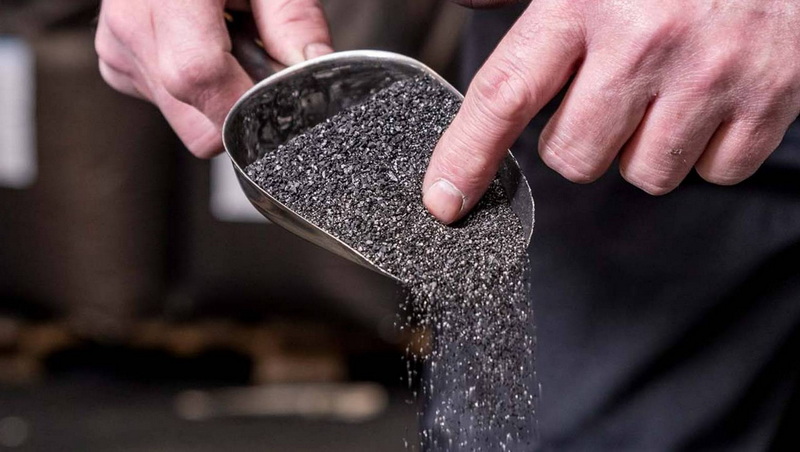
Activated carbon is a highly processed form of carbon that has been treated to develop an extremely large internal surface area. Under a microscope, activated carbon looks like a complex network of pores and channels, providing an enormous amount of contact surface for gases and liquids passing through it. This internal structure allows activated carbon to adsorb (not absorb) molecules: they cling to the surface of the carbon rather than being soaked into it.
Because of this structure, even a relatively small amount of activated carbon has a very high capacity for capturing contaminants and odors. In industrial applications, activated carbon is used for:
- Air filtration in HVAC systems and air purifiers
- Gas purification and solvent recovery
- Water treatment and wastewater polishing
- Food and beverage decolorization and deodorization
- Pharmaceutical and chemical processing
Using activated carbon in a sploof is essentially a scaled-down version of these professional filtration systems. When smoke passes through the activated carbon bed, many smell-causing compounds are trapped on the carbon surface. This makes the exhaled air much less noticeable and can also reduce visible smoke.
Safety Notes Before You Start
Working with activated carbon is simple, but you should handle it correctly to keep your DIY sploof safe and comfortable to use.
- Rinse the activated carbon before use to remove dust and fine particles that could be inhaled.
- Allow the activated carbon to drain or lightly dry before loading it, so you do not blow water droplets back at yourself.
- Do not overpack the sploof with activated carbon; if the bed is too dense, it becomes very hard to exhale.
- Replace the activated carbon periodically, because over time the surface becomes saturated with captured molecules and its performance drops.
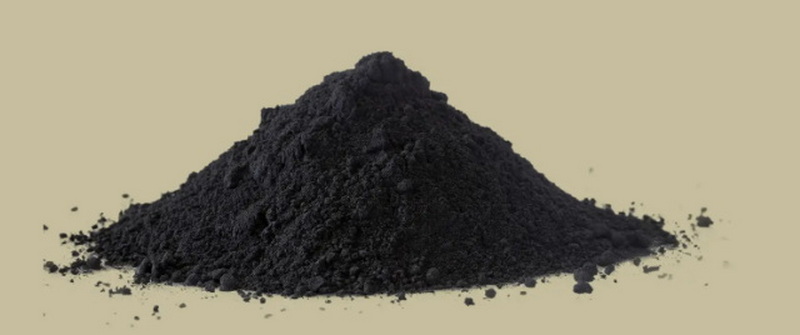
- Avoid using very fine powdered activated carbon for this project, since it is easier to blow small particles through the device.
In any application that uses activated carbon, there is always a trade-off between contact time and airflow. For a sploof, you want enough activated carbon to filter odors effectively, while keeping resistance low enough that you can exhale comfortably.
Materials You Need for a DIY Activated Carbon Sploof
To build a practical and reliable sploof with activated carbon, you only need a few common items plus decent-quality carbon granules.
- Plastic bottle (about 16–20 oz), clean and dry
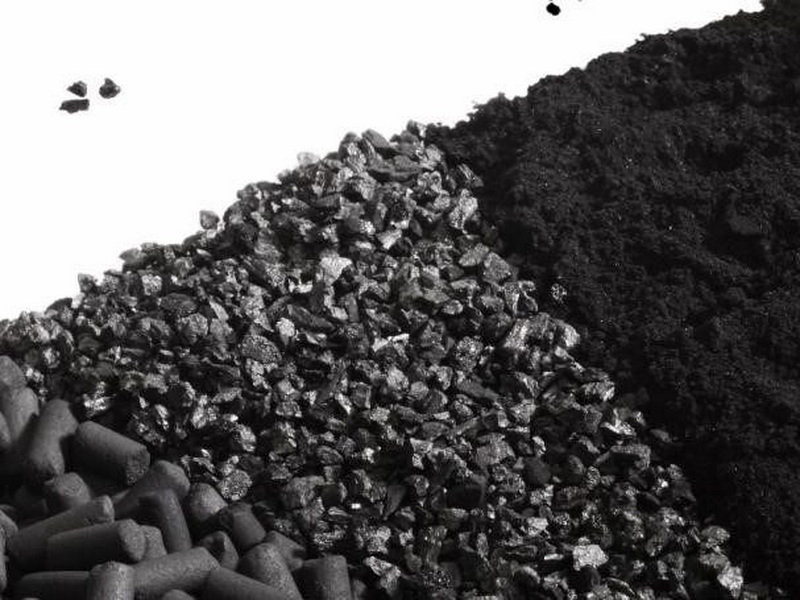
- Granular or pelletized activated carbon (often sold for aquarium filters or air filters)
- Sharp knife or scissors for cutting the bottle
- Strainer or colander to rinse the activated carbon
- Dryer sheets, fabric softener sheets, or a small piece of breathable fabric
- Rubber bands or strong tape to secure fabric and reinforce the structure
- Optional: cotton pads or thin foam discs as internal supports to hold the activated carbon layer
Granular or pellet activated carbon is recommended because it allows airflow through the gaps between particles while still offering a large contact surface. This makes it a good balance between filtration efficiency and breathing comfort.
Step-by-Step: How to Make a Sploof With Activated Carbon
Step 1: Prepare and Rinse the Activated Carbon
Before loading activated carbon into your sploof, you should clean it to remove loose dust and fines. This step helps keep the air that exits the sploof clean and comfortable.
1. Pour the desired amount of activated carbon into a small strainer or colander.
2. Hold the strainer under running water and gently stir the activated carbon with your fingers or a spoon.
3. Continue rinsing until the water runs mostly clear and not dark gray.
4. Shake off excess water and let the activated carbon drain for several minutes. Slightly damp carbon is fine and can even help capture some odors, but it should not be dripping.
In industrial systems, activated carbon is often steam-activated or thermally reactivated to optimize its pore structure. For a DIY sploof, rinsing is sufficient to remove dust and prepare the activated carbon for use.
Step 2: Cut and Prepare the Bottle
The bottle forms the body of your sploof and holds the activated carbon bed in place.
1. Remove any labels and rinse the inside of the bottle. Let it dry.
2. Using a sharp knife or scissors, carefully cut off the bottom third of the bottle. This bottom opening will be where filtered air exits.
3. Keep the neck of the bottle intact, since this is where you will place your mouth and blow.
4. If there are sharp edges where you cut the bottle, trim or smooth them to prevent tearing fabric or hurting your hands.
Some builders also add a few small side holes near the exit end to distribute airflow, but for most simple sploofs, a single, fabric-covered opening is enough.
Step 3: Create Internal Supports (Optional but Recommended)
To keep the activated carbon in place and maintain a consistent bed depth, you can add simple internal supports.
- Cut a circle of thin foam, cotton pad, or stiff fabric to fit snugly inside the bottle near the exit end.
- Insert this disc from the cut bottom and push it a short distance inside the bottle so it acts as a shelf.
- This shelf will hold the activated carbon and prevent it from piling directly against the outlet fabric.
This step makes your sploof look more professional and helps maintain even airflow through the activated carbon layer.
Step 4: Add the Activated Carbon Bed
Now you will form the core filtration section using your rinsed activated carbon.
1. Stand the bottle upright with the mouth at the top.
2. Carefully pour the rinsed, drained activated carbon into the bottle from the cut bottom.
3. Aim for a bed depth of about 2–3 inches (5–7 cm). Deeper beds provide longer contact time, but they also increase airflow resistance.
4. Gently tap or shake the bottle to settle the activated carbon and remove large voids. Avoid compacting it too tightly.
In professional carbon filters, bed depth is a crucial design parameter used to achieve a specific “residence time” for air or liquid passing through the activated carbon. In your sploof, a moderate depth is enough to provide effective odor reduction for casual use.
Step 5: Seal the Outlet With Fabric or Dryer Sheets
The outlet end of the sploof should be covered to keep the activated carbon inside and provide an additional light filtration layer.
1. Place a dryer sheet or piece of breathable fabric over the cut bottom of the bottle.
2. Stretch the fabric so it is flat and free of large wrinkles.
3. Secure it tightly with a rubber band or tape, wrapping several times if needed.
4. Check that the fabric is firmly attached and will not blow off when you exhale.
Some people like to use two dryer sheets or a double layer of fabric for extra polishing of the air. You can experiment with different fabrics and layering to find the best balance between extra filtering and easy airflow.
Step 6: Test and Fine-Tune Your Activated Carbon Sploof
Once your sploof is assembled, you should test it and adjust the design if necessary.
- Take a breath of clean air, then exhale through the mouth end of the sploof with moderate force.
- You should feel noticeable resistance but still be able to exhale without straining.
- The air coming out of the fabric-covered end should have much less odor and may release far less visible smoke.
- If exhaling feels too difficult, pour out a small amount of activated carbon or rearrange the bed so there are more open pathways.
- If odor reduction seems weak, consider adding a bit more activated carbon, replacing used carbon with fresh material, or adding a second sploof in series.
By slightly adjusting bed depth, bottle size, and fabric type, you can customize your activated carbon sploof to match your preferences for discretion and comfort.
Maintenance, Replacement, and Performance Tips
A sploof with activated carbon works best when the carbon is fresh and the structure is intact. Over time, all filters lose efficiency, and your sploof is no exception.
- Replace the activated carbon when you notice odors becoming stronger even though you are exhaling the same way. This is a sign that the adsorption sites are saturated.
- Heavy, frequent use will saturate the activated carbon faster than occasional use. If you use your sploof regularly, plan to refresh the carbon more often.
- Keep the sploof in a dry, clean place when not in use so the activated carbon does not waste its capacity on ambient odors or moisture.
- Check the fabric or dryer sheets for tears, stains, or excessive moisture. Replace them when they look worn or dirty.
- If the bottle becomes cracked or deformed, move the activated carbon into a new bottle body to ensure a good seal and stable structure.
In large-scale air filtration systems, operators monitor pressure drop and contaminant levels to determine when to change or regenerate activated carbon. In your DIY sploof, you can rely on smell, airflow, and visible condition as practical indicators.
Advanced Activated Carbon Sploof Ideas
Once you have built a basic sploof, you can explore more advanced designs that make even better use of activated carbon.
Larger Multi-Layer Bottle Design
You can create a more advanced activated carbon sploof by using a slightly bigger bottle and dividing the interior into two layers:
- A pre-filter layer of cotton or foam at the mouth end
- A main bed of granular activated carbon in the middle
- A polishing layer of fabric and dryer sheets at the outlet end
This design more closely resembles a small cartridge filter and can increase odor removal without making exhaling extremely difficult.
Dual-Stage Activated Carbon Sploof
For higher performance, you can connect two smaller sploofs in series:
- Build two identical sploofs with activated carbon.
- Use a short piece of tubing or a tight adapter to join the outlet of the first sploof to the mouth end of the second.
- Exhale through the first sploof so that air passes through two separate activated carbon beds.
This dual-stage configuration increases contact time with activated carbon, improving the overall removal of odor molecules.
Fan-Assisted Mini Filter
If you are comfortable with simple electronics, you can adapt the activated carbon sploof idea into a small fan-assisted filter:
- Use a computer fan mounted on one side of a short cylinder filled with activated carbon.
- The fan pulls air through the activated carbon bed and exhausts filtered air out the other side.
- Although this is not a traditional hand-held sploof, it shows how activated carbon can be used to build custom odor-control devices.
These advanced concepts highlight how flexible and powerful activated carbon is as a filtration medium, from small DIY sploofs to industrial-scale filters.
Understanding How Activated Carbon Works in Your Sploof
To get the most from your activated carbon sploof, it helps to understand some key principles that govern performance.
Adsorption vs Absorption
Activated carbon captures molecules through adsorption, which means they stick to the surface of the carbon's pores. This is different from absorption, where a substance is taken into the body of another material. Because activated carbon has such an enormous internal surface area, adsorption is very efficient.
Contact Time and Bed Depth
The longer smoke stays in contact with the activated carbon, the more odor molecules can be captured. A deeper bed of activated carbon usually increases contact time but also increases resistance. You want a reasonable depth that offers good odor control while still allowing comfortable exhalation.
Saturation and Breakthrough
As you continue using your sploof, more and more odor molecules accumulate on the activated carbon. Eventually the carbon becomes saturated, and new molecules are no longer captured effectively. This point is called breakthrough. In a DIY sploof, you notice breakthrough when smells become stronger and the sploof seems less effective.
Practical Usage Tips for an Activated Carbon Sploof
Using an activated carbon sploof correctly is just as important as building it well.
- Always take a full breath of fresh air before exhaling through the sploof, so you can exhale smoothly in a single flow.
- Hold the mouth end firmly against your lips to avoid leaks around the sides.
- Exhale slowly and steadily rather than explosively; slower airflow gives more contact time with the activated carbon.
- Use the sploof near a window, fan, or ventilation system to further disperse any remaining odor.
- Store the sploof upright so the activated carbon stays evenly distributed across the bed.
These small habits help the activated carbon in your sploof work more efficiently and improve your overall experience.
Conclusion
A sploof built with activated carbon is a compact, practical way to reduce smoke odor by passing exhaled air through a dense bed of porous carbon media. The extraordinary internal surface area of activated carbon allows it to adsorb a large number of odor molecules and volatile compounds, significantly decreasing the smell and visibility of smoke. By choosing good-quality granular or pellet activated carbon, rinsing it properly, and designing a simple bottle-based sploof with an appropriate bed depth, you can combine everyday materials with the powerful filtration properties of activated carbon.
With basic maintenance and periodic replacement of the activated carbon, your sploof can remain effective and comfortable to use over time. Understanding concepts like adsorption, contact time, and saturation will help you fine-tune your design and use it more efficiently. Whether you stop at a simple single-bottle design or experiment with dual-stage and multi-layer configurations, the same core principle remains: activated carbon is a versatile, proven filtration medium that can make a small DIY sploof perform like a miniature industrial odor-control device.
Contact us to get more information!
FAQ
1. How does activated carbon in a sploof actually remove odors?
Activated carbon removes odors by adsorption. Odor molecules and volatile organic compounds cling to the enormous internal surface of the carbon's pores as air passes through the bed. When you exhale through a sploof filled with activated carbon, many of the smell-causing compounds are trapped inside the carbon structure instead of escaping into the room, which makes the exhaled air much less noticeable.
2. What kind of activated carbon is best for a sploof?
Granular or pelletized activated carbon is usually the best choice for a sploof. These forms provide a good balance between surface area and airflow, allowing smoke to pass through the spaces between particles while still contacting a large amount of activated carbon. Aquarium filter carbon, air purifier carbon refills, and similar products are generally suitable for this type of DIY project.
3. How often should I replace the activated carbon in my sploof?
You should replace the activated carbon whenever you notice that the sploof is no longer controlling odors effectively. If the smell becomes stronger or more noticeable, it usually means that the adsorption sites inside the activated carbon are approaching saturation. Heavy or frequent use will require more frequent replacements, while occasional use will allow the same activated carbon bed to last longer.
4. Can I reuse or “reactivate” the same activated carbon in a sploof?
In industrial settings, some activated carbon can be thermally reactivated using specialized equipment and high temperatures, but this process is not practical or safe for home use. For a DIY sploof, the simplest and safest approach is to discard saturated activated carbon and refill the device with fresh media. This ensures consistent performance and avoids the risks associated with attempting to regenerate carbon at home.
5. Is using activated carbon in a sploof safe for breathing?
Using properly rinsed granular or pellet activated carbon in a closed container is generally considered safe for a passive sploof, as long as you do not inhale directly from the carbon itself. Rinsing the activated carbon removes most dust and fines, and keeping the carbon bed inside the bottle with a fabric or dryer-sheet barrier reduces the chance of particles escaping. Always exhale through the sploof rather than inhaling through it, and avoid using very fine powdered activated carbon that can easily become airborne.
Citations:
1. https://www.royalqueenseeds.com/us/blog-the-ultimate-guide-to-making-a-sploof-n861
2. https://www.instructables.com/Activated-Carbon-Air-Filter/
3. https://eoleaf.com/pages/activated-carbon-and-its-role-in-air-filtration
4. https://mood.com/blog/how-to-make-a-sploof
5. https://www.420magazine.com/community/threads/diy-high-flow-carbon-filter.115176/
6. https://www.everfilt.com/post/activated-carbon-filtration-media-definition-facts-figures
7. https://forum.grasscity.com/threads/easiest-homemade-activated-carbon-sploof.319821/
8. https://www.reddit.com/r/crboxes/comments/1f5ngfm/smokeodor_diy_carbon_filter_advice/
9. https://molekule.com/blogs/all/activated-carbon-air-filter
10. https://heyabby.com/blogs/lifestyle/how-to-make-a-sploof


