Content Menu
● What Is an Activated Carbon Filter?
>> Types of Activated Carbon Media
● Key Components of an Activated Carbon Filter System
● Safety Precautions Before Installing Activated Carbon
● Planning Your Activated Carbon Filter Installation
>> Define Your Treatment Goals
>> Select the Right Location
● Step‑by‑Step: How to Install an Activated Carbon Water Filter
>> Step 1: Shut Off and Depressurize the System
>> Step 2: Prepare Plumbing Connections
>> Step 3: Mount the Housing or Vessel
>> Step 4: Load or Insert the Activated Carbon
>> Step 5: Connect the Drain Line (If Applicable)
>> Step 6: Initial Start‑Up and Flushing
>> Step 7: Check for Leaks and Performance
● Installing an Activated Carbon Filter for Air or Gas
● Maintenance and Replacement of Activated Carbon
>> Replacement Intervals
>> Routine System Checks
>> Handling and Storage of Activated Carbon
● Common Installation Mistakes to Avoid
● Using Activated Carbon with Other Treatment Technologies
● Conclusion
● FAQ About Installing Activated Carbon Filters
>> 1. How often should I replace an activated carbon filter?
>> 2. Do I need a pre‑filter before an activated carbon filter?
>> 3. Can activated carbon remove all contaminants from water?
>> 4. Is activated carbon safe to handle and use?
>> 5. Why is it important to flush a new activated carbon filter?
● Citations:
Installing an activated carbon filter correctly is essential if you want stable performance, clean water or air, and a long service life from the filter media. This guide walks you step by step through the planning, installation, start‑up, and maintenance of an activated carbon system for typical home or light industrial water use, with notes that also apply to air and gas filtration.
What Is an Activated Carbon Filter?
An activated carbon filter is a filtration device that uses processed carbon with a highly porous structure to adsorb contaminants from water, air, or process fluids. A modern activated carbon filter can remove chlorine, organic chemicals, odor compounds, and many unwanted tastes, while specialized grades can target chloramines, sulfur compounds, and even some heavy metals.
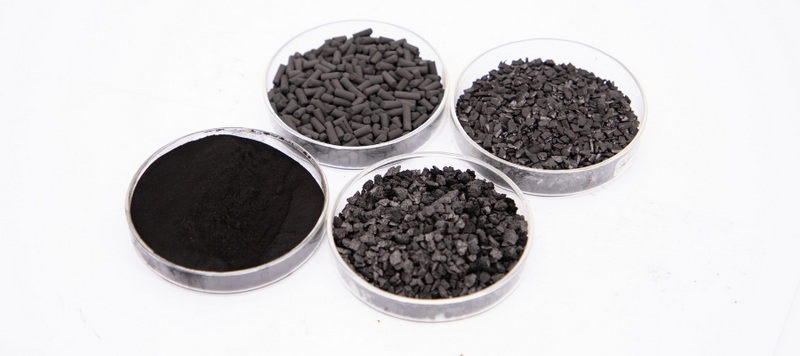
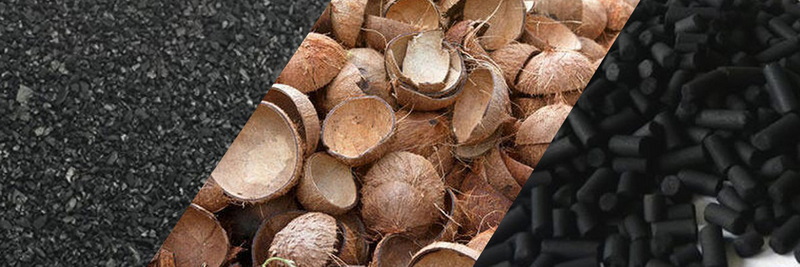
Activated carbon is produced from raw materials such as coconut shell, coal, wood, or nutshells that are carbonized and then “activated” to create a huge internal surface area. During activation, countless microscopic pores form inside the carbon, giving activated carbon its high adsorption capacity for dissolved and gaseous contaminants. Because of this structure, a small amount of activated carbon can capture a large number of molecules from water and air.
Types of Activated Carbon Media
Different activated carbon types are used in filters depending on the application and desired performance:
- Granular activated carbon (GAC) uses loose carbon granules and is common in whole‑house and industrial systems where higher flow and lower pressure drop are needed.
- Carbon block (extruded or compressed activated carbon) forces water through a dense block, increasing contact time and improving contaminant removal in under‑sink and point‑of‑use filters.
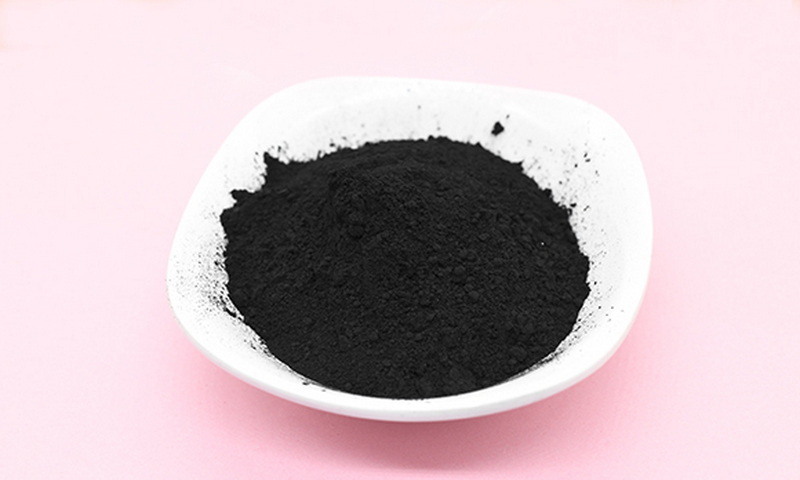
- Powdered activated carbon is ground to a fine powder and often used in batch treatment tanks, composite cartridges, or dosing systems for industrial water treatment.
- Activated carbon fiber and specialty impregnated activated carbon (for example, with silver or catalysts) are used where very high adsorption rates, specific contaminants, or compact designs are required.
Regardless of type, all of these media rely on the same principle: contaminants are captured on the surface of the activated carbon through physical adsorption and, in some cases, chemical reactions.
Key Components of an Activated Carbon Filter System
Understanding each component helps you install the activated carbon filter correctly and troubleshoot problems later. A typical water treatment system using activated carbon includes:
- Housing or pressure vessel: The shell that holds the activated carbon bed or cartridge and withstands operating pressure.
- Inlet and outlet ports: These direct the flow through the activated carbon bed according to the system design arrows or labels.
- Control valve or head: Manages service, backwash, and bypass positions in larger automatic activated carbon systems.
- Internal distributors and collectors: Ensure even flow through the activated carbon bed and prevent channeling or dead zones that reduce adsorption efficiency.
- Support layers: Gravel or other media at the bottom of large vessels support the activated carbon and protect the under‑drain from fine particles.
- Drain line (for backwashing systems): Carries backwash water to an air‑gap–protected drain or floor trap, as required by plumbing codes.
- Pre‑filters and post‑filters: Sediment filters before the activated carbon remove particles, while polishing filters afterwards can protect downstream equipment.
Each part plays a specific role, and correct assembly and orientation are critical for getting the best performance from your activated carbon filter.
Safety Precautions Before Installing Activated Carbon
Activated carbon is generally safe to use, but the dust, confined spaces, and interaction with chemicals require basic safety measures to protect installers and users.
- Wear protection: Use safety glasses, gloves, and appropriate clothing. Tight‑fitting goggles are recommended if dust is generated when handling activated carbon.
- Avoid inhaling dust: Work in a well‑ventilated area and minimize dust generation and accumulation when loading or replacing activated carbon. If necessary, use a dust mask or respirator suitable for fine particles.
- Fire and chemical hazards: Certain vapors can create hot spots or fires in activated carbon beds, especially in industrial gas treatment systems. Always follow manufacturer and safety authority guidance for activated carbon used with volatile organic compounds.
- Follow instructions: Always follow the manufacturer's instructions for design, operation, backwashing, and fire‑prevention measures in activated carbon adsorption systems.
- Electrical and plumbing codes: When integrating an activated carbon filter with pumps, controllers, or building plumbing, comply with local regulations and qualified installation practices.
By respecting these precautions, you can install and operate your activated carbon filter safely and reliably.
Planning Your Activated Carbon Filter Installation
A successful installation begins before any pipe is cut. Good planning helps ensure your activated carbon filter fits the space, connects correctly, and meets your treatment goals.
Define Your Treatment Goals
Before installing any activated carbon filter, clarify what you need the activated carbon to do:
- Improve taste and odor by removing chlorine and organic compounds from municipal water.
- Remove specific contaminants such as volatile organic compounds (VOCs), pesticides, or industrial chemicals.
- Protect downstream equipment, such as reverse osmosis membranes or process lines, by removing oxidants.
- Treat air streams or gases to control odor and harmful vapors.
Your goals will influence which grade of activated carbon, which filter configuration, and what size system you choose.
Select the Right Location
Choose a dry, accessible, and well‑ventilated area that will not freeze and allows easy service of the activated carbon vessel or cartridge. For water systems:
- Install whole‑house activated carbon filters after the main shutoff valve and after a sediment pre‑filter, but before branch lines feeding fixtures.
- Ensure there is enough space above and around the activated carbon filter to remove the head, replace cartridges, or add media.
- Provide a drain and electrical outlet nearby if your activated carbon system uses an automatic control valve.
For air or gas systems, place the activated carbon module where airflow is stable and duct connections are straightforward, with enough headroom to access and replace the activated carbon elements.
Step‑by‑Step: How to Install an Activated Carbon Water Filter
The following procedure applies to typical point‑of‑entry or point‑of‑use water systems using granular or carbon block activated carbon media.
Step 1: Shut Off and Depressurize the System
- Close the main water supply valve or the relevant branch line feeding the activated carbon filter location.
- Open nearby cold water faucets to relieve pressure and drain residual water so you can cut pipes and connect the new activated carbon unit safely.
- If you have a pump, turn off the power to avoid unexpected restarts during installation.
Step 2: Prepare Plumbing Connections
- Plan the piping layout on paper or with a quick sketch, making sure the activated carbon filter is installed in the correct flow direction.
- Dry‑fit all adapters, tees, unions, and shutoff valves before final assembly to confirm that the activated carbon filter housing will align correctly.
- Use appropriate transition fittings (for example, soldered copper adapters on a bench, PEX or PVC couplings) to protect the activated carbon housing from excessive heat during installation.
- Install isolation valves on both sides and a bypass line if possible, so water can bypass the activated carbon filter during maintenance.
Step 3: Mount the Housing or Vessel
- Secure wall‑mount brackets or floor stands rated for the weight of the filled activated carbon filter, including water.
- Follow inlet/outlet arrows on the control valve and bypass to avoid installing the activated carbon system backwards, which can damage internal distributors and reduce performance.
- Tighten threaded connections using thread‑sealing tape on male threads, avoiding over‑tightening plastic parts on the activated carbon housing.
- Check that the activated carbon vessel is vertical and stable to ensure even flow through the activated carbon bed.
Step 4: Load or Insert the Activated Carbon
For cartridge‑type activated carbon filters:
- Insert the new activated carbon cartridge into the housing according to orientation marks, ensuring seals sit properly in grooves.
- Confirm that the cartridge seats fully on the bottom post and the top O‑ring seals against the housing cap.
- Reinstall the housing sump, lubricating O‑rings if recommended, and hand‑tighten before slightly snugging with the provided wrench.
For tank‑type granular activated carbon systems:
- Inspect internal pipes and distributors to ensure they are intact and correctly seated before adding activated carbon.
- Add a small amount of clean water to the vessel to cushion the fall of the activated carbon and help it distribute evenly.
- Gradually pour the activated carbon into the tank, avoiding clumps and preventing media from entering the central pipe by covering it during filling.
- After filling to the specified level, reinstall the control valve head or top adapter and tighten to create a leak‑free seal.
Step 5: Connect the Drain Line (If Applicable)
For backwashing granular activated carbon systems:
- Connect the drain line to a floor drain or P‑trap through a legal air‑gap device; never hard‑pipe the drain without an air gap.
- Verify that hose size and length meet the manufacturer's limits so the activated carbon system can achieve proper backwash flow.
- Secure the drain line to prevent movement or disconnection when the activated carbon filter cycles.
Step 6: Initial Start‑Up and Flushing
- Keep the control valve in bypass mode and slowly reopen the main water supply, flushing plumbing lines of debris and air.
- Move the valve from bypass to service following the instructions, then open downstream faucets slowly to purge air and carbon fines.
- Many manufacturers recommend running water through the new activated carbon filter for several minutes or a specified volume before drinking, to remove fines and condition the activated carbon bed.
- For backwashing systems, perform an initial backwash cycle to expand and clean the activated carbon bed according to the control valve program.
Step 7: Check for Leaks and Performance
- Inspect all joints, housings, and the activated carbon control head for drips or seepage while the system is under pressure.
- Monitor water clarity, taste, and odor from several taps; a properly installed activated carbon filter should quickly improve chlorine taste and smell.
- Check system pressure at key points. An excessive pressure drop across the activated carbon filter may indicate clogging, undersized piping, or a problem with the media.
- Correct any leaks immediately and retighten or reseal connections as necessary.
Installing an Activated Carbon Filter for Air or Gas
Air and gas filters with activated carbon cartridges or beds follow similar principles but typically focus on odor and VOC removal rather than taste and chlorine.
- Place the activated carbon module downstream of particulate pre‑filters to prevent dust loading of the carbon surface.
- Ensure the airflow direction matches the arrows on the activated carbon cassette or canister, and seal all duct joints to prevent bypass.
- Use gaskets and clips to ensure air passes through the activated carbon media and does not leak around the edges.
- For industrial vapor adsorption using activated carbon, have a qualified engineer review the vapors' composition, temperature, and explosion risk, and ensure safety systems for fire prevention are in place.
In HVAC systems, activated carbon is often combined with pleated filters and HEPA filters. The activated carbon layer removes odors and gaseous contaminants, while other filters handle dust and fine particles.
Maintenance and Replacement of Activated Carbon
Keeping activated carbon in good condition is as important as installing it correctly. Over time, the pores of activated carbon fill with contaminants and the adsorption capacity drops.
Replacement Intervals
- Small activated carbon cartridges and point‑of‑use filters are typically replaced every few months to a year, depending on water quality and usage.
- Larger granular activated carbon beds in whole‑house or industrial systems can last longer but still require periodic replacement or reactivation when capacity is exhausted.
- Some systems use monitoring tools, such as chlorine residual tests, pressure gauges, or online sensors, to indicate when the activated carbon is no longer performing.
Routine System Checks
- Regularly test water quality for key parameters, such as chlorine, taste, odor, color, and any target contaminants the activated carbon was selected to remove.
- Monitor pressure drop across the activated carbon filter; a sharp pressure increase can signal clogging upstream of the activated carbon bed or within the media.
- Inspect housings, O‑rings, and fittings during each service visit. Replace worn seals to avoid leaks and air entry, which can disturb the activated carbon bed.
- Clean or replace pre‑filters to protect the activated carbon layer and maintain stable flow rates.
Handling and Storage of Activated Carbon
- Avoid direct skin contact with spent activated carbon, and wash hands after handling. Spent activated carbon may hold absorbed chemicals that are not safe.
- Keep the work area clean and well ventilated during media change to minimize dust inhalation and contamination of surrounding equipment.
- Store new activated carbon in sealed bags or containers away from moisture, heat, and incompatible chemicals until installation.
- Follow local regulations for the disposal or regeneration of spent activated carbon, especially if it has been used to adsorb hazardous substances.
Common Installation Mistakes to Avoid
Even with good instructions, several common mistakes can reduce the effectiveness of an activated carbon filter:
- No pre‑filter before the activated carbon, leading to rapid clogging and short service life.
- Installing the activated carbon filter backwards, ignoring the flow direction indicated on the head or cartridge.
- Skipping the initial flush, which leaves carbon fines in the system and can cause black water or clogged aerators.
- Oversizing or undersizing the activated carbon filter so the contact time is either too short or the pressure drop is excessive.
- Ignoring manufacturer guidelines for backwash flow, leading to poor bed expansion and channeling inside the activated carbon vessel.
By avoiding these errors, you help ensure your activated carbon system delivers the performance you expect.
Using Activated Carbon with Other Treatment Technologies
In many systems, activated carbon is only one part of a larger treatment train. When combined correctly, activated carbon can greatly improve overall performance.
- With sediment filtration: Sediment filters capture particles, while activated carbon removes dissolved organics and chlorine.
- With reverse osmosis: Activated carbon protects the reverse osmosis membrane from oxidants and improves taste and odor of permeate water.
- With ion exchange: Activated carbon removes organics that can foul ion‑exchange resins and reduce their capacity.
- With disinfection: Activated carbon is often followed by UV disinfection or other methods to manage microbial risks that activated carbon alone cannot handle.
Thoughtful integration of activated carbon with these technologies ensures cost‑effective and robust treatment.
Conclusion
Installing an activated carbon filter correctly starts with choosing the right type of activated carbon media, housing, and installation point in your water or air system. Safe handling of activated carbon, proper plumbing or duct connections, and thorough flushing or conditioning ensure that the activated carbon bed delivers stable, high‑quality filtration from day one. With regular maintenance, timely replacement, and respect for safety guidelines, an activated carbon filter will provide reliable control of taste, odor, and many organic contaminants across residential, commercial, and industrial applications.
Contact us to get more information!
FAQ About Installing Activated Carbon Filters
1. How often should I replace an activated carbon filter?
Activated carbon cartridges and small point‑of‑use filters are typically replaced every few months to a year, depending on water quality, flow rate, and daily usage. Larger granular activated carbon beds in whole‑house or industrial systems can last longer but still require periodic replacement or reactivation when their adsorption capacity is exhausted. Always follow the replacement interval recommended by the system manufacturer and verify performance with simple tests such as chlorine or odor checks.
2. Do I need a pre‑filter before an activated carbon filter?
Yes, a sediment pre‑filter before the activated carbon filter is strongly recommended to remove sand, rust, and particles that would quickly clog the activated carbon pores. A good pre‑filter protects the activated carbon bed, maintains flow, and extends service life, especially in well water and industrial applications. Without a pre‑filter, the activated carbon will become dirty and less effective much faster.
3. Can activated carbon remove all contaminants from water?
No, activated carbon is excellent for chlorine, taste, odor, and many organic chemicals, but it is not a complete barrier to all pathogens, dissolved salts, or hardness minerals. Activated carbon is not a substitute for disinfection, softening, or desalination when those functions are needed. For comprehensive treatment, activated carbon is often combined with technologies like reverse osmosis, ion‑exchange, or UV disinfection.
4. Is activated carbon safe to handle and use?
Activated carbon is generally safe when handled with basic precautions, such as gloves, eye protection, and good ventilation to avoid breathing dust. New activated carbon is chemically stable, but spent activated carbon may contain the contaminants it has adsorbed, so extra care is required during removal and disposal. In specialized vapor adsorption systems, safety controls are necessary because certain organic vapors on activated carbon can create fire risks if not properly engineered.
5. Why is it important to flush a new activated carbon filter?
Flushing a new activated carbon filter removes loose carbon fines and conditions the media surface so it works as designed. Proper flushing also clears air from the system, stabilizes flow, and ensures that the first water you drink or use has passed through a fully wetted activated carbon bed. Skipping this step can result in discolored water, clogged aerators, and inconsistent performance from the activated carbon system.
Citations:
1. https://www.fabtank.com/news/activated-carbon-filter-installation-guide.html
2. https://www.waterdropfilter.com/blogs/buyers-guides/activated-carbon-for-water-filtration
3. https://www.freshwatersystems.com/blogs/blog/activated-carbon-filters-101
4. https://colincarbon.com/blog/precautions-for-using-activated-carbon-for-water-treatment.html
5. https://www.osha.gov/publications/hib19970730
6. https://us.atlasfiltri.com/downloads/1724768531_ab1backcarb-0624-instr-backwash-carbon-filters.pdf
7. https://www.youtube.com/watch?v=1VBmcCgC3cw
8. https://www.youtube.com/watch?v=1VBmcCgC3cw


