Content Menu
● What is activated carbon?
● Main ways to get activated carbon
>> Buying activated carbon from a manufacturer
>> Regenerating spent activated carbon
>> Producing activated carbon from raw materials
● Raw materials for making activated carbon
● How activated carbon is manufactured
>> Carbonization
>> Activation
>>> Physical activation
>>> Chemical activation
>> Washing, drying, and finishing
● Regeneration methods to extend activated carbon life
>> Thermal regeneration
>> Other regeneration approaches
● Practical steps to get the right activated carbon
>> Define your application and performance requirements
>> Choose the appropriate form of activated carbon
>> Decide between fresh supply and regeneration
● Conclusion
● FAQ about activated carbon
>> 1. What makes activated carbon different from ordinary charcoal?
>> 2. Can I produce activated carbon on a small scale for critical applications?
>> 3. How do I know when my activated carbon is exhausted?
>> 4. Is regenerated activated carbon suitable for all applications?
>> 5. Which raw material base should I choose for my activated carbon?
● Citations:
Activated carbon can be obtained either by producing it from suitable carbon‑rich raw materials through controlled carbonization and activation, or by purchasing industrially produced activated carbon that already meets specific performance and regulatory requirements for water, air, gas, food, chemical, and pharmaceutical applications. For most users, sourcing high‑quality granular, powdered, or pelletized activated carbon from a professional manufacturer, and combining it with appropriate regeneration strategies, is the safest and most economical way to secure a stable, long‑term supply.
Activated carbon is a highly porous adsorbent with enormous internal surface area, engineered to remove a wide range of contaminants from liquids and gases in industrial, municipal, and household systems. Knowing how to get activated carbon, and which route is best for your plant or project, requires understanding raw materials, production methods, regeneration options, and purchasing strategies.
What is activated carbon?
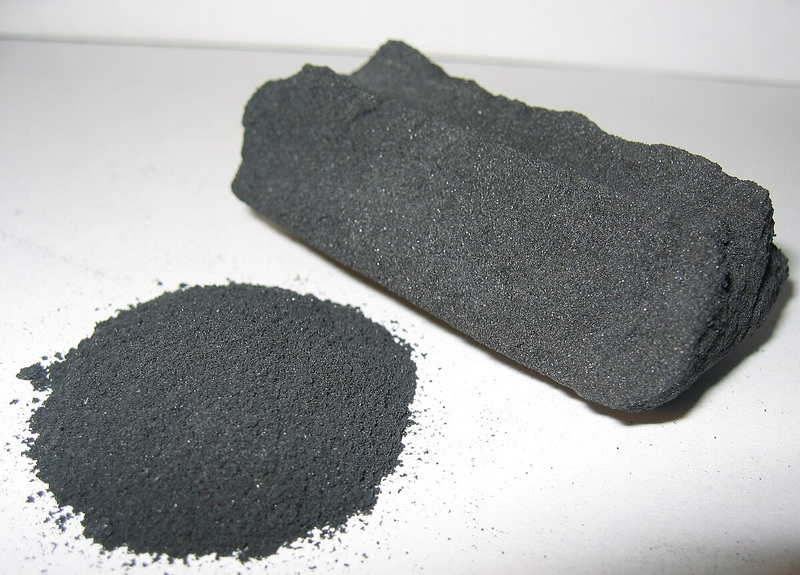
Activated carbon is a processed carbon material with a complex network of micro‑, meso‑, and macropores that provide extremely high internal surface area for adsorption. This porous structure allows activated carbon to attract and hold molecules such as organic compounds, chlorine, odors, color bodies, and certain dissolved metals from water and air streams.
Typical properties of activated carbon include:
- High carbon content and low volatile matter compared with ordinary charcoal
- Internal surface areas often exceeding hundreds of square meters per gram
- Tailored pore size distribution optimized for specific contaminants
- Availability in powdered, granular, and pelletized forms for different systems
Because of these characteristics, activated carbon is used in water treatment, wastewater polishing, air and gas purification, food and beverage decolorization, sugar refining, solvent recovery, and pharmaceutical purification.
Main ways to get activated carbon
There are three practical paths to get activated carbon for industrial use: buying new activated carbon, regenerating spent activated carbon, and producing activated carbon from raw materials in your own facility. The best option depends on volume, application, investment capability, and environmental strategy.
Buying activated carbon from a manufacturer
In most cases, the simplest and most reliable way to get activated carbon is to purchase it from a specialized manufacturer or supplier. Professional producers offer a broad range of activated carbon products with documented performance, stable quality, and technical support.
Common commercial forms include:
- Powdered activated carbon (PAC) for dosing into liquid streams and later separation
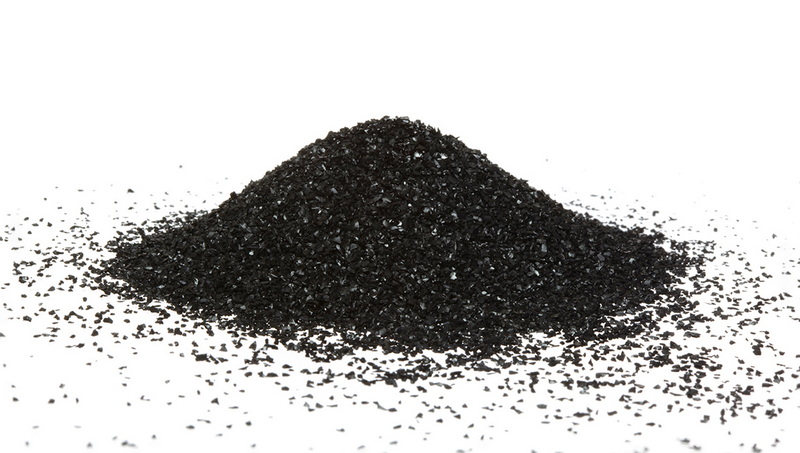
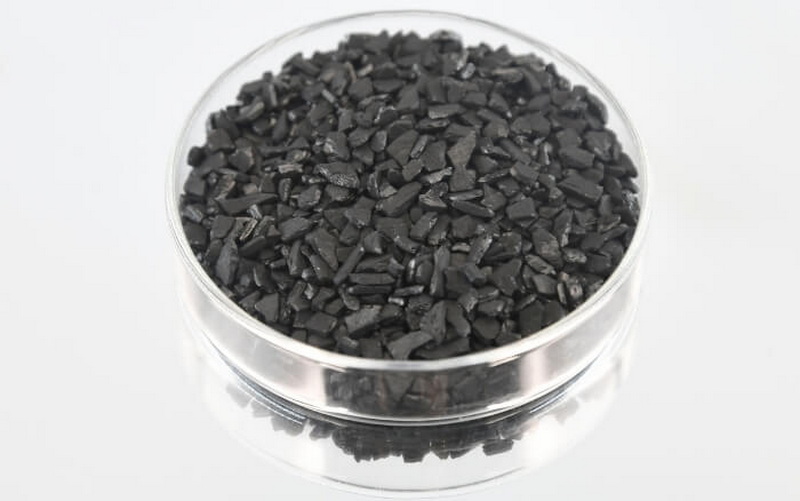
- Granular activated carbon (GAC) for fixed‑bed filters, contactors, and adsorption columns
- Pelletized or extruded activated carbon for gas‑phase adsorption with low pressure drop
When you buy activated carbon from a qualified supplier you benefit from:
- Consistent quality control, including iodine number, methylene blue value, hardness, and ash
- Compliance with standards for drinking water, food contact, or pharmaceutical applications
- Application engineering support for media selection, system design, and change‑out strategies
For many water treatment plants, beverage factories, chemical producers, and pharmaceutical manufacturers, buying properly specified activated carbon is the primary method of securing adsorption capacity.
Regenerating spent activated carbon
Once activated carbon has adsorbed contaminants and its pores are filled, it becomes “spent” and loses most of its effective capacity. Instead of disposing of this spent activated carbon immediately, many operators send it for regeneration or reactivation so that it can be used again.
Regeneration allows you to:
- Recover a large portion of the original adsorption capacity of activated carbon
- Reduce the amount of fresh activated carbon you need to purchase over time
- Lower waste volumes and disposal costs, supporting sustainability goals
Large users often adopt a closed loop in which spent activated carbon is shipped to a regeneration facility, processed at high temperature, and returned as regenerated activated carbon, sometimes blended with a fraction of virgin activated carbon to meet performance requirements.
Producing activated carbon from raw materials
The third way to get activated carbon is to manufacture it in‑house from suitable raw materials. This option is typically used by dedicated activated carbon producers or integrated industrial sites with large volumes of carbonaceous feedstock.
Producing your own activated carbon can be attractive when:
- You have secure access to low‑cost coal, coconut shells, wood, or biomass residues
- You need special grades, shapes, or properties not readily available on the market
- Your business model supports the capital investment and regulatory obligations of an activation plant
However, designing, commissioning, and operating a complete activated carbon production line requires expertise in thermal engineering, safety, environmental control, and quality assurance.
Raw materials for making activated carbon
If you choose to manufacture activated carbon, or want to understand the origin of the products you purchase, it is essential to know the main raw materials. The feedstock strongly influences the pore structure, hardness, ash content, and adsorption behavior of the final activated carbon.
Common raw materials include:
- Coal: Bituminous and lignite coals are widely used to produce robust coal‑based activated carbon suitable for water and gas treatment.
- Coconut shell: Coconut shell activated carbon is known for high hardness and abundant micropores, often used for drinking water, air purification, and solvent recovery.
- Wood: Wood‑based activated carbon tends to have a broader pore structure, making it suitable for decolorization and certain liquid‑phase applications.
- Other biomass: Materials such as nut shells, fruit stones, and agricultural residues can also be converted into activated carbon with tailored properties.
Selecting the right raw material ensures that the activated carbon you get will match the needs of your application, whether it is ultra‑pure water production, odor control, or process purification.
How activated carbon is manufactured
Manufacturing activated carbon from raw materials involves three main stages: carbonization, activation, and post‑treatment. Each stage must be carefully controlled to produce activated carbon with the desired performance characteristics.
Carbonization
Carbonization is the initial heat treatment of the raw material in the absence of oxygen. During this step, volatile components are driven off and a carbon‑rich char is formed.
Key aspects of carbonization:
- The raw material is heated to elevated temperatures, under conditions that minimize direct combustion.
- Gases, tars, and other volatiles are removed, leaving a char that contains the basic carbon skeleton.
- Preliminary pores and channels are created inside the particles, forming the foundation for later activation.
Depending on the feedstock, carbonization is typically carried out in rotary kilns, vertical furnaces, or other controlled reactors that provide uniform heating and residence time.
Activation
Activation is the critical step that transforms char into highly porous activated carbon. There are two main activation methods: physical activation and chemical activation.
Physical activation
Physical activation is based on gasification of the carbonized char at high temperature using oxidizing gases, usually steam or carbon dioxide. Heating the char in a controlled way removes disordered carbon and opens up the pore structure.
Typical features of physical activation:
- High activation temperatures, often between about 800 and 1,000 degrees Celsius
- Use of steam, carbon dioxide, or a combination as activating gases
- Careful balance between burn‑off and preservation of mechanical strength
As activation proceeds, pores deepen and widen, and new pores are generated. The process is stopped when the target surface area, pore size distribution, and yield are reached.
Chemical activation
Chemical activation uses chemical agents to promote pore development at lower temperatures. In this method, raw material or char is impregnated with activating chemicals such as phosphoric acid or zinc chloride, then heated to moderate activation temperatures.
Characteristics of chemical activation:
- Use of liquid impregnation to distribute activating agents throughout the raw material
- Lower activation temperatures compared with physical activation
- Ability to generate high surface area and specific pore structures, especially in wood‑based and biomass‑based activated carbon
After activation, residual chemicals must be thoroughly washed out to meet purity and ash specifications.
Washing, drying, and finishing
Once activation is complete, the activated carbon must be washed, dried, and processed into the final commercial form.
Typical post‑treatment steps:
- Washing with water and sometimes other solutions to remove residual chemicals, ash, and fines
- Drying to reach a defined moisture content that is stable in storage and handling
- Crushing, milling, granulating, or pelletizing to achieve the required particle size and shape
Finished activated carbon is then screened, tested for key quality parameters, and packaged in bags, big bags, or bulk containers according to customer needs.
Regeneration methods to extend activated carbon life
For operators who already use activated carbon in large volumes, regeneration is one of the most important strategies for reducing total cost and environmental impact. Instead of disposing of spent activated carbon, regeneration methods restore adsorption capacity and allow repeated use.
Thermal regeneration
Thermal regeneration is the most widely applied method for granular and pelletized activated carbon. Spent activated carbon is heated under controlled conditions to remove or decompose adsorbed contaminants.
Basic steps in thermal regeneration:
- Drying and heating of spent activated carbon to remove moisture and volatile compounds
- High‑temperature treatment in furnaces such as rotary kilns or multiple hearth furnaces
- Partial gasification of residual organics, reopening pores and recovering adsorption sites
After thermal regeneration, the reactivated product is cooled, screened, and returned for service, often blended with fresh activated carbon if necessary.
Other regeneration approaches
Depending on the contaminants and process, other regeneration techniques may also be used or researched:
- Biological regeneration uses microorganisms to degrade organic pollutants on the surface of activated carbon in water treatment systems.
- Wet oxidation relies on oxidizing agents and elevated temperature and pressure to break down adsorbed organics.
- Ultrasonic and electrochemical methods can help detach and decompose adsorbed compounds in certain niche applications.
These alternative methods complement thermal regeneration and may be attractive where energy savings or decentralized regeneration are priorities.
Practical steps to get the right activated carbon
From the point of view of an end user, getting the right activated carbon is not just about buying any product labeled “activated carbon”. It is a process of defining requirements, selecting the right type and form, and then choosing the best sourcing and regeneration strategy.
Define your application and performance requirements
The first step is to clearly define how and where activated carbon will be used. Important aspects include:
- Liquid‑phase or gas‑phase operation
- Target contaminants and required removal efficiency
- Flow rate, contact time, temperature, and pH
- Regulatory standards for product water, air emissions, or product purity
With this data, you and your supplier can match the correct activated carbon grade to your application.
Choose the appropriate form of activated carbon
Each form of activated carbon has advantages and limitations:
- Powdered activated carbon is flexible for intermittent dosing, emergency treatment, and batch processes.
- Granular activated carbon is ideal for fixed beds, filters, and long‑term treatment systems.
- Pelletized activated carbon is widely used in gas‑phase applications where low pressure drop and dust control are critical.
Form selection affects capital cost, operating cost, and ease of replacement.
Decide between fresh supply and regeneration
Finally, consider how you will maintain adsorption capacity over time:
- For small systems, replacing spent activated carbon with fresh material may be the simplest approach.
- For larger systems, sending spent activated carbon to a regeneration facility and receiving regenerated activated carbon can significantly reduce long‑term costs.
- In special cases, building an on‑site regeneration unit may be justified, particularly for very large volumes and strategic independence.
By combining fresh supply and regeneration, you can build a robust and efficient activated carbon strategy for your plant.
Conclusion
Getting activated carbon for industrial and commercial applications involves more than simply choosing a product from a catalog. You can obtain activated carbon by purchasing fresh material from specialized manufacturers, regenerating your spent activated carbon through thermal or alternative methods, or producing activated carbon from raw materials such as coal, coconut shell, and wood when volumes and investment justify it. Understanding the production process, regeneration options, and the influence of raw materials and activation methods helps you select the best activated carbon grade and form for your system.
When you carefully define your application, work with experienced technical teams, and optimize the balance between fresh supply and regeneration, activated carbon becomes a highly reliable and sustainable solution for water treatment, air and gas purification, food and beverage processing, chemical production, and pharmaceutical manufacturing.
Contact us to get more information!
FAQ about activated carbon
1. What makes activated carbon different from ordinary charcoal?
Activated carbon is produced by controlled carbonization and activation to develop a vast internal surface area and a network of pores, while ordinary charcoal is mainly used as a fuel with limited porosity. This engineered pore structure gives activated carbon much higher adsorption capacity for contaminants in water and air streams.
2. Can I produce activated carbon on a small scale for critical applications?
Small‑scale experiments can imitate carbonization and activation, but producing consistent, high‑quality activated carbon for drinking water, food, or pharmaceuticals requires industrial‑grade equipment, strict process control, and testing. For safety and compliance, critical applications should always use activated carbon manufactured and certified by professional producers.
3. How do I know when my activated carbon is exhausted?
Typical indicators of exhausted activated carbon include breakthrough of contaminants at the outlet, loss of odor control, or failing quality tests for water or gas purity. Monitoring inlet and outlet concentrations, pressure drop, and operating time allows you to estimate remaining service life and schedule replacement or regeneration before performance drops below specification.
4. Is regenerated activated carbon suitable for all applications?
Regenerated activated carbon can be suitable for many industrial applications, especially wastewater, off‑gas, and some process streams, when the regeneration process is well controlled. For highly sensitive uses such as certain pharmaceutical or food applications, users may prefer virgin activated carbon or carefully validated regenerated products that meet strict quality and regulatory standards.
5. Which raw material base should I choose for my activated carbon?
Coal‑based activated carbon is often selected for robust mechanical strength and general water and gas treatment; coconut shell activated carbon is popular for drinking water and vapor phase treatment due to its hardness and microporosity; wood‑based activated carbon is widely used for decolorization and specific liquid‑phase tasks. The best choice depends on your contaminants, required pore structure, and mechanical and regulatory constraints.
Citations:
1. General technical literature on activated carbon manufacturing and applications
2. Industry resources on physical and chemical activation of carbonaceous raw materials
3. Technical articles on regeneration and thermal reactivation of spent activated carbon
4. Common application guidelines for selecting powdered, granular, and pelletized activated carbon


