Content Menu
● What Is Granular Activated Carbon?
● Why Cleaning GAC Is Essential
● Basic Safety Precautions Before Cleaning
● How Granular Activated Carbon Fouls
● Simple Rinsing for Small GAC Filters
● Soaking Methods for Deeper Cleaning
● Backwashing Granular Activated Carbon Beds
● Step‑by‑Step Backwash Procedure
● Frequency of GAC Backwashing
● Initial Conditioning of New GAC
● When Cleaning Is Not Enough: Regeneration
● Chemical Regeneration of GAC
● Special Considerations for Air and Gas Filters
● What Not to Do When Cleaning GAC
● Example Cleaning Workflows by Application
● Conclusion
● FAQ About Cleaning Granular Activated Carbon
>> FAQ 1: How often should granular activated carbon be backwashed?
>> FAQ 2: Can granular activated carbon be reused after cleaning?
>> FAQ 3: Is it safe to boil granular activated carbon at home?
>> FAQ 4: What water should be used to rinse granular activated carbon?
>> FAQ 5: When should granular activated carbon be replaced instead of cleaned?
● Citations:
Cleaning and maintaining granular activated carbon (GAC) correctly keeps its adsorption performance high and extends media life in water, air, and process applications. This guide explains practical step‑by‑step methods for rinsing, backwashing, and regenerating granular activated carbon safely and effectively.[1][2][3][4]
What Is Granular Activated Carbon?
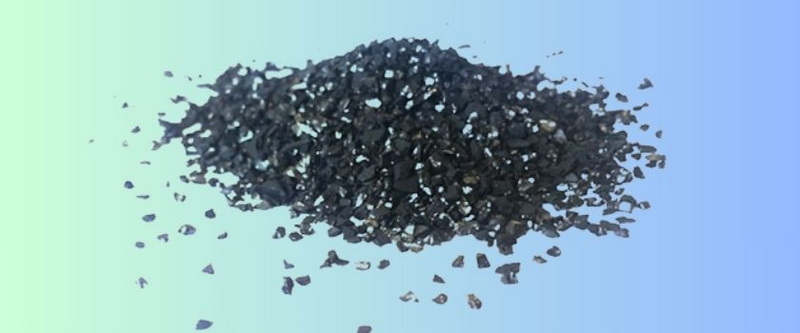
Granular activated carbon is a porous carbon media with particle sizes typically between 0.2–5 mm, produced from coal, coconut shell, or wood and activated to create a very high internal surface area. These porous granules adsorb organic contaminants, chlorine, odors, and various micro‑pollutants from water, air, and process streams.[5][6][4]
In industrial systems, granular activated carbon is commonly used in fixed beds, pressure vessels, and filters for drinking water treatment, wastewater polishing, air and gas purification, food and beverage decolorization, and pharmaceutical purification. Over time, the granular activated carbon bed becomes loaded with suspended solids and adsorbed contaminants and must be cleaned or regenerated to restore capacity.[2][4][7]
Why Cleaning GAC Is Essential
Unmaintained granular activated carbon gradually plugs with particulate matter and biomass, which increases pressure drop and reduces contact time and adsorption efficiency. If granular activated carbon is allowed to foul, a large portion of its surface area becomes unavailable, resulting in earlier breakthrough of contaminants and shorter media life.[8][9][4][2]
Regular cleaning and backwashing of granular activated carbon offers several benefits: it removes retained solids, controls biological growth, re‑stratifies the bed, and helps maintain predictable hydraulic performance. In high‑value applications such as PFAS and pesticide removal, proper cleaning and regeneration of granular activated carbon can significantly cut operating and replacement costs.[3][6][7][2]
Basic Safety Precautions Before Cleaning
Before any cleaning of granular activated carbon filters or vessels, always isolate the equipment by shutting off feed flow and depressurizing the system according to your plant's procedures. Check that valves are tagged and locked out if required, and ensure any chemical dosing (e.g., oxidants, pH adjusters) is switched off upstream of the granular activated carbon bed.[4][10][3]
Operators handling granular activated carbon should wear basic PPE, including gloves, dust mask or respirator when handling dry media, and eye protection to avoid irritation from carbon dust or contaminated water. When cleaning granular activated carbon that has adsorbed hazardous organics or industrial chemicals, follow local regulations for handling, spent backwash water collection, and waste disposal.[7][4]
How Granular Activated Carbon Fouls
Granular activated carbon fouling typically occurs through three main mechanisms: accumulation of suspended solids, biomass growth, and saturation of adsorption sites by organic or inorganic contaminants. Solids and biofilm primarily block pores near the outer surfaces of the granules, while strongly adsorbed compounds occupy internal pore structures of the granular activated carbon.[2][5][8][4]
For water treatment filters, granular activated carbon often acts unintentionally as a mechanical filter, trapping turbidity and iron or manganese oxides, which accelerates clogging. In air and gas purification, granular activated carbon can load with dust and aerosols on external surfaces before its internal adsorption capacity is fully used.[11][9][12][8]
Simple Rinsing for Small GAC Filters
For small cartridges and aquarium or point‑of‑use filters filled with granular activated carbon, basic rinsing is usually the first and easiest cleaning method. Remove the cartridge or media tray from the housing, place the granular activated carbon in a fine mesh container, and rinse gently under running clean water while stirring lightly to remove loose dust and sediment.[13][1]
When rinsing granular activated carbon, avoid vigorous mechanical scrubbing or crushing the granules, because this can damage pore structure and generate fines that cause downstream pressure drop. After rinsing, allow the granular activated carbon cartridge or tray to drain and air dry partially if recommended by the device manufacturer, then reinstall and flush the system until water runs clear.[13][11][1]
Soaking Methods for Deeper Cleaning
When simple rinsing is not enough, soaking granular activated carbon in a mild cleaning solution can help dislodge scale and organic films from granule surfaces. A commonly recommended approach is to prepare warm water mixed with a small amount of food‑grade acid such as lemon juice or vinegar and optionally salt, then soak the granular activated carbon for about one hour with occasional swirling.[1][13]
The mild acidity helps dissolve mineral deposits on granular activated carbon, while the salt and gentle movement provide light abrasion without damaging the pore network. After soaking, rinse the granular activated carbon thoroughly with clean water, or even distilled water for high‑purity applications, until all traces of odor and cleaning solution are removed.[13][1]
Backwashing Granular Activated Carbon Beds
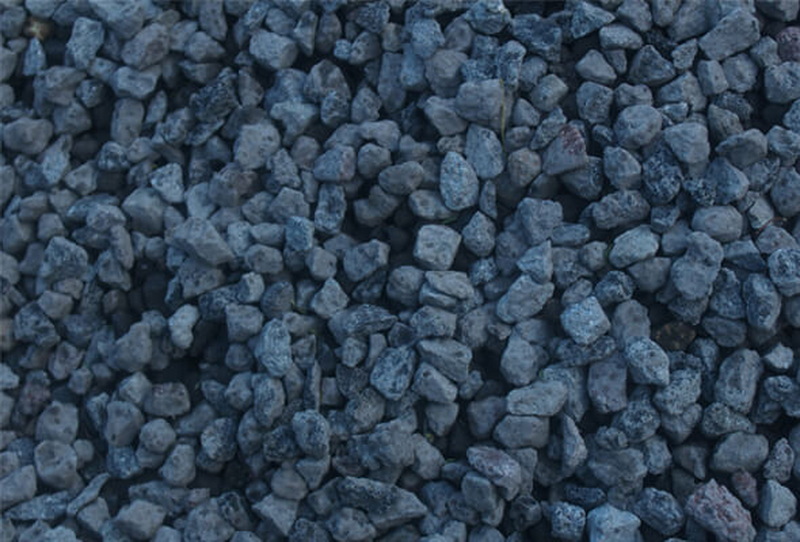
For full‑scale water treatment systems, the primary cleaning method for granular activated carbon is hydraulic backwashing of the filter bed. During backwashing, water flows upward through the granular activated carbon bed at a controlled rate, expanding and fluidizing the media to release trapped solids and biomass.[16][3][2]
A good backwash of granular activated carbon typically aims for about 30–40% bed expansion, adjusted for media size, water temperature, and density. Backwash should continue until the effluent runs clear and free of visible particles, ensuring the granular activated carbon bed is re‑classified and solids are removed from inter‑granular spaces.[10][3][2]
Step‑by‑Step Backwash Procedure
A typical backwash procedure for a granular activated carbon pressure filter starts with taking the unit offline and draining to the normal backwash level specified by the equipment supplier. Then, the operator gradually opens the backwash inlet to avoid sudden surges that might carry granular activated carbon out of the vessel, increasing the flow until the target expansion is reached.[16][10][2]
Backwashing is continued for a defined time or until the backwash effluent is visually clear and turbidity is acceptably low, at which point the flow is slowly reduced and stopped to allow the granular activated carbon bed to settle. Many systems then perform a short rinse or fast rinse step in service direction to clear residual backwash water before the granular activated carbon filter is returned to normal operation.[10][2][3]
Frequency of GAC Backwashing
The optimal backwash frequency for granular activated carbon depends on raw water quality, solids load, and biological activity, but regular scheduling is essential even if differential pressure does not rise dramatically. Some operators backwash granular activated carbon weekly or bi‑weekly to avoid excessive biofilm and maintain a clean, stratified bed, especially in surface water plants.[9][4][2]
Relying only on pressure drop for granular activated carbon backwash triggering can be risky when flows are low or solids are fine, since fouling and microbial growth may still be significant. Visual inspection where possible, bed expansion observations, and routine turbidity checks on backwash effluent are useful tools to refine the backwash schedule for each granular activated carbon filter.[8][9][2][10]
Initial Conditioning of New GAC
Fresh granular activated carbon must be conditioned before being placed into full service to remove fine carbon dust and entrained air. Manufacturers often recommend soaking new granular activated carbon media in clean water for many hours, then performing at least one complete backwash to remove fines and allow air to escape from pores.[4][10]
If new granular activated carbon is not fully wetted and degassed, even modest backwash flows can cause granules to float and be lost from the vessel. Proper start‑up conditioning of granular activated carbon ensures stable bed density and avoids nuisance issues such as black water, air binding, and media carryover during the first operating cycles.[2][10]
When Cleaning Is Not Enough: Regeneration
Over time, cleaning and backwashing only remove solids and biofilm; the adsorption sites of granular activated carbon gradually fill with contaminants. Once the granular activated carbon is saturated, more intensive regeneration or complete media replacement is required to restore adsorption performance.[5][7][4]
The two most widely used regeneration technologies for granular activated carbon are thermal regeneration in rotary kilns or multiple‑hearth furnaces and newer on‑site or microwave‑based processes. Thermal regeneration heats spent granular activated carbon to high temperatures in controlled atmospheres to desorb and oxidize adsorbed organics, while advanced processes seek to reduce energy use and enable on‑site granular activated carbon renewal.[6][7][4]
Chemical Regeneration of GAC
In some water treatment applications, chemical regeneration of granular activated carbon can be used as an alternative or complement to thermal methods. Carefully designed regenerant solutions, such as combinations of alkali and organic solvents, can desorb certain organic micro‑pollutants from granular activated carbon without the very high temperatures needed for full thermal regeneration.[17][5]
Chemical regeneration of granular activated carbon is particularly attractive where energy costs are high and contaminants are amenable to desorption, but it requires proper control, rinsing, and safe handling of spent regenerant streams. Research continues to refine in‑situ regeneration technologies for granular activated carbon that can operate intermittently within filter vessels to reduce downtime and extend media life.[17][7][5][4]
Special Considerations for Air and Gas Filters
Granular activated carbon air filters used in purifiers and HVAC systems can often be cleaned by removing loose dust and rinsing the support structure or prefilters. Some flat carbon filters with bonded granular activated carbon can be gently washed with water and a small amount of mild detergent, then thoroughly air‑dried before reinstallation.[11]
However, many carbon filters are designed as consumables, and repeated washing may not restore their adsorption capacity for gases and odors. For critical odor or VOC control, replacing saturated granular activated carbon filters on the manufacturer's schedule is usually safer than attempting deep regeneration at home.[18][11]
What Not to Do When Cleaning GAC
Certain practices can damage granular activated carbon or compromise treated water or air quality. Strong oxidizing chemicals like concentrated bleach can attack the carbon matrix and leave harmful residues within the granular activated carbon bed. Aggressive mechanical stirring or high‑shear mixing can break down granular activated carbon into fines that are easily lost during backwash or carried downstream.[1][13][2]
Inadequate drying after washing granular activated carbon filters used in air treatment may promote mold growth and odor problems. For industrial granular activated carbon systems, uncontrolled heating in standard ovens is unsafe and typically cannot reach the conditions required for proper thermal regeneration, potentially releasing hazardous vapors.[18][4][11]
Example Cleaning Workflows by Application
In municipal drinking water plants, granular activated carbon filters are usually run to a target bed life or effluent quality limit, with routine backwashes scheduled based on hours of operation and solids loading. When breakthrough of target contaminants occurs, the saturated granular activated carbon is removed and sent to an external regeneration facility or replaced with fresh media.[7][4][2]
In aquariums and small household systems, granular activated carbon is often cleaned with simple rinsing and occasional soaking, but cartridges are replaced periodically as adsorption capacity is exhausted. For industrial process streams, operators may combine backwashable granular activated carbon filters with centralized thermal or chemical regeneration services to optimize both performance and lifecycle cost.[12][14][7][13]
Conclusion
Granular activated carbon is a highly effective adsorbent, but its performance depends on proper cleaning, backwashing, and, when necessary, regeneration of the media. By combining routine rinsing or soaking for small filters with well‑designed backwash procedures and appropriate regeneration strategies for large granular activated carbon systems, operators can maintain water and air quality while significantly extending media life and reducing costs.[3][7][1][2][4]
FAQ About Cleaning Granular Activated Carbon
FAQ 1: How often should granular activated carbon be backwashed?
For most granular activated carbon water filters, backwashing is performed on a regular schedule such as weekly or bi‑weekly, depending on solids loading, bioactivity, and operating hours. Plants also monitor pressure drop and bed expansion to fine‑tune backwash frequency, ensuring the granular activated carbon bed stays clean without wasting water.[9][10][2]
FAQ 2: Can granular activated carbon be reused after cleaning?
Basic cleaning and backwashing of granular activated carbon remove solids and some loosely attached material but do not fully restore adsorption capacity. To truly reuse saturated granular activated carbon for high‑performance applications, the media must be thermally or chemically regenerated or replaced with fresh carbon.[5][7][4]
FAQ 3: Is it safe to boil granular activated carbon at home?
Boiling small amounts of granular activated carbon in clean water can help release trapped air and some light contaminants, but it does not replicate industrial thermal regeneration conditions. For spent granular activated carbon that has adsorbed hazardous substances, home boiling is not recommended because it may release unwanted vapors and cannot ensure safe reuse.[19][15][18][4]
FAQ 4: What water should be used to rinse granular activated carbon?
For typical household and aquarium use, clean tap water is usually acceptable for rinsing granular activated carbon, provided it meets normal drinking water standards. In sensitive applications such as laboratory, semiconductor, or pharmaceutical systems, distilled or deionized water is often used to rinse granular activated carbon to avoid introducing new impurities.[14][13][1][4]
FAQ 5: When should granular activated carbon be replaced instead of cleaned?
Granular activated carbon should be replaced when target contaminants begin to break through at unacceptable levels, when media has reached the end of its design life, or when regeneration is not economical. If granular activated carbon is severely fouled with iron, manganese, oils, or irreversible organics, repeated cleaning will not restore capacity and a full media change‑out is usually the best solution.[12][7][5][4]
Citations:
[1](https://crateclub.com/blogs/loadout/how-to-clean-activated-carbon-water-filter-a-comprehensive-guide)
[2](https://www.carbotecnia.info/en/learning-center/activated-carbon-equipment/backwash-the-cleaning-of-the-water-filters/)
[3](https://www.cleanwaterstore.com/resource/frequently-asked-questions/about-carbon-backwash-filters/)
[4](https://nepis.epa.gov/Exe/ZyPURL.cgi?Dockey=P1001QTK.TXT)
[5](https://pubs.rsc.org/en/content/articlehtml/2020/ew/d0ew00328j)
[6](https://www.waterrf.org/research/projects/microwave-regeneration-pfas-exhausted-granular-activated-carbons)
[7](https://revive-environmental.com/what-is-granular-activated-carbon-regeneration-and-why-it-matters-for-pfas-removal/)
[8](https://www.reddit.com/r/WaterTreatment/comments/13t4zn7/backwashing_carbon_filter_on_city_water/)
[9](https://www.eng-tips.com/threads/gac-backwash-intervals.525065/)
[10](https://www.calgoncarbon.com/app/uploads/DataSheet_StartUpConditioningInstructions_FINAL_102822-1.pdf)
[11](https://housefresh.com/how-to-clean-an-activated-carbon-air-filter/)
[12](https://www.battelle.org/markets/environment/pfas-and-emerging-chemicals/pfas-destruction-and-remediation/granular-activated-carbon-regeneration-technology)
[13](https://www.livingwhole.com.au/how-to-clean-an-activated-carbon-filter/)
[14](https://www.youtube.com/watch?v=PujCeLxNRL0)
[15](https://www.youtube.com/watch?v=jZYmCDa2zKU)
[16](https://jamescumming.com.au/articles/backwashing-filter-media-activated-carbon/)
[17](https://www.sciencedirect.com/science/article/abs/pii/S1385894725092769)
[18](https://forum.growweedeasy.com/forum/growing-community/641675-cleaning-and-reactivating-a-carbon-filter)
[19](https://www.reddit.com/r/microgrowery/comments/131jq76/wash_your_activated_carbon/)
[20](https://gasificationplant.com/biomass-energy/activated-carbon-regeneration-methods/)


