Content Menu
● What is activated carbon?
● Why activated carbon is so widely used
● Step 1: Define your application
● Step 2: Choose the right activated carbon type
>> Powdered activated carbon (PAC)
>> Granular activated carbon (GAC)
>> Extruded or pelletized activated carbon
>> Specialty and impregnated activated carbon
● Step 3: Select raw material and key quality parameters
>> Raw materials for activated carbon
>> Key quality indicators when you buy activated carbon
● Step 4: Match activated carbon to your process design
● Step 5: Evaluate supplier capabilities
● Step 6: Check certifications and compliance
● Step 7: Compare pricing and life‑cycle cost
● Step 8: Request samples and run trials
● Step 9: Plan logistics, packaging, and safety
● Step 10: Build a long‑term partnership
● Practical tips for industrial buyers of activated carbon
● Conclusion
● FAQ about buying activated carbon
>> 1. How do I choose between powdered and granular activated carbon?
>> 2. Which raw material is best for my activated carbon?
>> 3. How much activated carbon do I need for my system?
>> 4. Can activated carbon be regenerated and reused?
>> 5. What certifications should I check before buying activated carbon?
● Citations:
Buying activated carbon for industrial use is not just about checking a few specifications; it is about matching the right grade, raw material, and form of activated carbon to your process conditions, regulatory requirements, and total cost of ownership across the full life cycle of use and disposal. When done correctly, purchasing activated carbon improves water and air quality, protects equipment, stabilizes product quality, and reduces operating costs in applications such as water treatment, air and gas purification, food and beverage processing, chemicals, and pharmaceuticals.
What is activated carbon?
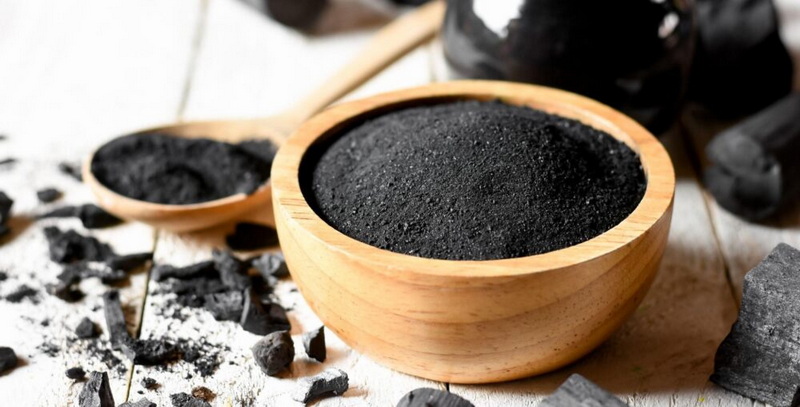
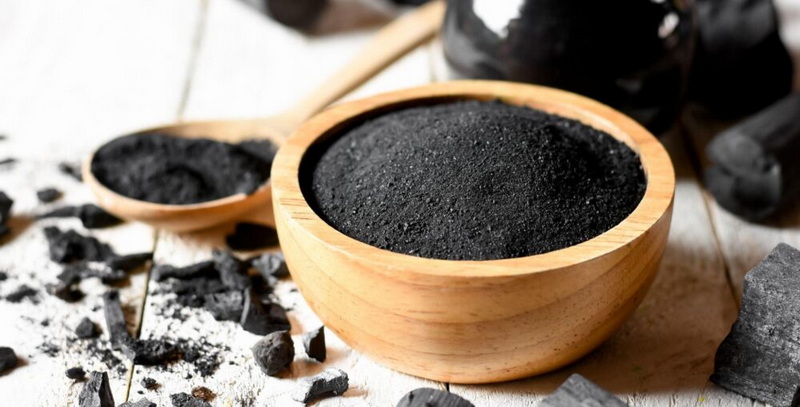
Activated carbon is a highly porous carbon material with an enormous internal surface area, designed to adsorb dissolved or gaseous impurities from water, air, and process liquids. It is typically produced from coal, coconut shell, wood, or other carbon‑rich materials that are carbonized and then activated with steam or chemicals to create a network of micro‑, meso‑, and macropores.
Activated carbon is widely used in water purification, sewage treatment, air and gas purification, solvent recovery, gold recovery, food and beverage decolorization, and pharmaceutical purification. In industrial processes, activated carbon is often used in fixed beds, filters, columns, and adsorption systems to remove organic contaminants, odor‑causing compounds, and trace toxic substances.
Why activated carbon is so widely used
Activated carbon has become a preferred purification material across many industries because it offers a unique combination of performance, flexibility, and cost‑effectiveness. Its extremely high internal surface area enables activated carbon to adsorb a wide range of organic molecules, taste and odor compounds, and trace contaminants even at low concentrations.
In addition, activated carbon can often be thermally regenerated and reused, which lowers long‑term operating cost and reduces waste generation compared with many single‑use adsorbents or chemicals. For many operators, switching to an optimized activated carbon grade can improve product quality, help meet stricter environmental regulations, and extend downstream equipment life.
Activated carbon is also versatile in system design. It can be used in powder form for rapid, short‑term treatment or in granular and pelletized forms for continuous operation in fixed beds and columns. This flexibility allows engineers to integrate activated carbon into existing water, air, gas, and process systems with minimal structural changes.
Step 1: Define your application
The first step in learning how to buy activated carbon is to define exactly where and how it will be used. Different applications require different pore structures, particle sizes, iodine numbers, hardness levels, and regulatory certifications.
Typical applications include:
- Municipal and industrial water treatment, including removal of organic pollutants, chlorinated compounds, and taste/odor in drinking water
- Industrial wastewater polishing, groundwater remediation, and removal of trace organics before discharge or reuse
- Air and gas purification, such as VOC removal, solvent recovery, odor control, and sulfur compound removal in oil and gas refining
- Food and beverage processing for decolorization and purification of sugar solutions, edible oils, sweeteners, juices, flavorings, and additives
- Pharmaceutical and fine chemical processes where high purity, low leachable metals, and reliable batch‑to‑batch consistency are critical
For each application, you should clearly describe:
- The type of fluid (water, wastewater, air, flue gas, process gas, organic solvent, etc.)
- The target contaminants (organic compounds, color bodies, odor compounds, chlorine, chloramines, sulfur species, trace metals, etc.)
- The required effluent or product quality and any regulatory standards that must be met
Understanding these points will guide all subsequent decisions about which activated carbon to choose.
Step 2: Choose the right activated carbon type
Once the application is defined, you can select the most suitable form of activated carbon. The main categories are powdered activated carbon (PAC), granular activated carbon (GAC), extruded or pelletized activated carbon, and specialty impregnated or modified activated carbon.
Powdered activated carbon (PAC)
Powdered activated carbon consists of very fine particles, usually added directly into liquid streams or batch processes. PAC is commonly used for:
- Intermittent treatment or seasonal problems such as taste and odor episodes in surface water
- Decolorization and purification of liquids in food and beverage or chemical applications
- Emergency treatment when a new contaminant appears and the existing system needs rapid support
PAC offers fast kinetics because of its small particle size and large external surface area. It is typically dosed into the process, allowed to contact the water or liquid, and then removed by downstream filtration or sedimentation. PAC is not usually regenerated; it is used once and then disposed of with sludge.
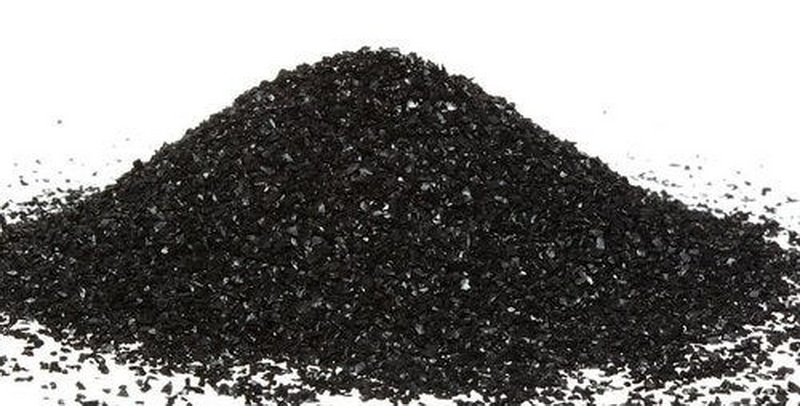
Granular activated carbon (GAC)
Granular activated carbon consists of larger granules that are used in fixed beds and columns for continuous water and air treatment. GAC is widely used in:
- Municipal and industrial drinking water treatment systems
- Industrial wastewater polishing and reuse systems
- Groundwater remediation projects
- Air and gas purification systems where continuous operation is required
GAC beds allow fluid to flow through while contaminants are adsorbed onto the activated carbon particles. When the activated carbon is saturated, the bed can be replaced or, in many cases, thermally regenerated. GAC is often the preferred choice for large‑scale, continuous processes.
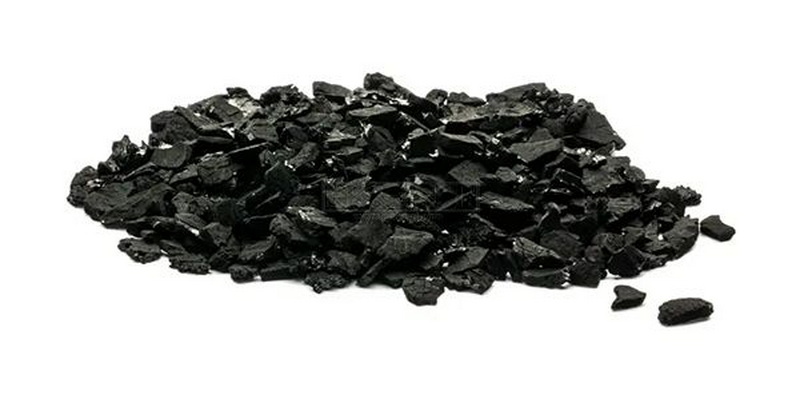
Extruded or pelletized activated carbon
Extruded or pelletized activated carbon is made by forming carbon into cylindrical pellets. This type is popular for gas‑phase applications because it offers:
- High mechanical strength and low dust generation
- Controlled particle size and shape, which helps maintain predictable pressure drop
- Good performance in solvent recovery, VOC control, and refinery gas treatment
Pelletized activated carbon is often used in adsorption towers and can also be regenerated in many systems, reducing overall consumption.
Specialty and impregnated activated carbon
Specialty activated carbon is modified or impregnated with chemicals to enhance the removal of specific contaminants. Examples include:
- Activated carbon impregnated for improved adsorption of acidic or basic gases
- Activated carbon designed for mercury removal in flue gas or natural gas treatment
- Catalytic activated carbon for advanced oxidation, chloramine removal, or enhanced decomposition of certain compounds
These products are typically used in critical industrial emission control, catalyst protection, and high‑risk gas purification where standard activated carbon is not sufficient.
Step 3: Select raw material and key quality parameters
Different raw materials produce different performance characteristics in activated carbon. For industrial buyers, raw material selection affects adsorption capacity, hardness, dust level, regeneration behavior, and cost.
Raw materials for activated carbon
- Coconut shell activated carbon
Coconut shell activated carbon typically has high hardness, low dust, and a high proportion of micropores. It is often preferred for drinking water, beverage filtration, and some gas applications where abrasion resistance, purity, and a strong microporous structure are critical.
- Coal‑based activated carbon
Coal‑based activated carbon usually provides a balanced pore size distribution and good mechanical strength. It is widely used in industrial water treatment, wastewater treatment, flue gas purification, and process gas purification. Coal‑based activated carbon can be produced in many particle sizes and forms, from powdered activated carbon to granular and pelletized grades.
- Wood‑based activated carbon
Wood‑based activated carbon has more mesopores and macropores, making it suitable for decolorization and treatment of larger organic molecules. It is common in food and sugar refining, some specialty chemical processes, and certain wastewater applications where color and large molecules must be removed efficiently.
Key quality indicators when you buy activated carbon
When buying activated carbon, technical data sheets are your primary tool for comparing grades. Important parameters include:
- Iodine number
Iodine number is a basic indicator of micropore content and overall adsorption capacity. In general, a higher iodine number suggests higher capacity for small organic molecules. Different applications may require different iodine ranges.
- Surface area (BET surface area)
BET surface area measures the total accessible surface area where adsorption occurs. Industrial activated carbon often ranges from several hundred to over 1,000 m²/g. Higher surface area can indicate higher capacity, but pore size distribution must also match the target contaminants.
- Hardness and abrasion resistance
Hardness and abrasion resistance are crucial for granular and pelletized activated carbon used in columns or moving beds. High hardness reduces dust generation, minimizes fines, and helps maintain stable pressure drop and bed structure over time.
- Ash content and impurities
Ash content reflects the mineral residue in activated carbon. Low ash and low metal levels are important for food, beverage, and pharmaceutical grade activated carbon, where purity and low leachable metals are required. For many industrial applications, ash content also influences pH behavior and long‑term performance.
- Moisture content
Moisture content affects the effective mass of activated carbon in a shipment and can influence handling and storage. Specifications should clearly state the moisture range to ensure fair price comparison between different activated carbon suppliers.
Step 4: Match activated carbon to your process design
Even the best activated carbon will underperform if not matched to your process design. Before buying activated carbon in bulk, you should review system parameters and discuss them with a specialized manufacturer or supplier.
Important process parameters include:
- Contact time, often expressed as Empty Bed Contact Time (EBCT) for water and gas columns
- Flow rate, including peak and average flow, as well as flow pattern (continuous or intermittent)
- Temperature, pH, and pressure conditions that can influence adsorption performance
- Expected contaminant loading, influent variability, and desired breakthrough time
In addition, system design considerations include:
- Bed depth and vessel dimensions for granular and pelletized activated carbon systems
- Dosing and mixing points for powdered activated carbon in batch or continuous processes
- Pre‑filtration, pH adjustment, or pre‑treatment steps to remove suspended solids, oil, or other foulants that could block activated carbon pores
Well‑designed systems help activated carbon operate efficiently, reduce premature saturation, and extend bed life.
Step 5: Evaluate supplier capabilities
When learning how to buy activated carbon for global industrial applications, supplier capability is just as important as product specification. A strong manufacturer should provide technical support, consistent quality, and flexible logistics for export orders.
Key points to evaluate include:
- Technical expertise
A good activated carbon supplier should be able to recommend suitable grades based on water analysis, gas composition, or process data. They should also support system sizing, estimate bed life, and help optimize regeneration or replacement intervals.
- Manufacturing and quality management
Reliable activated carbon manufacturers operate multiple production lines for coal‑based, coconut shell, and wood‑based activated carbon. They implement rigorous quality control and traceability from raw material through activation, screening, and packaging. Consistent quality is essential for regulated industries like food, beverage, and pharmaceuticals.
- Export and logistics experience
For international buyers, a supplier with established export experience in shipping activated carbon worldwide is crucial. This includes handling documentation, palletization, container loading, and customs requirements. Flexible packaging options, mixed container loads, and OEM/private label services can also add value.
Choosing a supplier with strong technical, manufacturing, and logistics capabilities helps ensure that your activated carbon supply is stable and that your systems can be supported for the long term.
Step 6: Check certifications and compliance
For water, food, beverage, and pharmaceutical applications, regulatory compliance is a major purchase criterion. Before you buy activated carbon, confirm that the grades offered meet relevant standards for your target market.
For example, you should:
- Verify that drinking water and food‑grade activated carbon products comply with applicable drinking water and food‑contact requirements in your region
- Request documentation on low leachable heavy metals and other contaminants for food and beverage grade activated carbon
- Review safety data sheets to understand handling requirements, environmental classifications, and any substances of concern
- Check that the supplier can support your environmental reporting and regulatory documentation needs
In environmental and industrial applications, ensure that your activated carbon choice supports compliance with emission limits and wastewater discharge regulations. For gas treatment, emissions of VOCs, sulfur species, and other regulated compounds must stay within legal limits, and correct activated carbon selection is a key part of the solution.
Step 7: Compare pricing and life‑cycle cost
Buying activated carbon only on price per kilogram is risky. Total cost of ownership includes adsorption capacity, bed life, regeneration possibilities, disposal costs, energy consumption, and system downtime.
When comparing activated carbon offers, consider:
- Adsorption capacity and breakthrough time for your target contaminants
- Bed life and replacement frequency for granular and pelletized activated carbon
- Regeneration options, such as on‑site or off‑site thermal regeneration, and their costs
- Transportation, packaging, and storage costs associated with different forms of activated carbon
- Disposal and treatment costs for spent activated carbon, especially when it has adsorbed hazardous substances
A slightly more expensive activated carbon grade with higher capacity and better regenerability may significantly reduce annual consumption and operational interruptions, resulting in lower total cost.
Step 8: Request samples and run trials
Before placing a large order, it is best practice to test activated carbon in your real process conditions. This step is especially important for high‑value applications such as pharmaceuticals, specialty chemicals, food ingredients, and complex wastewater.
There are two main stages:
- Bench‑scale testing
Bench tests may include jar tests for powdered activated carbon in water, laboratory column tests for granular activated carbon, or small packed bed tests for gas streams. These experiments allow you to compare several activated carbon grades under controlled conditions and measure removal efficiency, kinetics, and approximate capacity.
- Pilot‑scale trials
After bench testing, pilot units can be installed in parallel with existing systems. Pilot granular activated carbon filters or gas adsorption towers run with real process streams for an extended period. The data collected helps predict full‑scale performance, optimize bed depth, and refine changeout or regeneration intervals.
Through testing, you can confidently select the most suitable activated carbon and reduce risk when moving to full‑scale implementation.
Step 9: Plan logistics, packaging, and safety
Once you decide which activated carbon to buy, you need to plan packaging, storage, handling, and safety procedures across your facilities and supply chain.
Important points include:
- Packaging options
Activated carbon is typically supplied in 20–25 kg bags, big bags (500–1000 kg), or bulk shipments, depending on the form and consumption volume. Moisture‑resistant, sealed packaging protects activated carbon from humidity and contamination during transport and storage.
- Storage and inventory management
Activated carbon should be stored in a cool, dry, well‑ventilated area away from strong oxidizers and ignition sources. Proper inventory rotation (first in, first out) ensures that bags or big bags of activated carbon are used within the recommended storage period.
- Safety and handling
While activated carbon is generally stable, fine dust can pose inhalation and housekeeping issues. Some situations, such as confined spaces containing activated carbon or heavily loaded spent activated carbon, may pose oxygen depletion or self‑heating risks. Operators should follow the safety data sheet, use adequate ventilation, and implement appropriate personal protective equipment.
Good logistical planning ensures that high‑quality activated carbon arrives on time and is handled safely and efficiently in your facility.
Step 10: Build a long‑term partnership
The most efficient way to buy activated carbon for global industrial applications is to develop a long‑term relationship with a specialized manufacturer that understands your processes and can provide tailored solutions over time.
A long‑term partnership allows you to:
- Continuously monitor system performance, carbon consumption, and breakthrough behavior
- Refine grade selection, particle size, and dosing strategies as your process or regulations change
- Introduce new activated carbon technologies that improve performance or reduce cost
- Coordinate regeneration and replacement of granular and pelletized activated carbon in a planned and predictable way
- Receive training and technical support for your operations and maintenance teams
By collaborating closely with an experienced activated carbon manufacturer or exporter, you can ensure consistent quality, optimized performance, and sustainable long‑term operation of your water, air, gas, and process treatment systems.
Practical tips for industrial buyers of activated carbon
To make the buying process more practical, industrial users can follow these simple tips:
- Collect detailed water, wastewater, or gas analysis data before contacting activated carbon suppliers
- Prepare a clear description of your process, including flow, temperature, pH, contact time, and current treatment steps
- Define your performance objectives, such as specific contaminant removal targets or expected bed life
- Request technical data sheets, certificates, and safety documents for each proposed activated carbon grade
- Start with samples and pilot tests before committing to full‑scale orders, especially for critical applications
By following these steps, you transform the purchase of activated carbon from a simple commodity transaction into a technical decision that supports your long‑term business goals.
Conclusion
Buying activated carbon for industrial applications requires more than just requesting a price list; it demands a structured evaluation of application requirements, activated carbon type, raw material, quality parameters, supplier capabilities, and life‑cycle cost. By defining your process conditions, selecting the correct form and raw material of activated carbon, verifying certifications, and running practical trials, you can secure a reliable, efficient activated carbon solution for water treatment, air and gas purification, food and beverage processing, chemicals, and pharmaceuticals. Working closely with an experienced activated carbon manufacturer or exporter ensures consistent quality, optimized performance, and sustainable long‑term operation for your global industrial applications.
Contact us to get more information!
FAQ about buying activated carbon
1. How do I choose between powdered and granular activated carbon?
Powdered activated carbon is usually chosen for batch or intermittent treatment, such as taste and odor control or decolorization in liquids, because it is dosed directly into the process stream and then removed by filtration or sedimentation. Granular activated carbon is better for continuous water and air treatment in fixed beds or columns, providing stable long‑term adsorption and easier replacement or regeneration of the activated carbon.
2. Which raw material is best for my activated carbon?
Coconut shell activated carbon is often preferred for drinking water and beverage applications due to its high hardness, low dust, and strong microporous structure. Coal‑based activated carbon offers versatile pore size distribution and is widely used in industrial water, wastewater, and gas‑phase treatment, while wood‑based activated carbon is well suited for decolorization and treatment of larger organic molecules in food and specialty chemicals.
3. How much activated carbon do I need for my system?
The required amount of activated carbon depends on contaminant concentration, target effluent quality, flow rate, contact time, and the adsorption capacity of the selected activated carbon grade. Engineering calculations, combined with bench or pilot tests using your actual water or gas, are the most reliable methods to determine bed size, replacement intervals, and annual activated carbon consumption.
4. Can activated carbon be regenerated and reused?
Many granular and pelletized activated carbon products can be thermally regenerated on‑site or off‑site, which restores much of their adsorption capacity and reduces waste and purchase volumes. The feasibility of regeneration depends on the type of contaminants, regulatory requirements, and the economics of shipping and processing spent activated carbon in your region. In some cases, single‑use activated carbon without regeneration may still be the most practical choice.
5. What certifications should I check before buying activated carbon?
For drinking water, food, and beverage uses, you should verify that the activated carbon grade complies with the relevant potable water and food‑contact requirements in your markets and offers documentation on low leachable metals and contaminants. For industrial and environmental applications, you should review safety data sheets, emissions regulations, and any regional environmental compliance obligations related to activated carbon use, regeneration, and disposal, ensuring that your chosen solution supports legal and corporate sustainability goals.
Citations:
1. https://www.calgoncarbon.com/industrial-processes/
2. https://www.allcarbon.net/chs/activated-carbon/
3. https://en.wikipedia.org/wiki/Activated_carbon
4. https://activatedcarbon.com/applications
5. https://qizhongcarbon.com/zh/application/water-treatment/
6. https://feeco.com/activated-carbon-a-growing-market-of-opportunity/
7. https://activatedcarbondepot.com/blogs/news/activated-carbon-in-the-oil-and-gas-industry-applications-in-refining-processes


