
Content Menu
● What Activated Carbon Does in a Filter
● Types of Activated Carbon for Filters
>> Granular Activated Carbon (GAC)
>> Powdered Activated Carbon (PAC)
>> Carbon Block and Cartridge Filters
>> Specialty and Impregnated Activated Carbon
● How to Add Activated Carbon to a Filter: Step‑by‑Step
>> Preparation and Safety
● Cleaning the Filter Before Adding Activated Carbon
● Pre‑Rinsing and Wetting the Activated Carbon
● Loading Activated Carbon into a Vessel Filter
● Installing Activated Carbon Cartridges and Blocks
● Start‑Up, Backwash, and Flushing After Adding Activated Carbon
● Operating Principles and Design Considerations
● Monitoring and Maintenance of Activated Carbon Filters
● Advantages of Using Activated Carbon in Filters
● Applications of Activated Carbon in Water Treatment
● Conclusion
● FAQ – How to Add Activated Carbon to Filter
>> 1) How much activated carbon should be added to a water filter?
>> 2) Do you need to rinse activated carbon before use?
>> 3) How often should activated carbon be replaced?
>> 4) Is activated carbon safe for drinking water treatment?
>> 5) What pretreatment is needed before an activated carbon filter?
● Citations:
Activated carbon is one of the most effective and versatile filtration media for improving water and air quality in industrial, commercial, and household systems. This guide explains how to add activated carbon to a filter step by step, how it works, and how to keep your filtration system safe and efficient.
What Activated Carbon Does in a Filter
Activated carbon works mainly through adsorption, trapping contaminants on its highly porous surface as water or air passes through the filter. This makes activated carbon a core medium for industrial water treatment, municipal systems, and point‑of‑use filters.
Key functions of activated carbon in filters include:
- Removing chlorine, unpleasant taste, and odor compounds from water.
- Reducing volatile organic compounds (VOCs), pesticides, and many organic chemicals.
- Protecting downstream equipment such as reverse osmosis membranes and ion exchange resins.
- Improving sensory quality of water for drinking, food and beverage processing, chemical production, and pharmaceutical uses.
Typical industrial applications of activated carbon filters include:
- Pre‑treatment in reverse osmosis and deionization systems.
- Wastewater treatment where total organic carbon (TOC) levels are high.
- Gas and air purification in chemical, pharmaceutical, and food plants.
- Final polishing stages in municipal and industrial water plants.
Types of Activated Carbon for Filters
Different forms of activated carbon are chosen based on system design, pressure drop, contact time, and required filtration performance.
Granular Activated Carbon (GAC)
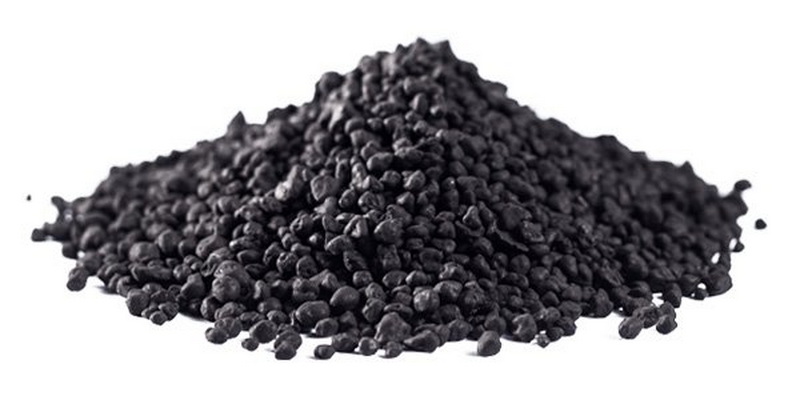
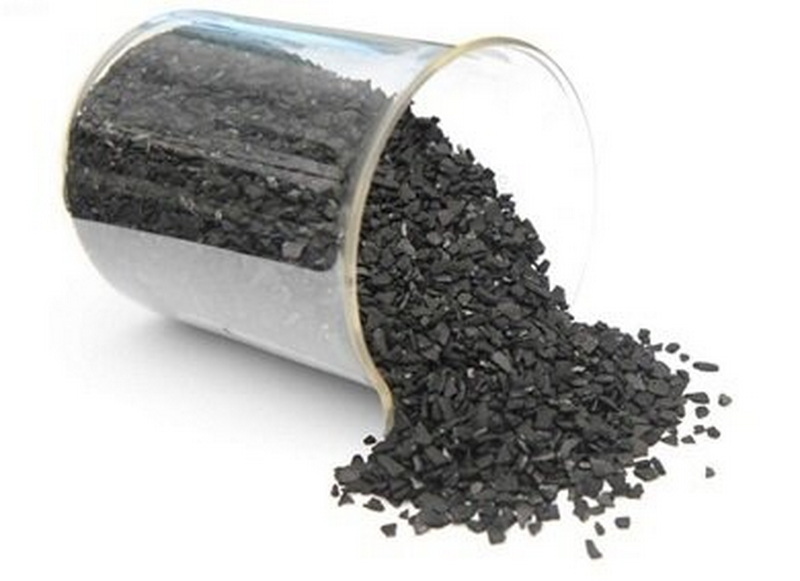
Granular activated carbon consists of irregular granules and is the most common choice for industrial vessel filters and point‑of‑entry systems. It is suitable for relatively high flow rates and allows backwashing to remove accumulated fines and to reclassify the carbon bed.
Advantages of granular activated carbon:
- Flexible use in large vertical pressure vessels and horizontal filters.
- Can be regenerated or replaced in bulk.
- Provides good balance between pressure drop and adsorption efficiency.
Powdered Activated Carbon (PAC)
Powdered activated carbon is a fine powder that is usually dosed directly into water, mixed, and later removed by sedimentation or filtration. It is often used for temporary issues such as seasonal taste and odor events or incidental pollution episodes.
Key features of powdered activated carbon:
- Fast adsorption kinetics due to very small particle size.
- Ideal for batch treatment and emergency applications.
- Requires appropriate downstream separation equipment to remove PAC from treated water.
Carbon Block and Cartridge Filters
Carbon block filters are produced by compressing or extruding activated carbon into solid blocks or specialty cartridges. These are widely used in point‑of‑use and small industrial processes.
Benefits of carbon blocks and cartridges:
- Compact and easy to replace.
- Consistent porosity and defined flow paths.
- Often combined with additional filtration layers for particulate removal.
Specialty and Impregnated Activated Carbon
In some applications, activated carbon is impregnated or modified to target specific contaminants such as sulfur compounds, mercury, certain gases, or specific organics. These specialty activated carbon grades are used in air and gas purification, chemical processing, and high‑purity water systems where standard grades are not sufficient.
How to Add Activated Carbon to a Filter: Step‑by‑Step
This section focuses primarily on adding granular activated carbon to a typical pressure vessel or cartridge‑style filter, which is widely used in industrial water treatment and process applications.
Preparation and Safety
Before handling activated carbon, preparation and safety are essential.
Basic preparation steps:
- Shut off the feed water or air supply to the filter.
- Isolate the activated carbon filter using inlet, outlet, and bypass valves if available.
- Depressurize the system completely and drain the vessel or housing.
- Open vent valves or ports to ensure no pressure remains inside.
Safety guidelines when handling activated carbon:
- Wear safety glasses or goggles, gloves, and a dust mask or respirator to avoid inhaling activated carbon dust.
- Work in a well‑ventilated area and use dust control methods when handling large amounts of activated carbon.
- Avoid open flames or ignition sources when dealing with spent activated carbon that may contain flammable adsorbates.
- Follow local regulations for storage, handling, and transport of activated carbon and any associated chemicals.
Cleaning the Filter Before Adding Activated Carbon
Proper cleaning of the filter body and internal components prevents early clogging and uneven flow through the activated carbon bed.
For vessel‑type filters:
- Open the manway or top cover of the vessel.
- Remove any old activated carbon and other filter media using vacuum equipment, scoops, or specialized unloading systems.
- Inspect internal parts such as the central pipe, under‑drain, laterals, strainers, and screens.
- Remove sludge, scale, and accumulated solids from the vessel bottom.
- Wash the interior surfaces with clean water, ensuring that all debris is flushed out through the drain line.
For cartridge housings and small systems:
- Unscrew or unclamp the housing and remove the used activated carbon cartridge or block.
- Clean the housing with mild detergent or approved cleaning solution, then rinse thoroughly.
- Inspect O‑rings, seals, and threads; replace worn or damaged parts.
- Ensure that the housing is free from sediment and foreign particles before installing new activated carbon elements.
Pre‑Rinsing and Wetting the Activated Carbon
Pre‑rinsing activated carbon is critical to reduce initial dust and fines that can cause black water, clogged downstream filters, or nuisance alarms.
Recommended pre‑rinsing practices:
- Place the new granular activated carbon in a suitable container and rinse with clean water until the rinse water appears clear or slightly tinted.
- Soak granular activated carbon in clean water for an appropriate period (often several hours or as advised by the supplier) to allow it to become fully wetted.
- Gently agitate the activated carbon during soaking to release trapped air and loosen surface dust.
- Drain excess water before transferring the granular activated carbon to the filter vessel, while keeping the material moist.
For powdered activated carbon:
- Prepare a slurry by mixing powdered activated carbon with water in a dedicated tank or mixing vessel.
- Mix the slurry thoroughly to prevent clumping and to maintain uniform dosing.
- Feed the activated carbon slurry into the process line or treatment tank using metering pumps or dosing devices.
- Allow adequate contact time and provide appropriate downstream filtration to remove PAC after adsorption.
Loading Activated Carbon into a Vessel Filter
Correct loading of granular activated carbon ensures proper flow distribution and optimal adsorption performance.
Typical loading steps for vertical pressure vessels:
- Confirm that the under‑drain system, laterals, and central pipe are correctly installed and free from damage.
- Add a layer of support media (often graded gravel or anthracite) to protect the under‑drain from intrusion of activated carbon particles, if required by the design.
- Partially fill the vessel with clean water to cover the support bed and provide a cushion. This reduces impact and breakage as activated carbon is loaded.
- Gradually pour or convey the granular activated carbon into the vessel. Avoid dropping it from excessive height to minimize dust and fracture.
- Monitor the carbon level and fill the vessel to the specified bed depth, typically around two‑thirds of the vessel height, to allow for bed expansion during backwash.
- Level the top surface of the activated carbon bed as much as possible to prevent channeling.
Operational tips during loading:
- Ensure no granular activated carbon falls into the central pipe or outlet nozzle.
- Avoid creating large voids, mounds, or uneven layers in the bed.
- Keep the activated carbon moist at all times; dry media tends to dust and can trap air pockets.
Installing Activated Carbon Cartridges and Blocks
In point‑of‑use units and many compact industrial skids, activated carbon is supplied as preformed cartridges or blocks that fit into standard housings.
Steps to install a new activated carbon cartridge:
- Shut off the inlet valve and open a downstream faucet or vent to relieve pressure.
- Unscrew or unclamp the filter housing carefully to avoid spills.
- Remove the used activated carbon cartridge or block and dispose of it according to local regulations.
- Clean the inside of the housing and inspect all seals and O‑rings.
- Place the new activated carbon cartridge into the housing, aligning any guide pins or locating features.
- Lubricate O‑rings with approved lubricant if necessary, then reassemble the housing.
- Turn on the inlet valve slowly while checking for leaks around the housing and fittings.
Usage considerations:
- Some systems use two or more activated carbon cartridges in series to provide redundancy and minimize breakthrough risk.
- Cartridge service life is usually defined by water volume, time‑in‑service, or changes in taste, odor, or pressure drop.
- Always follow the manufacturer's instructions for flow direction and maximum flow rate through the activated carbon cartridge.
Start‑Up, Backwash, and Flushing After Adding Activated Carbon
After activated carbon is added, the filter must be conditioned before full‑scale operation.
For granular activated carbon vessel filters:
- Initiate a backwash sequence using clean water to expand and reclassify the activated carbon bed. This step removes fines and trapped air.
- Adjust the backwash flow so that the bed expands within the design range; excessive expansion can cause loss of activated carbon, while insufficient expansion may fail to loosen the bed.
- Continue backwashing until the backwash water appears clear or lightly tinted rather than heavily black.
- After backwash, allow the bed to settle to its normal depth and close the drain.
- Run a forward flush to drain for a specified period or volume to remove remaining fines and to stabilize the activated carbon bed.
- Once the water runs clear, return the filter to normal service.
For activated carbon cartridges and blocks:
- Flush the new cartridge with water according to the manufacturer's guidelines, often several liters or minutes of flow.
- Discharge the initial flush water to drain and do not use it for production or consumption.
- Confirm that the water becomes clear and free from noticeable carbon particles.
Operating Principles and Design Considerations
Understanding how activated carbon filters are designed and operated helps you add activated carbon correctly and achieve the desired performance.
Key design parameters:
- Empty bed contact time (EBCT): The ratio of the activated carbon bed volume to the flow rate, usually expressed in minutes, is critical for adsorption. Longer EBCT generally improves removal efficiency for many contaminants.
- Bed depth: Deeper activated carbon beds provide greater capacity and allow more uniform loading of pollutants.
- Hydraulic loading rate: The superficial flow rate through the filter affects contact time, pressure drop, and the risk of channeling.
- Temperature and pH: Activated carbon typically performs best within moderate temperature and pH ranges, which should match the characteristics of the process.
Operational best practices:
- Maintain stable flow rates through the activated carbon filter; frequent surges can disturb the bed and reduce performance.
- Use appropriate pretreatment such as sediment filters or clarification to remove suspended solids and protect the activated carbon bed from clogging.
- Avoid introducing oxidizing agents, oils, or surfactants that are not compatible with the selected activated carbon.
Monitoring and Maintenance of Activated Carbon Filters
Once activated carbon has been added and the filter started up, continuous monitoring and timely maintenance are essential.
Common performance indicators:
- Breakthrough of target contaminants: In water treatment, this may be indicated by the return of chlorine, taste, odor, or specific organics at the outlet.
- TOC or specific compound analysis: Analytical data can show when activated carbon capacity is declining.
- Pressure drop: A rising pressure differential across the activated carbon bed indicates fouling, plugging, or excessive fines.
- Flow rate and EBCT: Deviations from design flow can reduce contact time and lower removal efficiency.
Typical maintenance activities:
- Scheduled backwashing of granular activated carbon filters to remove accumulated fines and biological growth where applicable.
- Periodic inspection of vessels, housings, valves, and piping for leaks or corrosion.
- Replacement or regeneration of activated carbon when capacity is exhausted or when operating parameters exceed set limits.
- Cleaning or replacement of pre‑filters to maintain good water quality entering the activated carbon filter.
Typical replacement intervals:
- In many industrial and commercial systems, granular activated carbon media is replaced every 1 to several years, depending on loading and regeneration options.
- Cartridge‑type activated carbon filters may need replacement every few months based on water quality, usage, and manufacturer recommendations.
- Air and gas‑phase activated carbon filters often follow an hourly or yearly service schedule defined by process conditions and contaminant concentrations.
Advantages of Using Activated Carbon in Filters
Activated carbon offers several important advantages that explain its wide adoption in water and air treatment.
Key benefits:
- Broad contaminant removal: Activated carbon can adsorb a wide range of organic compounds, many disinfection byproducts, and various odor‑causing substances.
- Improved taste and odor: For drinking water, beverages, and food processing, activated carbon significantly improves sensory qualities.
- Protection of downstream systems: Activated carbon acts as a guard filter for sensitive membranes, resins, catalysts, and process units.
- Flexibility: Activated carbon can be used in fixed beds, moving beds, powdered dosing systems, and compact cartridges.
- Cost‑effectiveness: When properly designed and maintained, activated carbon filtration provides a favorable balance between performance and operating cost.
Applications of Activated Carbon in Water Treatment
Activated carbon is used across the entire water treatment chain, from raw water intake to wastewater discharge.
Typical application areas:
- Municipal drinking water plants: For taste and odor control, removal of organic micropollutants, and reduction of disinfection byproducts.
- Industrial process water: In chemical, food and beverage, and pharmaceutical industries where high‑quality water is vital for product quality and regulatory compliance.
- Industrial wastewater: For polishing effluents, removing residual organics, and achieving discharge or reuse standards.
- Groundwater and remediation: For treatment of contaminated groundwater and site remediation where dissolved organics or specific pollutants must be removed.
- Residential and commercial systems: Under‑sink filters, point‑of‑entry systems, and vending machines that rely on activated carbon for aesthetic and health‑related improvements.
Conclusion
Adding activated carbon to a filter is a structured process that starts with safe preparation and proper cleaning, followed by careful loading, conditioned start‑up, and systematic flushing. When activated carbon is correctly selected for the application and installed according to good engineering practice, it reliably removes chlorine, organic pollutants, odors, and off‑tastes while protecting downstream equipment in industrial, municipal, and commercial systems. Ongoing monitoring of water quality, pressure drop, and service life, combined with regular backwashing and timely media replacement or regeneration, ensures that activated carbon filters deliver consistent performance and long‑term value in demanding water and air treatment environments.
Contact us to get more information!
FAQ – How to Add Activated Carbon to Filter
1) How much activated carbon should be added to a water filter?
The exact amount of activated carbon depends on the vessel size, required empty bed contact time, contaminant load, and target effluent quality. In many industrial granular activated carbon filters, the vessel is filled so that the activated carbon bed occupies roughly two‑thirds of the internal height, leaving expansion space for backwash. For precise design, engineers calculate the activated carbon volume based on flow rate, desired contact time, and adsorption capacity for the specific contaminants.
2) Do you need to rinse activated carbon before use?
Yes. New granular activated carbon should always be rinsed and conditioned before use to remove dust, fines, and air trapped in the pores. This is usually done through an initial backwash and forward flush sequence for vessel‑type filters, or by flushing cartridges to drain for several minutes. Proper rinsing prevents black or cloudy water and reduces the risk of clogging downstream equipment with carbon particles.
3) How often should activated carbon be replaced?
Activated carbon should be replaced or regenerated when its adsorption capacity is exhausted or when operating conditions indicate unacceptable performance. Typical triggers include breakthrough of chlorine, taste, odor, or other target contaminants, as well as an excessive increase in pressure drop across the bed. For many point‑of‑use cartridges, replacement intervals range from a few months to a year, while industrial granular activated carbon beds may operate for one to several years depending on water quality and loading.
4) Is activated carbon safe for drinking water treatment?
Activated carbon produced for potable water applications and used in certified systems is widely recognized as safe and effective. Many grades of activated carbon are manufactured to meet stringent standards set by regulatory bodies and certification organizations for contact with drinking water and food. When properly selected, installed, and maintained, activated carbon is an important component of safe drinking water treatment systems worldwide.
5) What pretreatment is needed before an activated carbon filter?
Good pretreatment protects the activated carbon bed and helps maintain stable performance. Common pretreatment steps include sediment filtration, clarification, or multimedia filtration to remove suspended solids that might clog the pores of the activated carbon. In some systems, upstream softening, pH adjustment, or oxidation processes are also used so that the activated carbon can focus on adsorption of organics and other targeted contaminants without being overloaded by particulate matter.
Citations:
1. https://www.allfilters.com/blog/activated-charcoal-water-filters-guide
2. https://pureaqua.com/industrial-activated-carbon-water-filters/
3. https://ionexchangeglobal.com/how-an-activated-carbon-filter-cleans-water/
4. https://www.fabtank.com/news/activated-carbon-filter-installation-guide.html
5. https://wcponline.com/2005/06/22/care-handling-activated-carbon/
6. https://char-grow.com/activated-carbon-for-water-filtration
7. https://rajahfiltertechnics.com/water-filtration/how-to-install-an-activated-carbon-filter/
8. https://www.health.state.mn.us/communities/environment/hazardous/topics/gac.html
9. https://www.activatedcarbon.org/health-safety-environment/
10. https://enva.com/news-insights/why-activated-carbon-plays-a-critical-role-in-water-treatment/
11. https://feeco.com/activated-carbon-a-critical-component-in-water-treatment-facilities/
12. https://activatedcarbon.com/applications/water
13. https://elchemy.com/blogs/chemical-market/activated-carbon-in-water-treatment-how-it-works-and-why-it-matters
14. https://www.chemviron.eu/industrial-wastewater-treatment-activated-carbon/
15. https://www.everfilt.com/activated-carbon-performance-effectiveness
16. https://abhirowater.com/when-to-change-your-activated-carbon-filter/
17. https://nepis.epa.gov/Exe/ZyPURL.cgi?Dockey=P1001QTK.TXT
18. https://hydronixwater.com/granular-activated-carbon-fact-sheet/
19. https://wqa.org/wp-content/uploads/2022/09/2016_GAC.pdf


