Content Menu
● What Does Activated Carbon Do?
● General Guidelines: How Often To Change Activated Carbon
● Why Activated Carbon Must Be Replaced
● How Often To Change Activated Carbon In Water Treatment
>> Household Water Filters With Activated Carbon
>> Industrial Water Treatment With Granular Activated Carbon
● How Often To Change Activated Carbon In Air And Gas Purification
>> Air Purifiers And HVAC Systems
>> Industrial Air And Gas Applications
● Key Factors That Affect Activated Carbon Replacement Frequency
● Signs Your Activated Carbon Needs Changing
● Best Practices For Managing Activated Carbon Life
● Application Examples Across Industries
● Practical Tips For End Users And Operators
● Conclusion
● FAQ About Activated Carbon Replacement
>> 1. How often should I change activated carbon in a home water filter?
>> 2. How often should I change activated carbon in an air purifier?
>> 3. How often should I change activated carbon in industrial water treatment?
>> 4. What happens if I do not change activated carbon on time?
>> 5. How can I tell when activated carbon is exhausted?
● Citations:
Knowing how often to change activated carbon is critical for keeping water, air, and industrial process streams clean, safe, and compliant. The ideal replacement frequency depends on the application, contaminant load, system design, and the quality of the activated carbon itself, but every system reaches a point where the activated carbon is saturated and must be replaced or regenerated. For operators, engineers, and facility managers, understanding how activated carbon works and how long activated carbon can remain effective is the foundation of a reliable filtration strategy.
Activated carbon is used worldwide in water treatment, air and gas purification, food and beverage processing, pharmaceuticals, and chemical production. Whether it is installed in a small household filter or a large industrial vessel, activated carbon gradually consumes its adsorption capacity. If users do not change activated carbon on time, system performance declines, risks increase, and operating costs can rise due to quality issues or equipment damage.
What Does Activated Carbon Do?
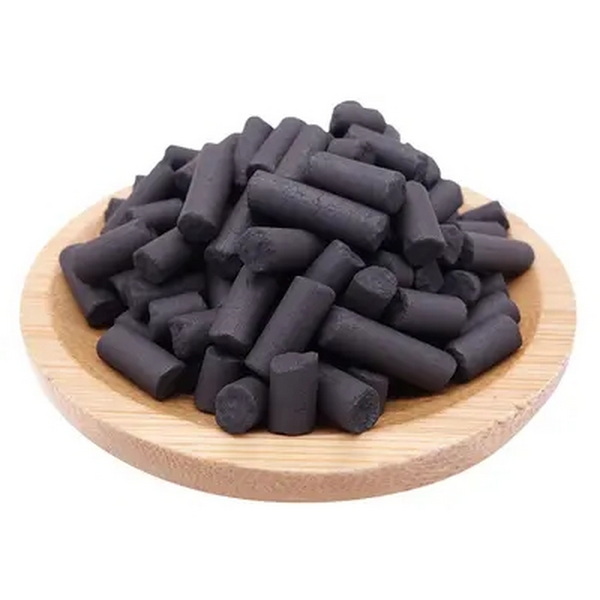
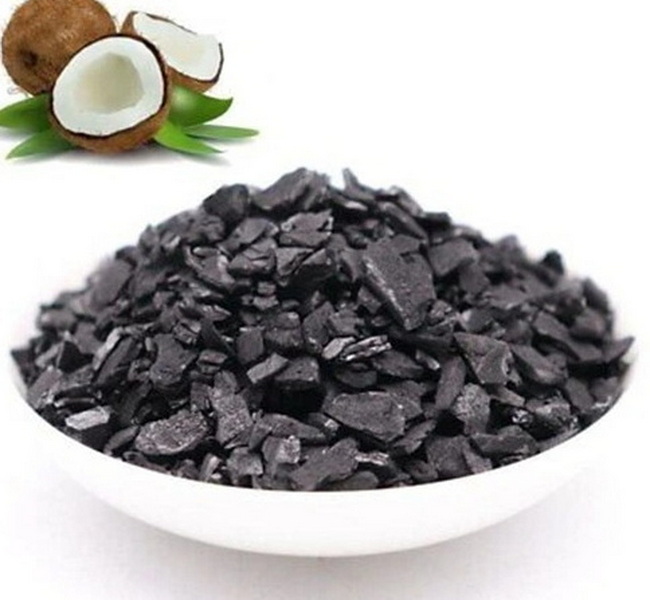
Activated carbon is a highly porous adsorbent material produced from carbon‑rich raw materials such as coal, coconut shell, or wood. During activation, an internal network of pores is developed, giving activated carbon an extremely large internal surface area. This huge surface area allows activated carbon to capture and hold a wide range of dissolved or gaseous contaminants from water and air streams.
In liquids, activated carbon adsorbs organic molecules, residual chlorine, chloramines, pesticides, disinfection by‑products, and color‑ or odor‑causing substances. In gases, activated carbon removes volatile organic compounds (VOCs), sulfur compounds, odorous molecules, and various industrial pollutants. Because activated carbon relies on adsorption, not absorption, contaminants accumulate on the internal surfaces of the pores until the available sites are largely occupied.
Once the pores of activated carbon become saturated, its adsorption capacity drops sharply. At this point, the activated carbon is considered exhausted. It will no longer provide effective purification, and in some cases, exhausted activated carbon can even start releasing previously adsorbed contaminants back into the water or air stream. This is why a clear replacement strategy for activated carbon is essential.
General Guidelines: How Often To Change Activated Carbon
There is no single replacement interval that fits every situation, because each application exposes activated carbon to different flows, contaminant loads, and operating conditions. However, practical ranges are commonly used:
- In domestic water filters, granular or block activated carbon cartridges are typically changed every 3–6 months, depending on water quality and usage.
- In air purifiers and HVAC systems, activated carbon filters are often replaced every 3–6 months, with some systems extending to 6–12 months under lighter loads.
- In industrial water treatment systems, granular activated carbon (GAC) beds are frequently replaced or thermally regenerated on a yearly basis as a practical maintenance standard.
- In heavy‑duty industrial air and gas treatment, replacement intervals for activated carbon can range from several months to one or two years, depending on design and pollutant concentration.
These ranges should be treated as starting points, not rigid rules. Operators should combine manufacturer recommendations with real performance monitoring to define an optimized activated carbon change‑out schedule.
Why Activated Carbon Must Be Replaced
Replacing activated carbon on time is essential for both performance and safety. When activated carbon is fresh, its pores readily adsorb target contaminants and reduce them to the desired levels. Over time, these pores become filled, and the activated carbon loses efficiency.
If exhausted activated carbon is not replaced:
- Contaminants begin to “break through,” meaning they pass through the activated carbon bed without being adsorbed.
- Previously adsorbed molecules can desorb under changing conditions and reappear downstream.
- In water systems, moist activated carbon can become a favorable environment for microorganisms, leading to biofilm formation and hygiene problems.
- In air and gas purification, exhausted activated carbon allows odors, VOCs, and corrosive gases to reach occupied spaces, equipment surfaces, and sensitive electronics.
Timely replacement of activated carbon protects product quality, extends equipment life, reduces complaints about taste or odor, and helps systems remain within regulatory limits.
How Often To Change Activated Carbon In Water Treatment
Household Water Filters With Activated Carbon
In domestic applications, activated carbon is widely used in:
- Under‑sink and countertop filters
- Refrigerator filters
- Pitcher filters
- Shower and faucet filters
- Whole‑house carbon systems
Manufacturers commonly recommend replacing the activated carbon cartridge every 3–6 months. However, the real replacement frequency depends on:
- Daily water consumption
- Initial water quality, including chlorine, chloramine, organic matter, and sediment levels
- Filter size and activated carbon volume
- Local taste and odor issues
If the water source has high chlorine or organic content, activated carbon will exhaust faster. Households with large families or high water usage will also consume the capacity more quickly. Some advanced systems include flow meters or time indicators to signal when to change activated carbon filters.
Practical signs that activated carbon in a home water filter needs changing include:
- The return of unpleasant taste or odor (chlorine, musty, earthy, or chemical smells)
- Visible discoloration of water that was previously clear
- A noticeable drop in flow rate or water pressure due to clogging and accumulated particles
- Exceeding the recommended filtered volume or time period in the product manual
Changing activated carbon cartridges on schedule, or slightly earlier if quality declines, ensures consistently clean and pleasant drinking water.
Industrial Water Treatment With Granular Activated Carbon
In industrial and municipal water treatment systems, granular activated carbon is typically used in large fixed beds, filters, or pressure vessels. These systems treat much higher water volumes and often handle more complex contaminant profiles.
A practical rule in many plants is to replace or thermally regenerate the granular activated carbon bed approximately once per year. This annual interval balances performance, microbiological risk, and cost. However, the optimal frequency for changing activated carbon in industrial water treatment depends on:
- Empty bed contact time (EBCT)
- Influent contaminant concentrations (COD, TOC, pesticides, specific chemicals)
- Type of activated carbon and its pore structure
- Operating hours per day and seasonal variations
- Regulatory limits and product quality targets
To fine‑tune activated carbon replacement in industrial water treatment, operators typically monitor:
- Breakthrough curves for specific contaminants before and after the activated carbon bed
- Residual chlorine or chloramine levels
- COD and TOC reductions
- Head loss and pressure drop across the carbon bed
- Microbiological indicators, especially in drinking water or food and beverage applications
When the activated carbon can no longer achieve the required removal efficiency, the media should be replaced or sent for regeneration. Proper backwashing and pre‑filtration help protect the activated carbon and slow down clogging.
How Often To Change Activated Carbon In Air And Gas Purification
Air Purifiers And HVAC Systems
In indoor air quality applications, activated carbon is used alongside particulate filters (such as HEPA filters) to remove gases and odors. In residential and office environments, typical recommendations for replacing activated carbon filters in air purifiers and HVAC units range from 3 to 6 months.
Several factors influence how long activated carbon lasts in these systems:
- Concentration of indoor pollutants such as cooking fumes, tobacco smoke, pet odors, and VOCs from cleaning products or building materials
- Operating time per day (intermittent use versus 24/7 operation)
- Airflow rate and filter size
- Type of activated carbon and whether it is impregnated for specific gases
Heavy contamination, such as smoke from indoor smoking or nearby industrial activity, can saturate activated carbon much faster. In such environments, it may be necessary to change activated carbon filters monthly or bimonthly to maintain odor control and pollutant removal.
Common indications that activated carbon should be replaced in air purifiers or HVAC systems include:
- Persistent or returning odors despite filter operation
- Complaints about indoor air quality, such as irritation or chemical smells
- Manufacturer's filter life indicator or runtime counter reaching its limit
Industrial Air And Gas Applications
In industrial exhaust treatment, chemical processing, and gas purification systems, activated carbon is often used to capture VOCs, sulfur compounds, solvents, and various process emissions. These systems may be designed with deep activated carbon beds, multiple stages, or regeneration capability.
Replacement intervals for industrial activated carbon in gas and air treatment typically fall between several months and a couple of years, depending on:
- Inlet contaminant concentration and composition
- Gas temperature and humidity
- Bed depth and contact time
- Target outlet concentration or occupational limit
- Whether the activated carbon is regenerated or disposed of
Operators commonly use breakthrough testing, gas sampling, and online sensors to determine when activated carbon in industrial gas treatment needs to be replaced. When downstream concentrations start to rise or approach limit values, a planned change‑out of activated carbon media is scheduled to avoid non‑compliance and equipment corrosion.
Key Factors That Affect Activated Carbon Replacement Frequency
The right answer to “how often to change activated carbon” is always context‑dependent. Several key factors determine how fast activated carbon becomes exhausted:
- Contaminant concentration: High concentrations of organics, chlorine, odor compounds, or VOCs fill the pores of activated carbon more quickly and shorten service life.
- Flow rate and volume treated: The greater the volume of water or air passing through activated carbon per day, the faster its adsorption capacity is consumed.
- Contact time: Adequate contact time between the fluid and the activated carbon surface allows more complete adsorption; insufficient contact can lead to earlier perceived exhaustion.
- Type and quality of activated carbon: Different raw materials and activation methods create different pore size distributions, which affect how efficiently activated carbon adsorbs particular molecules. High‑quality activated carbon provides more consistent and longer‑lasting performance.
- Operating conditions: Temperature, pH, and the presence of competing contaminants can influence how quickly activated carbon saturates. High temperatures and extreme pH levels may reduce adsorption capacity for some compounds.
- Pre‑filtration: Removing suspended solids before the activated carbon stage prevents pore clogging and physical fouling, which helps extend the life of the activated carbon bed.
By evaluating these factors, users can better estimate the expected life of activated carbon in their specific system and adjust replacement intervals accordingly.
Signs Your Activated Carbon Needs Changing
Even when a schedule is in place, it is important to watch for real‑world signs that indicate when to change activated carbon. Typical warning signs include:
- Return of taste and odor in water: When activated carbon is near exhaustion, chlorine taste, mustiness, or other off‑flavors can reappear.
- Odors breaking through in air systems: If smells that were previously removed by the filter start to be noticeable again, the activated carbon is likely saturated.
- Deterioration of product quality: In food and beverage, pharmaceutical, or chemical processing, changes in color, purity, or stability can signal that activated carbon in purification steps is no longer effective.
- Changes in analytical results: Laboratory tests that compare contaminant levels before and after the activated carbon stage provide a precise indication of performance decline. Rising outlet concentrations show that adsorption sites are being used up.
- Increased pressure drop or clogging: As particulate matter and biofilm accumulate, the pressure drop across the activated carbon bed can increase. While this does not always mean the adsorption capacity is fully exhausted, it suggests maintenance and possibly replacement are needed.
Regular monitoring, combined with a structured maintenance plan, ensures that activated carbon is replaced before it compromises safety or quality.
Best Practices For Managing Activated Carbon Life
To get the most value from an activated carbon system, it is not enough to simply install a filter and wait until problems appear. A proactive management approach helps balance performance, cost, and reliability.
Recommended best practices include:
- Follow manufacturer guidelines: Use the recommended replacement interval and maximum treated volume for the specific activated carbon product as a baseline.
- Track operating conditions: Record flow rates, operating hours, and estimated contaminant loads to build a data‑driven understanding of how long activated carbon actually lasts in your system.
- Implement regular testing: For critical applications, schedule periodic laboratory analyses of water or gas before and after activated carbon to detect early breakthrough.
- Use staged filtration: Install pre‑filters to remove particulates before the activated carbon stage, and consider multi‑bed systems for high‑load conditions to extend overall activated carbon life.
- Plan scheduled change‑outs: Instead of waiting for complaints or failures, adopt preventative replacement of activated carbon at calculated intervals based on accumulated experience and data.
- Consider regeneration options: In large industrial systems, spent activated carbon can often be thermally regenerated, restoring much of its capacity and reducing disposal costs and environmental impact.
By treating activated carbon as a strategic consumable rather than a passive component, operators can optimize replacement frequency and avoid expensive downtime or non‑compliance events.
Application Examples Across Industries
Activated carbon plays a central role in many industries, and each has its own expectations regarding how often to change activated carbon. Some typical examples include:
- Food and beverage: Activated carbon is used for decolorization, deodorization, and removal of off‑flavors in sugar refining, beverage production, and edible oils. Replacement is often scheduled based on product quality parameters such as color units and sensory tests, as well as maximum operating hours.
- Pharmaceuticals: Activated carbon is applied in purification steps to remove organic impurities and color bodies. Because regulations are strict, activated carbon change‑out is usually based on validated batch numbers or maximum cycles defined in process validation.
- Chemical processing: In fine chemicals and intermediates, activated carbon is used to purify reaction mixtures. Replacement frequency depends on impurity load and may be defined per batch, per campaign, or after a defined amount of product has been processed.
- Odor control at wastewater plants: Activated carbon filters are used to capture odorous sulfur compounds and organic gases. Replacement intervals may be seasonal, with more frequent changes in warmer months when odor loads are higher.
- Solvent recovery and VOC control: Activated carbon beds adsorb solvents from exhaust streams and are periodically regenerated or replaced. The cycle length is determined by loading capacity, safety margins, and regulatory emission limits.
In all these cases, the core principle remains the same: monitor performance, understand the process, and change activated carbon before it fails to meet its treatment targets.
Practical Tips For End Users And Operators
Whether you are managing a small domestic filter or a large industrial activated carbon system, a few practical tips can help:
- Do not wait for severe taste, odor, or emission problems before replacing activated carbon; these are signs that the system is already overdue for maintenance.
- Keep clear records of when each activated carbon filter or bed was installed and how long it has been operating.
- Train operators or household users to recognize early warning signs of exhausted activated carbon.
- When in doubt, replace activated carbon slightly earlier rather than pushing it far beyond recommended limits, especially where health or product quality is concerned.
- Choose high‑quality activated carbon products that are matched to your target contaminants and operating conditions.
Properly managed activated carbon systems deliver stable, predictable performance and help protect both people and processes.
Conclusion
Changing activated carbon at the right time is essential to keep water, air, and process streams safe, clean, and reliable. Although there is no universal interval for all systems, typical ranges are well established: every few months for domestic water and air filters, and roughly once per year for many industrial activated carbon beds. The exact replacement frequency depends on contaminant load, flow rate, system design, and the type of activated carbon used.
By combining manufacturer recommendations with regular monitoring and analytical testing, users can define an optimized schedule for changing activated carbon. Watching for warning signs such as taste and odor return, breakthrough of contaminants, or rising emission levels helps prevent unexpected failures. With high‑quality activated carbon, appropriate pre‑filtration, and a proactive maintenance plan, operators can maximize filtration performance, protect equipment, and maintain consistent product quality across a wide range of applications.
Contact us to get more information!
FAQ About Activated Carbon Replacement
1. How often should I change activated carbon in a home water filter?
Most household water filters with activated carbon should be changed every 3–6 months, depending on water quality and daily usage. If unpleasant taste or odor returns earlier, the activated carbon is likely exhausted and should be replaced immediately. Always check the manufacturer's recommended maximum volume or time interval and avoid exceeding it.
2. How often should I change activated carbon in an air purifier?
In typical home or office environments, activated carbon filters in air purifiers are usually replaced every 3–6 months. In areas with heavy smoke, strong odors, or high VOC levels, activated carbon may need to be changed more frequently, sometimes monthly or bimonthly. If odors break through or the device includes a filter life indicator, use these signals to decide when to change activated carbon.
3. How often should I change activated carbon in industrial water treatment?
Many industrial and municipal plants schedule granular activated carbon replacement or regeneration about once per year as a practical standard. However, some systems with high contaminant loads or strict quality requirements may need more frequent change‑outs. The best practice is to monitor contaminant levels before and after the activated carbon bed and adjust the replacement frequency based on observed breakthrough behavior.
4. What happens if I do not change activated carbon on time?
If activated carbon is not replaced when saturated, it will stop effectively removing contaminants and may even release previously adsorbed substances back into the water or air. In water systems, old activated carbon can also support microbial growth, increasing hygiene risks. In air and gas systems, delayed replacement of activated carbon leads to odor problems, higher VOC emissions, and a greater risk of corrosion or health complaints.
5. How can I tell when activated carbon is exhausted?
Common signs of exhausted activated carbon include the return of taste and odor in treated water, or the reappearance of smells in air treatment systems. In industrial applications, laboratory analyses comparing inlet and outlet contaminant levels provide a precise indication of activated carbon performance. When outlet concentrations rise or approach limit values, it is time to replace or regenerate the activated carbon media.
Citations:
1. https://rajahfiltertechnics.com/water-filtration/when-to-change-your-activated-carbon-filter-and-why-you-have-to/
2. https://cleanawater.com.au/information-centre/how-often-do-you-need-to-replace-a-carbon-filter
3. https://www.carbotecnia.info/en/learning-center/activated-carbon-equipment/activated-carbon-replacement/
4. https://abhirowater.com/when-to-change-your-activated-carbon-filter/
5. https://www.rabbitair.com/blogs/air-purifier/how-long-do-carbon-filters-last
6. https://airdogusa.com/blogs/articles/how-often-should-i-change-my-air-purifier-filter
7. https://ipsystemsusa.com/maximizing-the-lifespan-of-your-carbon-filter-a-comprehensive-guide/
8. https://apexwaterfilters.com/apex-whole-house-heavy-duty-chorine-chloramine-organic-chemical-removal
9. https://www.reddit.com/r/Aquariums/comments/40r63n/how_often_should_i_replace_the_activated_carbon/
10. https://www.thcfarmer.com/threads/how-often-do-you-replace-swap-your-carbon-filter.147115/


