Content Menu
● What Happens as Activated Carbon Wears Out
● Typical Replacement Intervals by Application
>> Typical Activated Carbon Replacement Intervals
● Key Factors That Control Activated Carbon Replacement Frequency
● Practical Rules of Thumb for Replacing Activated Carbon
● Warning Signs That Activated Carbon Needs Replacement
● Replacement vs. Regeneration of Activated Carbon
● How Often Should Different Users Replace Activated Carbon in Practice?
● Advanced Considerations for Industrial Activated Carbon Systems
>> Breakthrough curves and safety margins
>> Staged beds and lead–lag configuration
>> Monitoring strategies for activated carbon performance
>> Economic optimization of activated carbon change‑out
● Maintenance Best Practices to Extend Activated Carbon Life
● Conclusion
● FAQ About Activated Carbon Replacement
>> (1) How often should activated carbon be replaced in a home water filter?
>> (2) How frequently does activated carbon need to be changed in air purifiers?
>> (3) How often should activated carbon be replaced in aquariums?
>> (4) How long can granular activated carbon last in industrial water treatment?
>> (5) Is it better to follow time‑based or performance‑based replacement for activated carbon?
● Citations:
Activated carbon does not last forever; it gradually becomes saturated with contaminants and loses adsorption capacity, so it must be replaced or regenerated on a regular schedule based on application, loading, and system design. In practice, replacement frequency for activated carbon ranges from a few weeks in small filters to several years in large industrial systems, but most domestic and light‑industrial systems fall in the 3–12 month range.
What Happens as Activated Carbon Wears Out
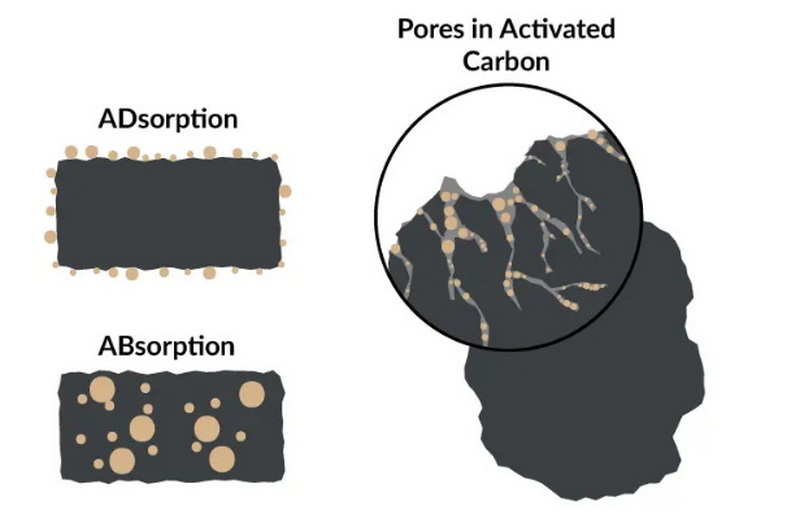
As activated carbon works, its internal pore structure fills with adsorbed molecules, and its performance gradually declines. Understanding this process helps users decide how often activated carbon should be replaced in water, air, and gas treatment systems.
- The activated carbon pores first capture the easiest‑to‑adsorb contaminants, giving very high initial removal efficiency.
- Over time, more pores become occupied, mass transfer slows, and activated carbon removal efficiency for organics, odors, and trace contaminants drops even if flow rate stays constant.
- Eventually a “breakthrough” point is reached where contaminants start to appear at higher concentrations in the outlet, signalling that the activated carbon needs to be replaced or thermally regenerated.
Typical Replacement Intervals by Application
Different uses have very different operating conditions, so the replacement frequency of activated carbon can vary from weeks to years. The table below summarizes typical ranges that engineers, facility managers, and household users often follow for activated carbon filters and beds.
Typical Activated Carbon Replacement Intervals
| Application / System type | Typical replacement interval for activated carbon | Notes |
| Household water jugs, faucets, under‑sink cartridges | About 6–12 months; some products as often as 6–8 months under normal use. | Often specified by manufacturer in gallons or months for activated carbon blocks or GAC cartridges. |
| Point‑of‑use water ionizers and filters | Around 6–8 months of normal household use for activated carbon cartridges. | High usage or poor feed water may shorten the life of activated carbon. |
| Small RO system activated carbon prefilters | Typically 6–12 months, or according to rated gallon throughput. | Protects RO membranes by removing chlorine and organics using activated carbon. |
| Granular activated carbon (GAC) in general water filters | Common practical rule: change activated carbon every 6–12 months in domestic/light‑industrial units. | Real life can range from a few months to several years depending on loading. |
| Industrial GAC beds for water treatment | Often designed for 6–12 months of high‑efficiency organic removal, but some beds can run several years before complete re‑bedding. | Annual replacement of activated carbon is a common economic compromise in many plants. |
| Drinking water plants meeting standards | Many standards and certifications limit the service life of activated carbon filters to one year or less. | Annual replacement of activated carbon helps guarantee compliance with regulated performance. |
| Aquarium filters with activated carbon | Common hobbyist guidance: replace activated carbon every 4–6 weeks, up to 1–3 months depending on stocking and water quality. | Organic load, medications, and feeding strongly affect carbon life. |
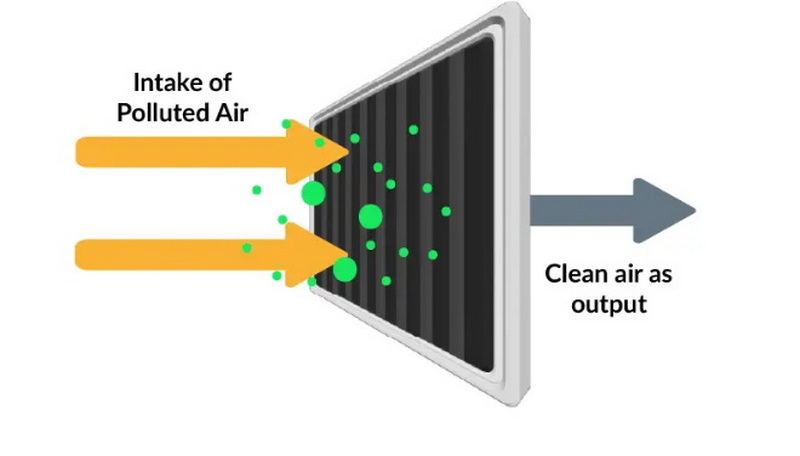
| Small home air purifiers with activated carbon layer | Activated carbon filters are often changed every 3–6 months. | Manufacturers recommend more frequent replacement in polluted, smoky, or odorous environments. |
| HVAC or AC units with activated carbon filters | Many residential systems suggest replacing activated carbon filters every 3–6 months. | Usage time, airflow, and odor levels determine final schedule. |
| Industrial air and odor control systems | Cartridge or bed change often targeted at 12 months, but may range from 6–24 months depending on odor concentration and design. | Design changes can extend the service life of activated carbon media. |
Key Factors That Control Activated Carbon Replacement Frequency
Even within the same category, the optimal replacement interval of activated carbon depends on several practical factors. Users should consider both manufacturer guidelines and actual operating conditions when planning an activated carbon change‑out schedule.
- Contaminant load and type
- Higher concentrations of organics, VOCs, or odor compounds saturate activated carbon faster, shortening service life.
- Strongly adsorbing organics may occupy pores more aggressively, while highly soluble low‑molecular‑weight compounds may not be removed well by activated carbon at all.
- Flow rate and contact time (EBCT)
- Short contact times (high flow rate per volume of activated carbon) reduce adsorption efficiency and bring earlier breakthrough.
- Well‑designed beds use sufficient empty bed contact time so activated carbon can work efficiently for many months.
- Water quality and pre‑treatment
- Suspended solids and fouling can plug pores or coat activated carbon, cutting effective surface area and forcing earlier replacement.
- Good pre‑filtration (sediment filters, coagulants) extends the life of granular activated carbon and activated carbon blocks.
- Air quality and dust in gas applications
- High dust or aerosol levels can physically clog activated carbon filters, requiring earlier media change even if adsorption capacity remains.
- Strong industrial odors may push activated carbon to saturation well before the usual 12‑month target.
- Temperature and humidity
- High humidity can compete with some contaminants for adsorption sites on activated carbon, sometimes reducing capacity for certain gases.
- Hot gas streams may require special activated carbon grades and reduce service life without proper design.
- Quality and type of activated carbon
- High‑quality activated carbon with optimized pore size distribution typically offers longer service life for a given application.
- Different forms (powdered activated carbon, granular activated carbon, extruded pellets, activated carbon blocks) have different usage patterns and replacement strategies.
Practical Rules of Thumb for Replacing Activated Carbon
Because real systems vary, many operators rely on simple rules of thumb combined with periodic performance checks to decide when to change activated carbon. These rules provide a safe starting point that can be refined by monitoring water or air quality around the activated carbon unit.
- Annual replacement for many carbon filters
- For industrial water filters, many experts recommend changing the granular activated carbon bed once per year as a practical balance between performance and cost.
- Numerous products and standards for activated carbon filters limit rated life to a maximum of one year of service.
- 6–12 months for domestic water cartridges
- For pitchers, faucet, and under‑sink systems using activated carbon cartridges, common guidance is to replace activated carbon every 6–12 months or when rated gallons are reached.
- High‑usage households or poor‑quality inlet water may require replacing activated carbon closer to the lower end of this range.
- 3–6 months for home air purifiers
- Many consumer air purifiers suggest changing activated carbon filters every 3–6 months, especially where odors and VOCs are a concern.
- Users should replace activated carbon sooner if smells persist despite continued operation.
- 4–8 weeks for aquariums
- Hobby aquarists often treat activated carbon as a short‑term chemical filtration media, replacing it every 4–6 weeks or up to a few months depending on tank conditions.
- After medicine use, activated carbon is commonly added temporarily to strip residual drugs and then removed or replaced.
Warning Signs That Activated Carbon Needs Replacement
Beyond the calendar or operating hours, there are practical signs that activated carbon is exhausted and should be changed even if it has not yet reached its nominal life. Paying attention to these symptoms prevents water quality failures, odor complaints, or regulatory non‑compliance in systems relying on activated carbon.
- Changes in taste, odor, or color
- A return of chlorine taste, unusual smells, or yellow/brown color indicates that activated carbon is no longer effectively removing contaminants.
- In air systems, persistent or worsening odors despite running an activated carbon filter suggest breakthrough or saturation.
- Analytical breakthrough in water treatment
- Rising concentrations of target contaminants (for example TOC, COD, VOCs, specific organics) in the treated stream are a direct indicator that the granular activated carbon bed is exhausted.
- For dechlorination, relying only on residual chlorine as a replacement trigger can be risky, because activated carbon may stop retaining organics long before chlorine appears in the effluent.
- Pressure drop and flow issues
- Significant pressure loss across an activated carbon vessel or cartridge can indicate fouling, plugging, or channeling, often calling for backwashing or replacement.
- In air filters, reduced airflow or visibly dirty activated carbon cartridges are signals that change‑out is due.
- Manufacturer indicator or service alarms
- Some consumer filters with activated carbon include time‑based or volume‑based indicators that alert users when replacement is required.
- Industrial control systems may monitor pressure, flow, and quality parameters to trigger maintenance alarms for activated carbon beds.
Replacement vs. Regeneration of Activated Carbon
In many industrial and municipal applications, operators have the choice to either discard exhausted activated carbon and install fresh media or send it for thermal regeneration and reuse. The best option depends on contaminant type, environmental regulations, and cost structure for activated carbon supply and disposal.
- Fresh replacement of activated carbon
- In small domestic systems and many light‑commercial filters, replacing spent activated carbon with new media is usually the simplest and most economical solution.
- Replacement ensures consistent performance, avoids cross‑contamination, and simplifies maintenance procedures for non‑specialist users.
- Off‑site thermal regeneration
- Large volumes of exhausted activated carbon from industrial water and gas treatment can be shipped to specialized facilities for high‑temperature regeneration.
- Regenerated activated carbon can often achieve a large portion of the original adsorption capacity, reducing both cost and environmental footprint.
- On‑site reactivation or partial regeneration
- Some plants consider on‑site thermal or chemical regeneration of activated carbon, but this requires careful safety and emissions control and is usually limited to major installations.
- For many operators, partnering with a professional activated carbon supplier who offers reactivation services is more practical.
How Often Should Different Users Replace Activated Carbon in Practice?
For engineers, facility managers, and household users, the most important question is how to translate general guidance into a specific replacement schedule for activated carbon. The outline below provides practical starting points that can be tailored to individual systems using activated carbon for water and air treatment.
- Households using activated carbon water filters
- Follow the manufacturer's rated months and gallon capacity, typically changing activated carbon every 6–12 months, or sooner if taste or odor issues appear.
- Replace activated carbon cartridges immediately after known contamination events (for example boil‑water advisories or heavy sediment intrusion) that might overload the filter.
- Aquarium hobbyists and small pond owners
- Treat activated carbon as a consumable that is replaced roughly every 4–8 weeks in tanks, and every few weeks to a few months in ponds depending on organic load.
- Remove or replace activated carbon after using medications or water treatments that it may adsorb.
- Building operators using activated carbon air filters
- For office, retail, and residential buildings, a reasonable starting rule is to replace activated carbon filters every 3–6 months to maintain odor and VOC control.
- In kitchens, smoking rooms, or industrial spaces with heavy odors, plan for more frequent activated carbon media change‑outs.
- Industrial and municipal water treatment plants
- Use design calculations and pilot data to estimate bed life, but in many cases plan to replace or regenerate granular activated carbon annually while monitoring breakthrough.
- For lightly loaded streams or polishing duties, it may be acceptable for activated carbon beds to operate multiple years before complete re‑bedding, provided effluent quality remains within specification.
Advanced Considerations for Industrial Activated Carbon Systems
In large‑scale industrial and municipal systems, the decision of how often activated carbon should be replaced is driven by more detailed engineering considerations. A deeper understanding of these factors can improve performance and reduce lifecycle cost for activated carbon systems.
Breakthrough curves and safety margins
Engineers often model adsorber performance using breakthrough curves that describe how effluent concentration changes over time as activated carbon becomes saturated. By measuring or predicting breakthrough for the most critical contaminant, a conservative safety margin can be set so activated carbon beds are changed or regenerated before quality limits are exceeded.
In drinking water or food and beverage applications, activated carbon systems are usually designed so that bed replacement occurs well before the strictest regulatory limits are approached. This conservative approach reflects both health protection and brand protection, because consistent activated carbon performance is essential to taste, odor, and trust in the product.
Staged beds and lead–lag configuration
Many industrial systems use two or more activated carbon vessels in series, often referred to as lead and lag beds. The lead bed does most of the adsorption work and reaches breakthrough first, while the lag bed polishes the remaining contaminants and protects the treated stream.
When the lead bed's activated carbon is exhausted, it is taken offline, the lag bed is moved into the lead position, and a fresh or regenerated activated carbon bed is installed as the new lag unit. This strategy allows operators to use the full capacity of activated carbon while maintaining a high level of safety and redundancy.
Monitoring strategies for activated carbon performance
In addition to routine laboratory tests, many plants install online instruments to track parameters associated with activated carbon performance. For example, UV absorbance, TOC analyzers, or surrogate parameters can be monitored continuously to give early warning of breakthrough.
Sampling ports at the inlet, mid‑bed, and outlet of an activated carbon vessel allow operators to see how far mass transfer zones have progressed through the bed. When the mass transfer zone approaches the outlet, plans can be made to replace or regenerate the activated carbon before effluent quality is impacted.
Economic optimization of activated carbon change‑out
From an economic standpoint, changing activated carbon too early wastes remaining capacity, while changing too late risks quality failures and may lead to high‑cost incidents. Many facilities, therefore, perform cost–benefit analysis to choose a target utilization level for activated carbon capacity.
The cost of fresh or regenerated activated carbon, transport, and downtime is balanced against the potential cost of non‑compliance, production losses, or consumer complaints. This analysis often confirms that a regular annual or semi‑annual replacement of activated carbon is a practical compromise for many plants.
Maintenance Best Practices to Extend Activated Carbon Life
Good maintenance practices can significantly extend the working life of activated carbon while preserving high treatment performance. Instead of relying only on time‑based replacement, users can optimize the operating environment for activated carbon.
- Ensure proper pre‑filtration to remove suspended solids and prevent fouling of activated carbon beds and cartridges.
- Avoid sudden hydraulic shocks or excessive flow through activated carbon filters, which can cause channeling and reduce effective contact time.
- Periodically backwash granular activated carbon beds where design allows, in order to remove trapped solids and re‑classify the media.
- Store spare activated carbon in cool, dry, well‑ventilated areas to prevent premature moisture uptake or contamination before use.
- Keep detailed maintenance logs noting installation dates, operating conditions, and any changes in water or air quality associated with each activated carbon batch.
Through these simple practices, the same volume of activated carbon can deliver longer service life and more stable performance, reducing total cost of ownership for activated carbon systems.
Conclusion
Activated carbon is a powerful, versatile adsorbent used to purify water, air, and process streams, but its performance is finite and declines as pores fill with contaminants over time. In practice, the replacement frequency of activated carbon depends on contaminant load, flow conditions, media quality, and regulatory requirements, leading to typical change‑out intervals ranging from a few weeks in small aquarium or air filters to several years in large industrial beds, with 3–12 months being a common range for many domestic and light‑industrial systems. By combining manufacturer recommendations with regular monitoring of taste, odor, color, analytical results, and pressure drop, users can design a proactive activated carbon replacement plan that maximizes purification performance, protects equipment, and maintains consistent quality in their water and air treatment operations.
Contact us to get more information!
FAQ About Activated Carbon Replacement
(1) How often should activated carbon be replaced in a home water filter?
Most home water filters that rely on activated carbon recommend replacement every 6–12 months, or after a specified number of gallons has been treated, whichever comes first. Heavy usage, poor inlet water quality, or noticeable changes in taste, odor, or color justify replacing activated carbon sooner than the maximum rated life.
(2) How frequently does activated carbon need to be changed in air purifiers?
For many consumer air purifiers, manufacturers suggest changing the activated carbon filter about every 3–6 months under typical conditions. If odors persist or VOC levels remain high despite operation, it is a sign that the activated carbon is saturated and should be replaced even if the recommended time has not yet passed.
(3) How often should activated carbon be replaced in aquariums?
In aquariums, a common rule is to replace activated carbon every 4–6 weeks, with some hobbyists extending the interval up to a few months depending on stocking density and feeding. After using medications or chemical treatments, fresh activated carbon is usually installed temporarily to remove residual compounds and then discarded or replaced.
(4) How long can granular activated carbon last in industrial water treatment?
Granular activated carbon in industrial water treatment systems can often operate effectively for several months to a year before requiring replacement or regeneration, depending on contaminant load and design. In some lightly loaded applications or polishing stages, well‑designed activated carbon beds may run multiple years, but many operators still target annual change‑outs for reliability and regulatory compliance.
(5) Is it better to follow time‑based or performance‑based replacement for activated carbon?
A combined approach works best: use a conservative time‑based schedule, for example 6–12 months for many activated carbon filters, while also monitoring water or air quality for early signs of breakthrough. If analytical data, taste and odor tests, or pressure drop indicate declining performance, replace or regenerate the activated carbon immediately even if the nominal service interval has not yet elapsed.
Citations:
1. https://www.carbotecnia.info/
2. https://rajahfiltertechnics.com/
3. https://abhirowater.com/
4. https://carbontech.net.tr/
5. https://cleanawater.com.au/
6. https://aquaionizerpro.com/
7. https://www.reddit.com/r/WaterTreatment/
8. https://www.reddit.com/r/Aquariums/
9. https://wqa.org/
10. https://levoit.com/
11. https://evergreenhvacnc.com/
12. https://elchemy.com/


