Content Menu
● What is granular activated carbon?
● How much granular activated carbon is in typical filters?
● Why contact time determines how much GAC you need
● Typical GAC amounts in water filters
>> Small cartridges and under‑sink filters
>> Whole‑house GAC filters
>> Municipal and industrial GAC filters
● How much granular activated carbon for air and gas filters?
● Design rules that link GAC quantity and performance
>> Bed depth and particle size
>> Hydraulic loading and EBCT
● Practical guidelines: how much granular activated carbon to use?
● How your choice of GAC type and quality affects quantity
● Example: estimating GAC in a water filter
● How manufacturers like you can position GAC filters
● Conclusion
● FAQ
>> (1) How do you calculate how much granular activated carbon a water filter needs?
>> (2) How much granular activated carbon should a whole‑house filter contain?
>> (3) Does more granular activated carbon always mean better filtration?
>> (4) How often should granular activated carbon in filters be replaced?
>> (5) What type of granular activated carbon is best for drinking water?
● Citations:
Granular activated carbon (GAC) is the heart of most carbon filters, and how much GAC you need depends on filter size, flow rate, and the contaminants you want to remove. Understanding GAC volume, bed depth, and contact time helps you correctly size a carbon filter for water, air, or process applications.[1][2][3][4]
What is granular activated carbon?
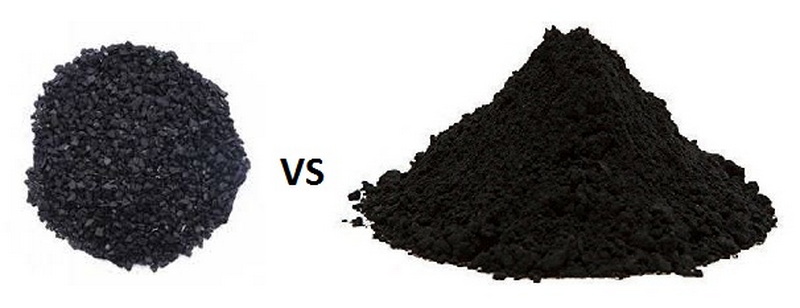
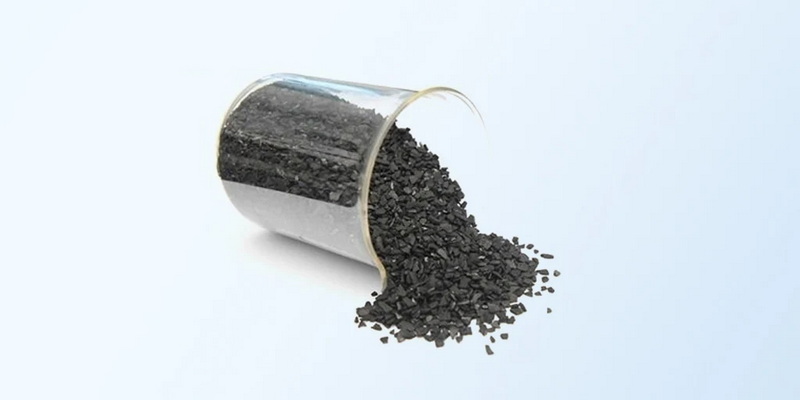
Granular activated carbon is a porous adsorbent made from coal, coconut shell, wood, or other carbon-rich raw materials that are carbonized and “activated” to create a huge internal surface area. Typical GAC for water treatment has an iodine number around 900–1050 mg/g and a carbon tetrachloride (CTC) number of at least 50, indicating high adsorption capacity for organics.[2][5]
In a carbon filter, granular activated carbon forms a packed bed that removes organic compounds, chlorine, taste and odour, and many micropollutants as the fluid passes through. Different mesh sizes such as 8×30, 12×40, or 20×50 control pressure drop, kinetics, and filtration performance.[3][4][6][1]
How much granular activated carbon is in typical filters?
The amount of granular activated carbon depends strongly on the filter type: small cartridges, point‑of‑use systems, whole‑house filters, or large industrial pressure vessels. Designers usually specify GAC in volume (cubic feet or litres) or weight (kilograms or pounds), which can be converted using a typical bulk density of roughly 0.45–0.55 g/ml for many products.[7][5][2]
- A 1 ft³ GAC filter contains about 7.5 US gallons of granular activated carbon.[1][2]
- Commercial pressure vessels often use GAC bed depths of 24–48 inches, which can correspond to 1–3 ft³ (or more) per tank depending on diameter.[8][7]
- Whole‑house filters can easily be loaded with 1–3 ft³ of granular activated carbon for residential water treatment.[9][10]
For air treatment, recommended carbon mass can range from a few hundred grams for small VOC filters up to several kilograms for serious odour or smoke control, especially in polluted indoor environments. In aquariums, a common rule of thumb is about one cup of granular activated carbon per 50 gallons of water for routine polishing.[11][12][13]
Why contact time determines how much GAC you need
The key design parameter for granular activated carbon filters is empty bed contact time (EBCT), which is the volume of the GAC bed divided by the flow rate. EBCT defines how long water or air remains in contact with the granular activated carbon, which is critical for adsorption of organics, micropollutants, and disinfection by‑product precursors.[6][2][3][1]
- EBCT (minutes) = GAC bed volume (gallons) ÷ flow (gallons per minute).[2][1]
- A 1 ft³ (7.5 gal) granular activated carbon filter at 2.5 gpm has an EBCT of about 3 minutes.[1][2]
Typical EBCT ranges for water applications often fall between about 1–10 minutes depending on contaminant type and removal targets. Higher EBCT (more granular activated carbon or lower flow) generally improves removal of persistent organics and slow‑diffusing compounds.[14][3][9][2]
Typical GAC amounts in water filters
Small cartridges and under‑sink filters
Compact drinking water cartridges usually contain a relatively small volume of granular activated carbon but rely on low flow and frequent replacement. Many point‑of‑use GAC cartridges are rated for roughly 0.5–1.0 gpm with a capacity of around 1,500–2,000 gallons before replacement.[15][16][2]
To achieve this performance, a cartridge may hold on the order of a few hundred millilitres of granular activated carbon, optimized by fine mesh size (e.g., 20×50) to speed adsorption kinetics. The combination of small granular activated carbon particle size and low service flow helps provide adequate contact time in a compact housing.[4][2][1]
Whole‑house GAC filters
Whole‑house carbon filters for residential use often employ 1–3 ft³ of granular activated carbon in a single pressure vessel. For example, a 14"×65" tank can be pre‑loaded with about 3 ft³ of coconut shell granular activated carbon to treat all water entering a home.[10][7]
These systems typically provide service flow rates from around 10–20 gpm while maintaining sufficient EBCT for chlorine, taste, and odour control. Bed depths in such filters are often around 24–48 inches, ensuring that water passes through a substantial column of granular activated carbon before leaving the tank.[8][7][9]
Municipal and industrial GAC filters
In municipal drinking water plants, granular activated carbon beds may be designed as rapid gravity filters or pressure filters with bed depths up to about 2.5 m and 3 m respectively. These deep beds can contain several cubic metres of granular activated carbon per filter cell, enabling long operating cycles and robust removal of dissolved organic carbon and micropollutants.[17][3][6]
Typical treatment loading rates can range from roughly 1.5–6 gpm per square foot (or similar hydraulic rates in metric units), which determine the required granular activated carbon volume for a target EBCT. In wastewater and advanced treatment plants, GAC filters may be integrated with biological activity (biologically active carbon) to extend effective carbon life and improve nutrient removal.[18][14][9][8]
How much granular activated carbon for air and gas filters?
For air purification, the design focuses on carbon mass, face velocity, and dwell time in the carbon bed. A dwell time around 0.1–0.5 seconds in granular activated carbon can produce high removal efficiencies for many adsorbable VOCs when combined with appropriate carbon depth.[12][5]
Studies indicate that in clean indoor environments with relatively low VOC concentrations, around 190–370 g of activated carbon may be sufficient for about 30 days of operation for many pollutant–carbon combinations. However, typical indoor environments or wildfire‑affected conditions may require between about 1.1 kg and 3–15 kg or more of granular activated carbon in a filter to maintain performance for the same period.[12]
Deep‑bed industrial gas filters can hold tens or hundreds of kilograms of granular activated carbon to manage odour, solvent vapours, or off‑gases from chemical and pharmaceutical processes. In such systems, the ratio of bed length to bed diameter (L/D) is an important parameter to ensure even distribution and effective use of all granular activated carbon in the bed.[5][4][18]
Design rules that link GAC quantity and performance
Bed depth and particle size
The performance of granular activated carbon filters depends heavily on media depth and particle size. Deeper beds and finer granular activated carbon typically improve filtration and adsorption, but they also increase pressure drop and energy use.[3][4][9]
Guidelines often express the relationship as depth divided by effective grain size (L/de), with recommended minimum ratios to maintain good filtration efficiency in dual‑media or monomedia beds. For example, challenging waters may require higher L/de ratios, meaning either deeper granular activated carbon beds or finer particles to achieve the necessary treatment quality.[4][9]
Hydraulic loading and EBCT
Hydraulic loading rates in granular activated carbon beds must balance contact time with economic throughput. Typical surface loadings for shallow bed filters may be around 2–3 gpm/ft², while deep beds can run higher but still must deliver the calculated EBCT for the contaminants of concern.[9][4][8]
In practice, designers choose the volume of granular activated carbon first to meet EBCT and target removal, then set allowable flow rates accordingly. This approach ensures the carbon filter contains enough granular activated carbon mass to adsorb contaminants efficiently over the intended service life before breakthrough.[14][2][3][1]
Practical guidelines: how much granular activated carbon to use?
Although exact design should always be calculated case by case, several practical guidelines help estimate how much granular activated carbon should be inside a filter.
- Point‑of‑use drinking water: Use a cartridge engineered for about 0.5–1 gpm, typically containing a few hundred millilitres of granular activated carbon, and replace it after its rated gallon capacity (e.g., about 2,000 gallons).[16][15]
- Whole‑house water filters: For chlorine and organics in residential applications, 1–3 ft³ of granular activated carbon is common, matched to service flows of around 10–20 gpm.[7][10]
- Aquarium filters: A frequent rule is roughly 1 cup of granular activated carbon per 50 gallons of tank volume for clarifying water.[13][11]
- Indoor VOC filters: For one‑month control of common indoor VOC levels, several hundred grams to a few kilograms of granular activated carbon may be required depending on pollutant load and ventilation.[12]
Industrial and municipal systems should follow detailed design standards that integrate water quality data, target contaminants, breakthrough curves, and regeneration or replacement schedules for the granular activated carbon.[17][3]
How your choice of GAC type and quality affects quantity
The quantity of granular activated carbon is not the only variable; the type and quality of GAC strongly influence performance. Key properties include raw material (coconut shell, coal, wood), pore size distribution, iodine number, CTC number, hardness, and mesh size.[5][2]
High‑quality coconut shell granular activated carbon with high micro‑porosity is especially effective for many organic compounds and disinfection by‑product precursors in drinking water. In some cases, selecting a more active granular activated carbon grade can reduce the total volume needed for a given performance target, or extend filter life at the same loading.[18][2][14][9]
Manufacturers can customize granular activated carbon solutions—such as different mesh sizes, surface chemistries, or pre‑washed grades—to match your process, which may optimize both GAC quantity and lifecycle cost. For regenerable GAC systems, the ability to thermally reactivate saturated granular activated carbon also influences the economic optimum for bed size and replacement intervals.[2][18][5]
Example: estimating GAC in a water filter
Consider a simple example to illustrate how much granular activated carbon belongs in a filter. Suppose you need to treat 5 gpm of water with an EBCT of 3 minutes to remove taste, odour, and organic matter. Using the EBCT formula:[9][1]
- Required GAC volume (gallons) = flow (5 gpm) × EBCT (3 min) = 15 gallons.[1][2]
- Since 1 ft³ of granular activated carbon is about 7.5 gallons, this equals roughly 2 ft³ of GAC in the filter.[2][1]
If the vessel diameter and bed depth allow 2 ft³ of granular activated carbon while keeping acceptable pressure drop, this configuration should meet the EBCT target. Changes in flow (higher or lower) directly affect how much granular activated carbon is required to maintain the same contact time and performance.[3][4][8][2]
How manufacturers like you can position GAC filters
As a specialized producer and exporter of granular activated carbon, positioning your products around correct GAC loading and performance is a strong differentiator. Detailed data sheets that explain recommended bed depths, EBCT ranges, and granular activated carbon mesh sizes for each application help engineering buyers design reliable filters.[5][2]
Providing pre‑engineered filter systems—such as skid‑mounted water treatment units or modular air filters—with optimized granular activated carbon volumes simplifies adoption for global industrial customers. Offering technical support on how much granular activated carbon is needed for specific water qualities, VOC loads, or regulatory targets can turn your GAC from a commodity into a complete solution.[6][10][7][3]
Conclusion
The amount of granular activated carbon inside a carbon filter is not arbitrary; it must match the flow rate, target contaminants, and desired contact time to achieve reliable performance. Whether dealing with small cartridges, whole‑house filters, or industrial GAC systems, correctly sizing the granular activated carbon bed volume and depth is essential for effective water, air, and process purification. By optimizing EBCT, bed geometry, and granular activated carbon grade, filter designers and manufacturers can deliver high treatment efficiency, long media life, and cost‑effective operation across a wide range of industrial and municipal applications.[14][4][3][9][1][2]
FAQ
(1) How do you calculate how much granular activated carbon a water filter needs?
The main calculation uses empty bed contact time: multiply desired EBCT (in minutes) by flow rate (gpm) to get the required GAC bed volume in gallons, and then convert to cubic feet of granular activated carbon. This ensures the filter contains enough granular activated carbon to keep water in contact with the media long enough to adsorb target contaminants before breakthrough.[3][9][1][2]
(2) How much granular activated carbon should a whole‑house filter contain?
Many residential whole‑house carbon filters contain between about 1 ft³ and 3 ft³ of granular activated carbon, depending on desired flow rate and contaminant load. Larger homes with higher flow or tougher water quality may require more granular activated carbon to maintain sufficient EBCT and longer media life.[10][7][9][3]
(3) Does more granular activated carbon always mean better filtration?
More granular activated carbon generally increases capacity and contact time, but it also increases cost, tank size, and potentially pressure drop. The optimal design balances the amount of granular activated carbon with flow conditions and target removal so the entire GAC bed is used effectively.[4][14][5][3]
(4) How often should granular activated carbon in filters be replaced?
Replacement frequency depends on contaminant load, EBCT, and the amount of granular activated carbon in the filter, as well as manufacturer ratings. Small drinking water cartridges may be changed every few months, while large granular activated carbon beds in municipal or industrial systems can operate much longer before regeneration or replacement.[15][18][17][9]
(5) What type of granular activated carbon is best for drinking water?
Coconut shell granular activated carbon with high iodine number and suitable mesh size (such as 12×40) is widely used for drinking water because of its strong micropore structure and robustness. Properly selected granular activated carbon grades can enhance chlorine, taste and odour removal while delivering long bed life and stable hydraulic performance.[14][9][2][3]
Citations:
[1](https://wqa.org/wp-content/uploads/2022/09/2016_GAC.pdf)
[2](https://hydronixwater.com/granular-activated-carbon-fact-sheet/)
[3](https://www.sciencedirect.com/topics/engineering/granular-activated-carbon)
[4](https://www.wateronline.com/doc/drinking-water-filtration-using-granular-acti-0001)
[5](https://www.calgoncarbon.com/app/uploads/Basics-of-Activated-Carbon-Calgon-Carbon-Chemical-Engineering-Magazine.pdf)
[6](https://www.epa.gov/sdwa/overview-drinking-water-treatment-technologies)
[7](https://www.filterwater.com/p-157-gac-carbon-commercial-water-filter-system.aspx)
[8](https://watersurplus.com/documents/11507.pdf)
[9](https://www.watertreatmentguide.com/activated_carbon_filtration.htm)
[10](https://oceanicwater.com/oceanic-whole-house-water-filtration-system-14-x-65-tank-3-cubic-ft-of-coconut-shell-carbon-gac-commercial-sized.html)
[11](https://kolarlabs.com/products/carbon-granular-activated-crystal-cal)
[12](https://www.reddit.com/r/AirPurifiers/comments/1dapqbt/how_much_carbon_is_actually_needed_for_household/)
[13](https://tlreefs.com/products/granular-activated-carbon)
[14](https://pubmed.ncbi.nlm.nih.gov/39218116/)
[15](https://www.expresswater.com/products/granular-activated-carbon)
[16](https://purennatural.com/products/pura-quick-connect-gac-filter)
[17](https://fieldreport.caes.uga.edu/wp-content/uploads/2025/08/B-1542_4.pdf)
[18](https://donau-carbon-us.com/Downloads/Waste-Water-E.aspx)
[19](https://www.reef2reef.com/threads/recommended-granular-activated-carbon-gac-amounts.995465/)
[20](https://www.suezwaterhandbook.com/water-and-generalities/fundamental-physical-chemical-engineering-processes-applicable-to-water-treatment/adsorption/applied-activated-carbon-principles)


