Content Menu
● What Is Activated Carbon?
● How Long Does Activated Carbon Work in Different Applications?
>> Activated carbon in water treatment
>> Activated carbon in air and gas purification
>> Activated carbon in food, beverage, and pharmaceutical processes
● Key Factors That Affect How Long Activated Carbon Works
>> Type and concentration of contaminants
>> Flow rate and contact time
>> Temperature and humidity
>> System design and pre‑filtration
>> Quality and type of activated carbon
● When Does Activated Carbon Stop Working?
>> Practical signs of exhaustion in real systems
● Can Activated Carbon Be Regenerated to Work Longer?
>> Thermal regeneration
>> Other regeneration methods
● How to Maximize How Long Activated Carbon Works
● Conclusion
● FAQ About Activated Carbon
>> 1. How often should activated carbon water filters be replaced?
>> 2. How long does activated carbon work in air purifiers and HVAC systems?
>> 3. Can activated carbon be reused after it is saturated?
>> 4. What are the main signs that activated carbon has stopped working?
>> 5. Does all activated carbon have the same lifespan?
● Citations:
Activated carbon is a critical material for modern water treatment, air and gas purification, and many industrial processes. For engineers, operators, and buyers, a key question is simple but essential: how long does activated carbon work before it must be replaced or regenerated? The answer depends on multiple factors, including the type of activated carbon, the application, contaminant loading, operating conditions, and system design. Understanding these variables allows you to design safer systems, lower operating costs, and get the maximum performance from each kilogram of activated carbon.
What Is Activated Carbon?
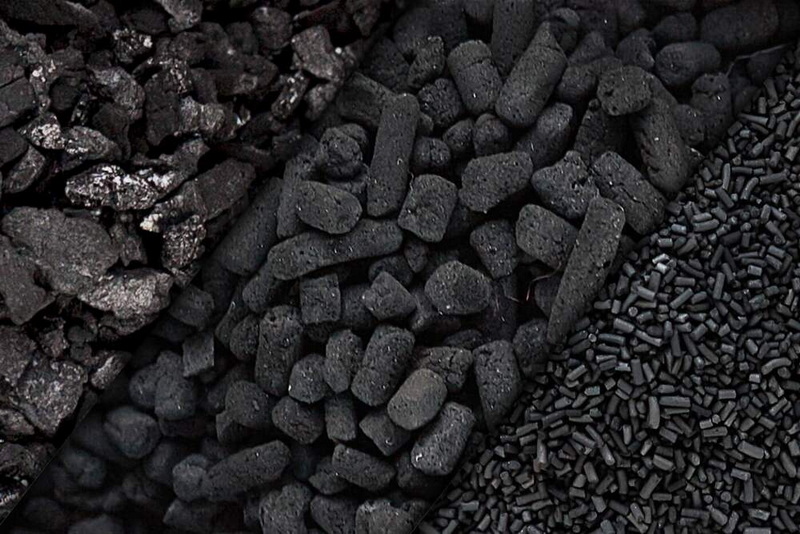
Activated carbon is a highly porous form of carbon with an extremely large internal surface area, typically ranging from several hundred to over a thousand square meters per gram. This huge surface area comes from a network of micro‑, meso‑, and macro‑pores created during the activation process. The larger the accessible pore volume and surface area, the more room there is for contaminants to be adsorbed, and the longer the activated carbon can work before it is saturated.
Industrial activated carbon is usually produced from raw materials such as coal, coconut shell, wood, or peat. These precursors are carbonized and then activated using steam, carbon dioxide, or chemical activation to develop the pore structure. Different raw materials and activation processes produce different pore size distributions, which makes certain grades of activated carbon more suitable for specific contaminants, such as chlorine, organic color, taste and odor compounds, VOCs, sulfur compounds, or trace organics in pharmaceutical and chemical streams.
Activated carbon is supplied in several main forms:
- Granular activated carbon (GAC), commonly used in fixed beds for water treatment and gas purification.
- Powdered activated carbon (PAC), dosed directly into liquids for batch treatment or in contact tanks.
- Extruded or pelletized activated carbon, often used in gas‑phase and high‑flow industrial applications.
- Specialty activated carbon, such as impregnated carbons for specific chemical reactions or contaminant targets.
The form and quality of activated carbon have a direct impact on the working life in any given application.
How Long Does Activated Carbon Work in Different Applications?
There is no single “one size fits all” answer to how long activated carbon works. Service life may range from weeks to months in high‑load systems, and from months to several years in optimized and relatively clean systems. The following sections summarize typical ranges for major application areas.
Activated carbon in water treatment
In household drinking water filters and light commercial units, activated carbon typically works for a few months before performance drops below the desired level. Many point‑of‑use activated carbon cartridges are designed for about two to six months of normal use. Some multi‑stage systems, where sediment and other contaminants are removed first, allow the activated carbon stage to remain effective for up to twelve months under moderate water consumption.
In larger industrial or municipal water treatment plants, the life of activated carbon is usually defined not by months but by treated volume and effluent quality. Design engineers look at parameters such as:
- Influent and effluent contaminant concentration (for example, TOC, COD, color, pesticides, micropollutants).
- Breakthrough curves, showing when contaminants begin to appear at the outlet.
- Empty bed contact time (EBCT) and bed depth.
In many cases, a bed of granular activated carbon in a well‑designed water treatment system can operate for several months to a few years before it needs to be replaced or thermally regenerated.
Activated carbon in air and gas purification
In air purifiers and HVAC systems, activated carbon is used to capture volatile organic compounds (VOCs), odors, and certain gases. Consumer‑grade carbon filters in home air purifiers are commonly rated for about three to six months of typical use. Higher‑quality activated carbon filters with greater capacity and better protection from dust can last much longer, sometimes up to eighteen months or more in low‑pollution environments.
In industrial gas‑phase applications, such as chemical and pharmaceutical exhaust treatment, solvent recovery, or off‑gas polishing, the working life of activated carbon depends heavily on organic vapor concentrations, temperature, humidity, and the presence of other contaminants. In some high‑load systems, beds may reach saturation in weeks or months. In systems with moderate loads and well‑controlled conditions, activated carbon beds can remain in service for extended periods and then be regenerated multiple times.
Activated carbon in food, beverage, and pharmaceutical processes
In food and beverage applications, activated carbon is used for decolorization, odor removal, and polishing of liquids like sugar solutions, beverages, and process water. Here, the working life of activated carbon is determined by the color and impurity load and by hygiene requirements. Some systems run on a campaign basis: activated carbon is used for a defined batch or volume and then replaced or regenerated to guarantee consistent quality.
In pharmaceutical and fine chemical production, activated carbon plays a critical role in removing trace organic impurities, color bodies, and reaction by‑products. Because product purity is crucial, change‑out criteria are stricter, and activated carbon is often replaced before full theoretical capacity is reached. Service life can range from a single batch (for high‑value products) to multiple campaigns, depending on risk tolerance, validation requirements, and regulatory standards.
Key Factors That Affect How Long Activated Carbon Works
The same grade of activated carbon can have a very different working life in different systems. Several key factors control how long activated carbon remains effective.
Type and concentration of contaminants
The nature and concentration of contaminants are the most important drivers of activated carbon life. Some contaminants are strongly adsorbed and rapidly occupy available sites, while others interact more weakly and fill the pores more slowly. High contaminant concentrations will obviously saturate the activated carbon faster than low concentrations.
For example:
- High levels of organic solvents or VOCs in process gas streams can quickly load up activated carbon in solvent recovery systems.
- High TOC or color in wastewater or process water can reduce the working life of the activated carbon bed to weeks or months.
- Trace levels of residual chlorine or low concentrations of taste and odor compounds in drinking water typically allow the activated carbon to work effectively for much longer.
When designing a system, realistic assumptions about contaminant load and safety margins are essential to estimating how long activated carbon will work before change‑out.
Flow rate and contact time
Flow rate and contact time strongly affect adsorption performance and media life. If water or gas flows too quickly through the bed, contact time is reduced, and activated carbon cannot adsorb contaminants efficiently. Although high flow rates increase the volume treated per day, they also push more contaminants through the bed, leading to quicker exhaustion.
Engineers often design water systems around an appropriate empty bed contact time (EBCT), which is the time the fluid spends in contact with the activated carbon. Too short an EBCT can both reduce removal efficiency and shorten the effective life of the media. In gas‑phase systems, similar concepts apply; bed depth, superficial velocity, and residence time are carefully selected to balance pressure drop, capacity, and how long the activated carbon will work.
Temperature and humidity
Temperature and humidity influence activated carbon performance in both water and air systems. Higher temperatures can reduce adsorption capacity for certain compounds because adsorption is generally an exothermic process; as temperature increases, equilibrium shifts and the activated carbon holds contaminants less strongly. In extreme cases, high temperatures may also contribute to partial desorption of previously adsorbed molecules.
In air purification and gas‑phase applications, humidity matters as well. High humidity can cause water to compete for adsorption sites or condense on the carbon surface, which can reduce efficiency for some organic vapors. Very moist conditions can also cause dust accumulation and clumping, which may increase pressure drop and effectively shorten the working life of the activated carbon filter.
System design and pre‑filtration
System design is a crucial factor that determines how long activated carbon can work before clogging or saturation. Pre‑filtration to remove suspended solids, dust, oils, or other fouling substances protects the carbon's pore structure and prevents surface coating that would block adsorption sites.
Good practice includes:
- Sediment or cartridge pre‑filters ahead of activated carbon in water treatment systems to remove particles and colloids.
- Mechanical or HEPA pre‑filters in air purifiers and industrial gas systems to keep dust and aerosols away from the activated carbon.
- Proper bed support, distribution systems, and backwashing regimes in GAC filters to maintain uniform flow and minimize channeling.
Systems with well‑implemented pre‑filtration and sound hydraulics allow the activated carbon to spend more of its working life on true adsorption rather than being fouled by particles.
Quality and type of activated carbon
Not all activated carbon products are equal. Raw material, activation conditions, pore size distribution, hardness, and particle size all influence performance and lifespan. High‑quality activated carbon with a well‑developed pore structure and good mechanical strength can typically withstand longer operation, repeated backwashing, and, in many cases, multiple regeneration cycles.
Matching the type of activated carbon to the task is equally important. For example:
- Microporous activated carbon is more effective for small molecules and trace contaminants.
- Mesoporous or macroporous activated carbon may be better for larger organic molecules or color bodies.
- Impregnated activated carbon can be tailored for specific gases like hydrogen sulfide, ammonia, or mercury.
Selecting the correct grade ensures that the available capacity is used efficiently and that the activated carbon continues to work for as long as possible before needing replacement.
When Does Activated Carbon Stop Working?
Activated carbon stops working effectively when it reaches or approaches saturation. As more contaminant molecules occupy available adsorption sites, the remaining capacity decreases. Eventually, the activated carbon can no longer capture enough contaminants to maintain the required outlet quality, and “breakthrough” occurs.
From a practical perspective, activated carbon is considered exhausted when:
- The contaminant concentration at the outlet rises above a specified threshold.
- Taste, odor, or color problems return in treated water.
- Odors or VOC levels increase in treated air or process gas.
- Product quality parameters in food, beverage, chemical, or pharmaceutical processes drift out of specification.
The transition from effective adsorption to breakthrough can be gradual or relatively sharp, depending on system design and operating conditions. This is why monitoring and scheduled maintenance are essential to avoid unexpected failures.
Practical signs of exhaustion in real systems
In household and small commercial systems, users may notice:
- Unpleasant odor or taste returning to drinking water.
- Visible discoloration in treated water.
- Reduced improvement in indoor air quality or persistent smells despite the device running.
In industrial systems, operators rely on a combination of sensory checks and analytical measurements, such as periodic sampling for TOC, COD, VOC concentration, or specific contaminants. When these indicators rise, it is a signal that the activated carbon bed is nearing the end of its working life.
Can Activated Carbon Be Regenerated to Work Longer?
For many industrial uses, activated carbon does not have to be discarded after it is saturated. Instead, it can be regenerated to restore much of its original capacity. Regeneration allows the activated carbon to continue working across multiple cycles, significantly reducing overall consumption and waste.
Thermal regeneration
Thermal regeneration is the most widespread method for industrial activated carbon. In this process, spent activated carbon is treated in high‑temperature equipment such as rotary kilns or multiple hearth furnaces. The steps usually include drying, carbonization of adsorbed organics, and controlled reactivation with steam or other activating gases.
The high temperature drives off or decomposes adsorbed contaminants, cleans the pore structure, and reopens blocked pores. While some loss of carbon mass occurs during each cycle, a large fraction of the adsorption capacity can be recovered. This means the same batch of activated carbon can work for several cycles, sometimes over many years, before it finally must be replaced.
Other regeneration methods
Besides thermal regeneration, several other techniques may be used in specific situations:
- Chemical regeneration, where chemical agents desorb or react with contaminants.
- Biological regeneration, using microorganisms to degrade adsorbed organics.
- Wet oxidation and catalytic wet oxidation, combining oxidants, catalysts, and elevated temperature.
- Solvent regeneration, where appropriate solvents displace certain adsorbed compounds.
- Electrochemical regeneration for specialized systems.
Each method has advantages and limitations, and the choice depends on the type of activated carbon, the contaminants, environmental constraints, and cost. For high‑volume industrial operations, regeneration is often a key strategy to extend how long activated carbon works and to reduce overall lifecycle costs.
How to Maximize How Long Activated Carbon Works
With good system design, correct media selection, and proper operation, it is possible to significantly extend the working life of activated carbon without compromising process performance or safety. The following best practices apply across water, air, and industrial applications.
- Select an activated carbon grade specifically engineered for your target contaminants and process conditions.
- Use effective pre‑filtration to protect the activated carbon from particles, oils, and fouling substances.
- Design systems with adequate contact time and appropriate bed depth to ensure efficient adsorption.
- Avoid extreme operating conditions such as very high temperatures or high humidity that can reduce adsorption capacity.
- Monitor influent and effluent quality regularly and track trends in key parameters.
- Implement a preventive maintenance plan that includes scheduled inspections, performance checks, and timely change‑out or regeneration.
By following these principles, operators can keep activated carbon working for as long as reasonably possible while maintaining stable output quality. This approach also helps control operating expenses and supports more sustainable use of activated carbon resources.
Conclusion
Activated carbon is an indispensable material for removing contaminants from water, air, and process streams across many industries. However, it does not work forever. The working life of activated carbon is governed by contaminant type and concentration, flow conditions, temperature, humidity, system design, and the quality and type of activated carbon used. In some applications activated carbon may work effectively for a few weeks or months; in others, especially where regeneration is used and conditions are optimized, it can remain in service for years.
By understanding the factors that control performance, carefully designing systems, monitoring effluent quality, and planning for replacement or regeneration at the right time, operators can ensure that activated carbon continues to work reliably and efficiently. This approach not only protects product quality and environmental compliance but also optimizes costs and supports more sustainable use of activated carbon in water treatment, air and gas purification, food and beverage processing, chemical production, and pharmaceutical manufacturing.
Contact us to get more information!
FAQ About Activated Carbon
1. How often should activated carbon water filters be replaced?
In typical household and small commercial systems, activated carbon water filters are usually replaced every two to six months. The exact interval depends on water quality, usage rate, and system design. If taste or odor problems return or if you notice discoloration in the water, it is a strong indication that the activated carbon has reached the end of its working life and should be replaced. For industrial water treatment plants, change‑out is often scheduled based on treated volume and lab measurements rather than a fixed time.
2. How long does activated carbon work in air purifiers and HVAC systems?
In many air purifiers and HVAC systems, activated carbon filters are designed to work for around three to six months under normal residential or office conditions. In cleaner environments with low VOC and odor loads, they may last significantly longer, especially if protected by effective particulate pre‑filtration. In more polluted or humid environments, or in systems that run continuously, activated carbon can become saturated much faster, and more frequent replacement is necessary to maintain good air quality.
3. Can activated carbon be reused after it is saturated?
In industrial applications, spent activated carbon is commonly regenerated rather than discarded. Thermal regeneration can restore much of the original adsorption capacity, allowing the same activated carbon to work over multiple cycles. Other regeneration methods are also used in specific cases. For small household systems, however, regeneration is usually not practical or economical. In those cases, once the activated carbon is saturated, the cartridge or filter is replaced with a fresh one.
4. What are the main signs that activated carbon has stopped working?
The most noticeable signs are the return of odors, off‑tastes, or color in treated water and a reduction in perceived air quality in gas‑phase systems. In water filters, chlorine taste or smell may reappear, and in air purifiers, unpleasant smells may no longer be reduced. In industrial systems, operators rely on analytical data; when contaminant levels at the outlet begin to rise above target limits, the activated carbon bed is considered exhausted and needs to be replaced or regenerated.
5. Does all activated carbon have the same lifespan?
No, different activated carbon products can have very different lifespans even under similar conditions. Lifespan depends on raw material, activation method, pore size distribution, particle size, hardness, and how well the product is matched to the target contaminants. High‑quality activated carbon designed specifically for a given application typically offers higher capacity and more stable performance, which translates into longer working life between change‑outs or regeneration cycles.
Citations:
1. https://ipsystemsusa.com/maximizing-the-lifespan-of-your-carbon-filter-a-comprehensive-guide/
2. https://molekule.com/blogs/all/how-long-will-an-activated-carbon-filter-last
3. https://waterpurificationguide.com/lifespan-of-activated-carbon-water-filters-do-they-really-expire/
4. https://www.acewatershop.com.au/blogs/news/how-often-to-change-charcoal-water-filter
5. https://thegadgetexplorer.com/home/what-factors-impact-the-lifespan-of-activated-carbons/
6. https://heycarbons.com/activated-carbon-regeneration-guide/
7. https://southerncarbon.com/usage-life-of-activated-carbon/
8. https://gasificationplant.com/biomass-energy/activated-carbon-regeneration-methods/
9. https://rabbitair.com/blogs/air-purifier/how-long-do-carbon-filters-last
10. https://elchemy.com/blogs/chemical-market/activated-carbon-in-water-treatment-how-it-works-and-why-it-matters
11. https://rajahfiltertechnics.com/water-filtration/when-to-change-your-activated-carbon-filter-and-why-you-have-to/
12. https://www.fupengwater.com/article/how_long_does_activated_carbon_last.html


