Content Menu
● What Is Activated Carbon?
● Adsorption: The Core Removal Mechanism
● Pore Structure, Surface Area, and Impurity Capture
● How Activated Carbon Removes Impurities From Water
● How Activated Carbon Removes Air and Gas Impurities
● Physical and Chemical Factors That Control Adsorption
● Common Industrial Applications of Activated Carbon for Impurity Removal
● Conclusion
● FAQ About Activated Carbon Impurity Removal
>> 1. How fast does activated carbon remove impurities?
>> 2. When is activated carbon “exhausted” and needs replacement?
>> 3. Can activated carbon remove all types of impurities?
>> 4. What is the difference between powdered and granular activated carbon for impurity removal?
>> 5. How do impregnated or modified activated carbons improve impurity removal?
● Citations:
How does activated carbon remove impurities? Activated carbon removes impurities mainly through adsorption and surface reactions on its highly porous structure, trapping contaminants from water, air, and process streams onto an enormous internal surface area.[1][2]
What Is Activated Carbon?
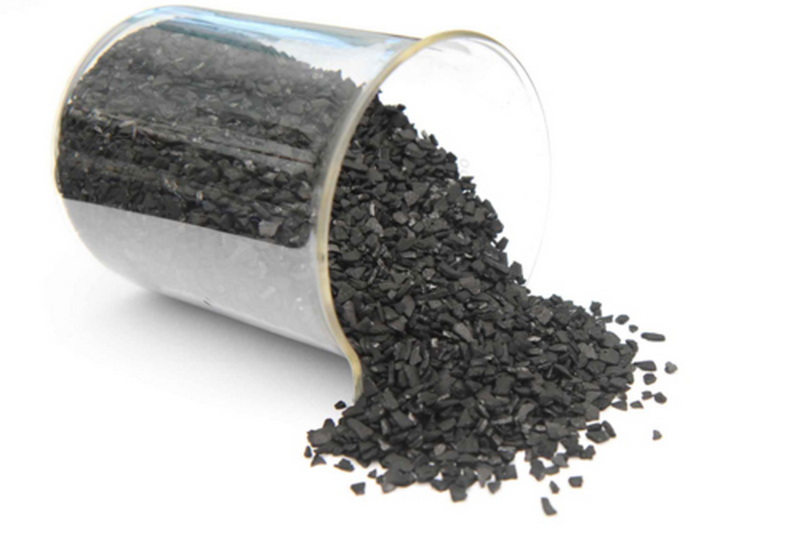
Activated carbon is a specially processed carbon material with an extremely high internal surface area, often exceeding 1,000 m² per gram, created by a network of micro‑, meso‑ and macropores. Because of this pore structure, activated carbon can capture a wide range of organic compounds, odors, colors, and some inorganic substances from liquids and gases.[3][4][2][1]
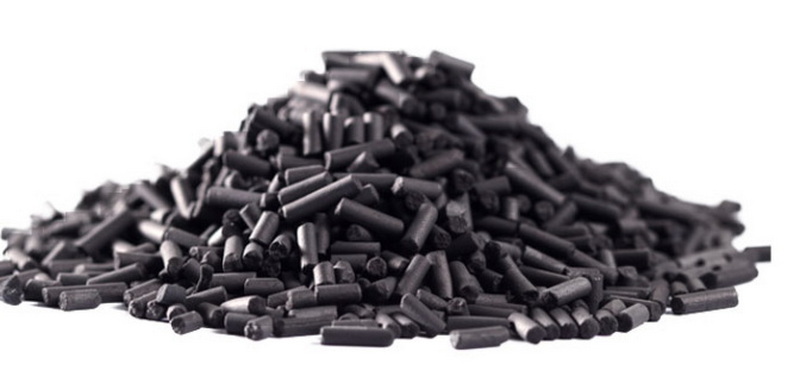
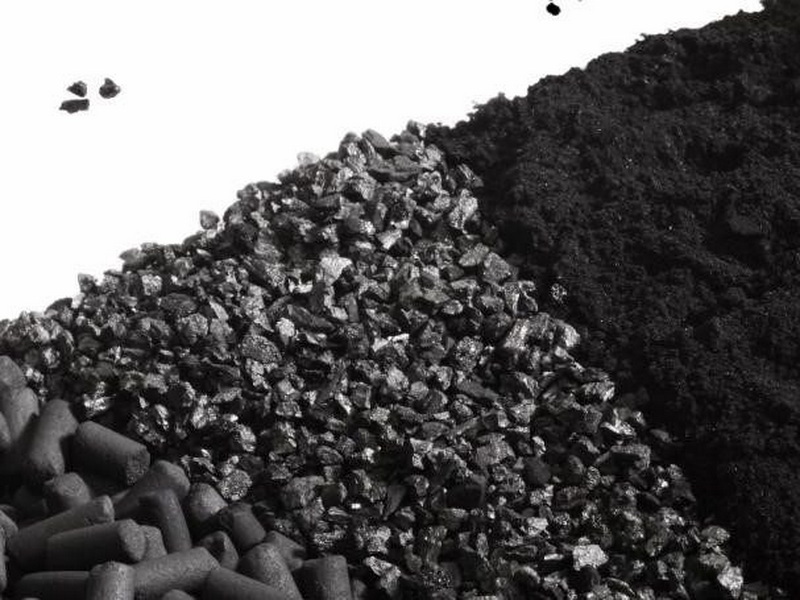
Typical industrial activated carbon is produced from carbon‑rich raw materials such as coal, coconut shell, wood, or other biomass, then “activated” at high temperature with steam or gases to develop the porous structure. Depending on the process, manufacturers can tailor activated carbon into powdered, granular, pellet, or extruded forms for different impurity removal systems.[5][2][6][3]
Adsorption: The Core Removal Mechanism
The core reason activated carbon removes impurities is adsorption, not absorption. In adsorption, molecules of contaminants accumulate on the surface of activated carbon pores due to physical forces or chemical interactions, rather than being dissolved into the carbon bulk.[7][4][8][1]
Two main types of adsorption occur on activated carbon:
- Physisorption: Contaminants are held by weak van der Waals forces, which is important for many organic compounds, odors, and volatile organic compounds (VOCs).[9][5]
- Chemisorption: Stronger chemical bonds or surface reactions form between activated carbon surface groups and certain impurities, important for contaminants like chlorine or some reactive gases.[10][1]
As water or air flows through an activated carbon bed, impurities diffuse into the pores and attach to the internal surface, gradually filling adsorption sites until the activated carbon becomes saturated.[4][1]
Pore Structure, Surface Area, and Impurity Capture
The unique pore structure of activated carbon is critical to how activated carbon removes impurities. The internal pore network is typically divided into:[2][3]
- Micropores (less than 2 nm): Provide most of the surface area and are especially important for adsorbing small molecules and trace organic contaminants.[11][3]
- Mesopores (2–50 nm): Help adsorb larger molecules and provide pathways into the micropores.[12][3]
- Macropores (greater than 50 nm): Act mainly as transport channels that allow impurities to move deeper into the activated carbon particle.[1][3]
The overall adsorption capacity of activated carbon depends strongly on specific surface area (often measured by BET surface area) and total pore volume, but microstructure and pore size distribution also play a major role in removal performance for different impurities. Activated carbon products with optimized micro‑ and mesopore distribution can show significantly higher adsorption of specific target impurities even if their total surface area is similar.[13][3][12]
How Activated Carbon Removes Impurities From Water
Activated carbon is widely used in water treatment to remove taste and odor compounds, organic micropollutants, chlorine, and many trace contaminants. When water passes through a granular activated carbon (GAC) filter or carbon block, dissolved impurities diffuse from the bulk water into the pores of activated carbon and are adsorbed on internal surfaces.[8][4][2]
Key impurity types removed from water by activated carbon include:
- Chlorine and chloramine: Activated carbon removes these mainly via rapid surface reactions (catalytic reduction) combined with adsorption of by‑products, improving taste and protecting downstream membranes or resins.[2][8]
- Organic micropollutants: Many pesticides, herbicides, pharmaceuticals, and industrial organics, including compounds like ibuprofen, paracetamol, and metaldehyde, can be effectively captured by activated carbon.[4][2]
- Taste and odor compounds: Molecules such as geosmin and MIB, which cause earthy or musty tastes, are strongly adsorbed by activated carbon, making water more palatable.[4][2]
The performance of an activated carbon water filter depends on factors like contact time, bed depth, flow rate, temperature, pH, and the nature of the impurities. With proper design and replacement or regeneration, activated carbon can provide a highly effective and economical solution for a wide range of water treatment applications.[12][2]
How Activated Carbon Removes Air and Gas Impurities
Activated carbon is also used extensively in air and gas purification to remove VOCs, odors, and hazardous gases. In these systems, contaminated air is drawn or pushed through beds of granular or pelletized activated carbon, and gas‑phase impurities are adsorbed onto the internal surface.[10][5][4]
In air and gas purification, activated carbon can:
- Capture VOCs and solvents released from industrial processes, printing, painting, or chemical manufacturing.[5][10]
- Remove odors from exhaust air, indoor environments, and food processing facilities.[10][4]
- Reduce harmful gases and fumes in laboratories, safety cabinets, and chemical storage by trapping reactive or toxic molecules.[5][10]
Depending on the target impurities, activated carbon may be impregnated with chemicals or metals to enhance chemisorption for specific gases. Proper design of air velocity, bed depth, and residence time is essential to ensure activated carbon has enough time to adsorb impurities before breakthrough.[1][10][5]
Physical and Chemical Factors That Control Adsorption
How effectively activated carbon removes impurities depends on several contaminant and process parameters. Important factors include:[2][1]
- Concentration: Higher inlet concentration generally increases the mass of impurity that activated carbon can adsorb until saturation is reached.[7][1]
- Molecular size and structure: Larger or more complex organic molecules are often more easily adsorbed, provided they fit into the pore network of the activated carbon.[9][1]
- Temperature: Adsorption on activated carbon is usually less effective at high temperature, because higher thermal energy makes molecules less likely to stay on the surface.[12][1]
- Polarity and solubility: Non‑polar and moderately soluble organic compounds usually show stronger adsorption on carbon surfaces than very polar or highly soluble species.[4][2]
In addition, the microstructure of activated carbon (BET surface area, pore size distribution, and surface chemistry) determines which impurities are captured most efficiently. For some applications, activated carbon must be carefully selected or custom‑designed to match the impurity profile and operating conditions.[3][12][2]
Common Industrial Applications of Activated Carbon for Impurity Removal
Because activated carbon is highly versatile, activated carbon is used across many industrial sectors to remove impurities from liquids and gases. Typical applications include:[6][4]
- Drinking water and wastewater treatment for taste, odor, chlorine, organics, and many micropollutants.[8][2]
- Air and gas purification in chemical plants, refineries, food and beverage processing, and pharmaceutical manufacturing.[10][5]
- Decolorization and purification of food ingredients, sweeteners, plant extracts, and pharmaceuticals using powdered or granular activated carbon.[6][12]
In many systems, activated carbon is integrated with other technologies such as membranes, ion exchange, oxidation, or biological treatment to achieve high overall impurity removal efficiency. Properly designed activated carbon systems allow industries to meet product quality requirements and environmental regulations in a cost‑effective way.[13][12][2][4]
Conclusion
Activated carbon removes impurities through adsorption and surface reactions on its highly developed porous structure, providing enormous internal surface area for contaminant molecules to attach. By optimizing pore size distribution, surface chemistry, and system design, activated carbon can efficiently remove a broad spectrum of impurities from water, air, and industrial process streams in sectors such as food and beverage, chemical, and pharmaceutical industries.[1][5][2][4]
FAQ About Activated Carbon Impurity Removal
1. How fast does activated carbon remove impurities?
The rate at which activated carbon removes impurities depends on contact time, flow rate, and contaminant properties. In many water and air systems, significant adsorption occurs within seconds to minutes, but full bed utilization and breakthrough time can range from hours to months depending on design.[5][2][1][4]
2. When is activated carbon “exhausted” and needs replacement?
Activated carbon is considered exhausted when its adsorption sites are largely filled and impurities begin to “break through” at the outlet at unacceptable concentrations. Monitoring effluent quality, pressure drop, or scheduled operating hours helps determine when activated carbon should be replaced or regenerated.[12][2][4]
3. Can activated carbon remove all types of impurities?
Activated carbon is very effective for many organic compounds, odors, and some inorganic species like chlorine, but it is less effective or inconsistent for certain dissolved minerals, salts, and some small polar molecules. For these impurities, activated carbon is often combined with other technologies such as ion exchange, reverse osmosis, or specialized adsorbents.[8][2][12][4]
4. What is the difference between powdered and granular activated carbon for impurity removal?
Powdered activated carbon (PAC) has very fine particles that are dosed directly into liquids and later separated, providing rapid adsorption but requiring downstream solid separation. Granular activated carbon (GAC) uses larger particles in fixed beds or filters, making it easier to handle, backwash, and replace in continuous impurity removal systems.[6][2][12][4]
5. How do impregnated or modified activated carbons improve impurity removal?
Impregnated or chemically modified activated carbons contain added functional groups or metals that enhance chemisorption or selective adsorption of certain gases or dissolved species. These specialty activated carbon products are widely used to remove acidic gases, mercury, or other challenging impurities that standard activated carbon would handle less efficiently.[10][1][5][4]
Citations:
[1](https://www.chemviron.eu/how-does-activated-carbon-work/)
[2](https://puragen.com/uk/insights/how-does-activated-carbon-filter-water/)
[3](https://pmc.ncbi.nlm.nih.gov/articles/PMC8469776/)
[4](https://carbonblocktech.com/the-science-behind-activated-carbon-water-filters/)
[5](https://joaairsolutions.com/blog/how-does-active-carbon-work/)
[6](https://en.wikipedia.org/wiki/Activated_carbon)
[7](https://www.sentryair.com/activated-carbon-adsorption.htm)
[8](https://www.freshwatersystems.com/blogs/blog/activated-carbon-filters-101)
[9](https://www.nature.com/articles/s41598-025-21734-8)
[10](https://aircleansystems.com/news/how-carbon-adsorption-works)
[11](https://hidenisochema.com/content/uploads/2016/04/Hiden-Isochema-Application-Note-126.pdf)
[12](https://pmc.ncbi.nlm.nih.gov/articles/PMC10713828/)
[13](https://www.sciencedirect.com/science/article/pii/S2588913324000267)
[14](https://www.sciencedirect.com/science/article/pii/S0048969722063604)
[15](https://www.911metallurgist.com/blog/effect-metal-impurities-adsorption-gold-activated-carbon-cyanide-solutions/)


