Content Menu
● What Is Activated Carbon And How Does It Work?
● Does Activated Charcoal Absorb CO2?
>> CO2 adsorption on activated carbon
● How Does Activated Carbon Capture CO2?
>> Role of pore structure and surface area
>> Surface chemistry and functionalization
● Activated Carbon For Industrial CO2 Removal
>> Pressure swing adsorption (PSA) and CO2
>> Flue gas and post‑combustion capture
● Advantages And Limitations Of Activated Carbon For CO2
>> Key advantages of activated carbon
>> Limitations and challenges
● Conclusion
● FAQ – Does Activated Charcoal Absorb CO2?
>> 1) How well does activated carbon absorb CO2 compared with other sorbents?
>> 2) Can activated carbon capture CO2 directly from air?
>> 3) Is activated carbon used in pressure swing adsorption systems for CO2 removal?
>> 4) Does humidity affect CO2 adsorption on activated carbon?
>> 5) Can activated carbon for CO2 capture be made from biomass?
● Citations:
Activated carbon can absorb (adsorb) carbon dioxide (CO2) from gas streams, especially at higher CO2 concentrations and carefully controlled temperature and pressure, which is why it is widely used in industrial gas purification and pressure swing adsorption systems. However, not every activated carbon grade works the same for CO2, and activated carbon is usually only one element in a complete carbon capture solution.[1][2][3][4]
What Is Activated Carbon And How Does It Work?
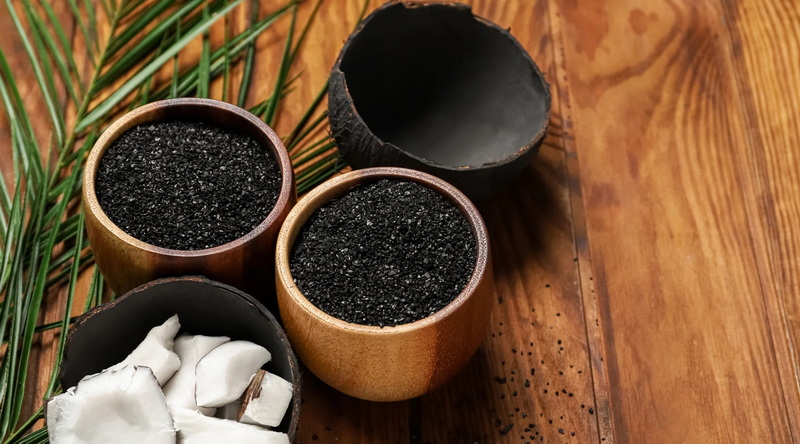
Activated carbon is a highly porous adsorbent made from coal, coconut shell, wood, or biomass that has been carbonized and “activated” to create a huge internal surface area. The internal pore network provides millions of adsorption sites where gas molecules such as CO2 can be physically trapped on the carbon surface.[5][6][3][4]
- In CO2 applications, activated carbon is valued for its tunable pore structure, chemical stability, and regenerability through pressure or temperature changes.[7][4]
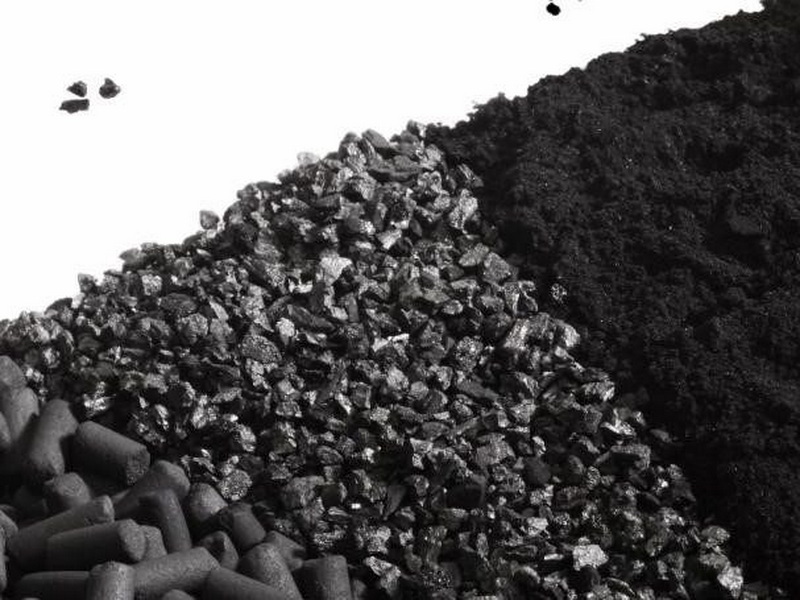
- Industrial producers can tailor activated carbon particle size (pellets, granular, powder), pore size distribution, and surface chemistry to match specific CO2 removal needs in flue gas, natural gas, or hydrogen purification.[3][8]
In many projects, customized activated carbon grades are designed for water treatment, air and gas purification, food and beverage, chemical, and pharmaceutical processes, with dedicated formulations for CO2 and trace gas control.[4][3]
Does Activated Charcoal Absorb CO2?
CO2 adsorption on activated carbon
Yes, activated carbon can absorb CO2 efficiently through a process called physisorption, where CO2 molecules are attracted to the carbon surface by van der Waals forces without forming strong chemical bonds. This physical adsorption is favored in narrow micropores, where the confinement effect increases the interaction between CO2 and the activated carbon surface.[6][9][5]
- Research on biomass‑derived activated carbon has reported CO2 capacities up to about 4–7 mmol/g under optimized conditions (around 25 °C at several bar), showing that high‑surface‑area activated carbon can be competitive with other sorbents.[10][3]
- Studies on olive‑waste activated carbon and similar materials show that CO2 uptake increases with pressure and is significantly influenced by temperature and pore structure.[11][1]
From a practical perspective, this means high‑quality activated carbon can play a real role in capturing CO2 from process gases, but performance depends strongly on the detailed design of the activated carbon and the operating conditions.[7][4]
How Does Activated Carbon Capture CO2?
Role of pore structure and surface area
The most important factor for CO2 adsorption is the microporous structure of the activated carbon, typically pores smaller than 2 nm that fit CO2 molecules closely. Activated carbon samples with a well‑developed network of narrow micropores show much higher CO2 uptake than carbons dominated by large mesopores or macropores.[5][6][4]
- When CO2 enters these micropores, multilayer adsorption can form, creating two to four layers of CO2 under favorable pressure and temperature conditions on the activated carbon surface.[9]
- KOH‑ or ZnCl2‑activated carbons, as well as carbons produced from biomass under optimized activation conditions, often achieve very high surface areas and microporosity that are ideal for CO2 capture.[10][3]
Because of this, many modern CO2 capture studies focus on optimizing activated carbon pore size distribution rather than only increasing total BET surface area.[3][4]
Surface chemistry and functionalization
While pure activated carbon mainly relies on physical adsorption, adding basic or amine groups to the activated carbon surface can improve CO2 uptake and selectivity.[12][5]
- Amine‑functionalized activated carbon combines physisorption with chemisorption, where CO2 reacts with amine groups to form more stable species, greatly increasing capacity at lower CO2 partial pressures, such as in flue gas or even air.[12][5]
- Impregnation with basic materials such as potassium carbonate (K2CO3) or related compounds on activated carbon can also enhance CO2 adsorption through acid–base interactions, especially under low‑pressure, low‑concentration conditions.[5][12]
This type of advanced activated carbon is now being explored for direct air capture and other low‑concentration CO2 applications, where standard activated carbon alone may not be sufficient.[7][5]
Activated Carbon For Industrial CO2 Removal
Pressure swing adsorption (PSA) and CO2
One of the most important industrial uses of activated carbon for CO2 control is in pressure swing adsorption systems for gas purification. PSA uses beds packed with activated carbon (and sometimes other adsorbents) to selectively adsorb CO2 at high pressure and then desorb it at low pressure.[2][13][8]
- In hydrogen production, PSA units filled with activated carbon and other adsorbents remove CO2, CO, CH4, and H2O while allowing hydrogen to pass through, producing hydrogen purities above 99.9%.[2]
- In natural gas treatment, cyclic PSA processes with multiple beds packed with activated carbon can capture CO2 from methane streams, with separate adsorption and desorption steps enabling continuous operation.[13][8]
Because activated carbon shows moderate adsorption strength for CO2 compared with some zeolites, it is often easier to regenerate and may show better stability in the presence of moisture or higher temperatures.[1][4]
Flue gas and post‑combustion capture
Activated carbon is also investigated and applied as a sorbent for post‑combustion CO2 capture from flue gas. In these systems, flue gas contacts packed or fluidized beds of activated carbon, and CO2 is adsorbed before the gas is released to the atmosphere.[4][3][7]
- Studies demonstrate that with optimized pore structure and surface chemistry, activated carbon can achieve substantial CO2 capture from flue gases at near‑ambient temperature, especially at elevated CO2 partial pressure.[3][7]
- Compared with liquid solvents, activated carbon‑based systems avoid corrosion and solvent degradation, and they can potentially reduce energy penalties through lower regeneration heat requirements.[4][7]
However, for very large‑scale power plant capture at low CO2 costs, activated carbon still competes with amine scrubbing, zeolites, and emerging solid sorbents, and system design is critical.[14][12]
Advantages And Limitations Of Activated Carbon For CO2
Key advantages of activated carbon
Activated carbon offers several important advantages for CO2 capture and gas purification.[3][4]
- Wide raw material base, including coal, coconut shell, and many renewable biomass sources, allowing low‑cost, sustainable activated carbon production.[10][3]
- High surface area and tunable microporous structure enabling good CO2 uptake and fast adsorption kinetics in well‑designed activated carbon grades.[6][9]
- Good mechanical strength, thermal stability, and resistance to many contaminants, making activated carbon suitable for repeated PSA cycles and harsh industrial environments.[4][3]
- Easier regeneration than some high‑energy chemisorption systems, especially when CO2 is removed by pressure swing or modest heating, extending activated carbon service life.[8][1]
These properties make activated carbon a practical, field‑proven adsorbent for many CO2 removal tasks, especially in hydrogen, natural gas, and specialty gas purification.[13][2]
Limitations and challenges
Despite its strengths, activated carbon is not a universal CO2 solution for every scenario.[14][12]
- At very low CO2 concentrations, such as direct air capture, unmodified activated carbon often shows limited capacity and selectivity compared with advanced sorbents or heavily functionalized carbons.[5][7]
- Zeolite 13X and some metal–organic frameworks may outperform standard activated carbon in CO2 selectivity under certain conditions, though they can be more sensitive to moisture and more difficult to regenerate.[12][14]
- Activated carbon performance can drop in the presence of high humidity, competing gases, or contaminants that block pores, requiring careful upstream treatment or periodic reactivation.[3][4]
For optimal results, engineers typically combine activated carbon with other technologies, such as membranes, chemical solvents, or hybrid adsorbents, rather than relying on a single activated carbon step for deep decarbonization.[8][12]
Conclusion
Activated carbon does absorb CO2 effectively, especially when the material is engineered with a highly microporous structure and operated under suitable pressure and temperature. Modern research and industrial practice show that biomass‑derived activated carbon, functionalized activated carbon, and PSA systems can capture significant amounts of CO2 from flue gas, natural gas, and hydrogen streams with good regenerability.[6][2][13][10][5][3]
At the same time, activated carbon is not a stand‑alone answer to all climate and decarbonization challenges: performance depends on gas composition, humidity, and process design, and other sorbents may be preferred in some cases. For global industrial users, the most effective strategy is to work with experienced activated carbon manufacturers who can tailor activated carbon products and system designs to specific CO2 removal, water treatment, air and gas purification, food and beverage, chemical, and pharmaceutical needs.[14][12][3][4]
FAQ – Does Activated Charcoal Absorb CO2?
1) How well does activated carbon absorb CO2 compared with other sorbents?
Activated carbon typically offers moderate to high CO2 adsorption capacity, with optimized samples reaching several mmol/g under favorable pressure and temperature. Zeolites and some advanced materials can show higher selectivity, but activated carbon often wins on moisture tolerance, mechanical strength, and regeneration costs.[14][10][12][3]
2) Can activated carbon capture CO2 directly from air?
Standard activated carbon alone usually has limited capacity for direct air capture because atmospheric CO2 concentration is low and competing gases and humidity reduce adsorption efficiency. Functionalized activated carbon with amines or basic groups can significantly improve CO2 uptake from air, and such materials are being developed for next‑generation capture systems.[7][12][5]
3) Is activated carbon used in pressure swing adsorption systems for CO2 removal?
Yes, activated carbon is widely used as an adsorbent in PSA systems for removing CO2 and other impurities from hydrogen, natural gas, and other process gases. In these systems, multiple beds packed with activated carbon cycle between adsorption at high pressure and desorption at low pressure to produce continuous streams of purified gas and CO2‑rich off‑gas.[2][13][8]
4) Does humidity affect CO2 adsorption on activated carbon?
Water vapor competes with CO2 for adsorption sites and may partially block micropores, reducing effective CO2 capacity on activated carbon. Many industrial systems include pretreatment steps or operate under conditions that manage moisture to maintain activated carbon performance for CO2 capture.[8][7][3][4]
5) Can activated carbon for CO2 capture be made from biomass?
Yes, many recent studies have shown that biomass‑derived activated carbon from residues like sugar beet pulp, olive waste, and other agricultural by‑products can achieve high CO2 adsorption capacity when properly activated. This approach provides sustainable, lower‑cost activated carbon for CO2 capture while also adding value to agricultural waste streams.[10][3][4]
Citations:
[1](https://pubs.acs.org/doi/10.1021/acsomega.3c02476)
[2](https://www.apexgasgenerators.com/post/pressure-swing-adsorption-for-co-removal-from-hydrogen-enabling-a-clean-energy-future)
[3](https://pmc.ncbi.nlm.nih.gov/articles/PMC11409178/)
[4](https://www.sciencedirect.com/science/article/abs/pii/S001623612502246X)
[5](https://urfjournals.org/open-access/activated-carbons-for-direct-air-capture-adsorption-mechanisms-material-design-and-performance-optimization.pdf)
[6](https://pubs.acs.org/doi/10.1021/acsomega.0c00342)
[7](https://pmc.ncbi.nlm.nih.gov/articles/PMC10694831/)
[8](https://www.sciencedirect.com/science/article/pii/S1876610217315382)
[9](https://www.nature.com/articles/s41598-025-22526-w)
[10](https://www.sciencedirect.com/science/article/abs/pii/S2213343725030684)
[11](https://www.nature.com/articles/s41598-025-16088-0)
[12](https://scijournals.onlinelibrary.wiley.com/doi/10.1002/ghg.2051)
[13](https://pubmed.ncbi.nlm.nih.gov/37019408/)
[14](https://scholarcommons.sc.edu/cgi/viewcontent.cgi?article=4556&context=etd)
[15](https://www.perplexity.ai/search/9b2774ef-356e-4f47-993e-a6334dd93464)
[16](https://www.sciencedirect.com/science/article/pii/S2212982024000519)


