Content Menu
● What Are Plant Nutrients?
● How Activated Carbon Works
● Does Activated Carbon Remove Plant Nutrients in Aquariums?
>> Main nutrient ions
>> Micronutrients and chelated nutrients
>> Indirect effects on plant growth
● Does Activated Carbon Remove Plant Nutrients in Hydroponics?
>> Interaction with nutrient solutions
>> Practical recommendations for hydroponic growers
● Does Activated Carbon Remove Soil Nutrients?
>> Nutrient retention and loss rates
>> Activated carbon biochar and micronutrients
● When Can Activated Carbon Negatively Affect Plant Nutrition?
● Best Practices: Using Activated Carbon Without Starving Plants
● How Your Activated Carbon Products Fit
● Conclusion
● FAQ
>> (1) Does activated carbon remove all fertilizers from planted aquariums?
>> (2) Can activated carbon cause iron deficiency in plants?
>> (3) Is activated carbon safe to use in hydroponic systems?
>> (4) How does activated carbon affect soil nutrients?
>> (5) Should I avoid activated carbon if I want maximum plant growth?
● Citations:
Activated carbon does not completely strip plant nutrients from water or soil, but it can interact with some nutrient forms and organic compounds in ways that slightly change nutrient availability. In real aquariums, hydroponic systems, and soils, activated carbon is usually more important for removing organic contaminants and improving water quality than for directly removing core plant nutrients like nitrate, phosphate, and potassium.[1][2][3][4]
What Are Plant Nutrients?
Plant nutrients include the essential elements that plants need for growth, divided into macronutrients and micronutrients.[3]
- Macronutrients: nitrogen (N), phosphorus (P), potassium (K), calcium (Ca), magnesium (Mg), sulfur (S).[3]
- Micronutrients: iron (Fe), manganese (Mn), zinc (Zn), copper (Cu), boron (B), molybdenum (Mo) and others.[5]
In water, hydroponic solution or aquarium fertilizer, many plant nutrients exist as small dissolved ions such as nitrate \(NO_3^-\), ammonium \(NH_4^+\), phosphate \(PO_4^{3-}\), potassium \(K^+\), calcium \(Ca^{2+}\), and magnesium \(Mg^{2+}\). These ionic forms are usually very mobile and are the main species that roots or aquatic plants absorb for growth.[2][3]
How Activated Carbon Works
Activated carbon is a highly porous form of carbon with a huge internal surface area that adsorbs dissolved molecules onto its surface.[6][2]
- The porous structure captures dissolved organic compounds, color bodies, odors and many trace contaminants.[1][2]
- Adsorption is mainly a surface phenomenon driven by physical forces and, in some cases, chemical interactions between activated carbon and dissolved species.[7][3]
In water treatment, aquariums, hydroponics and industrial systems, activated carbon is widely used to:
- Remove dissolved organic matter (DOM), tannins and color.[2][1]
- Remove many organic micropollutants such as pharmaceuticals and pesticides.[8][1]
- Polish water, improve taste and remove off‑odors.[1][2]
Because of these properties, activated carbon is more selective for larger or more complex organic molecules than for small inorganic nutrient ions.[2][1]
Does Activated Carbon Remove Plant Nutrients in Aquariums?
In planted aquariums, a common concern is that activated carbon might remove fertilizers and starve plants. Practical experience and technical explanations show a more nuanced picture.[9][1]
Main nutrient ions
Most aquarium fertilizers supply macronutrients as small ions such as nitrate, phosphate and potassium, which activated carbon does not efficiently remove in typical aquarium use.[1][2]
- Sources focused on planted tanks note that activated carbon mainly targets larger organic molecules and “will not remove most fertilizers in a planted aquarium” because these nutrient molecules are too small or too ionic.[2][1]
- Fertilizer ions like potassium, nitrogen and phosphorus are described as ionic materials that are generally not stripped out by standard activated carbon media.[2]
The result is that normal use of activated carbon in a planted tank usually has little direct effect on nitrate, phosphate and potassium levels compared with plant uptake and water changes.[10][2]
Micronutrients and chelated nutrients
The situation is slightly different for some chelated micronutrients, particularly iron.[11][5]
- Aquarium and aquascaping sources indicate that activated carbon can adsorb some chelated iron, which is an important micronutrient for plant growth.[5][11]
- Over time, continuous use of large amounts of activated carbon could contribute to mild iron deficiency in sensitive planted systems if fertilization is not adjusted.[5]
However, many practical hobby guides and discussions also emphasize that the total amount of nutrients removed by activated carbon is often far less than the amount consumed by plants. In other words, activated carbon is not the main reason for nutrient shortages in a well‑managed planted tank.[10][2]
Indirect effects on plant growth
Activated carbon can indirectly influence plant growth in aquariums:
- It removes dissolved organic carbon (DOC) and tannins that can slightly acidify water or affect light penetration, which may change growth conditions.[9][1][2]
- It improves water clarity, which can increase light availability to aquatic plants and improve photosynthesis if other conditions are favorable.[5][1]
In summary, in a planted aquarium, activated carbon is generally safe for plant nutrients when used in reasonable amounts, though it may reduce some chelated micronutrients and organic fertilizer components at the margin.[1][5]
Does Activated Carbon Remove Plant Nutrients in Hydroponics?
Hydroponic systems rely entirely on nutrient solutions, so growers are understandably cautious about using activated carbon.[12][8]
Interaction with nutrient solutions
Research and practical experience suggest that the behavior of activated carbon in hydroponics depends on how and where it is used.[8][12]
- Studies on using activated carbon to process human urine show that activated carbon can adsorb organic nitrogen and other compounds that later desorb and become nutrients in a prepared hydroponic solution.[8]
- In controlled systems, activated carbon is sometimes used upstream to remove unwanted organics, pharmaceuticals or off‑odors from reclaimed nutrient sources while preserving or re‑releasing essential nutrient ions.[12][8]
When activated carbon is placed continuously in the recirculating nutrient loop, there is some potential for interaction with chelated micronutrients and certain organic additives, similar to aquariums.[12][5]
- High‑quality activated carbon filters in hydroponic or controlled‑environment agriculture are usually positioned in the water treatment stage to clean input water, not inside the nutrient reservoir.[12]
- This layout allows activated carbon to remove undesirable organics and chlorine/chloramine before nutrients are dosed, minimizing any direct loss of fertilizers.[12]
Practical recommendations for hydroponic growers
To keep nutrient balance stable while still benefiting from activated carbon:
- Use activated carbon to treat source water before nutrients are added, especially if water contains chlorine, organic contaminants or off‑odors.[6][12]
- Avoid large amounts of fresh activated carbon directly in the nutrient tank if relying heavily on chelated micronutrients and organic additives, or compensate with slightly higher dosing and monitoring.[5][12]
When used correctly, activated carbon supports hydroponic performance by removing toxins and residues that would otherwise disrupt nutrient uptake and root health.[8][12]
Does Activated Carbon Remove Soil Nutrients?
In soils and engineered growing media, activated carbon and activated‑carbon‑based biochar can actually help retain plant nutrients and reduce leaching rather than simply removing nutrients.[13][3]
Nutrient retention and loss rates
A study on vegetation concrete systems found that adding activated carbon increased the content of nitrate nitrogen, ammonium nitrogen, available phosphorus and potassium in the substrate compared with control samples.[3]
- Nutrient loss rates of nitrate, ammonium and available phosphorus decreased as the proportion of activated carbon increased.[3]
- The decrease in nutrient loss was more pronounced for nitrogen and phosphorus indicators than for potassium, reflecting differences in adsorption mechanisms.[3]
In that research, the adsorption of nitrate, ammonium and phosphate on activated carbon behaved mainly as chemical monolayer adsorption, whereas potassium was held more by physical multilayer adsorption. This indicates that activated carbon can temporarily bind nutrient ions and reduce their immediate leaching while still participating in a dynamic exchange with soil solution.[3]
Activated carbon biochar and micronutrients
Activated carbon‑based biochar used in contaminated soils has shown benefits beyond pollutant removal.[13]
- Biochar can sorb heavy metals such as cadmium and nickel, lowering their mobility and toxicity to plants.[13]
- At the same time, activated carbon biochar can release essential micronutrients contained in its structure and improve soil fertility through its high cation‑exchange capacity and porous structure.[13]
Under metal stress, biochar application was associated with higher chlorophyll content, photosynthetic rate, biomass and improved plant physiological parameters, indicating that nutrient availability and plant health improved despite the presence of contaminants.[13]
Overall, in soils and engineered media, activated carbon tends to act more as a nutrient buffer and retention aid than as a permanent sink that deprives plants of essential elements.[13][3]
When Can Activated Carbon Negatively Affect Plant Nutrition?
Although activated carbon is generally compatible with plant nutrients, some specific situations deserve attention:
- Continuous, heavy use of activated carbon in systems relying heavily on chelated micronutrients (especially iron) may lead to subtle deficiencies if dosing is not adjusted.[11][5]
- In small, closed aquarium or hydroponic systems, large amounts of very fresh activated carbon media could temporarily absorb some organic fertilizer components or trace elements until equilibrium is reached.[5][12]
In practice, these issues are usually manageable by:
- Monitoring plant color and growth for signs of micronutrient deficiency, such as iron‑deficiency chlorosis.[5]
- Adjusting dosing or using slightly higher micronutrient levels when activated carbon is used continuously.[12][5]
Most mainstream aquarium and soil sources agree that the nutrient removal effect of activated carbon is often overestimated compared with plant uptake and other system factors.[10][1][2]
Best Practices: Using Activated Carbon Without Starving Plants
To get the benefits of activated carbon while maintaining strong plant growth:
- Use activated carbon primarily to remove unwanted organics, odors, tannins and trace contaminants from water.[1][2]
- In planted aquariums, run activated carbon as a polishing step but rely on consistent fertilizer dosing and CO₂ management for plant growth, and watch iron and other micronutrients if carbon is used long‑term.[9][1][5]
In hydroponics and controlled‑environment agriculture:
- Place activated carbon filters on the source‑water line rather than directly in the nutrient reservoir.[12]
- Use activated carbon or activated‑carbon biochar in substrates to improve nutrient retention and reduce leaching, especially for nitrate, ammonium and phosphate.[3][13]
In soils and vegetation concrete:
- Consider activated carbon additions when both contaminant immobilization and nutrient retention are needed, knowing that nutrient loss rates can decrease while plant growth parameters improve.[13][3]
How Your Activated Carbon Products Fit
For industrial buyers in water treatment, agriculture, controlled‑environment farming, and environmental restoration, high‑quality activated carbon is a versatile tool for balancing contaminant control and nutrient availability.
- Tailored activated carbon grades and particle sizes can be selected to focus on organic pollutants, odor and color removal while maintaining essential plant nutrients in water and soil.[4][2]
- In rain gardens and green infrastructure, activated carbon layers are being studied as promising materials for removing excess nutrients (especially nitrogen and phosphorus) from runoff while supporting healthy vegetation.[4]
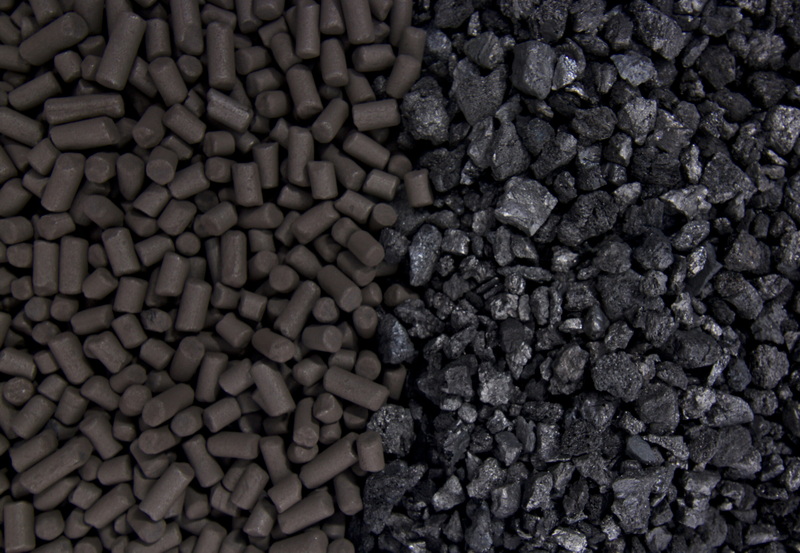
A professional activated carbon manufacturer and exporter can work with engineers and agronomists to customize pore structure, surface chemistry and product format (powder, granular, pellets, or biochar‑type materials) to fit specific plant‑related applications.
Conclusion
Activated carbon does not typically remove all plant nutrients from water or soil; instead, it mainly adsorbs larger organic molecules, off‑odors, tannins and many pollutants, while leaving most core fertilizer ions like nitrate, phosphate and potassium largely available in normal aquarium and hydroponic practice. Some chelated micronutrients, especially iron, and certain organic additives can be partially adsorbed, so continuous heavy use of activated carbon may require minor adjustments to fertilization to avoid trace deficiencies.[11][2][1][3][5]
In soils and engineered substrates, activated carbon and activated‑carbon biochar often improve nutrient retention and reduce leaching, supporting better plant growth even in contaminated environments. When designed and applied correctly, activated carbon becomes a powerful component of integrated water treatment, agriculture and environmental systems that protects plants from contaminants while keeping essential nutrients available.[3][13]
FAQ
(1) Does activated carbon remove all fertilizers from planted aquariums?
No, activated carbon does not remove all fertilizers from planted aquariums, and most macronutrient ions like nitrate, phosphate and potassium remain available to plants. Activated carbon primarily targets larger organic molecules, tannins, odors and some medication residues rather than the small inorganic ions that make up most aquarium fertilizers.[2][1]
(2) Can activated carbon cause iron deficiency in plants?
Activated carbon can adsorb some chelated iron, so continuous heavy use may contribute to mild iron deficiency if fertilization is not adjusted. Aquascaping sources recommend monitoring leaf color and, if necessary, slightly increasing iron dosing or reducing long‑term reliance on large amounts of fresh activated carbon.[11][5]
(3) Is activated carbon safe to use in hydroponic systems?
Activated carbon is safe for hydroponics when used correctly, especially for cleaning source water or reclaimed nutrient sources before nutrients are added. To avoid unnecessary adsorption of chelated micronutrients or organic additives, many growers keep activated carbon outside the main nutrient reservoir and rely on it mainly as a pre‑treatment step.[8][12]
(4) How does activated carbon affect soil nutrients?
In soils and vegetation concrete, activated carbon and activated‑carbon biochar can increase nutrient retention and significantly reduce loss rates of nitrate, ammonium and available phosphorus. These materials also immobilize heavy metals and can release some essential micronutrients, which improves plant physiological performance and growth under stress.[13][3]
(5) Should I avoid activated carbon if I want maximum plant growth?
There is no need to completely avoid activated carbon; instead, it should be integrated thoughtfully into the system design. Using activated carbon for water polishing and contaminant removal while maintaining proper fertilizer dosing and monitoring micronutrients allows both strong plant growth and clean, stable water or soil environments.[1][5][12][3]
Citations:
[1](https://www.2hraquarist.com/blogs/filters-overview/what-about-water-polishers)
[2](https://aquariumscience.org/index.php/7-4-2-activated-carbon/)
[3](https://www.nature.com/articles/s41598-020-71440-w)
[4](https://pmc.ncbi.nlm.nih.gov/articles/PMC12566027/)
[5](https://www.aquascapeguide.com/post/should-you-use-activated-carbon-in-your-planted-tank-a-balancing-act)
[6](https://www.sybotanica.com/blogs/soil/activated-carbon-faq)
[7](https://www.sciencedirect.com/science/article/abs/pii/S0165237022004260)
[8](https://www.sciencedirect.com/science/article/abs/pii/S2352186421003564)
[9](https://www.ukaps.org/forum/threads/does-the-charcoal-in-my-filter-take-the-fertiliser-out-of-the-water.31714/)
[10](https://www.reddit.com/r/PlantedTank/comments/z3ow8z/does_activated_carbon_remove_macro_nutrients/)
[11](https://www.facebook.com/groups/320106974244685/posts/725228117065900/)
[12](https://www.everfilt.com/post/next-gen-irrigation-why-activated-carbon-filtration-is-amazing-for-farming-cannabis-beyond)
[13](https://pubs.acs.org/doi/10.1021/acsomega.3c01573)
[14](https://www.reddit.com/r/PlantedTank/comments/18w4qy3/will_carbon_remove_fertilizer/)
[15](https://www.facebook.com/groups/342068286211749/posts/2190904884661404/)


