Content Menu
● What ozone is and why it matters
● How activated carbon removes ozone
● Evidence: how effective is activated carbon for ozone removal?
● Activated carbon and ozone in air treatment
>> Ozone removal in indoor air
>> Industrial air scrubbers and ozone
● Activated carbon for ozone removal in water
>> Post‑ozone water polishing
>> Biologically activated carbon and ozone
● How ozone changes activated carbon
● Typical activated carbon types for ozone removal
● Key design factors for activated carbon ozone systems
>> For air and gas
>> For water
● When is activated carbon the right choice for ozone removal?
● Limitations and maintenance of activated carbon in ozone service
● Conclusion
● FAQ: Does Activated Carbon Remove Ozone?
>> 1. How does activated carbon actually remove ozone?
>> 2. How efficient are activated carbon filters for ozone in real buildings?
>> 3. Can activated carbon remove residual ozone from drinking water?
>> 4. Does ozone damage or exhaust the activated carbon?
>> 5. Should ozone removal use only activated carbon or also other technologies?
● Citations:
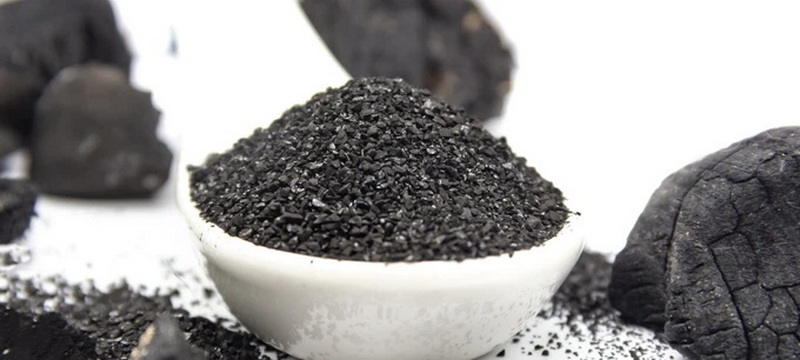
Activated carbon can effectively remove ozone from air and water by adsorbing ozone onto its surface and reacting it into oxygen and surface oxygen groups. In real applications, activated carbon is widely used in ozone destruct filters, post‑ozone water treatment, and commercial air purifiers to protect people, equipment, and products from residual ozone.[1][2][3][4]
What ozone is and why it matters
Ozone (O₃) is a highly reactive gas formed by photochemical reactions in the lower atmosphere and by artificial ozone generators used for disinfection and oxidation. At high levels, ozone is a strong lung irritant and can damage building materials, electronic components, rubber, and sensitive industrial products.[5][4][1]
- Outdoor ozone is a regulated air pollutant linked to asthma exacerbation and other respiratory problems.
- In industry, ozone is intentionally produced for advanced oxidation in water and air, but any residual ozone must be safely removed before discharge or human exposure.[3][6]
For these reasons, engineers often integrate activated carbon into ozone removal or ozone polishing stages in both air and water systems.[1][3]
How activated carbon removes ozone
Activated carbon removes ozone through a combination of physical adsorption and surface reactions that transform ozone into less reactive species.[7][8]
- The extremely large internal surface area and porous structure of activated carbon provide abundant active sites where ozone molecules can be captured.[9][7]
- Once adsorbed, ozone reacts with surface functional groups on the activated carbon, decomposing into oxygen and forming oxygen‑containing surface species.[8][7]
Studies on carbon‑based filters show two main mechanisms for ozone removal:
1. Rapid transformation of ozone into oxygen‑containing surface species on the activated carbon surface.
2. Slower reactions in which the surface becomes progressively oxidized and the reaction pathways change over time.[7]
Research on ozone–carbon interaction also indicates that basic activated carbon with appropriate surface groups can efficiently transform ozone into hydroxyl radicals, which is important for advanced oxidation processes.[10][8]
Evidence: how effective is activated carbon for ozone removal?
Multiple experimental studies have quantified ozone removal by filters or beds containing activated carbon.[2][1]
- A pilot study in a commercial building found that filter banks with prefilters containing activated carbon removed about 60–70% of ozone 67–81 days after installation, while similar filters without activated carbon showed negligible ozone removal.[1]
- Laboratory evaluation of commercial activated carbon filters at low ambient ozone levels (around 120 ppb) showed initial removal efficiencies from about 5% up to more than 98%, depending on carbon type, thickness, and configuration.[2]
These results confirm that:
- Properly designed activated carbon filters can be very effective at ozone removal, even at low ppb concentrations typical of indoor environments.
- Ozone removal efficiency declines over time as the activated carbon surface is oxidized and consumed, so periodic replacement or reactivation is essential.[2][1]
Activated carbon and ozone in air treatment
Ozone removal in indoor air
In homes, offices, laboratories, and cleanrooms, activated carbon filters are widely used to capture ozone and other reactive gases.[11][2]
- Carbon‑based molecular filters are engineered to remove odors, VOCs, acid gases, nitrogen oxides, sulfur oxides, and ozone from indoor air.[12][11]
- Commercial guidance for indoor air quality highlights activated carbon as one of the most effective tools for reducing ozone in recirculating systems and portable air purifiers.[13][4]
Manufacturers and independent sources note that:
- Carbon filters can trap ozone efficiently, but ozone also gradually degrades the activated carbon, so filters have a finite useful life.[14][2]
- High‑capacity V‑bank or cassette filters filled with activated carbon are used in commercial HVAC systems to maintain low ozone levels in high‑occupancy or sensitive environments.[11][12]
Industrial air scrubbers and ozone
Industrial air treatment systems use activated carbon to capture a wide range of toxic and nuisance gases, and ozone is often among the target contaminants.[15][11]
- Large‑scale carbon air scrubbers are designed to remove gaseous pollutants from petrochemical plants, manufacturing operations, and chemical processing facilities.[15]
- Some commercial carbon air purification systems specifically list ozone among the gases they can remove, along with VOCs and corrosive gases.[11]
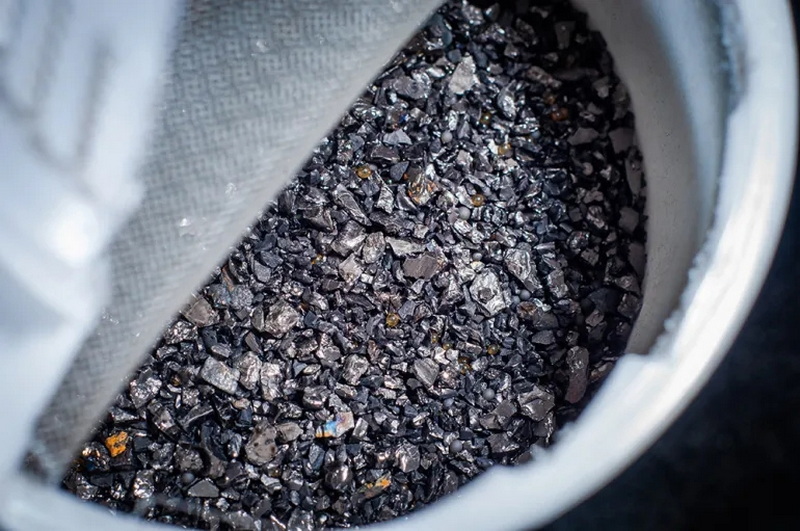
In addition, dedicated ozone destruct units frequently use beds of granular activated carbon to treat ozone‑rich off‑gas from ozone generators and reactors, especially when moderate temperatures and simple operation are required.[16][17]
Activated carbon for ozone removal in water
Ozone is widely used in water treatment to disinfect and oxidize organic and inorganic contaminants, but residual ozone must be removed before water enters distribution systems, beverage lines, or sensitive processes.[6][3]
Post‑ozone water polishing
After ozonation, water is commonly passed through activated carbon filters for several reasons.[3][6]
- Activated carbon adsorbs and neutralizes residual dissolved ozone, protecting downstream equipment and preventing taste or odor issues.[17][3]
- In bottled water production, activated carbon filters are used to remove remaining ozone before filling, ensuring the product does not retain ozone‑related taste or odor.[3]
Both coal‑based activated carbon and coconut shell granular activated carbon are used to remove ozone from water, with selection depending on contact time, pressure drop, and regulatory requirements.[17]
Biologically activated carbon and ozone
When ozone and activated carbon are combined, they create powerful integrated treatment solutions.[6][10]
- Ozone pre‑treatment breaks down complex organic matter into more biodegradable fragments, which can then be removed more effectively in biologically activated carbon (BAC) filters.[10][6]
- This synergy improves removal of dissolved organic matter, reduces downstream disinfection by‑products, and extends the life of the activated carbon media.[6][10]
In such systems, activated carbon plays a dual role: it helps remove residual ozone and supports the growth of beneficial biofilms that polish the water biologically.[6]
How ozone changes activated carbon
Ozone is a powerful oxidant and does not simply disappear on activated carbon; it modifies the activated carbon surface.[18][8][9]
- Ozone treatment of activated carbon increases the number of surface oxygen functional groups and can enlarge pore sizes or create new micropores.[18]
- At the same time, long‑term exposure to ozone can permanently change the composition of the activated carbon and reduce its surface area, which lowers adsorption capacity for other contaminants.[18][2]
Research shows that:
- Ozone‑treated activated carbon can exhibit improved adsorption of some volatile organic compounds, depending on the balance between increased polarity and any loss of micropore volume.[10][18]
- The interaction of ozone with specific nitrogen‑containing surface groups (such as pyrrolic groups) can increase the formation of reactive species like superoxide and hydroxyl radicals, which is beneficial in advanced oxidation but also contributes to carbon consumption.[8]
From a practical standpoint, this means every ozone removal design with activated carbon must consider media life, oxidation effects, and regeneration or replacement cycles.[1][2]
Typical activated carbon types for ozone removal
Not all activated carbon products perform the same in ozone service, so media selection matters.[16][17][2]
Common options include:
- Coal‑based granular activated carbon with high hardness and optimized pore size distribution for gas‑phase ozone removal in air destruct units.[16][17]
- Coconut shell granular activated carbon with high micropore volume for ozone removal in water, especially in bottled water and beverage applications.[17]
- Special large‑grain granular activated carbon blends designed for post‑ozone treatment of reactor effluent air and water, as used in marine and industrial ozone systems.[16]
Evaluation of commercial samples found ozone removal efficiencies varying widely, which underlines the importance of choosing engineered activated carbon grades specifically tested for ozone applications.[2]
Key design factors for activated carbon ozone systems
For air and gas
Activated carbon performance for ozone removal in air depends on several practical factors.[4][1][2]
- Face velocity and contact time: Lower face velocity and thicker activated carbon beds generally increase ozone removal efficiency.
- Humidity and temperature: Relative humidity around typical indoor levels (about 50%) can be favorable, but extreme conditions may affect ozone–carbon reactions.[2]
- Filter configuration: Deep‑bed granular activated carbon filters, V‑bank cassettes, or packed beds in destruct units perform differently compared with thin powder‑impregnated mats.[11][2]
In industrial ozone destruct systems, designers may combine activated carbon with catalytic media, heat, or stainless‑steel reactors to guarantee near‑complete ozone destruction at high inlet concentrations.[19][16]
For water
In water applications, activated carbon ozone removal efficiency is influenced by:[3][17][6]
- Contact time: Sufficient empty bed contact time (EBCT) allows dissolved ozone to react fully with the activated carbon.
- Flow pattern: Top‑down drip configurations or well‑designed columns provide more uniform distribution and better contact.[16]
- Integration with upstream ozone dosage: Over‑dosing ozone can shorten activated carbon life, while optimized ozone doses balance disinfection efficiency with carbon consumption.[10][6]
Engineers often integrate activated carbon beds after ozone contact tanks, ensuring that residual ozone is removed before water reaches storage, bottling, or membranes.[3][6]
When is activated carbon the right choice for ozone removal?
Activated carbon is especially attractive for ozone removal in the following situations:[4][1][3]
- Indoor environments where low to moderate ozone levels from outdoors or equipment must be reduced continuously with minimal noise and power consumption.
- Bottled water, beverage, and food applications where residual ozone must be removed before packaging to avoid taste or odor complaints.[3]
- Aquariums and marine systems where ozone reactors are used and off‑gas must be safely treated with activated carbon post‑filters.[16]
- Industrial ozone processes where a simple, passive ozone destruct stage is needed, and the operating conditions are compatible with activated carbon beds.[17][16]
However, for very high ozone concentrations, very high flow rates, or high‑temperature gas streams, catalytic reactors or thermal ozone destruct units may be used either instead of or together with activated carbon.[19][2]
Limitations and maintenance of activated carbon in ozone service
While activated carbon is effective, there are important limitations.[14][1][2]
- Finite capacity: The surface of activated carbon gradually becomes oxidized, and the material loses ozone removal capacity over time; media replacement or reactivation is required.[2]
- Changes in adsorption performance: Ozone‑induced oxidation can alter pore structure and surface chemistry, which may reduce capacity for other contaminants such as VOCs or taste‑and‑odor compounds if the same activated carbon bed is used for multiple purposes.[18][10]
- Potential heat generation: Ozone reactions on activated carbon surfaces are exothermic, so high‑concentration ozone systems must be designed to manage temperature rise safely.[19][8]
Recommended practices include:
- Regular monitoring of ozone levels upstream and downstream of activated carbon beds to detect breakthrough.[1][2]
- Following manufacturer guidance on maximum ozone loading, replacement intervals, and safe handling of spent activated carbon.[2][16]
- Considering professional reactivation services when regulations and economics allow, especially for large industrial systems.[15]
Conclusion
Activated carbon does remove ozone effectively in both air and water systems, thanks to its highly porous structure and reactive surface, which adsorb ozone and convert it into oxygen and surface oxygen groups. From indoor air quality control and HVAC filters to bottled water polishing, ozonated drinking water, marine ozone reactors, and industrial ozone destruct units, properly selected and maintained activated carbon is a proven technology for reliable ozone removal.[8][4][1][3][2][16]
FAQ: Does Activated Carbon Remove Ozone?
1. How does activated carbon actually remove ozone?
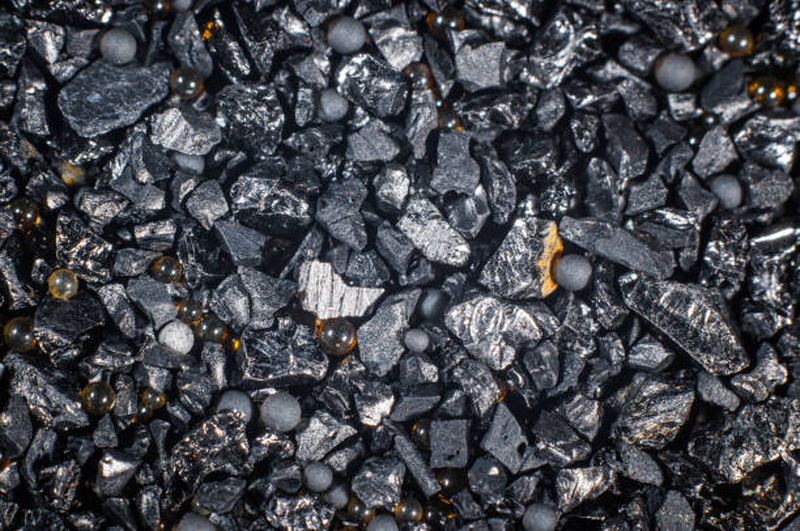
Activated carbon removes ozone mainly by adsorbing ozone molecules onto its porous surface and then promoting chemical reactions that transform ozone into oxygen and surface oxygen functional groups. These reactions occur at active sites within the activated carbon structure, so the overall ozone removal efficiency depends on surface chemistry, pore structure, and contact time.[7][8][18][2]
2. How efficient are activated carbon filters for ozone in real buildings?
Pilot‑scale measurements in commercial buildings have shown that filters with activated carbon prefilters can achieve about 60–70% ozone removal even after two to three months of operation, whereas similar filters without activated carbon remove almost no ozone. Controlled lab tests of commercial activated carbon filters at around 120 ppb ozone reported initial efficiencies ranging from about 5% to over 98%, depending on carbon type, thickness, and air velocity.[1][2]
3. Can activated carbon remove residual ozone from drinking water?
Yes, activated carbon is commonly installed after ozone contactors to remove residual ozone from drinking water and bottled water, preventing ozone‑related tastes and odors. Coal‑based and coconut shell granular activated carbon types are both used, and properly designed activated carbon filters ensure that water entering bottling lines or distribution systems is essentially ozone‑free.[17][3]
4. Does ozone damage or exhaust the activated carbon?
Ozone gradually oxidizes activated carbon, changing its surface functional groups and, over time, decreasing its adsorption capacity and surface area. Because of these chemical changes, activated carbon for ozone removal has a finite service life and must be replaced or reactivated once ozone breakthrough or performance loss is observed.[18][1][2]
5. Should ozone removal use only activated carbon or also other technologies?
For many indoor air and moderate residual ozone applications, activated carbon alone provides sufficient ozone control when properly sized and maintained. In high‑concentration industrial systems or advanced oxidation processes, activated carbon is often combined with catalytic media, pressure‑swing adsorption, or thermal destruct units to maximize safety, efficiency, and energy performance.[19][4][10][1][16]
Citations:
[1](https://www.osti.gov/servlets/purl/1050670)
[2](https://pubmed.ncbi.nlm.nih.gov/10529990/)
[3](https://absoluteozone.com/removal-of-residual-ozone-from-water-importance-and-efficient-methods/)
[4](https://airdogusa.com/blogs/article/how-to-remove-ozone-from-air-a-clear-guide-to-cleaner-indoor-breathing)
[5](https://oransi.com/blogs/blog/air-scrubber-versus-air-purifier)
[6](https://pinnacleozone.com/resources/blogs/integrating-ozone-with-biologically-activated-carbon-for-superior-results/)
[7](https://www.sciencedirect.com/science/article/abs/pii/S0360132322003948)
[8](https://pubmed.ncbi.nlm.nih.gov/16005933/)
[9](https://www.nature.com/articles/s41598-019-56668-5)
[10](https://www.sciencedirect.com/science/article/pii/S0301479723023253)
[11](https://www.iso-aire.com/carbon-air-purifiers-odor-elimination)
[12](https://www.camfil.com/en-us/products/molecular-filters/media/activated-carbon)
[13](https://www.breathenaturally.com/blogs/faq/activated-carbon-filters)
[14](https://www.reddit.com/r/AirQuality/comments/118i1f7/is_there_any_practical_way_to_filter_ozone_at/)
[15](https://www.calgoncarbon.com/industrial-air-treatment/)
[16](https://www.avastmarine.com/products/ozone-postfilter-carbon-refill)
[17](https://heycarbons.com/activated-carbon-for-ozone-removal/)
[18](https://www.sciencedirect.com/science/article/abs/pii/S0045653501002168)
[19](https://www.tandfonline.com/doi/full/10.1080/01919512.2020.1749556)
[20](https://pmc.ncbi.nlm.nih.gov/articles/PMC2614278/)


