Content Menu
● What Is Chloramine and Why It Matters
● How Activated Carbon Removes Chloramine
● Standard Activated Carbon vs Catalytic Carbon
>> Key Differences
● How Effective Is Activated Carbon for Chloramine?
● Why Contact Time and Bed Design Matter
● Limitations of Activated Carbon for Chloramine
● Factors Affecting Chloramine Removal by Activated Carbon
● Typical Applications of Activated Carbon for Chloramine Removal
● Industrial Use Cases for Chloramine Removal
● Granular Activated Carbon vs Carbon Block for Chloramine
● Maintenance and Replacement of Activated Carbon Media
● Practical Design Tips for Using Activated Carbon to Remove Chloramine
● Conclusion
● FAQ – Does Activated Carbon Remove Chloramine?
>> 1. Does standard activated carbon remove chloramine?
>> 2. Is catalytic activated carbon better for chloramine removal?
>> 3. How much contact time does activated carbon need to remove chloramine?
>> 4. Does activated carbon remove the ammonia from chloramine?
>> 5. Can a small under‑sink activated carbon filter remove chloramine from tap water?
● Citations:
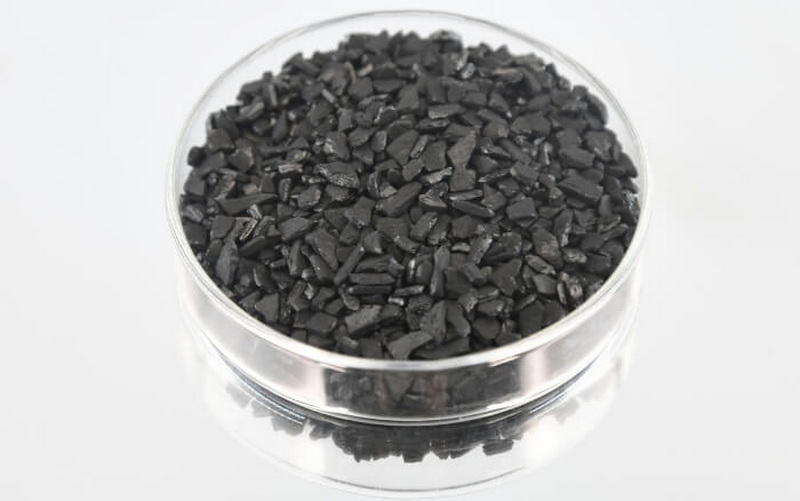
Activated carbon can remove chloramine from water, but standard activated carbon works slowly and often needs long contact time and large filter beds to achieve reliable chloramine reduction. Catalytic activated carbon, or surface‑enhanced activated carbon, is specifically engineered to remove chloramine more efficiently and is now widely used in municipal, residential and industrial water treatment systems.[1][2][3]
What Is Chloramine and Why It Matters
Chloramine is a disinfectant formed by combining chlorine with ammonia, most commonly as monochloramine in drinking water treatment. Many utilities use chloramine instead of free chlorine because it is more stable in distribution systems and forms fewer regulated disinfection by‑products, but it can cause taste, odor and corrosion issues and must be removed for sensitive industrial and residential uses.[4][5][6]
- Monochloramine is the main form used in municipal drinking water networks.[6]
- Chloramine can interfere with brewing, aquariums, dialysis, food processing, and some industrial processes that require low‑chloramine water.[7][8]
How Activated Carbon Removes Chloramine
Activated carbon removes chloramine primarily through a surface catalytic reaction rather than simple physical adsorption, which is different from how activated carbon removes many organic contaminants. In this reaction, chloramine is reduced on the activated carbon surface, producing chloride, nitrogen gas and sometimes ammonia as intermediate products, while the activated carbon surface is gradually oxidized.[9][5][1]
- For free chlorine, granular activated carbon (GAC) dechlorination is fast; chloramine reaction rates are much slower, especially on ordinary GAC.[3][1]
- Surface‑enhanced or catalytic activated carbon adds special reaction sites that accelerate chloramine breakdown and dramatically reduce the required contact time.[2][10][1]
Standard Activated Carbon vs Catalytic Carbon
Standard granular activated carbon can remove chloramine, but its activity is low and needs significantly more empty bed contact time (EBCT) compared with catalytic activated carbon. Catalytic activated carbon is manufactured or treated so its surface chemistry promotes faster chloramine destruction and better overall chloramine removal performance.[10][9][1]
Key Differences
| Feature | Standard activated carbon (GAC) | Catalytic activated carbon / surface‑enhanced GAC |
| Main function | General adsorption, taste and odor improvement. artisanalwatersolutions+1 | High‑rate chloramine and chlorine removal plus taste and odor control. wcponline+1 |
| Chloramine removal speed | Relatively slow; limited monochloramine removal at typical home EBCT. wcponline+2 | Much faster monochloramine removal due to catalytic sites. wcponline+2 |
| Typical EBCT for chloramine | Often around 10 minutes or more recommended. wcponline+1 | Around 3 minutes EBCT can be sufficient in many systems. wcponline+1 |
| Bed volume requirement | Larger beds to achieve long contact time. wcponline+1 | Smaller beds can achieve similar performance, partially offsetting higher media cost. wcponline+1 |
| Applications | Basic whole‑house taste and odor, chlorine removal, VOC reduction. artisanalwatersolutions+1 | Municipal chloraminated water polishing, high‑end residential, dialysis pre‑treatment, aquariums, breweries. wcponline+2 |
How Effective Is Activated Carbon for Chloramine?
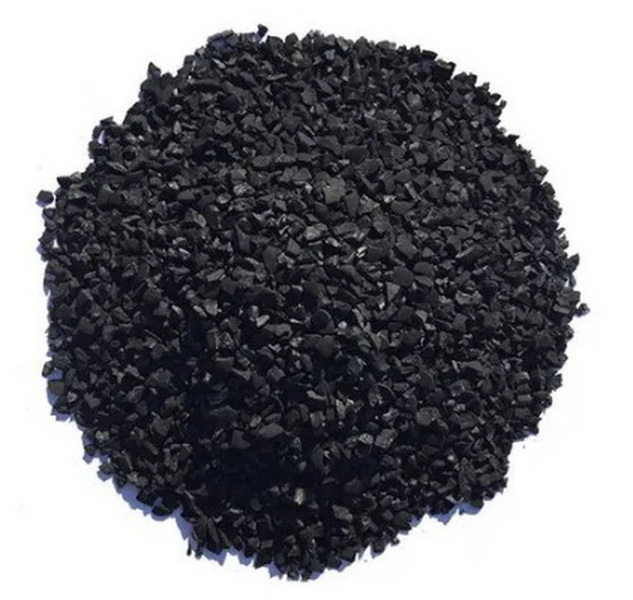
When properly designed, activated carbon systems can reliably reduce chloramine to very low levels, especially when catalytic activated carbon is used. Research and field experience show that chloramine removal capacity varies greatly between activated carbon types, sometimes by an order of magnitude, so selecting the right activated carbon grade is critical.[8][14][1][2]
- Pilot studies and technical reports indicate that surface‑enhanced coconut‑shell activated carbon provides superior monochloramine removal compared to traditional coal‑based GAC.[1][2]
- In medical dialysis applications, granular activated carbon has long been used as one of the few reliable methods for chloramine removal from feed water.[8]
Why Contact Time and Bed Design Matter
Chloramine destruction on activated carbon is a time‑dependent catalytic reaction, so the contact time between water and activated carbon (EBCT) is one of the most important design parameters. For chloramine, commercial and technical guidelines often recommend several minutes of EBCT, with longer EBCT needed for standard GAC and shorter EBCT acceptable for catalytic activated carbon.[5][2][1]
- One industry guideline recommends roughly 3 minutes EBCT for surface‑enhanced activated carbon and about 10 minutes EBCT for traditional GAC when treating monochloramine.[1]
- Pilot plants designed for chloramine and natural organic matter removal have used EBCT values of 15 minutes or more to achieve both oxidant and NOM goals with granular activated carbon.[5]
Limitations of Activated Carbon for Chloramine
Activated carbon does not simply “absorb everything,” and chloramine removal is subject to several important limitations. If these limits are ignored, users may experience chloramine breakthrough, poor taste and odor performance, or short media life even when using high‑quality activated carbon.[12][14][3][5][1]
- Standard GAC may not adequately remove chloramine at high flow rates or short contact times commonly seen in small home cartridges.[13][3][1]
- Activated carbon may remove the chloramine or chlorine portion while leaving ammonia in the water, which can be a problem if downstream chlorination is applied again.[15][5]
Factors Affecting Chloramine Removal by Activated Carbon
Several water chemistry and process factors influence how well activated carbon removes chloramine. Understanding these factors helps design more robust activated carbon systems for chloramine control in different industries.[14][5][1]
- Chloramine concentration: Higher inlet chloramine requires more activated carbon capacity and may shorten bed life.[5][1]
- pH and alkalinity: Source water characteristics can change reaction pathways and activated carbon performance for monochloramine destruction.[16][14]
- Natural organic matter (NOM): NOM competes for activated carbon sites and can reduce chloramine capacity if not properly considered.[14][5]
- Temperature: Reaction rates on activated carbon surfaces generally increase with temperature, so cold water may require more contact time.[16][14]
Typical Applications of Activated Carbon for Chloramine Removal
Activated carbon is used for chloramine removal in municipal plants, residential filtration systems, and many industrial sectors that need low‑chloramine water for process reliability and product quality. In each sector, activated carbon configuration and operating conditions are customized to the flow, quality targets and regulatory requirements.[8][1][5]
- Municipal drinking water plants use granular activated carbon filters or contactors to polish chloraminated water and control both chloramine and organic by‑products.[14][5]
- Residential systems often use catalytic activated carbon in whole‑house units and under‑sink filters to improve taste and reduce chloramine from city water supplies.[4][3][1]
Industrial Use Cases for Chloramine Removal
Many industrial users rely on activated carbon to remove chloramine and protect sensitive equipment, catalysts, membranes and products. For a professional activated carbon manufacturer, these applications are major markets for engineered activated carbon grades and custom system design.[17][8][5]
- Dialysis and medical water: Granular activated carbon beds are used upstream of reverse osmosis and other steps to ensure chloramine does not reach patients.[8]
- Food and beverage, brewing and soft drinks: Activated carbon removes chloramine that can damage flavor, color and fermentation performance.[7][1]
Granular Activated Carbon vs Carbon Block for Chloramine
Both granular activated carbon and activated carbon block filters are used for chloramine reduction, but their design and performance characteristics are different. For higher flow or large‑scale systems, granular activated carbon beds are common, whereas carbon block activated carbon cartridges are popular in point‑of‑use applications.[18][12]
- GAC beds allow deeper activated carbon layers and longer EBCT, which favor chloramine removal and are easier to scale for industrial flows.[17][12]
- Carbon block filters compact powdered activated carbon into a solid block that can offer fine filtration and good contact, but they must be carefully sized to avoid high pressure drop when targeting chloramine.[12][18]
Maintenance and Replacement of Activated Carbon Media
Chloramine removal slowly consumes the activated carbon's reactive surface, so media replacement or reactivation is necessary to maintain performance. Operating an activated carbon system beyond its design life leads to chloramine breakthrough even if the activated carbon bed still looks physically intact.[3][1][5][14]
- Field studies show that chloramine and disinfection by‑product formation potential can govern the practical life of a granular activated carbon bed, requiring periodic change‑out.[5][14]
- Some industrial systems send spent activated carbon to reactivation facilities, where the activated carbon is thermally reactivated and reused, lowering life‑cycle costs and waste.[3][17]
Practical Design Tips for Using Activated Carbon to Remove Chloramine
When designing or selecting an activated carbon filter specifically for chloramine removal, it is important to treat it as a catalytic process and not just a taste‑and‑odor filter. Proper activated carbon selection, contact time, and flow control are essential to achieve stable, low chloramine levels in treated water.[10][1][5]
- Choose catalytic or surface‑enhanced activated carbon when chloramine reduction is a primary objective rather than relying only on standard GAC.[2][10][1]
- Design for adequate EBCT (often several minutes), avoid channeling, and monitor outlet chloramine regularly to determine real‑world activated carbon bed life.[1][14][5]
Conclusion
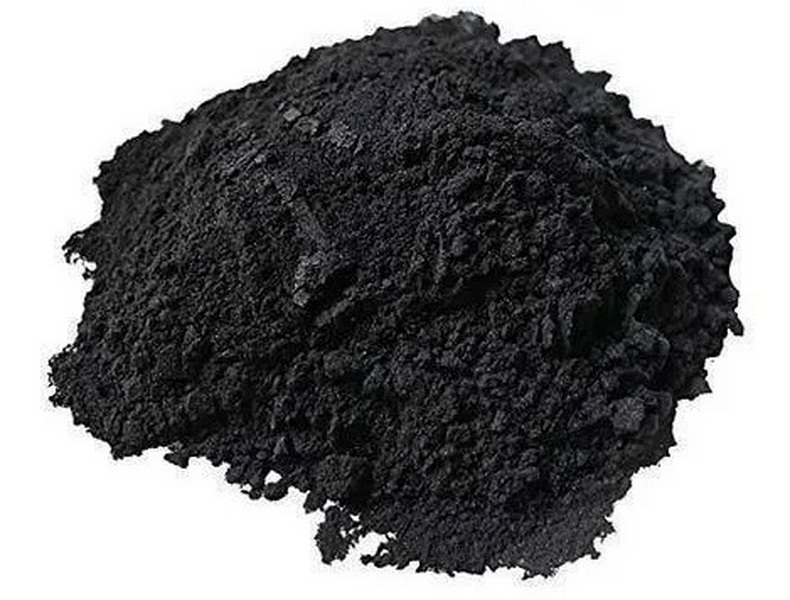
Activated carbon can remove chloramine, but the effectiveness depends strongly on the type of activated carbon, contact time, water chemistry and system design. For modern chloraminated water supplies in municipal, residential and industrial environments, catalytic or surface‑enhanced activated carbon with properly engineered EBCT is the preferred solution to achieve reliable chloramine reduction, protect sensitive processes, and deliver high‑quality water.[2][10][14][5][1]
FAQ – Does Activated Carbon Remove Chloramine?
1. Does standard activated carbon remove chloramine?
Standard granular activated carbon can remove chloramine, but its catalytic activity is relatively low and the reaction is much slower than free chlorine removal. To achieve good chloramine reduction with standard activated carbon, systems usually require long contact times, large beds, and careful flow control, or else catalytic activated carbon is recommended instead.[9][3][10][5][1]
2. Is catalytic activated carbon better for chloramine removal?
Yes, catalytic activated carbon (also called surface‑enhanced activated carbon) is specifically engineered to provide faster chloramine destruction than regular activated carbon. Field data and technical comparisons show that catalytic activated carbon can meet chloramine targets with significantly shorter EBCT and smaller bed volumes, making it cost‑effective for many chloraminated water applications.[10][14][2][1]
3. How much contact time does activated carbon need to remove chloramine?
For monochloramine, engineering guidelines often recommend around 10 minutes EBCT for traditional granular activated carbon and about 3 minutes EBCT for catalytic activated carbon, although exact values depend on water quality and targets. Pilot testing and monitoring are important to verify the real contact time needed for a specific source water and activated carbon grade.[14][2][5][1]
4. Does activated carbon remove the ammonia from chloramine?
Activated carbon primarily destroys the chloramine molecule, converting the chlorine portion to chloride and nitrogen gas, but ammonia can remain if the system is not designed for complete ammonia removal. In some treatment strategies, additional steps such as breakpoint chlorination or biological filtration are used together with activated carbon to address residual ammonia.[15][16][5]
5. Can a small under‑sink activated carbon filter remove chloramine from tap water?
Many small under‑sink filters with standard activated carbon are optimized for taste and odor and may only partially reduce chloramine, especially at high flow rates and short contact times. For reliable chloramine reduction in tap water, it is better to choose certified filters that use catalytic activated carbon and are specifically tested for chloramine removal at the intended flow and capacity.[13][4][3][1]
Citations:
[1](https://wcponline.com/2009/06/13/chlorine-chloramine-removal-activated-carbon/)
[2](https://www.cleanwaterstore.com/technical/water-treatment-manuals/Chloramine-Removal-Carbon.pdf)
[3](https://uswatersystems.com/pages/what-do-water-filters-remove)
[4](https://www.completehomefiltration.com.au/carbon-filters/)
[5](http://www.fwrj.com/Articles%202002/FWRJ%200702-1.pdf)
[6](https://awwa.onlinelibrary.wiley.com/doi/abs/10.1002/j.1551-8833.1985.tb05475.x)
[7](https://www.reddit.com/r/Homebrewing/comments/1xebxc/dispelling_the_carbon_filter_vs_chlorine_myth/)
[8](https://pubmed.ncbi.nlm.nih.gov/6651589/)
[9](https://www.mawc.org/sites/default/files/chloramines_removal_with_carbon.pdf)
[10](https://www.waterfixersdfw.com/water-central/catalytic-carbon-vs-chloramine)
[11](https://artisanalwatersolutions.com/choosing-the-right-carbon-for-whole-house-filtration-granular-activated-carbon-vs-catalytic-carbon/)
[12](https://www.likefilter.com/how-to-choose-the-right-activated-carbon-filter-cto-or-gac/)
[13](https://www.waterdropfilter.com/blogs/water-contaminants/how-to-remove-chloramine-from-your-tap-water)
[14](https://awwa.onlinelibrary.wiley.com/doi/abs/10.1002/j.1551-8833.2007.tb07985.x)
[15](https://www.koiphen.com/forums/showthread.php?67489-Activated-Carbon-to-remove-Chloramines)
[16](https://www.jstor.org/stable/41272207)
[17](https://www.awwa.org/small-systems/)
[18](https://www.brotherfiltration.com/how-to-pick-cto-gac/)
[19](https://www.perplexity.ai/search/03890ce9-918f-42b7-8070-0db845939f95)
[20](https://www.perplexity.ai/search/e76c6a69-d082-4afb-a415-5f01dd3a8938)
[21](https://www.perplexity.ai/search/2b569b6f-8988-4064-94f5-64012b5d24d7)
[22](https://www.perplexity.ai/search/b802f44a-e36c-4c2e-b6d0-2e0dfe9cfa7b)
[23](https://www.perplexity.ai/search/c7bf4061-d1e4-4b3a-89c6-1ca5f9bf6b55)
[24](https://www.facebook.com/groups/123250067720449/posts/1167175476661231/)
[25](https://wamas.org/forums/topic/53853-catalytic-activated-carbon-is-chloramines-removal-necessary/)


