Content Menu
● What Is Aluminum in Water and Why Control It?
● How Activated Carbon Works for Aluminum Removal
● Evidence: Can Activated Carbon Remove Aluminum Ions?
● Role of pH, Contact Time, and Dosage
● Granular vs Powdered Activated Carbon for Aluminum
● Modified and Composite Activated Carbon for Aluminum
● Activated Carbon and Aluminum in Drinking Water
● Aluminum in Industrial Wastewater and Produced Water
● Limits and Side Effects: Does Activated Carbon Release Aluminum?
● Practical Design Tips for Aluminum Removal with Activated Carbon
● Conclusion
● FAQ About Activated Carbon and Aluminum
>> 1) Does activated carbon remove all forms of aluminum?
>> 2) Is activated carbon alone enough to meet aluminum drinking water guidelines?
>> 3) Does activated carbon itself contain or release aluminum?
>> 4) How can activated carbon be optimized for aluminum removal in industrial wastewater?
>> 5) What is the difference between standard and modified activated carbon for aluminum removal?
● Citations:
Activated carbon can remove aluminum from water by adsorbing aluminum ions and aluminum‑bearing particles onto its highly porous surface, especially when pH, contact time, and dosage are properly controlled. In industrial and municipal treatment, activated carbon is often combined with other processes to achieve strict aluminum limits for drinking water and process water.[1][2][3]
What Is Aluminum in Water and Why Control It?
Aluminum in water appears in several forms: dissolved aluminum ions (such as Al⊃3;⁺ and hydroxide complexes), colloidal aluminum hydroxide, and aluminum bound to organic matter or suspended solids. Many utilities add aluminum salts as coagulants, so finished water can still contain residual aluminum if treatment is not optimized.[4]
- Regulatory and guideline values for aluminum in drinking water are usually based on taste, color, and turbidity rather than acute toxicity.[2][5][6]
- For example, the U.S. EPA secondary maximum contaminant level (SMCL) and several international guidelines place aluminum in the range of 0.05–0.2 mg/L to avoid aesthetic issues and ensure optimized coagulation.[5][7][2]
In sensitive industries such as pharmaceuticals, microelectronics, and high‑purity chemicals, even lower aluminum levels may be required to protect product quality and downstream equipment.[6][7]
How Activated Carbon Works for Aluminum Removal
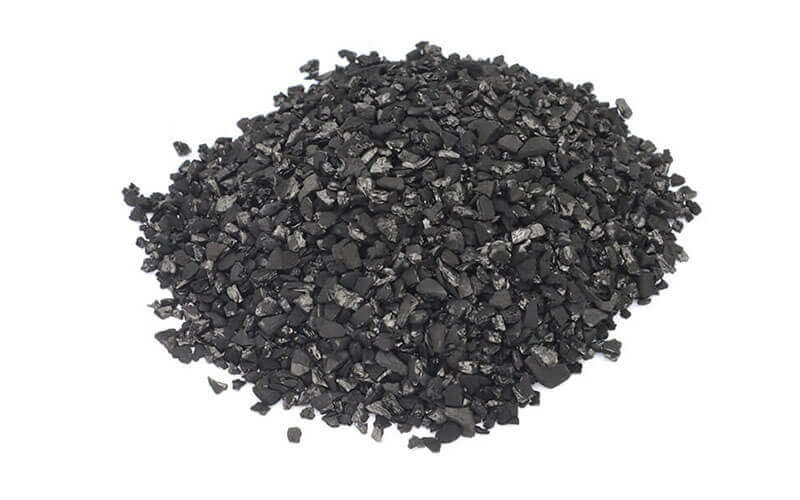
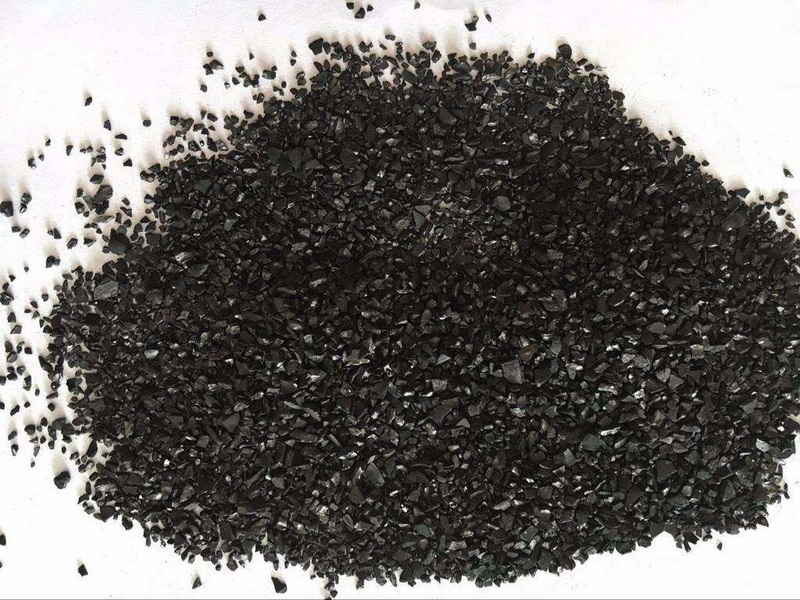
Activated carbon is a highly porous adsorbent with a network of micro‑, meso‑, and macropores that provide enormous internal surface area for capturing dissolved species from water. When water containing aluminum passes through an activated carbon bed or cartridge, aluminum species can be removed by several mechanisms.[8][1]
- Dissolved Al⊃3;⁺ and aluminum hydroxy complexes can be adsorbed through electrostatic attraction, surface complexation, and interaction with oxygen‑containing functional groups on the activated carbon surface.[9][1][8]
- Colloidal and particulate aluminum (including aluminum hydroxide flocs or aluminum attached to suspended solids) can be trapped physically in the pore structure or on the outer surface of granular activated carbon (GAC).[10][11]
The efficiency of activated carbon for aluminum removal strongly depends on pH, initial aluminum concentration, contact time, and the specific type of activated carbon and surface chemistry.[12][3][1]
Evidence: Can Activated Carbon Remove Aluminum Ions?
Multiple experimental studies confirm that activated carbon can remove aluminum ions from aqueous solutions with high efficiency when conditions are optimized.[3][1][8]
- One study using commercial activated carbon reported aluminum removal efficiencies up to about 99.6–99.8% from river water and industrial wastewater, often with contact times of only a few minutes.[1]
- Activated carbon produced from agricultural residues such as rice hulls has shown strong adsorption capacity for Al⊃3;⁺, fitting well to Langmuir isotherms and pseudo‑second‑order kinetics, indicating chemisorption on a finite number of active sites.[13][8]
Another dataset demonstrated that granular activated carbon (GAC) modified with iron chloride (FeCl₃) under basic conditions significantly improved aluminum removal, especially at low and moderate Al concentrations.[12][9]
These results show that properly selected and engineered activated carbon can be a powerful tool for removing dissolved aluminum from industrial wastewater and drinking water applications.
Role of pH, Contact Time, and Dosage
The performance of activated carbon for aluminum removal is highly sensitive to operating conditions, especially pH, contact time, and adsorbent dose.[3][1][12]
- pH effect
- At low pH, Al⊃3;⁺ is prevalent and interacts differently with activated carbon surfaces compared with neutral or alkaline conditions, affecting adsorption capacity.[9][12]
- Many studies find optimal aluminum adsorption in slightly acidic to near‑neutral pH ranges, before aluminum precipitates extensively as Al(OH)₃.[1][3]
- Contact time
- Laboratory tests show that aluminum removal can reach near‑equilibrium within relatively short times, often between 5 and 180 minutes depending on carbon type and initial concentration.[8][3][1]
- For example, one experiment concluded that a contact time of about five minutes at a suitable mixing speed was enough to complete aluminum removal from certain water samples using activated carbon.[1]
- Adsorbent dosage and capacity
- Increasing the dosage of activated carbon (g/L) generally increases the percentage of aluminum removed until adsorption sites become saturated.[13][8][3]
- Isotherm modeling (Langmuir and Freundlich) is widely used to estimate maximum adsorption capacity and to size industrial activated carbon systems for aluminum control.[8][3][1]
Proper design of activated carbon systems for aluminum removal must consider these parameters to achieve consistent performance at full scale.

Granular vs Powdered Activated Carbon for Aluminum
Both granular activated carbon (GAC) and powdered activated carbon (PAC) can be used for aluminum removal, and each form has specific advantages in water and wastewater treatment.[12][3][1]
- Granular activated carbon (GAC)
- Used in fixed‑bed filters or contactors for continuous treatment of drinking water and industrial process water.[12][1]
- Allows longer contact times and can be thermally reactivated, making it suitable for large‑scale aluminum removal and polishing of clarified water.[8][12]
- Powdered activated carbon (PAC)
- Typically dosed into mixing tanks or clarifiers, then removed with sludge or downstream filtration.[3][8]
- Offers flexible dosing for shock loads of aluminum or when treating specific batches of industrial wastewater where aluminum concentration varies widely.[13][8]
In many plants, PAC is used as an occasional or seasonal treatment aid, whereas GAC provides continuous, stable removal of aluminum and other contaminants.
Modified and Composite Activated Carbon for Aluminum
To improve aluminum removal, researchers and engineers often modify activated carbon surfaces or create composite adsorbents incorporating metals or metal oxides.[14][15][16][12]
- Iron‑modified granular activated carbon (Fe‑GAC) can enhance the adsorption of Al⊃3;⁺ by providing additional surface sites and changing surface charge characteristics.[9][12]
- Some studies combine activated carbon with aluminum oxide nanoparticles or other metal oxides to target complex mixtures and to improve the removal of multiple metals and organics simultaneously.[15][16][14]
These advanced activated carbon materials are especially relevant for demanding industrial applications where conventional activated carbon alone may not meet ultra‑low aluminum targets.
Activated Carbon and Aluminum in Drinking Water
In drinking water treatment, aluminum is both a process chemical (as coagulant) and a residual contaminant that must be controlled. Activated carbon plays several roles in managing aluminum in potable water systems.[4]
- GAC filters installed after coagulation, sedimentation, and filtration can polish water by adsorbing residual aluminum, natural organic matter, and taste‑ and odor‑forming compounds.[10][1]
- Where aluminum levels are close to or slightly above the 0.05–0.2 mg/L range, activated carbon can help utilities meet aesthetic guidelines and support overall water quality optimization.[2][5][6]
However, activated carbon systems must be designed with proper pretreatment, since excessive particulate aluminum or poor control of coagulation upstream can overload the GAC bed and reduce efficiency.[4][1]
Aluminum in Industrial Wastewater and Produced Water
Activated carbon is widely used in industrial wastewater to remove aluminum together with other metals and dissolved organic contaminants.[17][1][8]
- Studies show that activated carbon prepared from low‑cost sources such as rice hulls or waste plastics can effectively adsorb aluminum and iron from synthetic and real industrial effluents.[16][8]
- In produced water from oil and gas operations, activated carbon columns are combined with nanofiltration (NF) and reverse osmosis (RO) to reduce total dissolved solids (TDS), total organic carbon (TOC), and residual metals.[17]
For such complex streams, activated carbon often serves as a pretreatment step that protects downstream membranes and reduces fouling, while also contributing significantly to aluminum removal.
Limits and Side Effects: Does Activated Carbon Release Aluminum?
While activated carbon can remove aluminum, certain activated carbons themselves may release small amounts of aluminum and other trace metals during initial operation.[11]
- Investigations on granular activated carbon filters show that many carbons based on hard coal or lignite can release measurable aluminum when first placed in service, especially before adequate rinsing and conditioning.[11]
- This makes proper start‑up flushing and quality control essential, particularly when activated carbon is used in high‑purity or drinking water applications with strict aluminum specifications.[7][11]
High‑quality activated carbon for potable water and industrial ultrapure water is typically manufactured and washed under controlled conditions to minimize such leaching and meet product standards.[7][11]
Practical Design Tips for Aluminum Removal with Activated Carbon
To design an effective aluminum removal system using activated carbon, engineers generally consider the following points.[3][1][12][8]
- Select an activated carbon grade (coal‑based, coconut shell‑based, wood‑based, or specialty) with suitable surface area, pore structure, and surface chemistry for aluminum adsorption.
- Optimize pH in the treatment train so that aluminum exists in forms that are both removable by coagulation/filtration and adsorbable by activated carbon, often near neutral pH.[1][12]
- Provide sufficient empty bed contact time (EBCT) in GAC filters or sufficient mixing and residence time when dosing PAC to reach near‑equilibrium adsorption.[8][1]
- Monitor influent and effluent aluminum levels regularly and track breakthrough curves to schedule activated carbon replacement or reactivation before performance drops below target limits.[3][1][8]
For advanced requirements (e.g., semiconductor or pharmaceutical water), activated carbon is usually combined with ion exchange, membrane filtration, or other polishing steps to achieve ultra‑low residual aluminum.
Conclusion
Activated carbon does remove aluminum from water by adsorbing dissolved aluminum ions and aluminum‑containing particulates onto its large internal surface area, especially under optimized pH, contact time, and dosage conditions. In drinking water, industrial wastewater, and produced water applications, activated carbon—often granular or modified—can achieve high aluminum removal efficiencies and works best as part of a complete treatment train that may include coagulation, filtration, ion exchange, and membranes. For reliable performance, high‑quality activated carbon products, proper system design, and careful start‑up and monitoring are essential to meet regulatory or process‑driven aluminum limits.[17][2][11][7][12][1][8][3]
FAQ About Activated Carbon and Aluminum
1) Does activated carbon remove all forms of aluminum?
Activated carbon can remove many dissolved aluminum ions and some particulate or colloidal aluminum species, but efficiency varies with speciation, pH, and pretreatment. In practice, combining activated carbon with coagulation and filtration helps capture the widest range of aluminum forms in drinking water and industrial systems.[4][1][8][3]
2) Is activated carbon alone enough to meet aluminum drinking water guidelines?
Activated carbon can significantly reduce aluminum levels and often helps utilities meet aesthetic guidelines of about 0.05–0.2 mg/L, but performance depends on plant design and raw water quality. For consistent compliance, activated carbon is typically integrated with optimized coagulation, filtration, and, in some cases, membrane processes.[5][2][17][4][1]
3) Does activated carbon itself contain or release aluminum?
Some granular activated carbons, especially coal‑ or lignite‑based grades, can release trace aluminum when first installed, making thorough rinsing and conditioning important. High‑purity activated carbon products for drinking water and ultrapure water are manufactured and washed to minimize aluminum leaching and to meet strict quality specifications.[11][7]
4) How can activated carbon be optimized for aluminum removal in industrial wastewater?
For industrial wastewater, aluminum removal with activated carbon is optimized by selecting a suitable carbon grade, adjusting pH, providing adequate contact time, and controlling competing contaminants. In complex effluents such as produced water, activated carbon is often combined with NF or RO membranes to achieve high removal of aluminum, TDS, and TOC.[16][17][1][8][3]
5) What is the difference between standard and modified activated carbon for aluminum removal?
Standard activated carbon offers strong adsorption for many contaminants, including aluminum, but modified activated carbon (for example, Fe‑impregnated or metal‑oxide‑coated) can further enhance aluminum uptake and selectivity. Such modified activated carbon materials are particularly useful when very low residual aluminum targets or complex mixtures of metals and organics must be treated.[14][15][16][13][9][12]
Citations:
[1](http://www.orientjchem.org/vol30no3/removal-of-aluminum-from-water-and-industrial-waste-water/)
[2](https://wqa.org/wp-content/uploads/2022/09/2014_Aluminum.pdf)
[3](https://www.deswater.com/readfulltextopenaccess.php?id=RFdUX2FydGljbGVzL3ZvbF8zMTBfcGFwZXJzLzMxMF8yMDIzXzEyMy5wZGY%3D)
[4](https://cdn.who.int/media/docs/default-source/wash-documents/wash-chemicals/aluminium.pdf?sfvrsn=e54f4db9_4)
[5](https://www.ncbi.nlm.nih.gov/books/NBK597315/table/ch1.tab9/)
[6](https://wwwn.cdc.gov/tsp/phs/phs.aspx?phsid=1076&toxid=34)
[7](https://www.who.int/docs/default-source/wash-documents/wash-chemicals/aluminium-chemical-fact-sheet.pdf?sfvrsn=3dd7e5b3_4)
[8](https://www.scirp.org/journal/paperinformation?paperid=53266)
[9](https://papers.ssrn.com/sol3/Delivery.cfm/2b50e25c-d5a5-4340-84d1-d1567ac8e94c-MECA.pdf?abstractid=4255543&mirid=1&type=2)
[10](https://olympianwatertesting.com/aluminum-in-drinking-water-detection-prevention-and-treatment/)
[11](https://tzw.de/en/projects/project-details/detail/freisetzung-von-aluminium-und-spurenmetallen-bei-der-inbetriebnahme-von-aktivkohlefiltern-alu-carbon)
[12](https://pmc.ncbi.nlm.nih.gov/articles/PMC5988382/)
[13](https://www.sciencedirect.com/science/article/pii/S1944398624015637)
[14](https://brieflands.com/journals/healthscope/articles/144472.pdf)
[15](https://onlinelibrary.wiley.com/doi/abs/10.1002/rem.21749)
[16](https://analyticalsciencejournals.onlinelibrary.wiley.com/doi/10.1002/jemt.24770)
[17](https://www.jeeng.net/Experimental-Study-of-Produced-Water-Treatment-Using-Activated-Carbon-with-Aluminum,161231,0,2.html)
[18](https://www.sciencedirect.com/science/article/abs/pii/S0304389408001556)
[19](https://maineenvironmentallaboratory.com/?p=934)
[20](https://pubmed.ncbi.nlm.nih.gov/18321643/)


