Content Menu
● What Activated Carbon Can and Cannot Do
● Can Standard Activated Carbon Remove Fluoride?
● How Modified Activated Carbon Improves Fluoride Removal
● Typical Fluoride Removal Technologies Compared
● Why Many “Carbon Filters” Still List Fluoride Reduction
● How to Check if an Activated Carbon Filter Removes Fluoride
● Role of Activated Carbon in Industrial Defluoridation Systems
● Practical Guidance for Home and Industrial Users
● Conclusion
● FAQ About Activated Carbon and Fluoride (H3)
>> (1) Does any activated carbon filter remove fluoride?
>> (2) What type of filter is best for fluoride removal?
>> (3) How can I tell if my carbon filter removes fluoride?
>> (4) Why do some activated carbon filters show high fluoride reduction in tests?
>> (5) Is it safe to rely on activated carbon if my water is fluoridated by the city?
● Citations:
Most standard activated carbon filters remove very little fluoride, because fluoride is a dissolved anion that does not adsorb strongly onto ordinary activated carbon surfaces. However, specially modified activated carbon or hybrid activated carbon filters combined with fluoride‑specific media can achieve significant fluoride reduction when correctly designed and certified.[1][2][3][4][5]
What Activated Carbon Can and Cannot Do
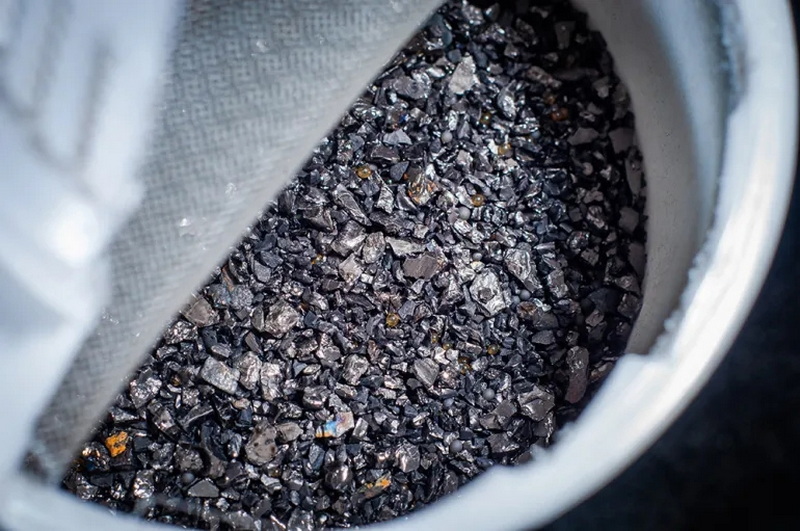
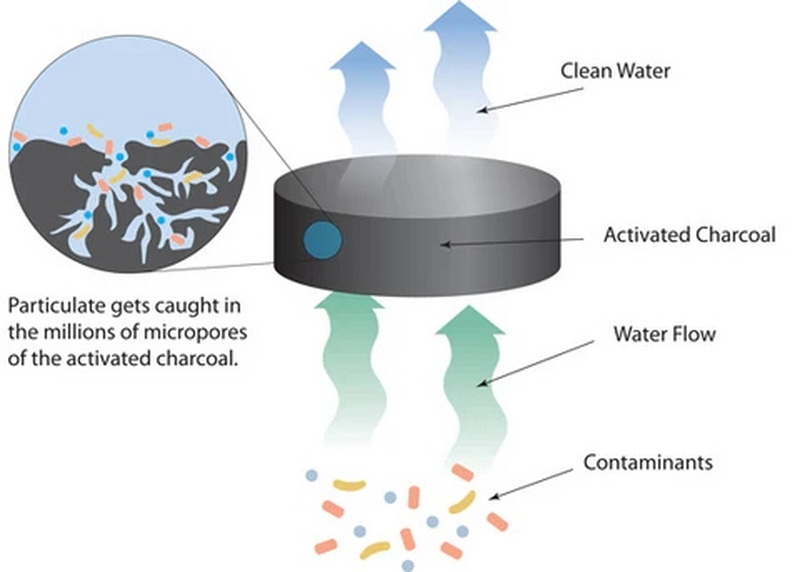
Activated carbon is a highly porous form of carbon with a huge internal surface area that adsorbs many organic chemicals, chlorine, tastes, and odors from water. In typical drinking water filters, activated carbon is extremely effective for improving taste and odor but is not designed to target dissolved minerals like fluoride, calcium, or magnesium.[3][6][7]
Fluoride exists in water mainly as fluoride ions, which behave more like dissolved salts than organic pollutants, and these ions have low affinity for the non‑polar surface of standard activated carbon. As a result, a basic activated carbon cartridge, pitcher, or block filter normally shows only low or negligible fluoride removal unless it is specifically engineered for that purpose.[6][5][3]
Can Standard Activated Carbon Remove Fluoride?
Most manufacturers and independent testing labs classify “activated carbon” alone as a low‑efficiency option for fluoride removal compared with reverse osmosis, activated alumina, or bone char. Comparative tables commonly show reverse osmosis and activated alumina achieving up to around 95–97% fluoride reduction, while generic activated carbon is listed as “low” or “not effective” for fluoride.[8][5][3]
Some carbon block filters may remove a small fraction of fluoride through incidental mechanisms such as limited adsorption, co‑precipitation, or capture of fluoride bound to suspended solids, but this is not predictable and usually not claimed on certifications. For that reason, users who rely on standard activated carbon filters should not assume meaningful fluoride reduction unless the product has explicit, tested performance data for fluoride.[9][7][6]
How Modified Activated Carbon Improves Fluoride Removal
Researchers and manufacturers have developed modified activated carbon materials that significantly enhance fluoride adsorption by adding active sites for anion binding. One approach uses citric acid–modified granular activated carbon, which roughly doubles fluoride adsorption capacity compared with unmodified granular activated carbon and can remove around 70% of fluoride under optimized conditions.[2][1]
Another approach supports metal oxides such as cerium–aluminum on activated carbon, creating composite adsorbents that reach equilibrium fluoride capacities an order of magnitude higher than plain activated carbon while operating across a broad pH range. These advanced materials show that activated carbon can be an efficient backbone for fluoride adsorbents when chemically engineered, opening opportunities for industrial and point‑of‑use defluoridation systems.[10][2]
Typical Fluoride Removal Technologies Compared
Many drinking water and industrial systems use activated carbon together with other media that specifically target fluoride. Common technologies include:[5]
- Reverse osmosis membranes, which can remove around 95% or more of fluoride as part of broad dissolved solids reduction.[3][5]
- Activated alumina beds, which can reach up to about 98–100% fluoride removal at suitably low flow rates and proper pH control.[11][8][5]
- Bone char media, which uses hydroxyapatite to adsorb fluoride and heavy metals and is widely used in some regions as a cost‑effective option.[12][13][11]
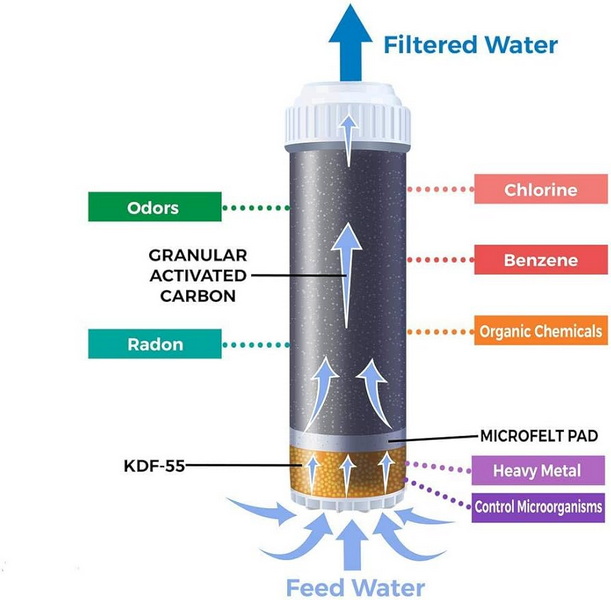
In many commercial and household systems, activated carbon handles organics, chlorine, and taste while a separate fluoride media stage provides high fluoride reduction, giving a balanced multi‑stage treatment train.[4][5]
Why Many “Carbon Filters” Still List Fluoride Reduction
Some modern filters marketed as “activated carbon” systems actually combine activated carbon with additional fluoride‑specific media in the same cartridge or housing. For example, certain systems use activated carbon plus activated alumina or other proprietary media to achieve more than 90–99% reduction of fluoride and other contaminants, supported by third‑party lab testing.[14][4]
Certifications such as NSF/ANSI 53 include specific test protocols for fluoride, and products that claim fluoride reduction under this standard must demonstrate performance at defined influent concentrations. When a manufacturer lists both “activated carbon” and a verified fluoride reduction claim, buyers should check whether hybrid media or additional stages are used rather than assuming plain activated carbon is responsible.[15][7][4]
How to Check if an Activated Carbon Filter Removes Fluoride
When evaluating whether an activated carbon filter removes fluoride, users should focus on data rather than marketing terms. Key checks include:[7][6]
- Confirming whether “fluoride reduction” is explicitly listed, not just generic “improves taste and odor” or “removes chemicals.”[6]
- Looking for recognized certifications (such as NSF/ANSI 53 for health‑related contaminants) with fluoride included in the list of tested parameters.[15][7]
If fluoride is not clearly mentioned in specifications, independent test reports, or certification documents, the safest assumption is that the activated carbon filter does not meaningfully reduce fluoride. For critical applications such as high‑fluoride groundwater or regulatory compliance, users should rely on systems with documented fluoride performance rather than unverified activated carbon units.[7][5][6]
Role of Activated Carbon in Industrial Defluoridation Systems
In industrial water treatment, activated carbon plays an important supporting role even when another medium performs most of the fluoride adsorption. For example, activated carbon pre‑filters can remove natural organic matter, oils, and oxidants that might otherwise foul reverse osmosis membranes or activated alumina beds, indirectly improving fluoride removal and extending media life.[5][3]
Hybrid activated carbon beds impregnated with metal oxides, rare earth elements, or functional organic groups can integrate organics removal and fluoride adsorption in a single stage for compact systems, particularly in small community or decentralized treatment units. As research progresses, these engineered activated carbon materials are expected to see wider adoption where cost, space, and simplicity are critical.[10][2]
Practical Guidance for Home and Industrial Users
Home users concerned about fluoride should not depend on a simple activated carbon pitcher, faucet filter, or shower filter unless fluoride reduction is specifically claimed and properly certified. In most cases, a reverse osmosis system or a cartridge combining activated alumina or bone char with activated carbon will provide more reliable fluoride reduction at the tap.[8][11][3][6][5]
Industrial and municipal users can integrate activated carbon into multi‑stage treatment processes where activated carbon treats organics and taste/odor, while membranes or specialized fluoride media achieve the primary defluoridation. When high‑performance composites such as metal‑oxide‑loaded activated carbon are considered, pilot testing and careful design are essential to confirm capacity, regeneration options, and overall life‑cycle cost.[2][10][5]
Conclusion
Standard activated carbon filters remove many organic contaminants and improve water taste and odor, but they are generally not effective as stand‑alone solutions for fluoride removal. Effective defluoridation typically requires reverse osmosis, activated alumina, bone char, or specially modified activated carbon materials, often combined with conventional activated carbon to manage organics and protect downstream stages. Buyers should focus on explicit fluoride performance data and relevant certifications rather than assuming that any activated carbon filter will reliably reduce fluoride.[1][4][10][3][15][8][6][7][5]
FAQ About Activated Carbon and Fluoride (H3)
(1) Does any activated carbon filter remove fluoride?
Most standard activated carbon filters provide little or no reliable fluoride removal, because fluoride ions do not bind strongly to typical activated carbon surfaces. Only filters that use modified activated carbon or additional fluoride‑specific media and have verified performance data should be considered effective for defluoridation.[4][10][1][3][5]
(2) What type of filter is best for fluoride removal?
Reverse osmosis and activated alumina filters are widely recognized as top options, commonly achieving around 95–98% fluoride reduction when properly designed and operated. Bone char filters also offer substantial fluoride removal and are often used where cost and simplicity are priorities.[13][12][11][3][8][5]
(3) How can I tell if my carbon filter removes fluoride?
Check the product documentation for explicit “fluoride reduction” claims supported by certifications such as NSF/ANSI 53 or independent laboratory reports at realistic influent fluoride levels. If fluoride is not mentioned in the performance data, it is safest to assume the carbon filter does not significantly remove fluoride.[15][4][6][7][5]
(4) Why do some activated carbon filters show high fluoride reduction in tests?
Some modern filters marketed around activated carbon actually incorporate hybrid media such as activated alumina, special resins, or metal‑oxide‑loaded activated carbon, which can reach more than 90–99% fluoride reduction in lab testing. In these designs, traditional activated carbon mainly handles organics and chlorine, while the fluoride‑specific component delivers the high defluoridation performance.[14][10][2][4][5]
(5) Is it safe to rely on activated carbon if my water is fluoridated by the city?
Public health agencies typically design fluoridation levels so that additional fluoride supplements are unnecessary and standard home activated carbon filters do not meaningfully change fluoride concentration. If a user wants to reduce fluoride further for personal reasons, a system specifically rated for fluoride reduction—such as reverse osmosis or activated alumina with an activated carbon stage—is recommended instead of a simple carbon pitcher.[16][3][8][5]
Citations:
[1](https://www.sciencedirect.com/science/article/abs/pii/S0045653520308328)
[2](https://pmc.ncbi.nlm.nih.gov/articles/PMC12053382/)
[3](https://www.softprowatersystems.com/pages/does-a-carbon-filter-remove-fluoride)
[4](https://www.softprowatersystems.com/pages/best-activated-carbon-fluoride-filters)
[5](https://www.purewaterproducts.com/articles/removing-fluoride)
[6](https://metrowaterfilter.com/blog/does-carbon-filtration-remove-fluoride/)
[7](https://www.nsf.org/consumer-resources/articles/standards-water-treatment-systems)
[8](https://www.softprowatersystems.com/pages/whats-the-difference-between-activated-alumina-and-bone-char-filters)
[9](https://www.physicsforums.com/threads/do-carbon-block-water-filters-actually-remove-some-fluoride.516043/)
[10](https://pubs.rsc.org/en/content/articlelanding/2025/ra/d5ra00397k)
[11](https://www.highwaterfilters.com/blogs/highwater-marks/removing-fluoride-from-drinking-water-is-bone-char-a-good-alternative)
[12](https://nzpumpandwaterfilters.co.nz/pages/fluoride-reduction-with-activated-alumina)
[13](https://www.sciencedirect.com/science/article/abs/pii/S0301479717306199)
[14](https://waterfilterguru.com/best-activated-carbon-water-filter/)
[15](https://boroux.com/blogs/boroux-blog/new-boroux-fluoride-filter)
[16](https://pubmed.ncbi.nlm.nih.gov/18538069/)
[17](https://www.sciencedirect.com/science/article/pii/S2666086522000467)
[18](https://www.reddit.com/r/water/comments/18fdpr4/does_fluoride_in_your_city_water_kill_your/)
[19](https://www.frizzlife.com/blogs/guide/nsf-ansi-water-filter-certification-42-vs-53-58-401)
[20](https://pubmed.ncbi.nlm.nih.gov/40330042/)


