Content Menu
● What Does “Expire” Mean for Activated Carbon?
● Shelf Life of Activated Carbon
● How Activated Carbon Loses Effectiveness
● Ideal Storage Conditions for Activated Carbon
● Signs Your Activated Carbon Has “Expired” in Use
● Does Unopened Activated Carbon Expire?
● Does Activated Carbon in Filters Expire Faster?
● Industrial Uses and Replacement Strategy
● Safety Considerations for Old Activated Carbon
● Practical Tips to Keep Activated Carbon from “Expiring”
● Conclusion
● FAQs About Activated Carbon Expiration
>> 1. Does activated carbon have an official expiration date?
>> 2. How long can I store unopened activated carbon?
>> 3. How can I tell if my activated carbon has expired in a filter?
>> 4. How often should activated carbon be replaced in industrial systems?
>> 5. Can spent or expired activated carbon be regenerated?
● Citations:
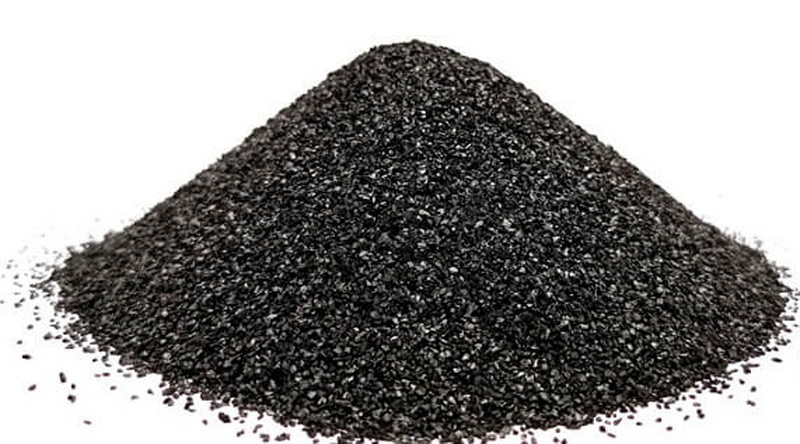
Activated carbon does not chemically expire like food or medicine, but it can slowly lose effectiveness if exposed to air, moisture, or contaminants during storage and use. With proper storage, activated carbon can maintain performance for many years and even have an almost indefinite shelf life for many industrial applications.[1][2][3]
What Does “Expire” Mean for Activated Carbon?
When people ask “does activated carbon expire,” they usually mean “does it stop working or become unsafe after a certain time.”
- Chemically, activated carbon is a stable form of carbon that does not decompose under normal storage conditions.[2]
- Practically, activated carbon can become saturated with pollutants or moisture, so its adsorption capacity drops even though the carbon itself is still present.[3][2]
For industrial users, “expired” activated carbon normally refers to activated carbon that can no longer meet the required adsorption performance, not a product that has become dangerous by itself.[4][3]
Shelf Life of Activated Carbon
Many producers and technical organizations describe the shelf life of activated carbon in two ways: theoretical and practical.
- If stored dry in airtight containers, activated carbon can have an “almost indefinite” shelf life because its pore structure remains intact.[1][3]
- In real products (filters, cartridges, packaged bags), manufacturers usually label a typical shelf life of about 1–3 years to guarantee potency and quality control.[5][2]
Even after the labeled date, well‑stored activated carbon can still work effectively if it has not absorbed moisture or contaminants from the environment. However, for regulated industries, users usually follow the printed shelf life for compliance reasons.[5][2][3]
How Activated Carbon Loses Effectiveness
Activated carbon “expires” functionally when its internal pores are no longer available to adsorb new molecules.
- Exposure to ambient air allows activated carbon to slowly adsorb volatile organic compounds and odors, gradually filling part of its pore structure before it is even used.[6][3]
- High humidity causes activated carbon to absorb water vapor, leading to moisture in the pores, clumping, and reduced adsorption capacity for target contaminants.[7][8]
In use, activated carbon will eventually reach saturation when most of its active sites are occupied by pollutants, which is why spent activated carbon must be replaced or reactivated periodically in filtration systems.[9][4]
Ideal Storage Conditions for Activated Carbon
Proper storage is the key factor that determines whether activated carbon “expires” early or stays effective for years.
- Activated carbon should be kept in a cool, dry place, away from direct sunlight and extreme temperatures, to preserve its adsorption properties.[10][7]
- Relative humidity in the storage area should be kept below about 60%, and containers should be well sealed to prevent moisture pickup and clumping.[11][7]
For industrial users, using airtight bags, drums, or lined bulk containers and avoiding contact with volatile organic chemicals or strong odors will help maintain the performance of stored activated carbon.[10][1]
Signs Your Activated Carbon Has “Expired” in Use
In real applications, users judge “expiration” of activated carbon by performance changes rather than calendar dates.
- In water treatment, signs of exhausted activated carbon include changes in taste, odor, color, or a return of chlorine or other contaminants in treated water.[12][9]
- In air and gas purification, reduced odor removal, increased smell, or higher pollutant levels downstream indicate that the activated carbon bed is saturated and needs replacement.[13][4]
Many water treatment specialists recommend replacing activated carbon in industrial systems at least once per year to maintain stable quality and avoid sudden breakthrough of contaminants.[4][12]
Does Unopened Activated Carbon Expire?
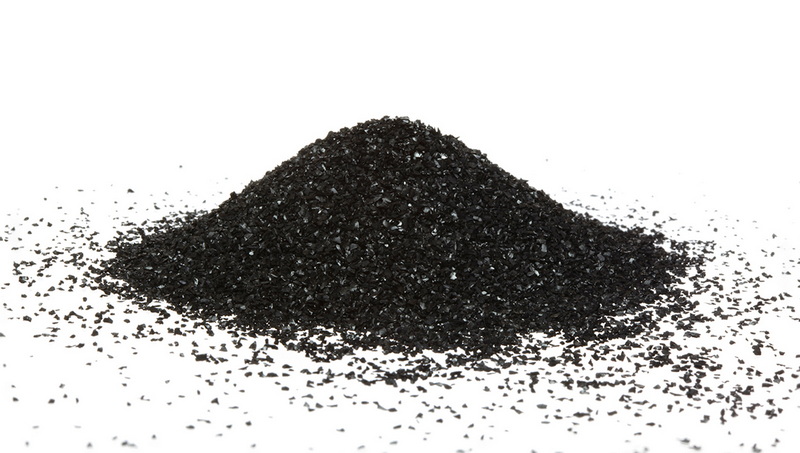
Unopened, properly packaged activated carbon usually remains effective for a very long time.
- When stored in sealed, airtight containers, many technical sources state that activated carbon has virtually no real expiration limit beyond regulatory labeling.[3][1]
- Shelf life dates printed on retail or pharmaceutical products are often driven by regulations and conservative quality guarantees rather than a true chemical breakdown of the activated carbon.[14][2]
However, if unopened activated carbon has been stored in a damp or contaminated environment, the packaging may not fully prevent moisture or odors from entering, which can slowly reduce its adsorption capacity.[15][11]
Does Activated Carbon in Filters Expire Faster?
Activated carbon used inside filters, cartridges, and composite media systems behaves differently from loose bulk activated carbon in a sealed bag.
- Filter cartridges and point‑of‑use water or air filters typically have recommended replacement intervals, such as every 3–6 months for many water filter designs.[16][12]
- These intervals reflect real-life exposure to flow rate, pollutant load, temperature, and humidity, so the activated carbon inside the filter can become saturated much faster than unopened activated carbon sitting in storage.[12][9]
Even if the activated carbon is still present, once the filter reaches its rated service life (volume of water or air), performance declines and “expired” activated carbon should be replaced to maintain safety and quality.[17][12]
Industrial Uses and Replacement Strategy
For industrial and municipal installations using activated carbon in large fixed beds, columns, or reactors, “expiration” is managed through engineered replacement plans.
- Many operators change activated carbon on a scheduled basis—often annually—so that water or process quality remains constant and unexpected breakthrough is avoided.[18][4]
- Planned replacement of activated carbon also allows internal inspection of vessels, proper backwashing, and maintenance of coatings, valves, and internals.[4]
Some systems send spent activated carbon for thermal reactivation, which restores a large portion of the original adsorption capacity and extends the service life of the carbon media.[18]
Safety Considerations for Old Activated Carbon
While activated carbon itself is stable, safety issues can arise from the contaminants it has adsorbed and from improper storage.
- Spent activated carbon that has captured organic vapors, solvents, or other hazardous compounds must be handled and disposed of according to environmental and safety regulations.[11][18]
- Large amounts of moist, contaminated activated carbon can sometimes self‑heat under certain conditions, so technical guidelines recommend storing it protected from moisture and high ambient temperatures.[18][11]
For new activated carbon, the main safety recommendations are to avoid dust inhalation and prevent contamination during storage so that the activated carbon can perform as designed once installed.[11][18]
Practical Tips to Keep Activated Carbon from “Expiring”
Users across water treatment, air purification, food and beverage, chemical, and pharmaceutical industries can extend the effective life of activated carbon by following a few simple rules.
- Store unused activated carbon in airtight, labeled containers in cool, dry, well‑ventilated areas away from strong odors and chemicals.[1][10]
- Monitor system performance (taste, odor, color, flow, pollutant levels) and follow manufacturer and industry recommendations for replacing or regenerating activated carbon media.[12][4]
When in doubt—especially for critical processes—it is wise to treat long‑stored or borderline activated carbon as potentially reduced in capacity and either test its performance or replace it with fresh media.[2][5]
Conclusion
In summary, activated carbon does not chemically expire in the same way as perishable products, but its adsorption performance can decline over time if it is exposed to air, moisture, and contaminants. With good storage practices and planned replacement or regeneration schedules, activated carbon can provide reliable and consistent purification performance across water treatment, air and gas purification, food and beverage, chemical, and pharmaceutical applications.[2][3][1][4]
FAQs About Activated Carbon Expiration
1. Does activated carbon have an official expiration date?
Many technical sources state that properly stored activated carbon has no true chemical expiration date and can remain stable for many years. However, most commercial activated carbon products list a 1–3 year shelf life on the label for quality assurance and regulatory compliance.[5][3][1][2]
2. How long can I store unopened activated carbon?
If unopened activated carbon is kept in airtight packaging in a cool, dry area with moderate humidity, it can be stored for a very long time with minimal loss of capacity. Nevertheless, if the storage environment is humid or contaminated, the activated carbon can gradually absorb moisture and airborne compounds through the packaging, reducing its effectiveness.[15][1][7][11]
3. How can I tell if my activated carbon has expired in a filter?
In water filters, signs of expired or saturated activated carbon include a return of bad taste or odor, discoloration, or a change in water quality. For air filters, a noticeable reduction in odor control or an increase in detectable pollutants suggests that the activated carbon is spent and needs replacement.[13][17][9][12]
4. How often should activated carbon be replaced in industrial systems?
Replacement frequency depends on flow rate, contaminant load, temperature, and required outlet quality, but many industrial operators use an annual replacement schedule for activated carbon beds. In cartridge‑type water filters and residential systems, manufacturers often recommend replacing activated carbon elements every 3–6 months or after a specified volume of water.[16][4][12]
5. Can spent or expired activated carbon be regenerated?
Spent activated carbon from industrial processes can often be thermally reactivated by specialized service providers, restoring much of its adsorption capacity. However, for many small filters and consumer products, it is more practical to replace the activated carbon with fresh media and dispose of the spent material according to local regulations.[18][4]
Citations:
[1](https://acticarb.group/faqs/)
[2](https://www.vitarx.co/resources/fitness-energy/does-activated-charcoal-expire)
[3](https://charcoalhouse.com/educate-me/faq.html)
[4](https://www.carbotecnia.info/en/learning-center/activated-carbon-equipment/activated-carbon-replacement/)
[5](https://www.wildfoods.co/blogs/content/does-activated-charcoal-expire)
[6](https://www.reddit.com/r/terrariums/comments/m2toq0/does_activated_charcoal_expire/)
[7](https://www.yuanlicarbonyl.com/blog/what-are-the-storage-conditions-for-food-grade-activated-carbon-202654.html)
[8](https://www.sciencedirect.com/science/article/abs/pii/S0960852410000891)
[9](https://abhirowater.com/when-to-change-your-activated-carbon-filter/)
[10](https://carbontech.net.tr/en/haberler/what-should-the-conditions-be-for-storing-activated-charcoal/)
[11](https://www.activatedcarbon.org/health-safety-environment/)
[12](https://pristinewatersofteners.com/activated-carbon-water-filters-lifespan-and-when-to-replace-them/)
[13](https://www.cleantechwater.co.in/how-to-know-it-is-time-to-change-activated-carbon-filters/)
[14](https://www.bellaallnatural.com/blogs/learn/shelf-activated-charcoal-expire)
[15](https://www.astm.org/d2867-09r14.html)
[16](https://www.pentair.com/en-us/water-softening-filtration/blog/when-to-change-your-water-filter.html)
[17](https://rajahfiltertechnics.com/water-filtration/when-to-change-your-activated-carbon-filter-and-why-you-have-to/)
[18](https://wcponline.com/2005/06/22/care-handling-activated-carbon/)
[19](https://www.seas.upenn.edu/~amyers/LangmuirStg.pdf)
[20](https://www.reef2reef.com/threads/does-carbon-expire.882651/)


