Content Menu
● What Is Activated Carbon?
● Benefits of Activated Carbon in Terrariums
● When Is Activated Carbon Useful or Optional?
● How to Use Activated Carbon in a Terrarium
>> Layered Setup with Activated Carbon
>> Mixing Activated Carbon into Soil
● Types of Activated Carbon for Terrariums
● How Long Does Activated Carbon Last in a Terrarium?
● Can Activated Carbon Harm Plants or Animals?
● Common Mistakes When Using Activated Carbon
● How a Professional Activated Carbon Manufacturer Can Help
● Conclusion
● FAQ About Using Activated Carbon in a Terrarium
>> 1. Is activated carbon necessary in every terrarium?
>> 2. How much activated carbon should I use in a terrarium?
>> 3. Can I use BBQ charcoal instead of activated carbon?
>> 4. How often does activated carbon need to be replaced?
>> 5. Does activated carbon affect fertilizers or nutrients in a terrarium?
● Citations:
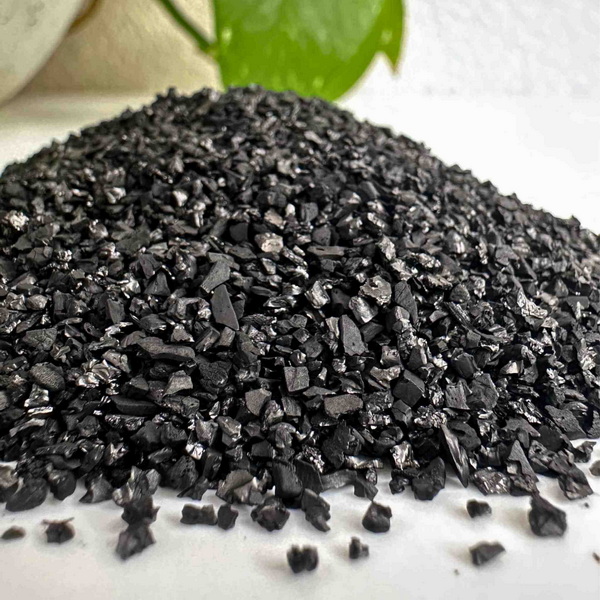
Activated carbon (also called activated charcoal) is a highly porous form of carbon that adsorbs impurities, gases, and dissolved substances from water and air. In terrariums, activated carbon is widely used as a thin layer above the drainage layer or mixed into the substrate to filter toxins, reduce odors, and help prevent mold and root problems.[7][2][4][6][1]
What Is Activated Carbon?
Activated carbon is made by heating carbon‑rich materials such as wood, coconut shells, or other biomass and then “activating” them to open up millions of tiny pores. Through this activation process, the internal surface area of activated carbon can reach hundreds to thousands of square meters per gram, creating an enormous adsorptive capacity for contaminants and gases.[6][1][7]
Because of its porosity, activated carbon binds chemicals, organic molecules, and odors from air and water as they pass over the carbon surface. In a terrarium, this same mechanism allows activated carbon to function as a miniature filtration system inside the soil and drainage layers.[2][4][5][7]
Benefits of Activated Carbon in Terrariums
Using activated carbon in a terrarium provides several practical advantages for plant health and long‑term maintenance.[5][2]
- It absorbs toxins and unwanted chemicals that build up in the drainage zone and soil, helping keep the terrarium environment more stable.[4][8][2]
- It helps prevent or reduce mold, mildew, and root rot by adsorbing excess organic compounds and keeping water cleaner for longer.[3][4][5]
- It neutralizes unpleasant odors inside closed glass containers, so the terrarium smells fresher over time.[9][1][3]
- It can improve drainage and substrate structure when mixed with soil, allowing roots to breathe better and reducing the risk of waterlogging.[8][2][6]
Some growers report that terrariums with a dedicated activated carbon layer stay clearer and more mold‑free for many months, especially in closed systems with high humidity.[3][5][6]
When Is Activated Carbon Useful or Optional?
There is an ongoing debate about whether activated carbon is “necessary” in all terrariums, but most experts agree it is at least beneficial in many setups.[10][11][7]
- Most useful in closed terrariums: In sealed or nearly sealed glass containers where moisture and gases accumulate, activated carbon is particularly helpful in filtering water and neutralizing odors and gases.[4][6][3]
- Helpful for dense or organic‑rich substrates: If the terrarium contains a lot of organic matter that may decompose, activated carbon helps buffer the system against toxins and rot.[2][5][8]
- More optional in open, well‑aerated terrariums: In open containers with good airflow and careful watering, some horticultural sources argue that activated carbon is not strictly required and that good watering practices may be enough.[11][7][10]
- Not a cure‑all: Activated carbon cannot compensate for overwatering, poor plant choice, or contaminated materials; it just adds a layer of protection and stability.[12][6][3]
So, you can use activated carbon in a terrarium and often get better long‑term results, especially in closed, humid designs, but it does not replace basic good design and maintenance.[6][3][4]
How to Use Activated Carbon in a Terrarium
Layered Setup with Activated Carbon
The classic way to use activated carbon in a terrarium is to place it as a distinct layer between drainage and soil.[1][2][4]
- Prepare a clear glass or plastic container with enough height for drainage, activated carbon, and soil layers.[13][1]
- Add a drainage layer of small stones, gravel, or leca at the bottom to collect excess water.[13][1][4]
- Sprinkle a thin, even layer of activated carbon (often about 0.5–1 cm thick or 1–2 tablespoons per quart of soil area, depending on source recommendations) over the drainage layer.[1][4][6]
- Add your prepared soil or substrate mix on top of the activated carbon, then plant your chosen terrarium species.[2][4][1]
As water drains through the soil into the lower layers, it passes through the activated carbon, where impurities and some dissolved organics are adsorbed.[8][4][2]
Mixing Activated Carbon into Soil
Another method is to mix a small proportion of activated carbon directly into the potting mix or substrate.[8][6][2]
- Combine activated carbon granules with other components like peat, coco coir, orchid bark, or perlite to create a loose, airy substrate.[4][2][8]
- Use a moderate dose (for example, a spoon or two per liter of substrate), enough to distribute activated carbon throughout the root zone without turning the mix overly dark or dusty.[6][8]
- This method allows activated carbon to work throughout the soil, helping absorb localized toxins and maintain better aeration.[2][8][6]
In both methods, activated carbon should be clean, untreated, and specifically intended for horticulture, terrariums, or aquariums.[7][6][2].
Types of Activated Carbon for Terrariums
Not all forms of carbon are equal, and choosing the right activated carbon matters for terrarium safety.[11][7][6]
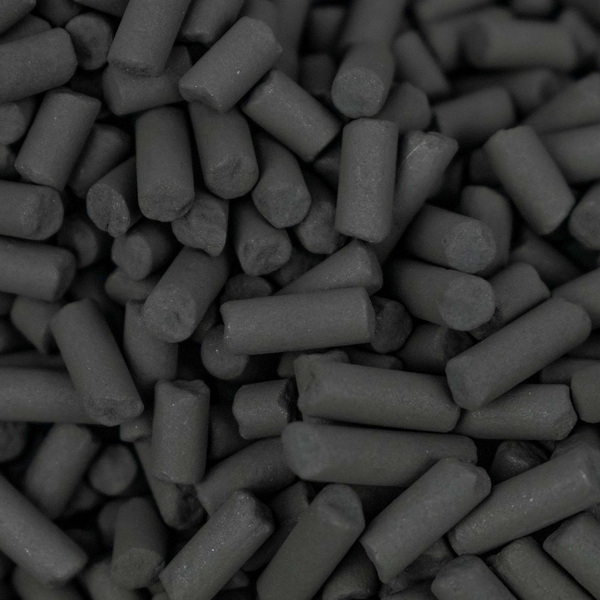
- Activated carbon granules or pellets: Purpose‑made activated carbon products for terrariums or aquariums are highly porous and clean, making them ideal for soil and drainage layers.[7][6][2]
- Horticultural or aquarium activated carbon: These are usually free of additives and designed for contact with plants and aquatic life.[4][6][2]
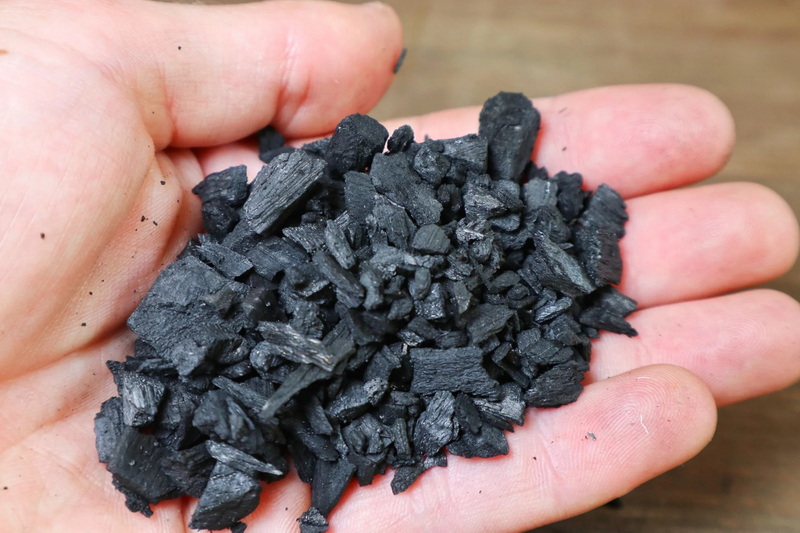
- Natural lump wood charcoal (non‑briquette): Untreated, natural lump charcoal can work in a similar role but is usually less efficient than true activated carbon.[7][6]
Forms to avoid include charcoal briquettes and used charcoal from BBQs, which can contain binders, accelerants, or contaminants that may harm plants and terrarium organisms.[6][7]
How Long Does Activated Carbon Last in a Terrarium?
Activated carbon does not work forever; its pores gradually fill up with adsorbed material and become saturated.[12][8]
- Over time, the adsorption sites in activated carbon become occupied, reducing its ability to bind new toxins or odors.[12][8]
- Some terrarium and indoor gardening guides suggest refreshing or replacing the activated carbon layer periodically, often on the scale of several months to a year, depending on conditions.[4][6]
- In fully sealed terrariums that are rarely opened, activated carbon may remain effective longer, but it still slowly approaches saturation.[5][3][6]
Replacing activated carbon typically means rebuilding or partly dismantling the terrarium, so many hobbyists accept that its strongest effect is in the early life of the setup.[11][12][6]
Can Activated Carbon Harm Plants or Animals?
Activated carbon is generally considered safe for terrarium plants and many small invertebrates, especially when using horticultural or aquarium‑grade material.[7][6]
- Properly prepared activated carbon does not release toxins; instead, it captures them, which can be beneficial for sensitive roots and micro‑life.[6][7][4]
- Problems usually come from inappropriate products (such as briquettes with additives) or contaminated, reused charcoal, which can leach harmful substances.[7][6]
- In vivariums with invertebrates or small animals, activated carbon is commonly used in drainage and filtration layers without reported toxicity when products are chosen correctly.[14][6][7]
As with any substrate additive, moderation and product quality are important when adding activated carbon to a living terrarium system.[8][2][6]
Common Mistakes When Using Activated Carbon
Many terrarium problems linked to activated carbon actually stem from incorrect use, not from the material itself.[11][7]
- Using the wrong type of carbon, such as briquettes or contaminated charcoal, can introduce harmful chemicals into the terrarium.[6][7]
- Adding excessively thick layers of activated carbon wastes material and may unnecessarily reduce root space without extra benefit.[1][6]
- Relying on activated carbon instead of proper drainage, suitable plants, and careful watering can still lead to mold and rot issues.[10][11][3]
- Never replacing or refreshing a heavily loaded activated carbon layer in high‑waste environments can gradually reduce its effectiveness to nearly zero.[12][8]
Used correctly and in moderation, activated carbon acts as a helpful safeguard, not a substitute for good terrarium design.[4][2][6]
How a Professional Activated Carbon Manufacturer Can Help
For industrial‑grade and high‑volume terrarium or vivarium projects, partnering with a specialized activated carbon manufacturer offers consistency and customization.[8][6]
- A dedicated activated carbon producer can supply different particle sizes and formats (granular, powdered, pellet) optimized for terrarium substrates and drainage layers.[8][7][2]
- Consistent raw materials and controlled activation processes give reliable adsorption performance, important for brands or large‑scale projects using activated carbon in many terrariums.[7][8][6]
- Technical support can help clients choose the best activated carbon specification for water treatment, air purification, or combined terrarium and aquaculture systems.[8][6]
This level of control ensures that the activated carbon used in terrariums performs as expected and aligns with broader filtration and environmental goals.[2][6][8]
Conclusion
Activated carbon can absolutely be used in a terrarium, and in many designs it is one of the most effective ways to control toxins, odors, and mold in a small, closed ecosystem. While not strictly mandatory in every open or low‑maintenance setup, activated carbon offers tangible benefits for water quality, humidity balance, and long‑term plant health when integrated as a thin layer above the drainage zone or mixed into the substrate. By selecting high‑quality activated carbon and combining it with sound terrarium design and careful watering, hobbyists and professionals can build cleaner, more stable terrariums that thrive for months or even years.[5][1][3][4][6][7][2][8]
FAQ About Using Activated Carbon in a Terrarium
1. Is activated carbon necessary in every terrarium?
In many closed terrariums activated carbon is highly recommended because it filters water, reduces odors, and helps prevent mold, but in open, well‑ventilated terrariums it is helpful rather than strictly necessary.[10][3][7]
2. How much activated carbon should I use in a terrarium?
Most guides suggest a thin layer of activated carbon, often around 0.5–1 cm thick above the drainage layer, or a spoon or two per liter of soil when mixed into substrate, instead of a deep, wasteful layer.[1][4][6]
3. Can I use BBQ charcoal instead of activated carbon?
BBQ briquettes and used grill charcoal should not be used in terrariums because they often contain binders, additives, or contaminants that can leach into the soil and harm plants and micro‑organisms, unlike clean activated carbon.[6][7]
4. How often does activated carbon need to be replaced?
Activated carbon gradually becomes saturated and loses efficiency, so many indoor gardening sources recommend refreshing or replacing it every several months to a year, depending on waste load and terrarium design.[12][4][6]
5. Does activated carbon affect fertilizers or nutrients in a terrarium?
Activated carbon may adsorb some dissolved organic compounds, but in terrariums with modest fertilization it mainly targets toxins and odors and is not usually considered a major problem for essential nutrients at typical dosages.[14][8]
Citations:
[1](https://www.dandmgardencentre.ie/plant-terrarium-activated-carbon)
[2](https://modernrium.com.au/blogs/news/activated-charcoal-terrarium)
[3](https://modernrium.com.au/blogs/news/%F0%9F%8C%BF-why-activated-charcoal-is-a-must-have-for-your-terrarium)
[4](https://www.sybotanica.com/blogs/soil/activated-carbon-why-what-how)
[5](https://www.romeoandsucculent.co.uk/blog/activated-charcoal-terrarium/)
[6](https://miyagibonsai.co.uk/blog/terrariums/charcoal-in-terrarium/)
[7](https://terrariumtribe.com/is-charcoal-necessary-for-terrariums/)
[8](https://www.sybotanica.com/blogs/soil/activated-carbon-faq)
[9](https://www.facebook.com/groups/3463090090631660/posts/3831847187089280/)
[10](https://laidbackgardener.blog/2020/03/09/garden-myth-do-you-really-need-activated-charcoal-in-terrariums/)
[11](https://www.getanyplant.com/blog/charcoal_in_terrarium)
[12](https://www.youtube.com/watch?v=5VCVizMxdqQ)
[13](https://bioadvanced.com/growing-stunning-terrariums)
[14](https://www.facebook.com/groups/320106974244685/posts/532242263031154/)
[15](https://www.reddit.com/r/terrariums/comments/1eqd25d/stop_putting_activated_charcoal_in_your_terrarium/)
[16](https://www.tiktok.com/@rooseveltspdx/video/7062568491643342126)
[17](https://www.facebook.com/groups/240162989985437/posts/1375175053150886/)
[18](https://urbanjngl.com/products/activated-carbon-terrarium-200-grams)


