
Content Menu
● What Activated Carbon Does in Aquarium
● Is It Safe to Put Activated Carbon in Aquarium?
● How to Use Activated Carbon in Aquarium Filters
● How Much Activated Carbon to Put in Aquarium
● How Often to Replace Activated Carbon in Aquarium
● Benefits of Putting Activated Carbon in Aquarium
● Limitations and Myths About Activated Carbon in Aquarium
● Choosing the Right Activated Carbon for Aquarium Use
● When You Should Use Activated Carbon in Aquarium
● Practical Tips for Using Activated Carbon in Aquarium
● Conclusion
● FAQ About Putting Activated Carbon in Aquarium
>> 1. Does activated carbon remove ammonia and nitrite in aquarium?
>> 2. Can activated carbon “leak” chemicals back into aquarium water?
>> 3. Is activated carbon necessary in every aquarium filter?
>> 4. Can activated carbon harm aquarium plants or corals?
>> 5. Can non‑aquarium activated carbon products be used in aquarium?
● Citations:
Activated carbon can be safely put in an aquarium when it is placed in a filter or media bag, and it is one of the most common forms of chemical filtration used for clear, odor‑free aquarium water. Activated carbon in aquarium systems helps remove dissolved organics, medications, tannins, and many chemical impurities, but it must be sized and replaced correctly to stay effective and avoid side effects.[1][2][3]
What Activated Carbon Does in Aquarium
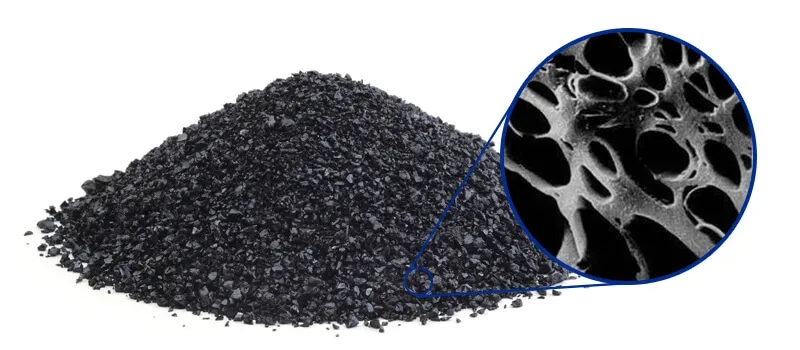
Activated carbon is a highly porous form of carbon with an enormous internal surface area that adsorbs dissolved substances from water onto its surface rather than absorbing them into its bulk. Activated carbon in aquarium filters captures dissolved organic compounds, chlorine, chloramine, tannins that discolor water, phenols that cause odor, and many other impurities that mechanical or biological filtration cannot remove.[3][1]
- Activated carbon improves water clarity by removing yellowing “humic” and “fulvic” substances that block light and make water look old or dirty.[4][1]
- Activated carbon helps remove residual medications and many chemical contaminants after treatments, protecting sensitive fish, shrimp, corals, and beneficial bacteria.[2][4]
Is It Safe to Put Activated Carbon in Aquarium?
Used correctly, activated carbon is generally safe for freshwater and marine aquariums and is widely recommended by aquarium brands and expert hobbyists. However, activated carbon should not be poured loose directly into the tank; it should always be contained in a filter compartment or fine media bag to prevent dust and small particles from spreading into the water.[1][3]
- Aquarium‑grade activated carbon is processed and washed for water contact; some carbons made for air filters or industrial use can contain dust or impurities and are not ideal for direct aquarium use.[5][3]
- Some reef keepers and advanced hobbyists note possible connections between dusty or soft activated carbon and issues such as head and lateral line erosion (HLLE) in sensitive marine fish, so thorough rinsing and moderate flow are important.[6]
How to Use Activated Carbon in Aquarium Filters
Activated carbon works best when aquarium water is forced to flow through a packed bed of carbon in a controlled way, such as in a canister filter, internal filter, hang‑on‑back filter, or media reactor. Proper placement ensures that as much water as possible contacts the activated carbon surface before returning to the aquarium.[2][3]
- Place activated carbon after mechanical filtration (sponges, pads) so that large particles do not clog the pores and reduce the adsorption capacity of the activated carbon.[3][1]
- In high‑performance reef or large freshwater systems, activated carbon is often used in a fluidized media reactor or high‑flow chamber to maximize contact time and adsorption efficiency.[4][2]
How Much Activated Carbon to Put in Aquarium
The amount of activated carbon to put in an aquarium depends on tank volume, bioload, water quality issues, and whether the system is freshwater or saltwater. Commercial guidelines for aquarium‑grade activated carbon often recommend small dosages such as about 1 tablespoon of activated carbon per 3–10 gallons of water, depending on carbon type and tank conditions.[7][2]
- Marine and reef suppliers commonly suggest activated carbon doses in the range of roughly 1 tablespoon per 7.5 gallons for high‑grade, low‑phosphate carbons, or about 1 tablespoon per 3 gallons for standard aquarium activated carbon.[7]
- Many reef keepers and experienced aquarists report effective use of activated carbon at about 1 tablespoon per 5–10 gallons of water, emphasizing that “it does not take much” activated carbon to achieve clear water in a stable system.[8][2]
How Often to Replace Activated Carbon in Aquarium
Activated carbon gradually becomes saturated with contaminants and loses efficiency, so it must be replaced regularly to keep providing chemical filtration. Many aquarium and reef sources recommend replacing activated carbon every 1–4 weeks depending on load, with 7–14 days being a common interval in marine tanks where water clarity and chemical purity are critical.[2][3]
- When activated carbon is used to remove a specific toxin, chemical spill, or medication, it is often replaced quickly (for example after 3–7 days) to ensure that fresh activated carbon continues adsorbing strongly.[4][2]
- Old activated carbon can stop working and in some cases may slowly release previously adsorbed substances or phosphate back into the water, especially if low‑quality activated carbon is used or it remains in the filter for a long time.[1][3]
Benefits of Putting Activated Carbon in Aquarium
Putting activated carbon in an aquarium provides multiple benefits beyond simple water clarity, especially in systems with high feeding, organic waste, or sensitive livestock. Activated carbon in aquarium filters acts as a polishing stage that supports biological filtration by reducing the dissolved organic load.
- Activated carbon quickly removes many dissolved organic compounds that can cause smell, discoloration, and surface film, making the aquarium more visually appealing and pleasant in a home or office.[3][1]
- Activated carbon helps protect fish and invertebrates by adsorbing traces of chlorine, chloramine, and many treatment chemicals, and by reducing the overall organic load that can otherwise stress animals and fuel algae growth.[9][1]
Limitations and Myths About Activated Carbon in Aquarium
While activated carbon in aquarium filtration is very useful, it is not a magic solution for every water quality problem. Some scientific and hobbyist sources emphasize that activated carbon is not effective for removing key toxic nitrogen compounds like ammonia and nitrite, which must be controlled by biological filtration and water changes.[10][1]
- Activated carbon is poor at removing certain inorganic contaminants such as many heavy metals, fluoride, and some dissolved salts, which may require reverse osmosis, ion exchange, or other specialized treatments.[1]
- There is ongoing debate in the aquarium community about whether old activated carbon “leaches toxins back” into the water; some authors argue that most significant desorption requires specific conditions, but leaving exhausted activated carbon in the filter offers no benefit and is not recommended.[11][2]
Choosing the Right Activated Carbon for Aquarium Use
Not all activated carbon is the same; different raw materials, activation methods, and particle sizes produce different performance profiles in aquarium water. For most aquariums, granular activated carbon (GAC) made from coconut shell or bituminous coal is common, while pelletized and block forms of activated carbon are more often used in certain reactors or advanced systems.[9][1]
- High‑quality aquarium activated carbon is typically low in phosphate and well‑washed to minimize dust and impurity extractables that could cloud water or fuel algae.[5][7]
- Some reef aquarists prefer harder, low‑dust activated carbon to reduce the risk of fine particles irritating fish or contributing to HLLE, and they rinse activated carbon thoroughly before use.[6][5]
When You Should Use Activated Carbon in Aquarium
Activated carbon does not always need to run continuously in every aquarium, especially if water changes and bio‑filtration are strong. Many aquarists choose to use activated carbon in aquarium filters in specific situations where rapid chemical cleanup or aesthetic polishing is needed.[4][1]
- Activated carbon is particularly useful after medication treatments, after the introduction of driftwood that releases tannins, after obvious water discoloration, or after a suspected chemical contamination.[2][4]
- In heavily stocked or display tanks where crystal‑clear water is desirable, continuous or intermittent activated carbon use can help maintain a pristine appearance and reduce odors without major changes to the filtration system.[9][3]
Practical Tips for Using Activated Carbon in Aquarium
Good practice with activated carbon in aquarium systems helps maximize benefits while avoiding unnecessary costs or side effects. Simple steps such as rinsing, correct placement, and scheduled replacement make activated carbon more reliable in everyday aquarium care.[3][1]
- Rinse new activated carbon with clean water (preferably treated or RO water) until the rinse water runs clear, which removes excess dust and prevents black residue from clouding the tank.[6][3]
- Use a fine mesh media bag or dedicated cartridge to hold activated carbon, place it in an area of strong but not extreme flow, and note the installation date so that activated carbon can be replaced on a fixed schedule.[2][3]
Conclusion
Putting activated carbon in an aquarium is both safe and beneficial when the activated carbon is aquarium‑grade, properly rinsed, and confined within a filter or media bag with appropriate flow. Activated carbon in aquarium filtration improves water clarity and odor, removes many dissolved organics and treatment residues, and serves as a powerful chemical filtration stage alongside mechanical and biological media.[1][3]
To get the best results, select a high‑quality granular activated carbon with low phosphate, dose activated carbon conservatively according to tank volume, and replace activated carbon every few weeks or after major contamination events. Activated carbon should not be relied on to remove ammonia or nitrite, but when used as part of an overall filtration strategy, activated carbon helps maintain a healthier, more attractive aquarium environment for fish, plants, and corals.[10][1][2]

FAQ About Putting Activated Carbon in Aquarium
1. Does activated carbon remove ammonia and nitrite in aquarium?
Activated carbon in aquarium filters is not effective for removing ammonia and nitrite, which are the primary toxic nitrogen compounds that harm fish. These pollutants must be controlled by biological filtration (nitrifying bacteria), regular water changes, and, if needed, specialized media such as zeolite, rather than relying on activated carbon.[10][1]
2. Can activated carbon “leak” chemicals back into aquarium water?
Most modern references agree that fully saturated activated carbon in aquarium conditions mainly becomes inactive rather than suddenly dumping all adsorbed substances back into the water, but it no longer helps once it is exhausted. However, very old or low‑quality activated carbon can release some phosphate or minor amounts of adsorbed compounds, which is why aquarium activated carbon is typically replaced every 1–4 weeks instead of being left in the filter indefinitely.[11][1][2]
3. Is activated carbon necessary in every aquarium filter?
Activated carbon in aquarium filters is beneficial but not absolutely mandatory; many successful systems run with only mechanical and biological filtration plus water changes. Activated carbon becomes more important when there are persistent odors, visible yellow tint, heavy feeding, medication use, or sensitive livestock that benefit from extra chemical polishing of the water.[12][13][9][1]
4. Can activated carbon harm aquarium plants or corals?
Moderate use of activated carbon in aquarium filters is generally safe for most aquarium plants and corals, though some planted‑tank and reef keepers avoid very aggressive or continuous activated carbon use because it can reduce certain dissolved organics and trace elements. In practice, using a modest amount of activated carbon, replacing it regularly, and maintaining balanced fertilization and water parameters usually prevents any negative effect on plant or coral health.[12][6][4]
5. Can non‑aquarium activated carbon products be used in aquarium?
Some activated carbon products designed for water purification in other devices may be chemically similar to aquarium activated carbon, but they can contain impurities, binders, or dust levels that are not optimized for aquarium use. For safety and consistent performance, most experts recommend using activated carbon that is specifically labeled for aquarium or drinking‑water applications, and always rinsing the activated carbon thoroughly before placing it in the aquarium filter.[5][3]
Citations:
[1](https://en.aqua-fish.net/articles/effects-aquarium-carbon-water-quality)
[2](https://www.bulkreefsupply.com/reef-calculator/carbon-calculator-aquarium)
[3](https://www.aquaticexperts.com/pages/activated-carbon-in-your-aquarium)
[4](https://coralaxy.de/en/blogs/wissenswertes/activated-carbon-how-it-works-in-reef-tanks)
[5](https://kolarlabs.com/products/carbon-granular-activated-crystal-cal)
[6](https://www.reefbum.com/water-chemistry/pluses-minuses-using-activated-carbon/)
[7](https://topshelfaquatics.com/pages/carbon-calculator)
[8](https://www.reef2reef.com/threads/how-much-activated-carbon-is-too-much.445087/)
[9](https://activatedcarbondepot.com/blogs/news/activated-carbon-for-aquariums-a-complete-guide)
[10](https://aquariumscience.org/index.php/7-4-2-activated-carbon/)
[11](https://barrreport.com/threads/myth-busters-activated-carbon-will-leach-back-toxins-in-the-water-once-saturated.9529/)
[12](https://www.co2art.eu/blogs/blog/activated-carbon-in-a-planted-tank)
[13](https://www.reddit.com/r/Aquariums/comments/1eebto6/how_important_is_activated_carbon_in_filters/)
[14](https://www.reddit.com/r/Aquariums/comments/tw7ym6/will_this_be_alright_to_use_in_an_aquarium_filter/)
[15](https://www.reddit.com/r/Aquariums/comments/26do4z/what_is_aquarium_activated_carbon_and_why_its_a/)
[16](https://www.reddit.com/r/Aquariums/comments/4v912l/dont_use_activated_carbon_with_a_planted_aquarium/)
[17](https://www.bunnycart.com/blog/how-important-is-activated-carbon-in-your-aquarium/)
[18](https://www.facebook.com/groups/320106974244685/posts/556726603916053/)
[19](https://www.aquaticexperts.com/pages/activated-carbon-in-your-aquarium?srsltid=AfmBOoqgh5Jx4fVQogoRYwLNczbO-h7FC1kHB1fPMzWpIao58jKvr3mJ)
[20](https://www.aquariacentral.com/forums/threads/pros-and-cons-of-activated-carbon.40340/)


