Content Menu
● What Is Activated Carbon?
● Is It Safe To Eat Activated Carbon?
● Medical Uses Of Activated Carbon You Can Swallow
● Risks Of Eating Activated Carbon In Food And Drinks
● How Food‑Grade And Medical‑Grade Uses Differ
● Practical Guidelines If Someone Wants To Take Activated Carbon
● How Activated Carbon Is Used Safely In Industry (Not For Eating)
● Conclusion
● FAQ About Eating Activated Carbon
>> 1. Can I eat activated carbon every day?
>> 2. Does activated carbon really detox the body?
>> 3. Is activated carbon in food legal and regulated?
>> 4. Can activated carbon interfere with my medications?
>> 5. Who should avoid taking activated carbon by mouth?
● Citations:
Eating small, controlled doses of medical‑grade activated carbon (often called activated charcoal) can be safe in specific situations under professional supervision, but casually adding activated carbon to food and drinks as a trend is not recommended. Activated carbon can interfere with medications and nutrients, cause constipation or even bowel blockage in rare cases, and should not be taken regularly without medical advice.[1][2][3][4][5]
What Is Activated Carbon?
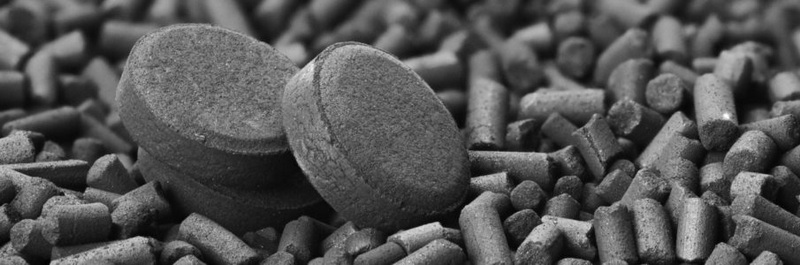
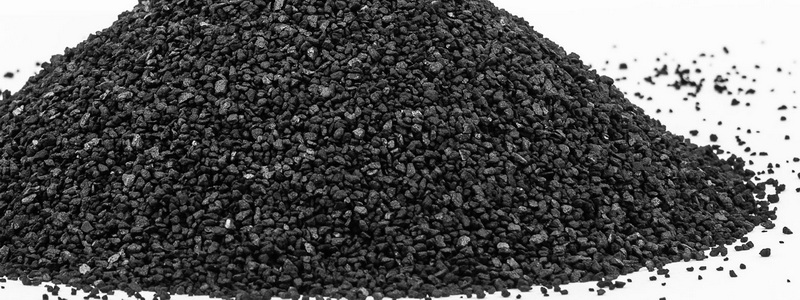
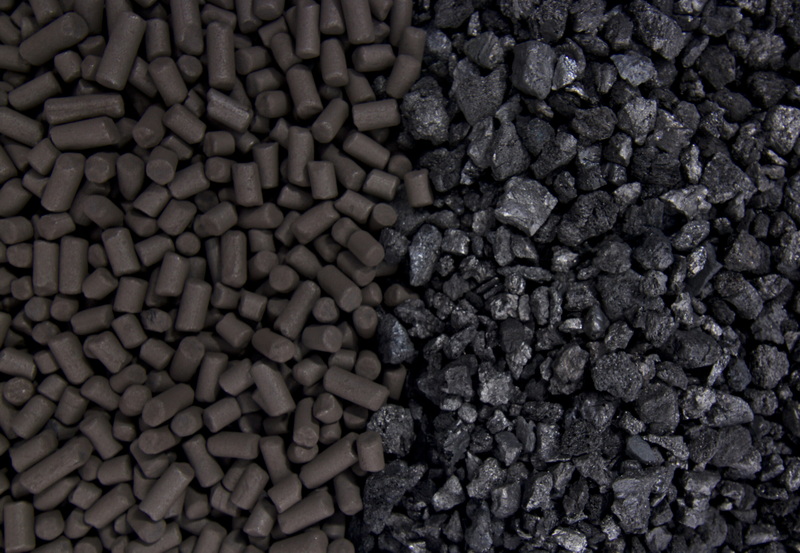
Activated carbon is a specially processed carbon material with a huge internal surface area and microscopic pores that adsorb (trap) molecules from liquids and gases. In water treatment, air purification, and many industrial applications, activated carbon removes contaminants such as organic chemicals, odors, and certain dissolved pollutants.[3][6][7]
In medical and emergency settings, activated carbon is used as a gastrointestinal decontaminant to help prevent absorption of certain poisons or overdosed drugs when given shortly after ingestion. This medical use relies on the extremely high adsorption capacity of activated carbon, which binds toxins in the digestive tract so they pass out of the body instead of entering the bloodstream.[8][6]
Is It Safe To Eat Activated Carbon?
Medical references describe activated carbon as likely safe for most adults when taken by mouth in appropriate doses for short periods, with constipation and black stools as the most common side effects. However, long‑term or frequent consumption of activated carbon as a “wellness” supplement or food additive is not recommended because it can bind beneficial nutrients and medications, reducing their absorption and effectiveness.[2][9][4][5][10]
Health organizations and toxicology guidelines emphasize that activated carbon should mainly be used for poisoning or overdose under professional supervision, typically within about one hour of ingesting the toxin. For routine detox, digestion, or general health claims, scientific reviews find little reliable evidence of benefit and highlight potential risks, especially when activated carbon is added to trendy foods and drinks without dosing control.[4][6][11][12][8][3]
Medical Uses Of Activated Carbon You Can Swallow
Doctors and poison centers use activated carbon suspensions to treat certain acute poisonings and drug overdoses because the porous carbon surface strongly adsorbs many pharmaceuticals and chemicals in the gut. In some serious intoxications, multiple‑dose activated carbon regimens are used to reduce the half‑life of specific drugs by interrupting enterohepatic circulation.[13][6][8]
Oral activated carbon is also marketed in some places for gas, bloating, and diarrhea relief, although evidence for routine digestive use is mixed and not as strong as for its role in poisoning. Even in these over‑the‑counter products, manufacturers and clinicians warn that activated carbon can interact with medicines taken around the same time, so spacing or medical consultation is advised.[14][15][2][13][3]
Risks Of Eating Activated Carbon In Food And Drinks
Nutrition and regulatory sources warn that activated carbon added to foods and beverages can bind not only toxins but also vitamins, minerals, antioxidants, and medications, leading to reduced nutrient absorption and potentially contributing to deficiencies if used frequently. Because activated carbon is highly non‑selective, it may also reduce the effectiveness of oral drugs such as antidepressants, anti‑inflammatories, birth control, or heart medications if consumed around the same time.[9][10][16][3][4]
Common side effects of oral activated carbon include constipation, black stools, diarrhea, stomach discomfort, and vomiting, with rare reports of bowel obstruction or perforation, especially in people with underlying gut motility problems or blockages. Clinical guidance specifically discourages giving activated carbon to people with impaired consciousness, a high risk of aspiration, or intestinal obstruction, because of the chance of aspiration pneumonitis or worsening blockage.[17][5][6][2][8]
How Food‑Grade And Medical‑Grade Uses Differ
Medical‑grade activated carbon is produced under controlled conditions, tested for purity, and dosed carefully based on body weight and timing to maximize benefit and minimize risk. In contrast, activated carbon in trendy black foods, juices, cocktails, or desserts is often added for color and marketing appeal rather than a clear therapeutic need, with variable quality and no precise dosing control.[11][12][16][18][1][8]
Regulatory and food‑safety bodies have raised concerns that charcoal and activated carbon are not listed as generally recognized as safe (GRAS) direct food ingredients in certain jurisdictions, and that long‑term frequent consumption could pose public health risks when non‑food‑grade sources are used. Experts therefore advise that occasional small exposures from approved products may be tolerated in healthy people, but routine or heavy intake of activated carbon in food is unwise.[10][16][1][9][4]
Practical Guidelines If Someone Wants To Take Activated Carbon
People on regular medications or with chronic health conditions are advised to talk to a healthcare professional before taking activated carbon because of its strong interaction potential. Those with intestinal obstruction, reduced gut motility, or high aspiration risk should avoid oral activated carbon unless directly instructed and supervised by clinicians.[6][15][2][8][17][3]
For general wellness, nutrition and toxicology experts recommend improving diet, hydration, and lifestyle rather than relying on activated carbon supplements or charcoal‑colored foods for “detox,” since the body's liver and kidneys already perform detoxification effectively. Occasional, small, food‑grade activated carbon intake in a healthy adult who is not taking critical medications is unlikely to cause harm, but regular use offers little proven benefit and can still interfere with nutrient and drug absorption.[19][16][7][3][4]
How Activated Carbon Is Used Safely In Industry (Not For Eating)
Outside the body, activated carbon is an essential material for water treatment, air and gas purification, food and beverage decolorization, and chemical and pharmaceutical processing, where it captures unwanted contaminants and is then filtered out. In these applications, the activated carbon remains in closed systems or filter housings, so operators and end‑users do not typically ingest significant amounts of the media itself.[7][3]
Industrial standards and quality systems specify different grades of activated carbon for potable water, food contact, pharmaceutical processing, and general industrial uses, with strict limits on impurities that might leach into fluids. This allows activated carbon to protect consumer safety by removing contaminants before products are consumed, rather than relying on people to eat activated carbon directly.[3][6]
Conclusion
Eating activated carbon in the form of properly dosed, medical‑grade activated carbon can be appropriate and effective for specific poisonings or overdoses when guided by healthcare professionals. However, regularly consuming activated carbon in foods, drinks, or supplements for general “detox” or wellness is not supported by strong evidence and carries real risks, including constipation, nutrient binding, and interference with critical medications. For most people, activated carbon is far more valuable as a powerful purification medium in water, air, and industrial systems than as something to eat, and any intentional ingestion of activated carbon should be cautious, limited, and medically supervised.[5][16][4][11][1][8][6][3]
FAQ About Eating Activated Carbon
1. Can I eat activated carbon every day?
Daily intake of activated carbon is not recommended because it can bind vitamins, minerals, and medications in the gut, potentially leading to nutrient deficiencies and reduced drug effectiveness. Medical references describe long‑term use as only “possibly safe” and emphasize that benefits outside poisoning treatment are unproven.[2][9][4][10][3]
2. Does activated carbon really detox the body?
Activated carbon can adsorb some toxins in the digestive tract when used correctly for acute poisoning, but it does not “detox” the whole body in the broad way often claimed in marketing. Experts argue that routine detox products with activated carbon are more likely to remove useful nutrients than to provide meaningful health benefits.[16][4][8][6][7][3]
3. Is activated carbon in food legal and regulated?
Some food‑safety and regulatory organizations note that charcoal and activated carbon are not explicitly listed as GRAS direct food additives in certain regulations, and warn about potential public health risks from frequent consumption of non‑food‑grade products. Local rules differ, so manufacturers need to follow national food standards, and consumers should favor reputable brands using food‑grade activated carbon with clear labeling.[9][16]
4. Can activated carbon interfere with my medications?
Yes, activated carbon can significantly reduce absorption of many oral drugs, including some antidepressants, anti‑inflammatory medicines, and other critical therapies, which is why it is used in overdose treatment to block drug uptake. Medical and pharmacy guidance therefore advises patients to consult a clinician before taking activated carbon supplements and to avoid unplanned ingestion close to medication times.[15][13][10][2][8][3]
5. Who should avoid taking activated carbon by mouth?
People with intestinal obstruction, severely slowed gut motility, or impaired consciousness are advised not to take activated carbon because of risks such as bowel blockage and aspiration. Pregnant or breastfeeding individuals, babies, and young children should only receive oral activated carbon under direct medical advice, and anyone on regular medications should seek professional guidance first.[17][15][8][6][3]
Citations:
[1](https://healthcare.utah.edu/healthfeed/2024/10/should-you-be-eating-activated-charcoal)
[2](https://www.webmd.com/vitamins/ai/ingredientmono-269/activated-charcoal)
[3](https://www.medicalnewstoday.com/articles/322609)
[4](https://theconversation.com/activated-charcoal-doesnt-detox-the-body-four-reasons-you-should-avoid-it-97899)
[5](https://www.healthline.com/nutrition/activated-charcoal)
[6](https://pmc.ncbi.nlm.nih.gov/articles/PMC6620762/)
[7](https://www.goodrx.com/well-being/supplements-herbs/what-is-activated-charcoal-detox-medication-interactions)
[8](https://www.ncbi.nlm.nih.gov/books/NBK482294/)
[9](https://www.afdo.org/resolutions/resolution-1-charcoal-aka-activated-carbon-used-as-a-food-or-beverage-ingredient/)
[10](https://wexnermedical.osu.edu/our-stories/what-to-know-about-the-activated-charcoal-trend)
[11](https://newsroom.uw.edu/blog/black-charcoal-new-food-and-drink-trend)
[12](https://medicalguidelines.msf.org/en/viewport/EssDr/english/activated-charcoal-oral-16683292.html)
[13](https://pmc.ncbi.nlm.nih.gov/articles/PMC10008342/)
[14](https://www.webmd.com/vitamins-and-supplements/activated-charcoal-uses-risks)
[15](https://my.clevelandclinic.org/health/drugs/18797-activated-charcoal-oral-suspension)
[16](https://www.bbcgoodfood.com/health/nutrition/what-activated-charcoal-and-it-safe)
[17](https://www.healthline.com/health/activated-charcoal-gastroenteritis)
[18](https://www.mayoclinic.org/drugs-supplements/charcoal-activated-oral-route/description/drg-20070087)
[19](https://www.reddit.com/r/askscience/comments/9ykrzl/why_is_consuming_activated_charcoal_harmless_and/)
[20](https://www.reddit.com/r/Cooking/comments/nqo0xc/activated_charcoal_should_not_be_use_in_food/)


