Content Menu
● What Happens When Activated Carbon Is Used?
● Can You Clean Activated Carbon at Home?
● DIY “Reactivation” vs. True Reactivation
● Industrial Thermal Reactivation of Activated Carbon
● When Does Cleaning and Reuse Make Sense?
● Practical Steps to Clean Activated Carbon for Limited Reuse
● Risks and Limitations of Cleaning Activated Carbon
● Environmental and Economic Benefits of Reactivated Activated Carbon
● Best Practices to Extend Activated Carbon Life
● Conclusion
● FAQ About Cleaning and Reusing Activated Carbon
>> 1. Can I wash activated carbon and use it again?
>> 2. How many times can activated carbon be reused?
>> 3. Is it safe to reuse activated carbon in drinking water filters?
>> 4. What is the difference between cleaning and reactivating activated carbon?
>> 5. Does reusing activated carbon help the environment?
● Citations:
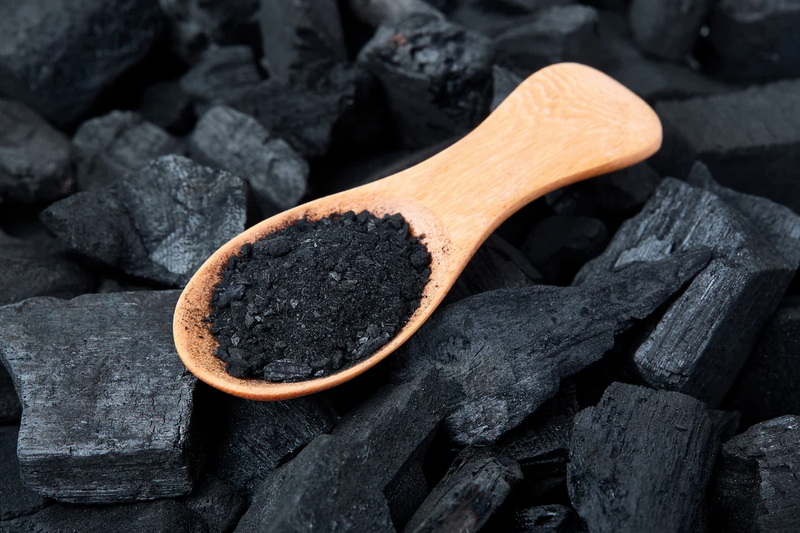
Activated carbon can be cleaned and reused in limited ways, but simple rinsing or washing does not truly restore the original adsorption capacity of the activated carbon. For serious water, air, and process applications, professional regeneration or thermal reactivation is usually required if you want to reuse activated carbon at a high performance level.[1][2][3][4][5]
What Happens When Activated Carbon Is Used?
Activated carbon is a highly porous form of carbon with a huge internal surface area that captures contaminants on its surface by adsorption. Over time, the pores of the activated carbon fill up with organics, odors, and other molecules, and the activated carbon gradually becomes saturated and loses efficiency.[3][6][1]
- In water treatment, activated carbon adsorbs organic chemicals, chlorine, disinfection by‑products, and trace pollutants until its pores are loaded.[6][3]
- In air and gas purification, activated carbon captures VOCs and odor molecules, and eventually “breakthrough” occurs when contaminants start to pass through.[5][1]
Once activated carbon is saturated, its adsorption sites are largely occupied, so simple cleaning cannot fully restore its original performance.[1][3]
Can You Clean Activated Carbon at Home?
For small household systems, activated carbon can be rinsed or lightly cleaned to remove dust, sludge, and loose particles, but this does not create new pores or fully regenerate the activated carbon.[2][7][1]
Typical “cleaning” steps for small users include:[7][2]
- Rinsing activated carbon with clean water in a strainer to remove fines and debris.
- Soaking activated carbon in water with agitation to flush out some soluble impurities.
- Drying activated carbon in air or at low oven temperature to remove moisture.
These steps can help refresh activated carbon physically, improve flow, and remove some surface dirt, but the internal adsorption sites inside the activated carbon remain largely occupied. This means the cleaned activated carbon will not perform like fresh activated carbon for demanding purification tasks.[8][2][1]
DIY “Reactivation” vs. True Reactivation
Online guides sometimes describe boiling and oven‑heating activated carbon to “reactivate” it for aquariums or small filters. Boiling can help desorb some loosely bound organics and remove trapped air, and heating can drive off moisture and some volatile compounds from activated carbon.[9][10][11][12]
However, true reactivation of activated carbon requires:[13][14][3][5]
- Very high temperatures, typically 500–900 °C, in controlled furnaces.
- Steam or other gases to gasify adsorbed materials and reopen the pore structure of the activated carbon.
At these conditions, the adsorbed organics are thermally destroyed and the pore structure of the activated carbon is restored, often recovering most of the original adsorption capacity. Home boiling or low‑temperature baking cannot reach these conditions and therefore cannot truly reactivate activated carbon to industrial specifications.[3][13][6][5][1]
Industrial Thermal Reactivation of Activated Carbon
In industrial practice, spent activated carbon is often sent to specialized facilities for thermal reactivation and reuse.[4][14][5][3]
Key features of industrial reactivation of activated carbon include:[15][13][5][3]
- Pre‑drying and cleaning: Spent activated carbon is dried and screened to remove large debris.
- High‑temperature treatment: Activated carbon is heated in rotary or multi‑hearth kilns, typically between about 600 and 900 °C, under controlled atmosphere.
- Steam reactivation: Steam is injected at high temperature (often around 800–900 °C) to gasify adsorbed organics and reopen pores in the activated carbon.
- Cooling and sizing: Reactivated activated carbon is cooled, screened, and sometimes milled or classified before being returned to service.
Thermal reactivation restores most of the adsorption capacity of granular or pelletized activated carbon and enables multiple reuse cycles, although 5–10% carbon loss per cycle is common and must be compensated with fresh activated carbon. Reactivation of activated carbon can significantly reduce operating cost and environmental impact compared with always buying virgin activated carbon.[16][13][4][6][5][3]
When Does Cleaning and Reuse Make Sense?
Whether you can clean and reuse activated carbon depends strongly on the scale and the application.[14][4][3]
- Household filters: In small water pitchers, faucet filters, air purifiers, and aquarium cartridges, activated carbon is usually treated as a consumable. Rinsing activated carbon may help remove dust and improve flow but will not restore full capacity, so replacement according to manufacturer recommendations is still essential.[10][9][7][1]
- Hobby and light duty uses: For aquariums, home brewing, or odor control, some users clean and reuse activated carbon a few times by soaking, boiling, and drying, accepting reduced capacity. This can be economically attractive if performance requirements are not critical, but it is not equivalent to fresh activated carbon.[17][9][2][8][1]
- Industrial systems: In municipal water, industrial wastewater, food and beverage, chemical, and pharmaceutical applications, spent activated carbon is commonly reactivated in professional facilities and returned to service or replaced with reactivated activated carbon from a central pool.[4][5][14][3]
In high‑risk applications (drinking water, pharmaceuticals, emissions control), uncontrolled DIY cleaning of activated carbon is not acceptable, and formal reactivation or replacement is required.[14][3][4]
Practical Steps to Clean Activated Carbon for Limited Reuse
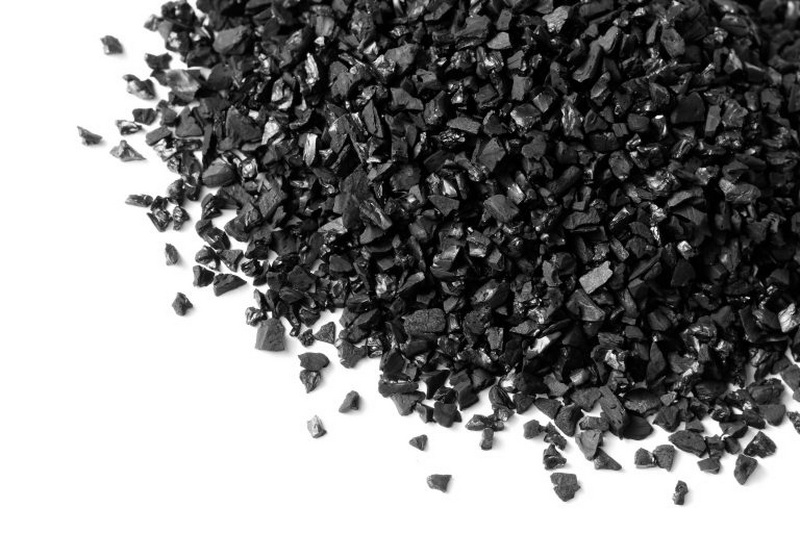
If you choose to clean and reuse activated carbon in non‑critical applications, the following practical steps are often suggested for limited refreshing:[11][9][2][7]
1. Pre‑rinsing the activated carbon
- Place the activated carbon in a fine mesh strainer.
- Rinse thoroughly with clean water until visible dust is removed.
2. Soaking the activated carbon
- Place the rinsed activated carbon in a container with plenty of clean water (for example, 5:1 water to activated carbon by volume).[2]
- Stir periodically and soak for 30 minutes or more to loosen soluble impurities from the activated carbon.[2]
3. Boiling for deeper cleaning (optional)
- Transfer the activated carbon to a pot of water and boil for several minutes to help desorb some contaminants and remove trapped gases.[9][11]
- Replace the water and repeat boiling cycles if desired, ensuring the activated carbon is not damaged or lost.[9]
4. Draining and final rinsing
- Drain the activated carbon through a strainer, pressing gently to remove excess water.[2]
- Rinse again with clean water to remove loosened contaminants from the activated carbon surface.[7][2]
5. Drying the activated carbon
- Spread the activated carbon on a clean tray or towel and air‑dry well, or dry in an oven at low temperature (around 100 °C) for 20–60 minutes.[9][2]
- Allow the activated carbon to cool completely to avoid condensation in sealed containers.
6. Storage before reuse
- Store the cleaned activated carbon in an airtight container or bag away from strong odors, because activated carbon can adsorb contaminants from air during storage.[2]
Even with these steps, the adsorption capacity of the activated carbon will be lower than new, and the number of effective reuse cycles is limited (often a few cycles at most).[8][2]
Risks and Limitations of Cleaning Activated Carbon
Cleaning and reusing activated carbon has several important limitations and risks that users must understand.[18][1][8][2]
- Incomplete contaminant removal: Many organic molecules, heavy compounds, and complex mixtures remain strongly bound in the pores of activated carbon and are not removed by simple washing or boiling.[6][16][3]
- Bacterial growth: If activated carbon is used in warm, nutrient‑rich environments and then stored damp, bacterial biofilms can develop inside the pores, which may compromise water or air quality when the activated carbon is reused.[18][1]
- Physical degradation: Repeated handling, washing, and heating can cause abrasion and attrition of activated carbon particles, increasing fines and pressure drop and reducing effective bed life.[5][6]
- Performance uncertainty: After cleaning, it is difficult for small users to test the remaining capacity of activated carbon, so breakthrough may occur earlier than expected.[8][6]
Because of these limitations, cleaning and reuse of activated carbon should be considered a temporary or non‑critical solution unless backed by proper reactivation technology and quality control.[3][4][14]
Environmental and Economic Benefits of Reactivated Activated Carbon
In industrial and municipal systems, reactivation and reuse of activated carbon can significantly lower both operating costs and environmental footprint.[16][4][6][3]
- Cost savings: Studies show that reactivating spent activated carbon can cost a fraction of buying virgin activated carbon, sometimes around one‑seventh to one‑tenth of the price, depending on energy and process conditions.[6][5]
- Waste reduction: Reactivating activated carbon reduces the volume of spent activated carbon that must be disposed of as solid or hazardous waste.[15][4][3]
- Lower CO₂ emissions: Reactivation avoids repeated production and transport of virgin activated carbon, lowering CO₂ emissions and supporting circular economy goals.[4][15][3]
Professional reactivation services for granular and pelletized activated carbon are widely offered by specialized companies and are integrated into complete purification solutions.[5][14][4]
Best Practices to Extend Activated Carbon Life
Regardless of whether activated carbon will be cleaned or reactivated, proper system design and operation can significantly extend the useful life of activated carbon.[14][3][4]
- Pre‑treatment: Use sediment filters or clarification before activated carbon to remove suspended solids and reduce fouling.[3][4]
- Proper sizing: Ensure adequate contact time and bed depth so that activated carbon is not overloaded, which delays breakthrough and extends change‑out intervals.[5][3]
- Avoid overload: Do not expose activated carbon to contaminants or concentrations beyond its design limits, which can cause rapid saturation or irreversible fouling.[15][3]
- Monitor performance: Track key parameters such as chlorine, organics, VOCs, or odor levels at the outlet to determine when activated carbon needs replacement or reactivation.[14][3]
Good operating discipline maximizes the value of both virgin and reactivated activated carbon and improves lifecycle cost and sustainability.[4][6][3]
Conclusion
Activated carbon is a powerful adsorbent, but once its pores become saturated with contaminants, simple cleaning cannot fully restore its original capacity. Rinsing, soaking, boiling, and drying can refresh activated carbon to a limited degree for low‑risk applications, but they do not replace professional reactivation or new activated carbon in critical water and air treatment systems.[1][9][3][2]
Industrial thermal reactivation at high temperatures with steam can successfully regenerate granular and pelletized activated carbon, allowing multiple reuse cycles and reducing both cost and environmental impact. For household users, the safest and most reliable practice is to treat activated carbon filters as consumables, using limited cleaning only as a temporary measure and following manufacturer replacement guidelines.[13][7][1][8][3][4][6][5][14]
When selecting a strategy, consider the application's risk level, regulatory requirements, and the availability of professional reactivation services for activated carbon.[3][4][14]
FAQ About Cleaning and Reusing Activated Carbon
1. Can I wash activated carbon and use it again?
Yes, you can wash activated carbon to remove dust, sludge, and loose debris, and then use it again in low‑risk applications, but washing will not fully restore its adsorption capacity. The pores of the activated carbon remain partially blocked by contaminants, so performance will be lower and breakthrough may occur sooner than with fresh activated carbon.[7][1][8][2][3]
2. How many times can activated carbon be reused?
For DIY cleaning, activated carbon can sometimes be reused a few cycles if carefully rinsed, soaked, and dried, although each cycle usually reduces efficiency further. In industrial thermal reactivation facilities, granular activated carbon can often be reactivated and reused many times, with some mass loss and capacity loss compensated by adding fresh activated carbon.[17][8][13][6][5][2][3]
3. Is it safe to reuse activated carbon in drinking water filters?
In certified point‑of‑use drinking water filters, manufacturers generally design activated carbon as a consumable and specify a replacement interval rather than reuse. Reusing or home‑reactivating activated carbon in drinking water filters can introduce risks such as bacterial growth, incomplete contaminant removal, and loss of certification, so it is typically not recommended.[1][4][14][3]
4. What is the difference between cleaning and reactivating activated carbon?
Cleaning activated carbon refers to physical steps such as rinsing, soaking, or boiling to remove loose particles and some adsorbed materials from the surface. Reactivating activated carbon is an industrial process where spent activated carbon is heated to very high temperatures (often 500–900 °C) with steam or controlled gases to thermally destroy adsorbed contaminants and reopen the pore structure, recovering most of the adsorption capacity.[13][7][9][5][14][2][3]
5. Does reusing activated carbon help the environment?
Yes, reusing activated carbon through proper thermal reactivation reduces the need for virgin activated carbon production, lowers waste volumes, and cuts CO₂ emissions associated with manufacturing and transport. When activated carbon is reactivated instead of disposed of, lifecycle assessments often show lower environmental impact for water treatment, air purification, and industrial filtration processes.[16][4][6][15][3]
Citations:
[1](https://lifesupplyusa.com/blogs/news/how-is-a-carbon-filter-activated-and-can-it-be-reused)
[2](https://cheekypeakbrewery.com.au/how-to-clean-activated-carbon-for-re-use/)
[3](https://www.carbotecnia.info/en/learning-center/activated-carbon-theory/activated-carbon-reactivation/)
[4](https://www.chemviron.eu/solutions/activated-carbon-reactivation/)
[5](https://feeco.com/spent-carbon-reactivation/)
[6](https://pmc.ncbi.nlm.nih.gov/articles/PMC7180969/)
[7](https://bostonreefers.org/forums/index.php?threads%2Fcleaning-used-activated-carbon.103248%2F)
[8](https://www.reef2reef.com/threads/activated-carbon-can-you-reuse.746377/)
[9](https://www.reddit.com/r/Aquariums/comments/6523c2/can_i_reuse_my_activated_carbon/)
[10](https://www.youtube.com/watch?v=XRlOrxORadU)
[11](https://www.youtube.com/watch?v=jZYmCDa2zKU)
[12](https://www.reddit.com/r/microgrowery/comments/1b2dq9r/how_do_you_all_refresh_your_activated/)
[13](https://carbons.ir/en/thermal-recovery-of-activated-carbon-thermal-reactivation/)
[14](https://www.calgoncarbon.com/reactivation-services/)
[15](https://feeco.com/a-look-at-activated-carbon-thermal-regeneration/)
[16](https://www.sciencedirect.com/science/article/abs/pii/S0255270119315089)
[17](https://homedistiller.org/forum/viewtopic.php?t=26003)
[18](https://forum.growweedeasy.com/forum/growing-community/641675-cleaning-and-reactivating-a-carbon-filter)
[19](https://www.sciencedirect.com/science/article/pii/S1944398625001195)
[20](https://www.facebook.com/groups/624486762747155/posts/1137725208089972/)


