Content Menu
● What Activated Carbon Filters Actually Do
● Can You Clean an Activated Carbon Filter?
● How to Clean an Activated Carbon Air Filter
● How to Clean an Activated Carbon Water Filter
● Why Cleaning Cannot Fully Restore Activated Carbon
● Professional Regeneration of Activated Carbon
● Practical Tips to Extend Activated Carbon Filter Life
● Conclusion
● FAQ – Activated Carbon Filter Cleaning
>> (1) How many times can an activated carbon filter be cleaned?
>> (2) Is it safe to use soap or detergent on an activated carbon filter?
>> (3) Can I reactivate my own activated carbon at home?
>> (4) How do I know when an activated carbon filter must be replaced?
>> (5) Should I clean or replace an activated carbon filter in critical applications?
● Citations:
Activated carbon filters can be cleaned to remove dust, sludge, and loose particles, but cleaning does not fully restore the adsorption capacity of the activated carbon itself. In most water and air systems, an activated carbon filter is still a consumable item that eventually must be replaced or professionally regenerated when saturated.[1][2][3][4]
What Activated Carbon Filters Actually Do
Activated carbon is a highly porous form of carbon with a huge internal surface area that adsorbs contaminants from water, air, or gases. An activated carbon filter packs this activated carbon into a cartridge, block, bed, or honeycomb to treat a flowing stream.[3][1]
- In water treatment, an activated carbon filter typically removes chlorine, many organic chemicals, tastes, and odors while improving color.[5][2]
- In air purification, an activated carbon filter captures volatile organic compounds (VOCs), odors, smoke, and some gases that pass through the media.[6][1]
- In industrial systems, activated carbon filters are used for VOC abatement, solvent recovery, gas polishing, and protection of downstream catalysts or membranes.[4][6]
Because adsorption is surface‑based and the pore structure is finite, activated carbon gradually becomes saturated and loses performance even if the filter looks physically clean.[1][3]
Can You Clean an Activated Carbon Filter?
Cleaning an activated carbon filter is possible, but it mostly removes physical dirt on or around the media instead of restoring the internal adsorption capacity of the activated carbon.[2][1]
- Light cleaning steps such as brushing, vacuuming, or rinsing can remove dust and sediment, which improves airflow or water flow and delays clogging.[7][1]
- Soaking the activated carbon filter in mild solutions (for example warm water with lemon juice, salt, or diluted vinegar) can help dissolve scale and deodorize the surface.[8][2]
- These cleaning methods do not “re‑activate” the saturated pores; they mainly refresh the outer surface, so an activated carbon filter that has lost adsorption performance will still need replacement.[9][3]
For critical drinking water or industrial processes, many experts recommend treating an activated carbon filter as a consumable that should be replaced at specified intervals rather than heavily washed and reused.[10][5]
How to Clean an Activated Carbon Air Filter
An air purifier or HVAC activated carbon filter can often be cleaned gently to remove dust and extend service life, provided the manufacturer allows it.[7][1]
- Always turn off and unplug the air purifier or HVAC unit before touching the activated carbon filter.[7][1]
- Remove the pre‑filter (if present) and clean it separately; then remove the activated carbon filter and inspect it for heavy damage, crumbling, or strong persistent odors.[1][7]
Step‑by‑step air filter cleaning
- Shake, brush, or vacuum:
Gently shake the activated carbon filter outdoors to dislodge loose dust, then use a soft brush or vacuum with a brush attachment to remove surface particles.[7][1]
- Optional rinsing with water:
Some manufacturers allow rinsing the activated carbon filter under warm running water, without soap or harsh chemicals that may damage the activated carbon structure or leave residues.[9][1]
- Gentle detergent (if approved):
A small amount of mild detergent on a sponge can be used to wipe plastic frames and non‑carbon surfaces, but using detergent directly on the activated carbon media is usually discouraged unless the brand explicitly permits it.[1][7]
- Air‑dry completely:
The activated carbon filter must dry thoroughly on a clean, flat surface away from direct sunlight before reinstallation, to avoid mold growth and structural damage.[7][1]
Even after careful cleaning, an activated carbon air filter may still have reduced adsorption capacity for VOCs and odors, so regular replacement (often every 3–6 months in domestic devices) is recommended.[3][10]
How to Clean an Activated Carbon Water Filter
Cleaning an activated carbon water filter is mainly about flushing out sediment and biofilm, not about fully renewing the activated carbon adsorption capacity.[5][2]
- Before maintenance, shut off the water supply and release pressure from the housing that contains the activated carbon filter.[5]
- Remove the cartridge or activated carbon block carefully to avoid tearing protective meshes or gaskets.[2][5]
Basic rinse for activated carbon water filters
- Rinse with clean water:
Hold the activated carbon filter under running tap water or filtered water, gently rotating it so that loose particles and sludge wash away.[2][5]
- Avoid soap and strong chemicals:
Soaps, detergents, or bleach solutions can damage activated carbon or leave harmful residues that leak back into drinking water, so they should not be used.[5][2]
- Inspect seals and housing:
Check O‑rings and housings for damage or fouling, cleaning them separately so the activated carbon filter can reseat correctly.[5]
Deep cleaning for loose activated carbon media
- Soaking in mild acidic/saline solutions:
Some guides suggest soaking loose activated carbon granules in warm water mixed with lemon juice and salt, or dilute vinegar, to dissolve mineral scale and deodorize the surface.[8][2]
- Swirling instead of scrubbing:
Gentle swirling keeps the activated carbon moving without damaging the delicate pores, whereas hard scrubbing can crush particles and reduce effectiveness.[8][2]
- Thorough rinse and dry (if required):
After soaking, rinse the activated carbon thoroughly to remove all cleaning solution, then allow it to drain well before reloading into housings where dry packing is required.[8][5]
For most residential and food‑grade water systems, industry best practice is still to replace the activated carbon filter on schedule rather than rely on frequent deep cleaning.[10][5]
Why Cleaning Cannot Fully Restore Activated Carbon
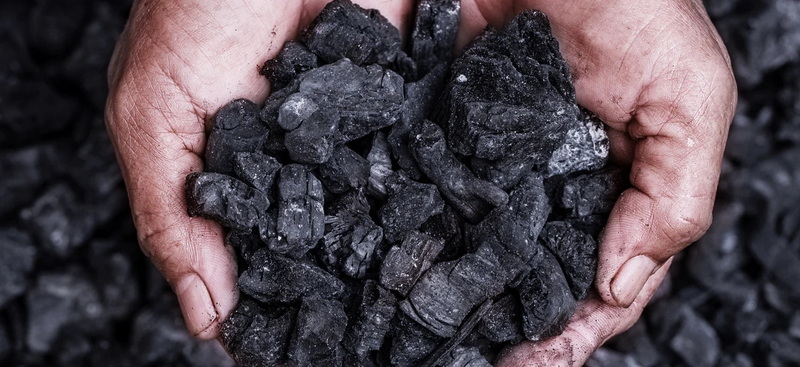
Activated carbon works because its internal pores provide enormous surface area for adsorption; once those pores are filled with contaminants, simple washing cannot easily remove them.[3][1]
- The contaminants bound inside activated carbon pores often require high‑temperature treatment or specialized regeneration technologies to desorb, which are not practical or safe at home.[11][4]
- Cleaning with water, mild acid, or peroxide mostly acts on the external surface of the activated carbon, removing dust, scale, or weakly held compounds but not deeply trapped organics or complex molecules.[2][8]
- Over‑washing or scrubbing can break activated carbon granules or blocks, generating fines that increase pressure drop and reduce effective pore volume.[12][2]
Because of these limitations, many technical references stress that washing an activated carbon filter is only a temporary measure, while replacement or professional regeneration is needed for long‑term performance.[4][9]
Professional Regeneration of Activated Carbon
In industrial applications, saturated activated carbon from filters and adsorbers can be sent to specialized facilities for regeneration instead of being discarded.[11][4]
- Thermal regeneration:
Spent activated carbon is heated to high temperatures (often around 800–900 °C) in a controlled, low‑oxygen environment to drive off adsorbed compounds and restore pore volume.[4]
- Chemical or wet regeneration:
Certain contaminants can be removed from activated carbon using specific chemicals, but this method may introduce secondary pollution and can damage the activated carbon if not carefully controlled.[4]
- Safety considerations:
During regeneration, desorbed chemicals can be toxic, so industrial systems use inert gas atmospheres, off‑gas treatment, and strict environmental controls—conditions that are not suitable for household attempts at reactivation.[11][4]
For most home users, sending small activated carbon filters for regeneration is not economical; instead, buying new activated carbon filters and disposing of old ones according to local regulations is standard practice.[13][3]
Practical Tips to Extend Activated Carbon Filter Life
Good operating practices can help get maximum value from an activated carbon filter before replacement.
- Use pre‑filtration:
Installing sediment pre‑filters in water systems or particulate pre‑filters in air purifiers keeps larger particles away from the activated carbon, slowing clogging and extending life.[10][1]
- Avoid overload:
Do not exceed recommended flow rates or contaminant loads, because too rapid flow through an activated carbon filter reduces contact time and accelerates saturation.[6][10]
- Follow replacement schedules:
Replace the activated carbon filter according to manufacturer guidance (for example, every few months in home devices or by throughput/pressure drop in industrial systems).[3][5]
- Monitor performance:
Watch for returning odors, taste changes, increased pressure drop, or reduced airflow, which signal that the activated carbon media is saturated even if it looks clean.[1][2]
- Choose quality media:
High‑quality activated carbon with appropriate pore structure for your application (for example coconut shell activated carbon for VOCs or coal‑based activated carbon for certain organics) will deliver more stable performance and better lifetime.[6][10]
By combining smart operation with occasional cleaning, users can keep activated carbon filters working efficiently until replacement is necessary.[2][1]
Conclusion
You can clean an activated carbon filter to remove dust, sediment, and some surface impurities, which helps maintain flow and slightly extend service life. However, cleaning does not truly “renew” the adsorption capacity of the activated carbon, so filters still need regular replacement or, in industrial cases, professional regeneration once saturated. For safe, reliable water and air quality, users should treat activated carbon filters as consumables, follow manufacturer cleaning and replacement guidelines, and design systems around the real capacity and limits of activated carbon media.[10][8][3][4][5][1]
FAQ – Activated Carbon Filter Cleaning
(1) How many times can an activated carbon filter be cleaned?
The number of times an activated carbon filter can be cleaned depends on the product design and how it is used, but light cleaning rarely restores full adsorption performance. Many household activated carbon filters are designed for only a few light cleanings (for dust removal) before being replaced according to time or usage rather than cleaned indefinitely.[9][3][10][1]
(2) Is it safe to use soap or detergent on an activated carbon filter?
Most experts advise against using soap or detergent directly on activated carbon media, because residues can remain in the pores and leach into water or air. Mild detergent can sometimes be used to wipe plastic frames or housings around the activated carbon filter, but the activated carbon itself should be rinsed with plain water only unless the manufacturer explicitly permits otherwise.[7][5][1][2]
(3) Can I reactivate my own activated carbon at home?
True reactivation of saturated activated carbon requires high temperatures in controlled, low‑oxygen conditions, with careful management of toxic off‑gases, so it is not suitable for home environments. Simple methods such as boiling or baking activated carbon may remove some moisture and light volatiles, but they cannot match industrial regeneration and may pose safety risks if contaminants are released.[14][11][3][4]
(4) How do I know when an activated carbon filter must be replaced?
An activated carbon filter should be replaced when odors or tastes return, when the air or water quality declines, or when recommended service life or throughput has been reached. In air systems, increased noise, reduced airflow, or rising energy consumption also indicate that dust and saturation are limiting performance, even if the activated carbon filter looks visually clean.[6][10][1][2]
(5) Should I clean or replace an activated carbon filter in critical applications?
For critical applications such as drinking water treatment, medical environments, or sensitive industrial processes, replacing the activated carbon filter on schedule is strongly preferred over relying on cleaning. Light cleaning can still be used between scheduled replacements to remove surface fouling, but the design and risk assessment should assume that cleaning does not fully restore activation and that saturation will still occur.[3][10][4][5]
Citations:
[1](https://www.rabbitair.com/blogs/air-purifier/how-to-clean-your-activated-carbon-filter)
[2](https://www.expresswatersolutions.com/water-filtration/how-to-clean-up-an-activated-carbon-filter/)
[3](https://lifesupplyusa.com/blogs/news/how-is-a-carbon-filter-activated-and-can-it-be-reused)
[4](https://gasificationplant.com/biomass-energy/activated-carbon-regeneration-methods/)
[5](https://crateclub.com/blogs/loadout/how-to-clean-activated-carbon-water-filter-a-comprehensive-guide)
[6](https://terra-bloom.com/blogs/news/activated-carbon-air-filters-untangling-the-true-from-the-false)
[7](https://housefresh.com/how-to-clean-an-activated-carbon-air-filter/)
[8](https://www.livingwhole.com.au/how-to-clean-an-activated-carbon-filter/)
[9](https://smartairfilters.com/learn/smart-air-knowledge-base/can-the-carbon-filter-be-washed/)
[10](https://www.cleantechwater.co.in/commonly-asked-questions-about-activated-carbon-filter/)
[11](https://charcoalhouse.com/blog/can-i-reactivate-my-charcoal/)
[12](https://www.filtrocappa.it/en/blog/maintenance-and-cleaning/can-activated-carbon-filters-be-washed)
[13](https://vivosun.com/growing_guide/how-to-clean-a-carbon-filter/)
[14](https://www.youtube.com/watch?v=jZYmCDa2zKU)
[15](https://www.livingwhole.com.au/how-to-clean-an-activated-carbon-filter/?srsltid=AfmBOopTGVkzY-5FPHu4TTQ3SNNrbHpnuR79fePLfc2H1hMxxhvUOKFy)
[16](https://www.tongkeac.com/can-activated-carbon-filters-be-washed.html)
[17](https://www.reddit.com/r/SpaceBuckets/comments/17w7rm0/rinsing_activated_carbon_is_it_really_necessary/)
[18](https://www.reddit.com/r/Survival/comments/thwg5a/what_are_the_safety_considerations_to_activating/)
[19](https://www.reddit.com/r/microgrowery/comments/131jq76/wash_your_activated_carbon/)
[20](https://www.facebook.com/groups/624486762747155/posts/1137725208089972/)


