Content Menu
● What Is Activated Carbon?
● Is Activated Carbon Flammable?
● Can You Burn Activated Carbon Intentionally?
● Ignition Temperature and Combustion Behavior
● Spontaneous Combustion and Self‑Heating Risks
● Home Use: Should You Burn Activated Carbon Yourself?
● Industrial Practice: Burning vs. Reactivating Activated Carbon
● Safety Guidelines for Handling and Burning Activated Carbon
● Conclusion
● FAQ – Related Questions About Activated Carbon
>> (1) Can you reuse activated carbon after it has been burned?
>> (2) Is activated carbon a combustible dust?
>> (3) Can wet activated carbon catch fire?
>> (4) What happens if activated carbon is overheated in a filter system?
>> (5) How should spent activated carbon from industrial processes be disposed of?
● Citations:
Activated carbon can burn, but it does not burn like ordinary wood or coal; it tends to smolder slowly and can present hidden fire and explosion risks if mishandled. In industrial and environmental applications, activated carbon is sometimes deliberately burned for disposal or energy recovery, but this must be done under controlled, professional conditions with appropriate safety systems.[1][2][3][4]
What Is Activated Carbon?
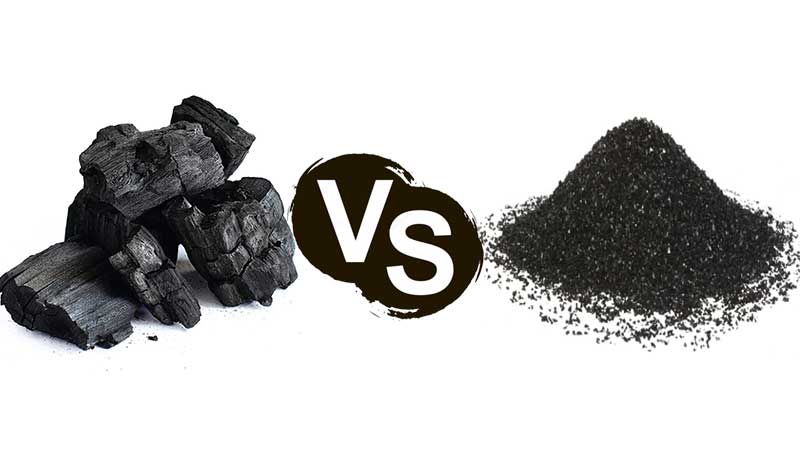
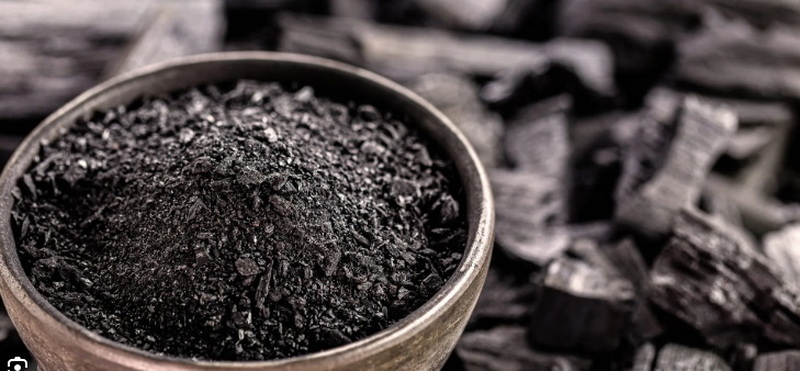
Activated carbon is a highly porous carbon material with a very large internal surface area, typically produced from coal, coconut shell, wood, or other carbonaceous raw materials. The activation process creates a network of micro‑, meso‑, and macropores that give activated carbon its excellent adsorption capacity for organic molecules, odors, color bodies, and many dissolved and gaseous contaminants.[5][1]
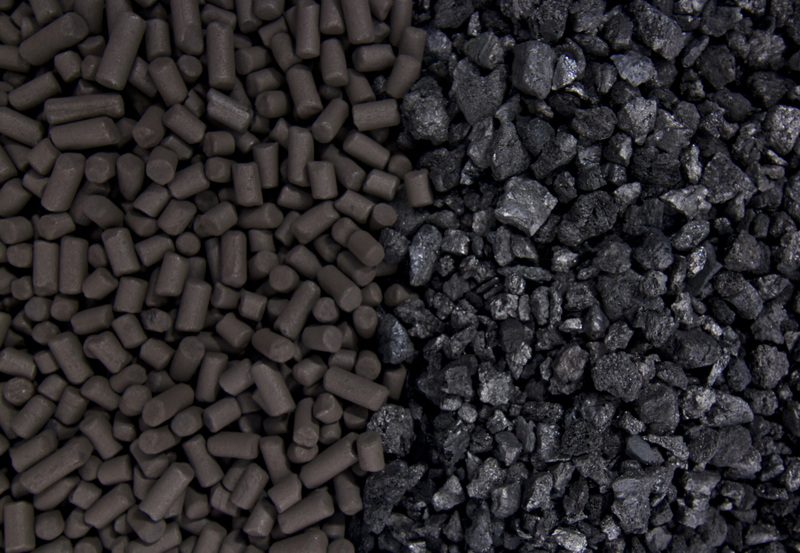
In industry, activated carbon is widely used for water treatment, air and gas purification, solvent recovery, food and beverage decolorization, and pharmaceutical and chemical processing, where its high surface area and tailored pore structure are critical to performance. Different grades of activated carbon (powdered, granular, pellets, extrudates) are selected according to particle size, hardness, pore size distribution, and required purity for each application.[6][1]
Is Activated Carbon Flammable?
Activated carbon is classified as a combustible solid: it may burn but does not ignite readily under normal ambient conditions. Safety data sheets describe activated carbon as difficult to ignite and prone to burning slowly (smoldering) without producing visible flame, which can make hot spots hard to detect.[2][4]
However, several important factors increase the flammability of activated carbon:
- Very high surface area and fine particle size (especially powdered activated carbon) make activated carbon an unusually active fuel, particularly as a combustible dust.[7][8]
- Many SDS documents classify activated carbon dust as a weakly explosive St1 dust, with minimum explosible concentrations around 50–60 g/m³ and Kst values typically below 200 bar·m/s.[8][9]
- In confined systems, fine activated carbon dust dispersed in air and exposed to an ignition source can trigger a dust explosion, even though bulk activated carbon appears to burn slowly.[9][8]
Can You Burn Activated Carbon Intentionally?
Yes, activated carbon can be burned intentionally, but it should only be done in properly designed industrial furnaces, kilns, or incinerators with temperature control, off‑gas treatment, and fire‑safety systems. In the Netherlands and other regions, spent activated carbon containing adsorbed mercury or other hazardous species is disposed of by complete burning, converting the carbon to carbon dioxide, while the mercury is recovered in controlled flue‑gas treatment systems.[3][1]
In some refining and metal recovery processes, activated carbon loaded with precious metals is also burned so that the metal can be recovered from the resulting ash. These thermal processes operate at high temperatures, typically above 800–900 °C, and include heat‑recovery and emission‑control equipment designed for continuous industrial operation.[10][5][3]
Burning activated carbon in open environments or simple on‑site burners without engineering control can be dangerous because of:
- Smoldering fires that persist for long periods inside the bulk activated carbon.[4]
- Possible dust combustion or explosions if fine carbon is dispersed in air near ignition sources.[8][9]
- Release of toxic gases and vapors from adsorbed contaminants when the activated carbon is heated or burned.[11][12]
Ignition Temperature and Combustion Behavior
The ignition temperature of activated carbon depends on its composition, surface chemistry, and test method, but several studies and safety sheets provide useful ranges. Thermogravimetric and standardized tests report ignition temperatures for dry activated carbon typically between about 480 °C and over 600 °C in air under specific laboratory conditions.[13][14][15]
At the same time, experiments on wet‑modified activated carbon show that spontaneous combustion can be triggered during drying at bulk temperatures as low as 175–180 °C when heat accumulation occurs in the bed and local hot spots develop. Other safety data sheets note that freshly prepared or wet activated carbon may self‑heat and can ignite spontaneously at significantly lower temperatures (around 90–100 °C) under certain conditions.[14][16][13][7]
Key combustion characteristics of activated carbon from SDS and technical literature include:
- Difficult to ignite as a bulk solid; tends to smolder slowly with little smoke or flame once ignited.[2][4]
- May self‑heat in large masses, especially when wet, stored warm, or exposed to reactive vapors or certain oxidizing chemicals.[17][16]
- Fine activated carbon dust is a combustible dust; when suspended in air at sufficient concentration and exposed to a spark or hot surface, it can explode.[9][8]
Spontaneous Combustion and Self‑Heating Risks
Spontaneous combustion of activated carbon typically occurs when slow oxidation on the carbon surface generates heat faster than it can be dissipated, causing a gradual temperature rise and eventual ignition. This risk is heightened when activated carbon adsorbs certain reactive organic vapors, sulfur compounds, or oxygen at elevated concentrations, especially in poorly ventilated vessels or large, insulated beds.[13][17][7][11]
Several documented risk factors for activated‑carbon self‑heating are:
- Storage at elevated ambient temperatures or in direct sunlight, which raises the baseline temperature of the carbon mass.[17]
- Large‑volume storage bins, silos, or filter beds where heat cannot dissipate easily, allowing hot spots to form in the center of the bed.[3][13]
- Adsorption of reactive vapors such as crude sulfate turpentine, ketones, aldehydes, and organic acids, which can release substantial heat and cause hot spots and fires in carbon adsorbers.[11]
Regulatory and industry guidance recommends:
- Monitoring temperatures in large activated carbon beds and treating unexplained temperature rises as a potential fire warning.[13][3]
- Avoiding high‑temperature storage and shielding activated carbon containers from direct solar heating.[16][17]
- Evaluating the heat of adsorption for new vapor streams before full‑scale operation of an activated carbon system.[11]
Home Use: Should You Burn Activated Carbon Yourself?
For household users, the answer to “can you burn activated carbon” is effectively “you should not,” because uncontrolled burning of activated carbon can create more hazards than benefits. Common consumer applications—such as aquarium filters, home water filter cartridges, and small air purifiers—use relatively small amounts of activated carbon, but the spent activated carbon may contain adsorbed chemicals that can be released when heated.[12][8][2]
Attempting to burn spent activated carbon in a domestic fireplace, barbecue grill, or open fire can lead to:
- Persistent smoldering that is difficult to extinguish and can re‑ignite after appearing “cold.”[4][2]
- Release of toxic fumes or corrosive gases if the activated carbon has captured solvents, pesticides, VOCs, or industrial chemicals.[12][11]
- Local dust explosions if fine activated carbon is dispersed in the draft and encounters sparks or flames.[8][9]
For these reasons, consumer‑grade spent activated carbon is generally better handled by:
- Disposing of small spent filters in accordance with local regulations and manufacturer instructions.[2][8]
- Using municipal hazardous‑waste collection programs where available, especially if the activated carbon has treated fuels, solvents, or industrial waste streams.[11]
Industrial Practice: Burning vs. Reactivating Activated Carbon
In industry, spent activated carbon can be managed in two main thermal ways: complete burning (incineration) or high‑temperature reactivation. Reactivation involves heating spent activated carbon in controlled furnaces, usually 600–900 °C, in an atmosphere of steam or controlled gases to burn off or gasify adsorbed organics and restore a large portion of the adsorption capacity.[18][1][5][3]
Key differences between burning and reactivation of activated carbon include:
- Complete burning: The activated carbon is fully oxidized to carbon dioxide, recovering no sorbent but potentially recovering heat; hazardous species such as mercury must be captured in downstream gas‑cleaning systems.[1][3]
- Thermal reactivation: The activated carbon is partially burned or gasified in a controlled way, removing adsorbed organics and regenerating pore structure so the activated carbon can be reused many times, reducing waste and cost.[14][5]
The choice between burning and reactivation depends on:
- Contaminant type (for example, whether the adsorbed substances are suitable for reactivation or require secure destruction).[5][11]
- Regulatory requirements for hazardous‑waste handling and emission limits.[3][11]
- Economic considerations such as transport distance to reactivation facilities, cost of virgin activated carbon, and energy prices.[15][5]
Safety Guidelines for Handling and Burning Activated Carbon
Because activated carbon is combustible and can self‑heat, several safety measures are recommended by industry associations, OSHA bulletins, and manufacturers.[17][11]
When handling and storing activated carbon:
- Store activated carbon in cool, dry, well‑ventilated areas away from direct sunlight and sources of heat.[16][17]
- Avoid large, poorly ventilated piles of wet activated carbon, which can self‑heat and potentially ignite.[7][13]
- Prevent contact with strong oxidizers such as ozone, liquid oxygen, and chlorine, which can cause rapid combustion.[7][8]
When operating activated‑carbon adsorption systems for vapors or gases:
- Evaluate the composition and heat of adsorption of vapors that will contact the activated carbon; certain organic sulfur compounds, ketones, aldehydes, and acids can create hot spots and fires.[11]
- Design systems with appropriate temperature monitoring, bypasses, fire‑prevention measures, and flame arrestors to prevent fires spreading from carbon vessels to flammable chemical containers.[3][11]
When fighting fires involving activated carbon:
- Use appropriate extinguishing media such as water spray, foam, or dry chemical; avoid high‑pressure jets that may generate explosive dust–air mixtures.[12][8]
- Recognize that smoldering hot spots may persist inside activated carbon beds after visible flames are extinguished, requiring extended cooling and monitoring.[4][2]
Conclusion
Activated carbon is a combustible material that can burn, but it usually burns slowly and can present hidden smoldering and dust‑explosion risks rather than obvious open flames. In industrial settings, activated carbon is deliberately burned or thermally reactivated in controlled furnaces, sometimes with recovery of valuable metals or safe destruction of hazardous contaminants, but this requires careful engineering and strict safety controls.[8][2][5][4][3][1]
For home and small‑scale users, burning activated carbon is not recommended, because smoldering fires, toxic off‑gassing from adsorbed chemicals, and combustible‑dust hazards can outweigh any perceived benefits. Safe storage, proper system design, and adherence to SDS and regulatory guidance are essential to manage the fire and explosion risks associated with activated carbon while taking full advantage of its powerful adsorption performance in water treatment, air and gas purification, food and beverage processing, chemical production, and pharmaceutical applications.[17][8][11]
FAQ – Related Questions About Activated Carbon
(1) Can you reuse activated carbon after it has been burned?
Once activated carbon has been completely burned to ash or fully incinerated, it cannot be reused as activated carbon, because its pore structure and adsorption capacity are destroyed. Industrial reactivation is different: it heats spent activated carbon under controlled conditions to remove adsorbed organics while preserving most of the carbon skeleton, allowing the activated carbon to be reused many times.[18][14][5][1]
(2) Is activated carbon a combustible dust?
Yes, fine activated carbon is classified as a combustible dust, and many safety data sheets list it as a weakly explosive St1 dust with minimum explosible concentrations around 50–60 g/m³. This means that when activated carbon dust is dispersed in air in a confined space and exposed to an ignition source, it can cause a dust explosion, so dust‑control and housekeeping measures are very important.[9][12][8]
(3) Can wet activated carbon catch fire?
Wet activated carbon can still pose a self‑heating and spontaneous‑combustion hazard, particularly in large masses or when it has adsorbed reactive vapors, because surface reactions can generate heat that accumulates in the bed. Some SDS documents indicate that freshly prepared or wet activated carbon may ignite spontaneously in air at temperatures around 90–100 °C under unfavorable conditions, so cool, ventilated storage and careful drying procedures are recommended.[13][7][17]
(4) What happens if activated carbon is overheated in a filter system?
If activated carbon in a water, air, or gas filter is overheated, it can begin to oxidize more rapidly, creating hot spots, releasing adsorbed vapors, and potentially leading to smoldering or open fires in the carbon bed. Overheating can also degrade the pore structure, reducing the adsorption capacity of the activated carbon and shortening filter life, which increases operating cost and may compromise treatment performance.[15][5][3][11]
(5) How should spent activated carbon from industrial processes be disposed of?
Spent activated carbon from industrial water treatment, air and gas purification, or chemical processes should be managed according to applicable environmental regulations, which may classify it as hazardous waste depending on the contaminants adsorbed. Common options include off‑site thermal reactivation at specialized facilities, secure incineration or co‑incineration in cement kilns or power plants, and, in some cases, regeneration or metal‑recovery processes that burn off organics while recovering valuable metals.[5][3][11][1]
Citations:
[1](https://en.wikipedia.org/wiki/Activated_carbon)
[2](https://www.labclear.com/labclear/wp-content/uploads/sites/113/2024/06/ACTIVATED-CARBON-MSDS.pdf)
[3](https://www.icheme.org/media/12097/xiii-paper-23.pdf)
[4](https://redox.com/wp-content/sds/796.pdf)
[5](https://www.sciencedirect.com/science/article/pii/S0021979700971716)
[6](https://jamescumming.com.au/the-production-process-of-powdered-activated-carbon/)
[7](https://chemstock.ae/wp-content/uploads/2019/05/msds/43032MSDS.pdf)
[8](https://generalcarbon.com/activated-carbon/activated-carbon-msds/)
[9](https://uwaterloo.ca/giga-to-nanoelectronics-centre/sites/default/files/uploads/files/activatedcharcoal.pdf)
[10](https://goldrefiningforum.com/threads/burning-activated-carbon.24511/)
[11](http://www.osha.gov/publications/hib19970730)
[12](https://www.sorbtech.com/msds/SDS%20Activated%20Carbon(9-12-22).pdf)
[13](https://pmc.ncbi.nlm.nih.gov/articles/PMC10500664/)
[14](https://pubs.acs.org/doi/10.1021/acsomega.3c03563)
[15](https://pmc.ncbi.nlm.nih.gov/articles/PMC11510475/)
[16](https://www.carbotecnia.info/PDF/MSDS/MSDS_micro_EN.pdf)
[17](https://www.activatedcarbon.org/health-safety-environment/)
[18](https://generalcarbon.com/facts-about-activated-carbon/activated-carbon-faq/)
[19](https://www.reddit.com/r/AirPurifiers/comments/1f7b6wn/regenerate_activated_charcoal/)
[20](https://norit.com/hubfs/S-GAC-USA&Canada-EN.pdf?hsLang=en)


