Content Menu
● What Is Activated Carbon in Aquariums?
● Can Activated Carbon Directly Kill Fish?
● When Is Activated Carbon Safe and Helpful for Fish?
● How Activated Carbon Misuse Can Harm Fish
● Best Practices: Using Activated Carbon Without Killing Fish
● In Which Situations Should You Avoid Activated Carbon?
● Conclusion
● FAQ: Can Activated Carbon Kill Fish?
>> 1. Can activated carbon itself poison fish?
>> 2. Can activated carbon cause my fish to suffocate?
>> 3. Is it safe to use activated carbon during disease treatment?
>> 4. How often should I change activated carbon to keep fish safe?
>> 5. Should beginners use activated carbon in their first aquarium?
● Citations:
Activated carbon itself does not normally kill fish, but improper selection, placement, or maintenance of activated carbon in an aquarium filter can create conditions that harm or even kill fish.[1][2]
Used correctly, activated carbon helps keep aquarium water clear, odor‑free, and more stable for fish; used incorrectly, it can contribute to gill irritation, ammonia spikes, loss of medication, or long‑term health problems in sensitive species.[3][4][1]
What Is Activated Carbon in Aquariums?
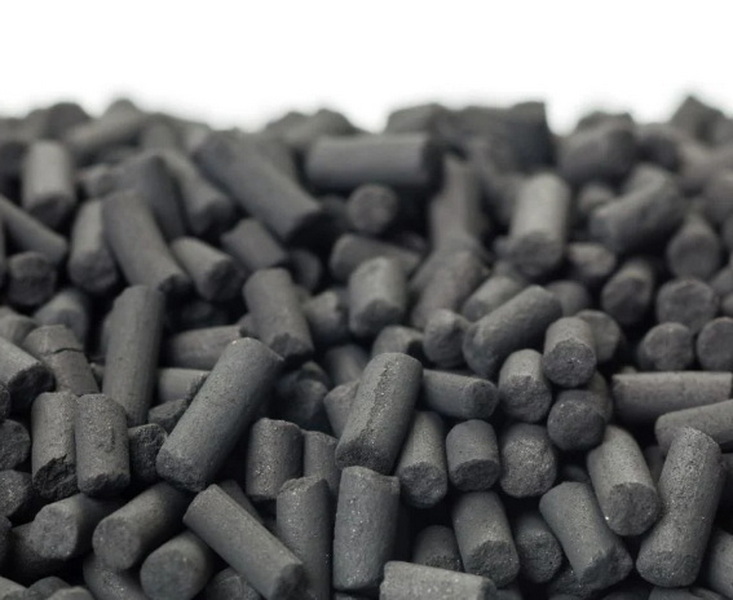
Activated carbon is a highly porous form of carbon with a huge internal surface area that adsorbs dissolved organic compounds, color, odors, and some chemicals from water.[2][5]
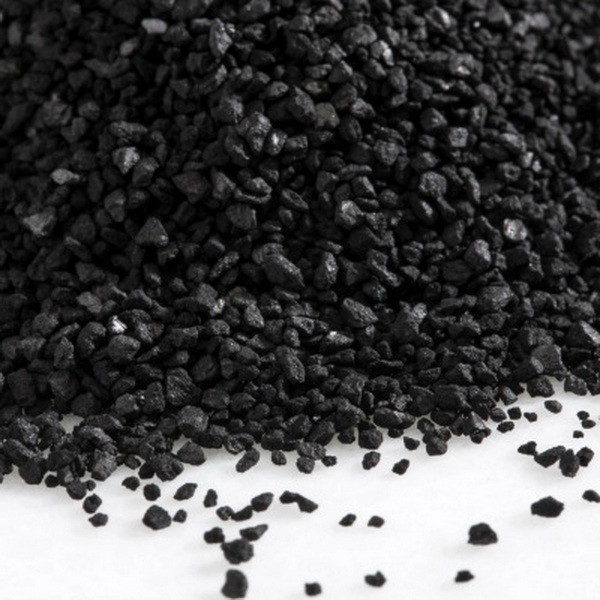
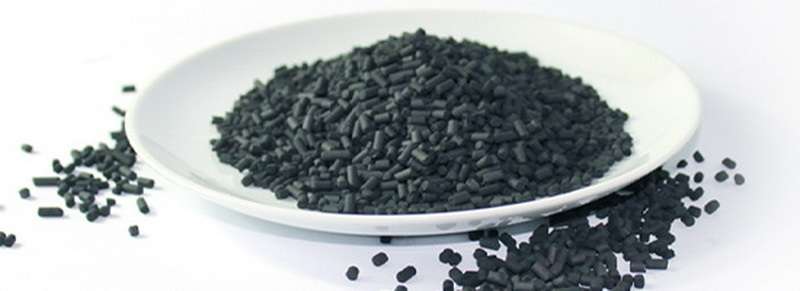
In aquariums, activated carbon is usually granular activated carbon (GAC) or pelletized carbon placed inside filter media bags or cartridges, where water flows through it continuously.[5][1]
When manufactured and selected for aquarium use, activated carbon is generally safe for freshwater and marine fish if it is rinsed, contained in a bag or cartridge, and replaced regularly.[1][2]
Can Activated Carbon Directly Kill Fish?
Activated carbon rarely kills fish by chemical toxicity, but there are several realistic pathways where “activated carbon killed my fish” can be partially true:
- Dust and fine particles in gills
- Unrinsed or powdered activated carbon can release fine dust that may lodge in fish gills, causing irritation or respiratory stress, especially in small or delicate species.[3][1]
- Rinsing activated carbon thoroughly and using larger granular activated carbon instead of dusty grades greatly reduces this risk.[1][3]
- Chlorine/chloramine exposure during water changes
- Activated carbon can remove chlorine and chloramine from water, but slow flow through a filter means fish may be exposed to damaging chlorine levels for 10–30 minutes after a large water change.[6][7]
- In such cases, fish deaths are caused by chlorine toxicity, not by activated carbon itself; a fast water conditioner is safer than relying solely on activated carbon.[7][6]
- Medication removal during treatment
- Activated carbon adsorbs many liquid medications, dyes, and organic treatment chemicals, reducing their concentration and effectiveness in the water.[6][1]
- If a serious disease is present and activated carbon strips out the medicine, fish may die from the disease while the aquarist thinks the treatment “did not work” or that “carbon killed the fish.”[6][1]
- Biological filtration disruption
- Activated carbon surfaces can host beneficial nitrifying bacteria; if a filter relies too much on activated carbon as biological media, throwing away a carbon bag removes a big portion of the biofilter.[1]
- That sudden loss can cause an ammonia or nitrite spike, which is directly toxic to fish and can lead to deaths, especially in heavily stocked tanks.[4][1]
- Hole‑in‑the‑head and lateral line erosion (HLLE)
- Some research in marine fish shows certain soft, dusty carbon grades are associated with head and lateral line erosion in surgeonfish and other species.[8][3][6]
- This is more a chronic health issue than an acute kill, but severe HLLE can weaken fish and increase mortality in sensitive saltwater species.[8][3]
In all these scenarios, the root cause is poor choice, placement, or management of activated carbon—not the basic chemistry of activated carbon itself.[5][1]
When Is Activated Carbon Safe and Helpful for Fish?
Used correctly, activated carbon helps prevent the very water‑quality problems that kill fish:
- Removes dissolved organics, odors, and color
- Activated carbon adsorbs tannins from driftwood, yellowing compounds, and many dissolved organics that make water look dirty and smell bad.[5][6]
- Cleaner water improves light penetration, reduces stress, and makes the aquarium more stable for fish and plants.[4][5]
- Reduces certain chemicals and residual disinfectants
- Activated carbon can remove chlorine, chloramine, residual medications, and some pesticides or household contaminants that accidentally enter the aquarium water.[7][5]
- In this way, activated carbon can protect fish from long‑term exposure to low‑level contaminants that are difficult to control otherwise.[4][5]
- Supports overall water quality
- By continuously polishing the water, activated carbon decreases the burden on biological filtration and reduces the load of dissolved organic compounds.[5][1]
- Better water quality means less stress, fewer disease outbreaks, and lower long‑term mortality in both freshwater and marine systems.[4][5]
For most aquariums, a moderate amount of high‑quality activated carbon, properly rinsed and placed after mechanical filtration, is safe and often beneficial for fish health.[1][5]
How Activated Carbon Misuse Can Harm Fish
Because activated carbon is powerful and non‑selective, misuse can create hidden risks. The main failure modes are:
- Using the wrong form (powder vs granular)
- Powdered activated carbon is more likely to escape from filter bags and circulate in the water, where it can become trapped in fish gills.[3][1]
- Granular activated carbon with properly sized grains is much safer for aquariums when kept in a sealed media bag or cartridge.[5][1]
- Not rinsing activated carbon before use
- Dry activated carbon typically carries dust and tiny fragments from production and transport.[2][3]
- Without rinsing, this dust clouds the water and increases the chance of particles irritating fish gills and delicate tissues.[3][1]
- Relying on activated carbon instead of water conditioners
- Activated carbon alone is too slow to protect fish during a large tap‑water change with chlorine or chloramine; a dechlorinator works in seconds, while carbon may need many minutes.[7][6]
- During that delay, fish may suffer gill burns or die from chlorine exposure, so water conditioners remain essential even if activated carbon is present.[6][7]
- Leaving activated carbon in the filter for too long
- Once saturated, activated carbon stops removing contaminants and may gradually release adsorbed substances or phosphates back into the water.[9][2]
- Old activated carbon can contribute to algae problems or unstable water quality; in extreme neglect, this can stress or kill sensitive fish.[2][5]
- Over‑reliance on activated carbon for biological filtration
- If most of the beneficial bacteria live on activated carbon, replacing the carbon media bag can trigger a mini‑cycle with elevated ammonia and nitrite.[1]
- The safer approach is to let sponges, ceramic rings, or bio‑balls carry the majority of the biofilter so that changing activated carbon does not destabilize the system.[10][1]
- Using activated carbon during medication
- Running activated carbon while dosing medications removes medicine from the water, causing treatment failure and prolonged disease.[6][1]
- Some fish die not because of activated carbon toxicity, but because the disease remains untreated while the aquarist thinks medication is still active.[6][1]
Understanding these mechanisms helps aquarists use activated carbon intelligently, so it supports fish health instead of creating avoidable risks.[5][1]
Best Practices: Using Activated Carbon Without Killing Fish
To ensure activated carbon helps rather than harms your fish, follow these practical guidelines:
- Choose aquarium‑grade granular activated carbon
- Select high‑quality granular activated carbon designed for aquariums or water purification, not unknown industrial blends that might contain impurities.[2][5]
- Avoid very soft, dusty carbons for sensitive marine fish because of HLLE concerns; prefer harder, low‑dust grades.[8][3]
- Rinse activated carbon thoroughly before use
- Rinse activated carbon in clean water until the rinse water runs clear, removing fine particles and dust.[3][1]
- Always keep activated carbon inside a fine‑mesh media bag or sealed cartridge so it cannot circulate freely in the tank.[1][5]
- Place activated carbon correctly in the filter
- Put activated carbon after mechanical filtration (sponges, pads) so debris does not clog the carbon pores.[10][5]
- In canister or sump filters, a typical sequence is: coarse sponge → fine pad → activated carbon → biological media.[5][1]
- Do not use activated carbon as the primary biofilter
- Rely on sponges, ceramic media, or dedicated bio‑media to host most beneficial bacteria, so replacing activated carbon does not destabilize the nitrogen cycle.[10][1]
- If your current system uses a carbon‑only cartridge, consider adding permanent sponge or bio‑rings to protect against ammonia spikes when cartridges are changed.[2][1]
- Replace activated carbon regularly
- In most aquariums, activated carbon is replaced every 3–4 weeks; heavily stocked tanks or tanks with strong odors or medication removal may need more frequent changes.[2][5]
- Once saturated, activated carbon offers little benefit and can slowly leach adsorbed compounds or phosphates, so long‑term use without replacement is not recommended.[9][2]
- Turn off or remove activated carbon during medication
- Remove activated carbon before dosing medicines, and keep it out for the full treatment period so that the medication remains active.[6][1]
- After treatment and water changes, add fresh activated carbon to polish the water and remove residual medications if desired.[1][5]
- Use water conditioners during water changes
- Always use a reputable dechlorinator to instantly neutralize chlorine and chloramine when adding tap water, no matter how much activated carbon is in the filter.[7][6]
- This ensures fish are not exposed to disinfectants while activated carbon slowly adsorbs them.[7][6]
Following these steps allows activated carbon to function as a safe, powerful chemical filtration tool that supports healthy fish rather than putting them at risk.[5][1]
In Which Situations Should You Avoid Activated Carbon?
There are also cases where activated carbon is not recommended or offers little benefit:
- Planted tanks with delicate nutrient balance
- In high‑tech planted aquariums, long‑term use of activated carbon can remove some trace nutrients and alter fertilizer dosing, potentially stressing plants.[7][5]
- Many advanced aquascapers run no activated carbon once the tank is stable and rely on water changes and strong biological filtration instead.[11][7]
- Tanks under active medication
- As noted, activated carbon can strip therapeutic chemicals from the water and should be removed during treatment for parasites, infections, or fungal diseases.[6][1]
- Systems with stable, low‑nutrient water
- If the aquarium already has crystal‑clear water, low dissolved organics, and no odor, continuous activated carbon may be unnecessary and can be reserved for special situations such as after medication or accidents.[10][6]
Avoiding unnecessary or continuous use in these special cases helps maintain a stable environment for both fish and plants while still keeping activated carbon available as a problem‑solving tool.[7][5]
Conclusion
Activated carbon itself does not normally kill fish; instead, it is a valuable chemical filtration media that can improve water clarity, remove odors, and reduce certain contaminants when used correctly.[1][5]
Fish deaths associated with activated carbon usually result from indirect issues—dust in gills, disrupted biological filtration, chlorine exposure during water changes, or removal of vital medications—rather than intrinsic activated carbon toxicity.[3][6][1]
By choosing high‑quality granular activated carbon, rinsing it well, placing it correctly in the filter, replacing it regularly, and managing medications and water changes properly, aquarists can safely use activated carbon to support healthier, more stable aquarium environments.[2][5][1]
FAQ: Can Activated Carbon Kill Fish?
1. Can activated carbon itself poison fish?
No, typical aquarium‑grade activated carbon is not poisonous to fish when properly manufactured and rinsed; it is chemically stable and inert in water.[2][5]
Problems arise from dust, lost biological filtration, or mishandled water changes and medications—not from activated carbon leaching toxins.[6][1]
2. Can activated carbon cause my fish to suffocate?
Activated carbon dust or very fine particles can irritate gills and, in extreme cases, contribute to breathing problems, especially in smaller fish.[3][1]
However, true suffocation is more often caused by high ammonia, nitrite, or low oxygen levels, which relate to filtration and aeration rather than activated carbon alone.[4][1]
3. Is it safe to use activated carbon during disease treatment?
No, activated carbon should normally be removed during medication, because it adsorbs many liquid medicines and dyes from the water.[6][1]
If activated carbon stays in the filter during treatment, the medicine may be removed before it can work, allowing the disease to progress and kill fish.[1][6]
4. How often should I change activated carbon to keep fish safe?
Most aquarium guides recommend replacing activated carbon every 3–4 weeks, or sooner if the tank is heavily stocked or has ongoing odor/color problems.[2][5]
Leaving exhausted activated carbon in place for months provides little benefit and can gradually release adsorbed substances or phosphates, which may destabilize water quality.[9][2]
5. Should beginners use activated carbon in their first aquarium?
Beginners can safely use activated carbon as part of a well‑designed filter if they rinse it thoroughly, rely on sponges or bio‑media for biological filtration, and still use water conditioners during changes.[2][1]
For many new aquarists, activated carbon is helpful for controlling odors and yellow water, but learning the nitrogen cycle, stocking lightly, and regular water changes are even more important for keeping fish alive.[10][1]
Citations:
[1](https://www.co2art.us/blogs/blog/using-activated-carbon-in-an-aquarium)
[2](https://www.aquaticexperts.com/pages/activated-carbon-in-your-aquarium)
[3](https://www.reefbum.com/water-chemistry/pluses-minuses-using-activated-carbon/)
[4](https://www.co2art.us/blogs/blog/how-important-is-activated-carbon-in-your-aquarium)
[5](https://activatedcarbondepot.com/blogs/news/activated-carbon-for-aquariums-a-complete-guide)
[6](https://aquariumscience.org/index.php/7-4-2-activated-carbon/)
[7](https://www.aquascapeguide.com/post/should-you-use-activated-carbon-in-your-planted-tank-a-balancing-act)
[8](https://coralaxy.de/en/blogs/wissenswertes/activated-carbon-how-it-works-in-reef-tanks)
[9](https://www.reef2reef.com/threads/what-happens-when-i-dont-change-my-carbon.871854/)
[10](https://en.aqua-fish.net/articles/effects-aquarium-carbon-water-quality)
[11](https://www.aquariacentral.com/forums/threads/pros-and-cons-of-activated-carbon.40340/)
[12](https://www.reddit.com/r/Aquariums/comments/14e9ej/activated_carbon_useful_or_not/)
[13](https://forum.aquariumcoop.com/topic/31662-is-there-a-reason-why-i-should-not-use-carbon-in-my-filters/)
[14](https://www.facebook.com/groups/320106974244685/posts/532242263031154/)
[15](https://www.reef2reef.com/threads/how-much-activated-carbon-is-too-much.445087/)
[16](https://www.reddit.com/r/Aquariums/comments/tw7ym6/will_this_be_alright_to_use_in_an_aquarium_filter/)
[17](https://www.youtube.com/watch?v=e47HJvyUdoU)
[18](https://www.reddit.com/r/Aquariums/comments/26do4z/what_is_aquarium_activated_carbon_and_why_its_a/)
[19](https://charterhouse-aquatics.com/blogs/help-guides/10-reasons-to-use-aquarium-activated-carbon)
[20](https://www.reddit.com/r/Aquariums/comments/1eebto6/how_important_is_activated_carbon_in_filters/)


