Content Menu
● Can Activated Carbon Be Reactivated?
● What Is Activated Carbon Reactivation?
>> Reactivation vs. Regeneration of Activated Carbon
● How Industrial Activated Carbon Reactivation Works
>> Main Steps of Thermal Reactivation
>> Chemical and Other Reactivation Approaches
● When Can Activated Carbon Be Reactivated?
>> Typical Applications Using Reactivated Activated Carbon
● Advantages of Reactivating Activated Carbon
>> Performance of Reactivated vs. Virgin Activated Carbon
● Limitations and Risks of Reactivating Activated Carbon
● How Many Times Can Activated Carbon Be Reactivated?
● Practical Tips for Using Reactivated Activated Carbon
● Conclusion
● FAQ About Reactivated Activated Carbon
>> 1. Is reactivated activated carbon as good as new activated carbon?
>> 2. Can all types of activated carbon be reactivated?
>> 3. Is it safe to reactivate activated carbon that has adsorbed hazardous chemicals?
>> 4. How do I know when activated carbon should be reactivated or replaced?
>> 5. Does reactivated activated carbon help reduce carbon footprint?
● Citations:
Can activated carbon be reactivated? Yes, activated carbon can be reactivated and reused many times through thermal and other regeneration processes, although it will gradually lose some mass and adsorption capacity in each cycle.[1][2]
Can Activated Carbon Be Reactivated?
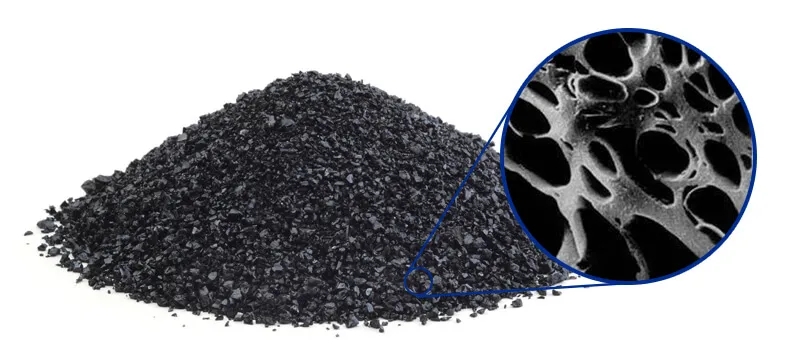
Activated carbon is widely used in water treatment, air and gas purification, food and beverage processing, chemical production, and pharmaceutical filtration because of its extremely high internal surface area and strong adsorption capacity. Reactivating spent activated carbon helps reduce operating costs and minimizes waste, making it a key strategy for sustainable industrial filtration systems.[3][4][5][1]
What Is Activated Carbon Reactivation?
Reactivation of activated carbon is a process that restores part or most of the adsorption capacity of spent activated carbon so it can be reused instead of being disposed of.[6][1]
- In industrial practice, activated carbon reactivation usually involves heating spent activated carbon to about 600–900 °C in a controlled atmosphere with very little oxygen.[7][1]
- At these temperatures, organic contaminants that have been adsorbed inside the pores of the activated carbon are decomposed or burned off, freeing up surface area and re‑opening the porous structure.[8][1]
Reactivation vs. Regeneration of Activated Carbon
Some sources distinguish between reactivation and regeneration of activated carbon.[7][6]
- Regeneration of activated carbon often refers to partial restoration at lower temperatures or with solvents, where a portion of the adsorbed contaminants is removed but not all.[9][7]
- Reactivation of activated carbon usually refers to a more intensive, high‑temperature treatment that aims to restore the activated carbon's porous structure and adsorption capacity as closely as possible to the original state.[2][6]
How Industrial Activated Carbon Reactivation Works
Most industrial reactivation services use centralized thermal reactivation kilns or furnaces designed specifically for granular or pelletized activated carbon.[10][8]
Main Steps of Thermal Reactivation
Typical thermal reactivation of activated carbon involves several stages.[11][1]
- Drying: Spent activated carbon is first dried to remove free water, which improves energy efficiency and process control.[11]
- Desorption: As the temperature rises, volatile contaminants desorb from the activated carbon and move into the gas phase.[8][11]
- Pyrolysis: Non‑volatile organics on the activated carbon surface undergo pyrolysis above roughly 300 °C, breaking down into smaller molecules and carbonaceous residues.[12][1]
- Gasification: Steam or controlled gases react with the carbonaceous residues in the pores, converting them to CO and CO₂ and cleaning the internal surface of the activated carbon.[1][8]
- Cooling and handling: The reactivated activated carbon is cooled under controlled conditions, screened, and then returned to service or repackaged.[10][8]
Chemical and Other Reactivation Approaches
Besides thermal reactivation, some processes use chemical or combined methods to restore activated carbon.[13][9]
- Chemical reactivation of activated carbon may use acids, alkalis, or oxidizing agents to dissolve inorganic deposits and certain stubborn contaminants on the activated carbon surface.[9][12]
- Combined or “chemical‑thermal” processes treat activated carbon with specific chemicals and then heat it, improving the restoration of adsorption capacity for some challenging applications such as gold recovery or complex wastewater.[2][13]
Biological and low‑temperature regeneration methods are being studied for specific types of spent activated carbon, especially in wastewater treatment, but they are less common at large industrial scale.[5][14]
When Can Activated Carbon Be Reactivated?
Not all spent activated carbon is suitable for reactivation; feasibility depends on the type of contaminants, the activated carbon quality, and local regulations.[6][10]
- Activated carbon used for industrial water treatment, wastewater polishing, and many vapor‑phase air and gas purification processes is often an excellent candidate for thermal reactivation.[15][1]
- Activated carbon used in some food, beverage, and pharmaceutical applications may face tighter compliance rules, so many facilities either use virgin activated carbon or rely on strictly controlled, dedicated reactivation circuits.[4][2]
Typical Applications Using Reactivated Activated Carbon
Many large‑volume users successfully reuse reactivated activated carbon.[3][15]
- Water and wastewater treatment plants use reactivated activated carbon for removal of organic micro‑pollutants, color, and trace contaminants from ground water, municipal water, and industrial effluents.[16][5]
- Air and gas treatment systems use reactivated activated carbon to adsorb VOCs, odorous compounds, sulfur compounds, and other pollutants from industrial exhaust streams.[17][3]
In gold recovery, chemical processing, and hydrometallurgy, reactivated activated carbon can be reused multiple times, although some drop in performance versus virgin activated carbon is common.[18][2]
Advantages of Reactivating Activated Carbon
Reactivating activated carbon offers important economic and environmental benefits for industrial users.[5][1]
- Cost savings: Thermal reactivation of activated carbon usually costs significantly less than purchasing the same amount of new activated carbon, especially for high‑volume granular or pellet products.[8][11]
- Waste reduction: Reactivating activated carbon diverts large amounts of spent activated carbon from landfills or incineration, supporting circular economy and reducing disposal expenses.[1][10]
From a sustainability perspective, reactivation of activated carbon reduces the demand for fresh raw materials such as coal, coconut shell, or wood, thereby lowering the overall carbon footprint of filtration systems.[4][10]
Performance of Reactivated vs. Virgin Activated Carbon
Reactivated activated carbon usually delivers adsorption performance close to that of virgin activated carbon, but some differences exist.[2][6]
- After several reactivation cycles, activated carbon usually exhibits some loss in mass and may show slightly lower adsorption capacity or altered pore size distribution compared with virgin activated carbon.[13][2]
- However, many studies and field experiences show that well‑managed reactivated activated carbon can remain within acceptable performance ranges for demanding applications such as water treatment and CIP (carbon‑in‑pulp) gold recovery.[5][2]
Limitations and Risks of Reactivating Activated Carbon
Reactivating activated carbon is not always appropriate and must be evaluated case by case.[14][6]
- Some contaminants, including heavy metals, certain hazardous organics, or radio‑active substances, may remain in the activated carbon or in the off‑gases, requiring carefully engineered reactivation plants and strict emission control.[16][18]
- For critical applications such as pharmaceutical active ingredient purification or high‑purity food and beverage processing, end‑users may prefer virgin activated carbon for consistent, validated quality and regulatory compliance.[4][2]
Thermal reactivation also consumes energy and can lead to gradual loss of activated carbon mass, so process optimization and proper selection of reactivation conditions are important.[7][11]
How Many Times Can Activated Carbon Be Reactivated?
The number of times activated carbon can be reactivated depends on its raw material, product type, operating conditions, and the level of care during each reactivation cycle.[14][2]
- Many granular activated carbon products can be thermally reactivated several times while still delivering acceptable adsorption performance.[11][1]
- Over multiple cycles, activated carbon particles may lose some mechanical strength, suffer attrition, and gradually lose microporosity, so a fraction must be replaced by fresh activated carbon to keep system performance stable.[13][2]
Industrial reactivation service providers often design programs where a specified percentage of virgin activated carbon is blended with each batch of reactivated activated carbon to maintain target capacity and throughput.[10][8]
Practical Tips for Using Reactivated Activated Carbon
For operators evaluating reactivated activated carbon, several practical recommendations apply.[19][1]
- Choose a qualified reactivation supplier that can handle your specific contaminants and provide documentation on quality, emissions, and traceability of reactivated activated carbon.[8][10]
- Monitor key performance indicators such as breakthrough time, adsorption capacity, pressure drop, and mechanical strength when switching from virgin to reactivated activated carbon in critical systems.[14][5]
Designing systems with easy carbon removal and loading, as well as appropriate safety and dust control, also makes it easier to send spent activated carbon to reactivation and return reactivated activated carbon to service.[15][11]
Conclusion
Activated carbon can definitely be reactivated and reused many times, especially when processed in professional thermal reactivation facilities that are designed for spent activated carbon. By choosing the right reactivation method and monitoring performance, industries can significantly reduce their activated carbon consumption, lower costs, and support more sustainable water, air, gas, food, chemical, and pharmaceutical treatment systems.[1][8][4][10]
FAQ About Reactivated Activated Carbon
1. Is reactivated activated carbon as good as new activated carbon?
Reactivated activated carbon often achieves adsorption performance close to that of new activated carbon, but it may not fully match virgin capacity after several cycles. Many industrial users accept this minor difference in exchange for the cost and environmental benefits of reactivated activated carbon.[6][2][5][1]
2. Can all types of activated carbon be reactivated?
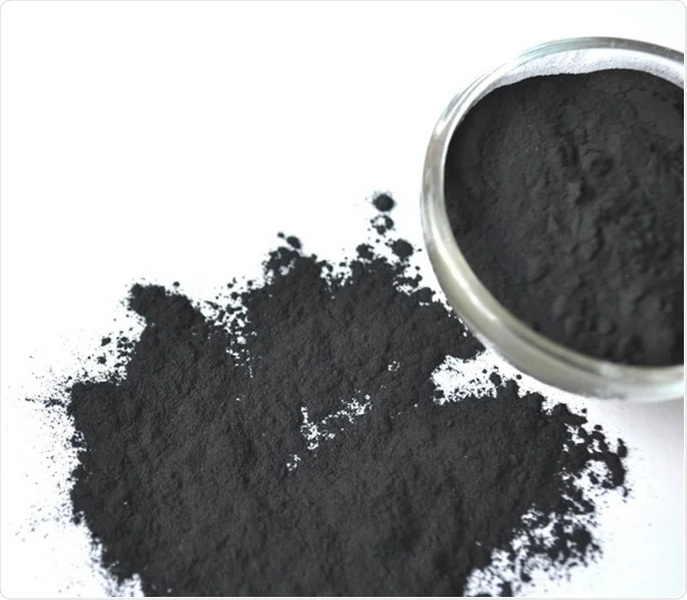
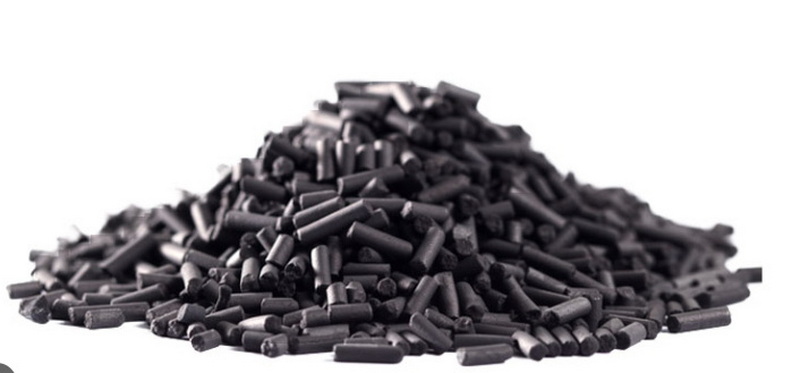
Most granular and pellet activated carbon used for water, wastewater, and gas treatment can be thermally reactivated, provided the contaminants and ash levels are suitable. Powdered activated carbon is usually not sent for reactivation because it is difficult to handle in large‑scale reactivation furnaces.[16][3][11][1]
3. Is it safe to reactivate activated carbon that has adsorbed hazardous chemicals?
Reactivating activated carbon loaded with hazardous substances requires specialized facilities with emission control and strict safety procedures. For some highly toxic or radioactive contaminants, regulations may restrict or prohibit reactivation of the spent activated carbon.[18][16][10]
4. How do I know when activated carbon should be reactivated or replaced?
Operators usually track breakthrough curves, effluent quality, or pressure drop to decide when activated carbon is exhausted and needs change‑out. At that point, the spent activated carbon can either be shipped to a reactivation service or replaced with fresh activated carbon depending on site policy and economics.[14][8][5][11]
5. Does reactivated activated carbon help reduce carbon footprint?
Using reactivated activated carbon reduces the amount of new activated carbon that must be produced and decreases waste generation, which can significantly cut the environmental footprint of filtration systems. Life‑cycle assessments typically show that reactivated activated carbon has lower overall environmental impacts than single‑use virgin activated carbon in many industrial applications.[5][10][14][1]
Citations:
[1](https://www.carbotecnia.info/en/learning-center/activated-carbon-theory/activated-carbon-reactivation/)
[2](https://pmc.ncbi.nlm.nih.gov/articles/PMC7180969/)
[3](https://activatedcarbon.com/activated-carbon)
[4](https://puragen.com/uk/insights/what-is-activated-carbon-used-for/)
[5](https://www.sciencedirect.com/science/article/abs/pii/S0255270119315089)
[6](https://kindle-tech.com/faqs/what-is-the-difference-between-regeneration-and-reactivation-of-carbon)
[7](https://kindle-tech.com/faqs/what-is-the-difference-between-regeneration-and-reactivation-of-activated-carbon)
[8](https://norit.com/reactivation)
[9](https://gasificationplant.com/biomass-energy/activated-carbon-regeneration-methods/)
[10](https://www.chemviron.eu/solutions/activated-carbon-reactivation/)
[11](https://feeco.com/a-look-at-activated-carbon-thermal-regeneration/)
[12](https://www.carbotecnia.info/learning-center/activated-carbon-theory/activated-carbon-reactivation/?lang=en)
[13](https://pmc.ncbi.nlm.nih.gov/articles/PMC7584032/)
[14](https://heycarbons.com/activated-carbon-regeneration-guide/)
[15](https://www.carbotecnia.info/en/learning-center/activated-carbon-applications/activated-carbon-applications/)
[16](https://www.karbonous.com/applications/)
[17](https://www.calgoncarbon.com/industrial-air-treatment/)
[18](https://www.sciencedirect.com/science/article/abs/pii/S0959652624032001)
[19](https://allcarbontech.com/activated-carbon-regeneration/)
[20](https://www.reddit.com/r/AirPurifiers/comments/1f7b6wn/regenerate_activated_charcoal/)


