Content Menu
● How Activated Carbon Filters Work
● Can Activated Carbon Filters Be Washed?
● Washing Activated Carbon Air Filters
● Washing Activated Carbon Water Filters
● Special Case: Regenerable “Long Life” Activated Carbon Filters
● Why Washing Activated Carbon Does Not Fully Reactivate It
● Practical Pros and Cons of Washing Activated Carbon Filters
● Best Practices for Maintaining Activated Carbon Filters
● Guidelines for Air vs. Water Applications
● When You Should Replace Instead of Wash
● Conclusion
● FAQ About Washable Activated Carbon Filters
>> 1. Can I wash an activated carbon air purifier filter and reuse it?
>> 2. Is it safe to wash an activated carbon water filter?
>> 3. How are activated carbon filters professionally reactivated?
>> 4. Are Long Life kitchen hood activated carbon filters really washable?
>> 5. How do I know when to replace my activated carbon filter instead of washing it?
● Citations:
Activated carbon filters can sometimes be washed or rinsed to remove dust and extend their life, but washing does not fully restore the adsorption capacity of the activated carbon, and many filters are designed to be replaced rather than regenerated. In practice, activated carbon filters used in air and water treatment should be treated as consumable items that lose performance over time and eventually must be replaced or professionally reactivated at high temperature.[1][2][3][4]
How Activated Carbon Filters Work
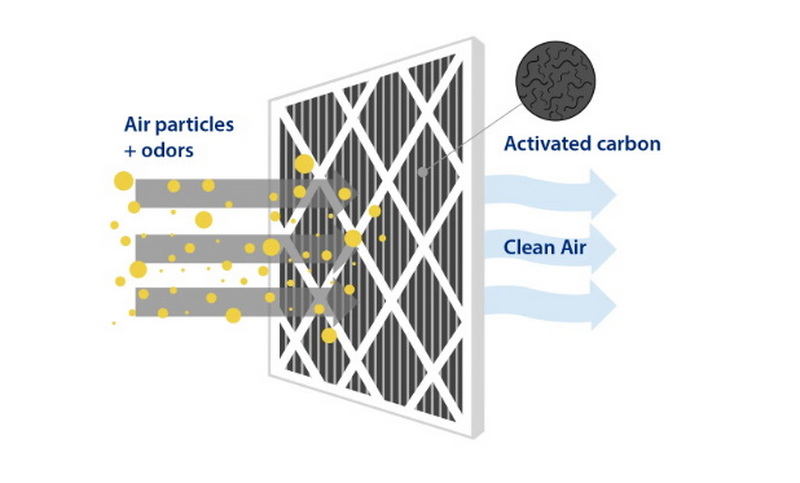
Activated carbon is a highly porous form of carbon with a huge internal surface area that adsorbs gases, odors, and dissolved organic contaminants from air and water. In an activated carbon filter, air or water passes through a bed or layer of activated carbon, and molecules are captured in the micro‑ and meso‑pores by physical adsorption and, in some cases, chemical interactions.[3][5][6][1]
Because adsorption is a surface process, the pores of the activated carbon gradually fill up with adsorbed compounds, and the activated carbon filter becomes saturated. Once saturated, the activated carbon media can no longer capture contaminants effectively, even if the outside of the filter looks clean.[4][6][7]
Can Activated Carbon Filters Be Washed?
Whether an activated carbon filter is washable depends on its design, application, and the manufacturer's instructions. Many consumer air purifier and water filter cartridges are labeled as non‑washable and should be replaced when saturated, while a few “long‑life” or regenerable activated carbon filters (for example, certain range hood filters) are designed for limited washing or regeneration cycles.[8][9][5]
Several sources note that it is physically possible to rinse or even gently wash an activated carbon filter to remove dust or sediment, but this does not truly “reactivate” the internal pores of the activated carbon. Washing mainly cleans the outer surface and may slightly improve flow, but the adsorptive capacity of the activated carbon that has already captured VOCs or dissolved organics is largely unchanged.[2][10][5][6][1]
Washing Activated Carbon Air Filters
For air purifiers, HVAC units, or odor control systems, activated carbon filters often sit behind a pre‑filter that captures larger dust particles. In these systems, the manufacturer may allow light cleaning of the activated carbon filter (shaking, brushing, or vacuuming) to remove loose dust but still recommend periodic replacement of the activated carbon filter to maintain gas adsorption performance.[5][1][4]
Some guides describe washing an activated carbon air filter with warm water and mild detergent, then air‑drying it completely before reinstalling, but they clearly emphasize that washing mainly removes surface dust and does not restore VOC removal capacity. Because activated carbon absorbs water, using a washed filter that is not completely dry carries a risk of mold growth inside the activated carbon filter, especially in humid environments.[10][1][5]
Washing Activated Carbon Water Filters
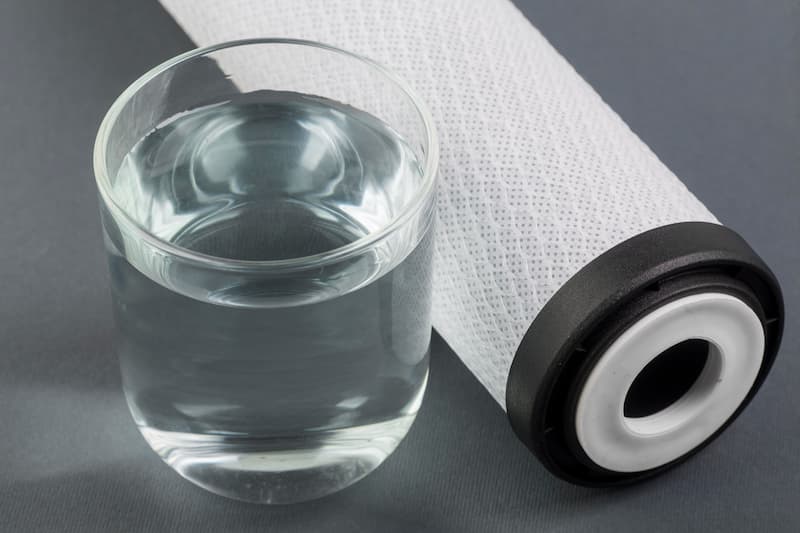
In water treatment, activated carbon is commonly used in cartridges, granular activated carbon (GAC) beds, and powdered activated carbon dosing systems. Some household gravity filters and small under‑sink systems suggest occasional rinsing of the activated carbon media to remove sediment and fine particles, but they still specify a maximum service life or number of months after which the activated carbon must be replaced for safety.[11][6][3]
Technical resources for water filters indicate that washing used activated carbon with water, salt solution, or mild acidic solution can remove some scale or debris but only partially affects the adsorbed contaminants, and performance is not fully restored. To properly reactivate saturated activated carbon from water treatment, the carbon must be heated to around 800–1000 °C in an oxygen‑free or controlled environment, something that cannot be achieved safely in normal household conditions.[11][3]
Special Case: Regenerable “Long Life” Activated Carbon Filters
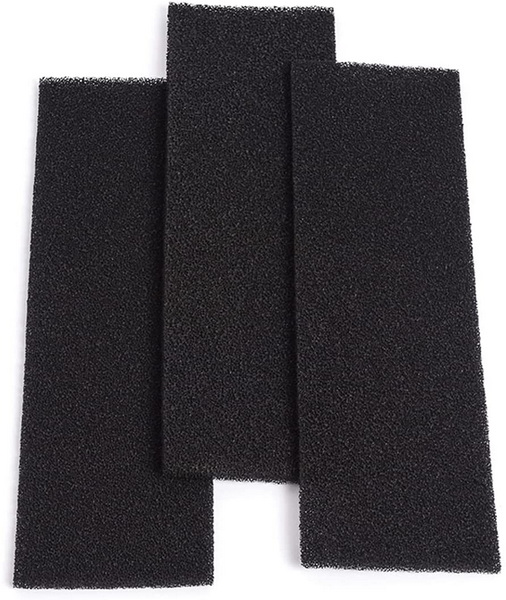
Some kitchen range hoods use special “Long Life” activated carbon filters designed to be regenerated multiple times before replacement. These Long Life activated carbon filters are usually regenerated by washing them using a specified procedure and then drying them in an oven at a controlled temperature, often every few months, up to a maximum service life of around three years.[9][8]
Even these regenerable activated carbon filters eventually need replacement, because repeated washing and heating cycles cannot permanently restore the original adsorption capacity of the activated carbon. Standard non‑regenerable activated carbon filters for range hoods, by contrast, are not suitable for washing and must be replaced once saturated, typically every six months depending on cooking habits.[8][9]
Why Washing Activated Carbon Does Not Fully Reactivate It
The adsorption capacity of an activated carbon filter depends on the internal pore structure and surface chemistry of the activated carbon. When an activated carbon filter is used, organic molecules, VOCs, and other contaminants penetrate deep into the pores and occupy the active sites, which cannot be emptied by simple rinsing or low‑temperature washing.[6][2][3]
To truly reactivate saturated activated carbon, industrial facilities use high‑temperature thermal reactivation, heating the carbon to about 800–1000 °C in a low‑oxygen environment and sometimes injecting steam to drive off adsorbed compounds and restore porosity. This process requires specialized kilns or furnaces and careful emission control, and therefore it is not practical or safe for households trying to regenerate an activated carbon filter at home.[12][3]
Practical Pros and Cons of Washing Activated Carbon Filters
For many users, the key question is whether washing an activated carbon filter is worth the effort compared to simply replacing the filter with fresh activated carbon. Light cleaning (vacuuming or rinsing) may help maintain airflow and remove dust, but it does not reverse saturation of the activated carbon, so odor and contaminant removal may still be poor after washing.[1][2][5]
Manufacturers and technical sources repeatedly highlight that the safest way to maintain performance and protect equipment is to replace activated carbon filters at the recommended interval, especially in critical water treatment, medical, or industrial applications. In non‑critical uses like basic odor control or some kitchen hoods, partial washing or regenerating approved Long Life activated carbon filters can offer limited cost savings when done exactly as specified by the manufacturer.[7][9][4][6][8]
Best Practices for Maintaining Activated Carbon Filters
To get the best performance and longest practical service life from an activated carbon filter, maintenance should focus on preventing premature clogging and respecting the filter's design lifetime. Regularly cleaning or replacing upstream pre‑filters helps prevent dust and particulates from clogging the surface of the activated carbon filter, allowing the activated carbon media to focus on adsorbing gases and dissolved contaminants.[4][5][6][1]
Users should monitor signs that an activated carbon filter is saturated, such as the return of odors, reduced airflow or water flow, changes in taste or smell, or alarms from smart devices that track run time. When these signs appear and washing does not restore performance, the activated carbon filter should be replaced or, in industrial settings, sent for professional reactivation if a suitable service is available.[3][5][6][4]
Guidelines for Air vs. Water Applications
For air purification and odor control, activated carbon filters in home air purifiers, HVAC units, and odor control canisters are usually treated as disposable. Light cleaning to remove dust may be acceptable, but washing with water is typically discouraged because it risks moisture retention and mold growth inside the activated carbon filter unless the filter is dried extremely well.[10][5][7][1]
For drinking water or food‑related applications, safety requirements are stricter, and most guidelines favor replacing activated carbon cartridges rather than attempting to wash or chemically treat them, to avoid bacterial contamination or chemical residues. Industrial water treatment plants may send exhausted activated carbon to specialized facilities for high‑temperature reactivation, but this is a controlled process separate from simple washing of a small activated carbon filter.[6][11][3]
When You Should Replace Instead of Wash
Ultimately, the decision to wash or replace an activated carbon filter comes down to performance, safety, and cost. If odors quickly return, water quality drops, or the system's manufacturer states that the activated carbon filter is non‑washable, replacement is the correct choice to restore adsorption capacity and protect health.[2][7][4][6]
A common recommendation is to follow the replacement intervals specified for the particular activated carbon filter—often every 3–6 months for intensive household use, more frequent in high‑contamination environments, and according to hours‑of‑operation for industrial systems. For regenerable Long Life filters, users can follow the manufacturer's washing and oven‑drying procedures for a limited number of cycles, then replace the activated carbon filter at the end of its rated lifetime.[9][8][4][6]
Conclusion
Most standard activated carbon filters are not truly washable in the sense of restoring their original adsorption capacity, even though light cleaning can remove dust and extend mechanical life. Washing activated carbon filters may be allowed in a few specific designs—such as certain regenerable Long Life range hood filters—but even these rely on controlled regeneration procedures and still need replacement after a limited number of cycles.[5][1][8][2][9]
For critical air and water treatment, the safest and most reliable practice is to treat the activated carbon filter as a consumable, monitor performance, and replace or professionally reactivate the activated carbon when it becomes saturated. By respecting manufacturer guidelines and understanding how activated carbon works, users can keep their activated carbon filters effective, reduce risk, and achieve consistent purification performance.[3][4][6]
FAQ About Washable Activated Carbon Filters
1. Can I wash an activated carbon air purifier filter and reuse it?
Some activated carbon air purifier filters can be gently vacuumed or rinsed to remove surface dust, but this does not fully restore the adsorption capacity of the activated carbon. Many manufacturers explicitly state that activated carbon filters are consumables that should be replaced after a certain number of hours or months, rather than washed and reused indefinitely.[1][10][4][5]
2. Is it safe to wash an activated carbon water filter?
Rinsing activated carbon in a water filter can remove loose sediment, but washing does not remove all adsorbed contaminants and can disturb bacterial biofilms inside the activated carbon bed. For drinking water systems, most experts recommend replacing saturated activated carbon cartridges on schedule instead of trying to regenerate them at home, to maintain safety and consistent water quality.[11][6][3]
3. How are activated carbon filters professionally reactivated?
Professional reactivation of activated carbon involves heating the carbon to about 800–1000 °C in an oxygen‑limited environment so that adsorbed organics are driven off and pores are reopened. This industrial process may also include steam injection and emission control systems, and it cannot be replicated safely with household ovens or microwaves.[12][3]
4. Are Long Life kitchen hood activated carbon filters really washable?
Long Life or “regenerable” activated carbon filters for kitchen hoods are designed to be periodically washed or regenerated, often by running them through a dishwasher and then drying them in an oven according to the manufacturer's instructions. However, even these activated carbon filters have a limited total lifespan of around three years, after which they must be replaced to maintain effective odor and grease removal.[8][9]
5. How do I know when to replace my activated carbon filter instead of washing it?
Common signs that an activated carbon filter needs replacement include the return of odors, reduced water or air flow, changes in taste, and warning indicators or alarms on the device. If cleaning (vacuuming or rinsing) does not restore performance or the manufacturer's recommended service life has been reached, the activated carbon filter should be replaced or, in industrial settings, sent for professional reactivation.[4][5][6]
Citations:
[1](https://housefresh.com/how-to-clean-an-activated-carbon-air-filter/)
[2](https://greenyplace.com/can-you-wash-and-reuse-activated-carbon-filters)
[3](https://www.uk-water-filters.co.uk/pages/can-i-regenerate-used-water-filter-carbon)
[4](https://abhirowater.com/when-to-change-your-activated-carbon-filter/)
[5](https://www.rabbitair.com/blogs/air-purifier/how-to-clean-your-activated-carbon-filter)
[6](https://rajahfiltertechnics.com/water-filtration/when-to-change-your-activated-carbon-filter-and-why-you-have-to/)
[7](https://freshheadquarters.com/blogs/news/dont-make-these-3-mistakes-with-activated-carbon-filters)
[8](https://www.filtrocappa.it/en/blog/maintenance-and-cleaning/can-activated-carbon-filters-be-washed)
[9](https://www.filtrocappa.it/en/blog/maintenance-and-cleaning/6-steps-renew-longlife-activated-carbon-filters)
[10](https://smartairfilters.com/learn/smart-air-knowledge-base/can-the-carbon-filter-be-washed/)
[11](https://www.livingwhole.com.au/how-to-clean-an-activated-carbon-filter/)
[12](https://www.reddit.com/r/AirPurifiers/comments/1f7b6wn/regenerate_activated_charcoal/)
[13](https://www.reddit.com/r/microgrowery/comments/131jq76/wash_your_activated_carbon/)
[14](https://www.reddit.com/r/Aquariums/comments/rm5v8k/do_i_need_activated_carbon_in_my_filter_or_should/)
[15](https://www.facebook.com/groups/320106974244685/posts/512427735012607/)
[16](https://www.youtube.com/watch?v=Kl1bWSiObBk)
[17](https://forum.growweedeasy.com/forum/growing-community/641675-cleaning-and-reactivating-a-carbon-filter)
[18](https://crateclub.com/blogs/loadout/how-to-clean-activated-carbon-water-filter-a-comprehensive-guide)
[19](https://www.h2odistributors.com/product-category/systems/whole-house-systems/whole-house-backwashing-carbon-filters/)
[20](https://www.thcfarmer.com/threads/carbon-filters-replace-charcoal-or-new.139881/)


