Content Menu
● What Is Activated Carbon?
● How Activated Carbon Filters Work
● Are Activated Carbon Filters Safe for Drinking Water?
● Are Activated Carbon Filters Safe for Air and Gas?
● What Do Activated Carbon Filters Remove – And What Not?
● Safety Concerns: When Can Activated Carbon Filters Be Unsafe?
>> Bacterial Growth and Hygiene Risks
>> Saturation and Breakthrough
>> Misapplication and Over‑Reliance
● Certifications and Standards for Safe Activated Carbon Filters
● Best Practices for Using Activated Carbon Filters Safely
● Typical Applications of Activated Carbon Filters
● Conclusion
● FAQ – Are Activated Carbon Filters Safe?
>> 1. Are activated carbon water filters safe to drink from?
>> 2. Can activated carbon filters grow bacteria?
>> 3. Do activated carbon air filters release VOCs back into the room?
>> 4. How do I know if an activated carbon filter is safe and certified?
>> 5. Are activated carbon filters safe for long‑term daily use?
● Citations:
Activated carbon filters are generally safe for treating water, air, and gases when correctly designed, certified, installed, and maintained according to the manufacturer's instructions. They are widely used in homes, offices, and industry to reduce chlorine, odors, volatile organic compounds (VOCs), and many organic chemicals, but they do not remove every possible contaminant and can become unsafe if neglected or misapplied.[1][2][3][4]
What Is Activated Carbon?
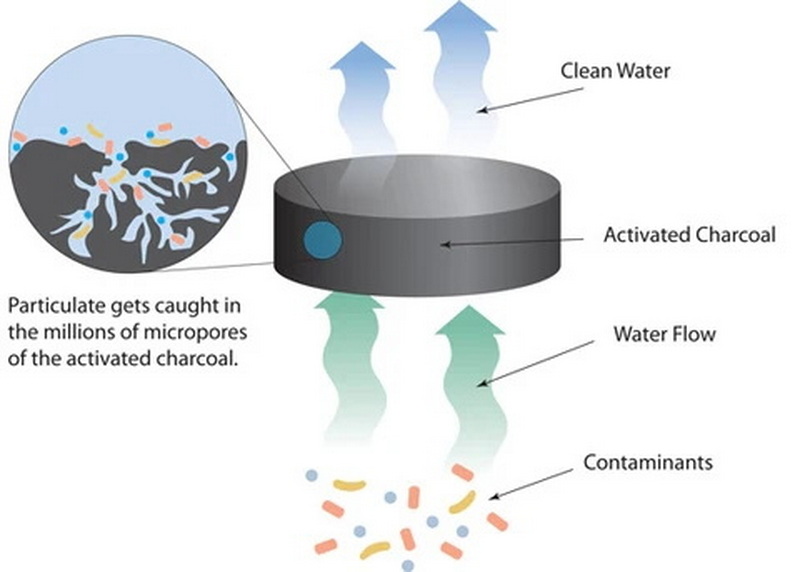
Activated carbon is a specially processed carbon material with an extremely high internal surface area and a network of micro‑pores that adsorb contaminants from water, air, and process streams. It is typically produced from coal, coconut shell, wood, or other carbon‑rich raw materials and then “activated” by steam or chemicals to create a highly porous structure ideal for purification applications.[2][5]
How Activated Carbon Filters Work
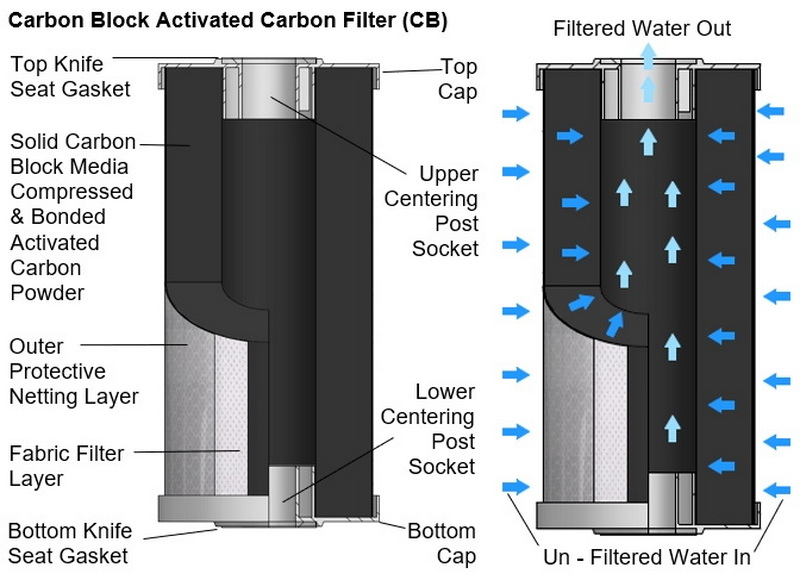
Activated carbon filters work mainly through adsorption, where molecules of contaminants adhere to the surface of the activated carbon rather than dissolving into it like a sponge. The effectiveness of an activated carbon filter depends on factors such as carbon type (granular vs block), bed depth, contact time, contaminant concentration, and flow rate.[3][6][1][2]
Are Activated Carbon Filters Safe for Drinking Water?
Activated carbon filters are widely accepted as safe for drinking water improvement when they use certified media and are installed on microbiologically safe water sources. They are commonly used to reduce chlorine, many organic chemicals, taste and odor compounds, some synthetic chemicals, and certain industrial pollutants such as radon or PFAS, depending on design and certification.[7][8][6][9][4][1]
However, activated carbon filters do not reliably remove all microbes, nitrates, hardness, or every heavy metal, and they can become a breeding ground for bacteria if cartridges are not replaced on schedule. For non‑potable water sources, activated carbon is usually combined with disinfection, reverse osmosis, or other technologies to ensure overall safety, rather than being used as the only treatment step.[6][10][9][1][2]
Are Activated Carbon Filters Safe for Air and Gas?
Activated carbon air filters are considered safe and are widely used in residential purifiers, HVAC systems, industrial VOC control, and odor abatement systems. Because activated carbon adsorbs VOCs and many gaseous pollutants, it can significantly improve indoor air quality by reducing exposure to harmful chemicals emitted from paints, cleaning products, and furniture.[5][11][12][3]
Properly designed activated carbon filters for air should be matched to airflow, VOC load, and operating environment, and they are often combined with particle filters such as HEPA to capture dust and allergens. To maintain safety, spent activated carbon filters must be replaced before saturation, especially in industrial systems where captured chemicals could otherwise desorb under changing conditions.[11][12][3][5]
What Do Activated Carbon Filters Remove – And What Not?
Activated carbon filters are very effective at removing chlorine, many taste and odor compounds, a wide range of organic chemicals, some pesticides and solvents, and many VOCs from water and air. Advanced activated carbon block and catalytic activated carbon can also significantly reduce chloramines, certain PFAS chemicals, some heavy metals when combined with ion exchange, and specific micropollutants, depending on the filter design and certification.[13][8][9][4][1][2][6]
On the other hand, standard activated carbon filters do not reliably remove dissolved inorganic salts, nitrates, many microbes, hardness, or all heavy metals, which is why multi‑stage systems often combine activated carbon with other media. Understanding the target contaminants and checking the manufacturer's performance and NSF/ANSI test data is essential when choosing an activated carbon solution.[14][1][2][7][6]
Safety Concerns: When Can Activated Carbon Filters Be Unsafe?
Bacterial Growth and Hygiene Risks
If activated carbon filters are not replaced or sanitized according to schedule, the porous activated carbon structure can support bacterial growth that may deteriorate water quality. For this reason, many authorities recommend applying activated carbon only to microbiologically safe water and following the manufacturer's recommended replacement interval strictly.[4][1][2]
In drinking water applications, stagnant water inside an activated carbon cartridge, low flow, and warm temperatures can accelerate biofilm formation inside the activated carbon pores and housing. Regular flushing and timely cartridge replacement are key safety practices when using any activated carbon system.[10][2]
Saturation and Breakthrough
Activated carbon has a finite adsorption capacity, and once the available surface area is saturated, contaminants can begin to “break through” and appear again in the treated water or air. Since activated carbon filters rarely provide a visual or automatic warning when saturated, users must rely on manufacturer guidance and possibly monitoring to determine safe replacement intervals.[2][10]
In water treatment, saturation of an activated carbon filter may mean chlorine, organic chemicals, or PFAS are no longer being adequately removed, while in air systems it can lead to uncontrolled VOC emissions. For safety‑critical or regulatory applications, many engineers design conservatively and use monitoring or scheduled change‑outs based on contaminant load and activated carbon capacity calculations.[9][12][6][2]
Misapplication and Over‑Reliance
Using a simple activated carbon filter on microbiologically unsafe water without disinfection or additional treatment can create a false sense of security, because activated carbon does not reliably remove bacteria and viruses. Similarly, assuming that a basic activated carbon cartridge will remove every heavy metal or complex contaminant can result in non‑compliance with regulations and potential health risks.[1][6][2]
The safe approach is to treat activated carbon as one powerful step within a complete treatment train, not as a universal solution, and to ensure the chosen activated carbon filter is certified for the specific contaminants of concern.[7][14][6][9]
Certifications and Standards for Safe Activated Carbon Filters
NSF/ANSI 42 is a common standard evaluating aesthetic effects (such as chlorine, taste, and odor) and material safety of filtration media, including activated carbon in residential water filters. NSF/ANSI 53 addresses health‑related contaminant reduction (such as certain heavy metals and organic chemicals), and NSF/ANSI 401 covers emerging contaminants, where advanced activated carbon block and catalytic activated carbon technologies are often used.[14][6][7]
For PFAS such as PFOA and PFOS, specialized granular activated carbon filters can be certified under NSF P473 or related standards, with typical effectiveness in the 88–99% range for long‑chain PFAS. Many manufacturers also have activated carbon products audited by independent bodies such as WQA or IAPMO to verify compliance with NSF/ANSI performance and material safety requirements.[6][9][14]
Best Practices for Using Activated Carbon Filters Safely
To use activated carbon filters safely in drinking water applications, users should choose products with appropriate NSF/ANSI certifications, match the filter capacity to water usage, and replace cartridges at or before the recommended interval. It is also advisable to pre‑flush new activated carbon filters to remove dust and fines, as small amounts of activated carbon dust are generally considered safe but can be visually unappealing.[1][2][7][6]
In air and gas applications, safe use of activated carbon filters involves selecting media with suitable pore structure for the target VOCs, designing adequate contact time, and monitoring pressure drop and VOC levels for early signs of saturation. Industrial users often work with specialized activated carbon manufacturers to specify the right activated carbon grade, bed depth, and change‑out strategy for odor control, solvent recovery, or emissions compliance.[12][3][5][11]
Typical Applications of Activated Carbon Filters
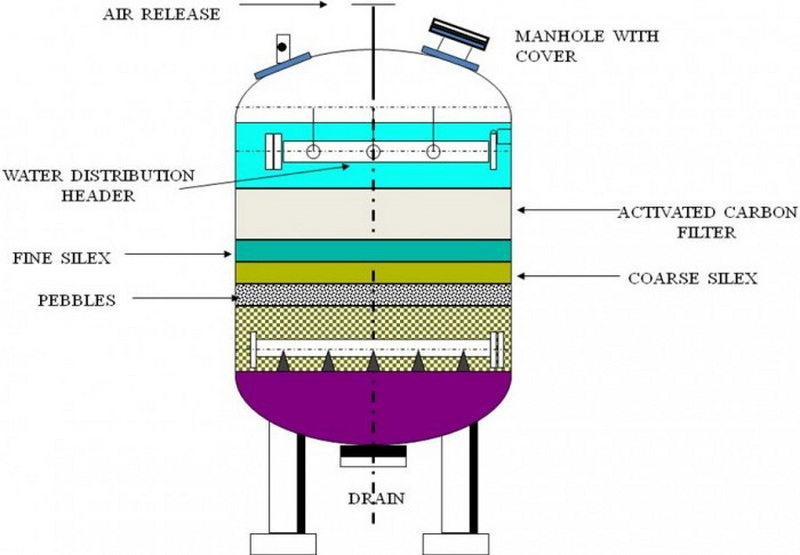
Activated carbon filters are widely used in household drinking water systems, refrigerator filters, countertop filters, under‑sink filters, and whole‑house filters to improve taste, odor, and overall water quality. In municipal and industrial water treatment, large beds of granular activated carbon are used for polishing, removal of synthetic organic chemicals, and treatment of specific contaminants such as PFAS, pesticides, and industrial organics.[8][13][9][4][6][1]
In air and gas purification, activated carbon filters are used in residential air purifiers, HVAC systems, industrial exhaust treatment, gas masks, and odor control systems in wastewater treatment plants and chemical facilities. The same activated carbon principles are applied in food and beverage decolorization, pharmaceutical purification, and chemical manufacturing, where strict quality and safety standards must be met.[3][5][11][12][2]
Conclusion
Activated carbon filters are a safe and proven technology for improving water and air quality across residential, commercial, and industrial applications when they are properly designed, certified, and maintained. The key to safe use of activated carbon is understanding both its strengths—excellent adsorption of many organic contaminants and VOCs—and its limitations, then integrating activated carbon into a complete, well‑managed treatment system rather than treating it as a universal solution.[4][2][3][6][1]
FAQ – Are Activated Carbon Filters Safe?
1. Are activated carbon water filters safe to drink from?
Activated carbon water filters are generally safe when they are made from certified materials, installed on microbiologically safe water, and replaced according to the manufacturer's schedule. They effectively reduce chlorine, many organic chemicals, and taste‑odor compounds, but should not be the only barrier for microbiologically unsafe water or complex contamination.[2][7][6][4][1]
2. Can activated carbon filters grow bacteria?
Yes, the porous structure of activated carbon can support bacterial growth if water remains stagnant in the filter, particularly when cartridges are not replaced on time. To reduce this risk, activated carbon systems should be flushed regularly and cartridges changed at or before the recommended service life, especially in warm environments and low‑use systems.[10][1][2]
3. Do activated carbon air filters release VOCs back into the room?
When correctly sized and replaced before saturation, activated carbon air filters safely adsorb VOCs and odors and are widely used to improve indoor air quality. If an activated carbon filter becomes saturated or overheated, some desorption of previously captured compounds can occur, which is why regular replacement and proper design margins are important in critical applications.[5][11][12][3]
4. How do I know if an activated carbon filter is safe and certified?
Safe activated carbon filters for drinking water typically carry NSF/ANSI certifications such as 42, 53, 401, or PFAS‑specific standards, and may also be certified by independent bodies like WQA or IAPMO. Product labels, packaging, and official listings should clearly state the standard, contaminant reduction claims, and test conditions so that users can verify the suitability of the activated carbon filter.[15][9][7][14][6]
5. Are activated carbon filters safe for long‑term daily use?
Activated carbon filters are designed for continuous daily use and are safe over the long term when operated within their capacity, maintained correctly, and used on appropriate source water or air streams. Long‑term safety depends on following replacement intervals, monitoring performance where necessary, and ensuring that activated carbon is part of a complete treatment strategy when dealing with complex or high‑risk contamination.[9][3][6][4][1][2]
Citations:
[1](https://drinking-water.extension.org/drinking-water-treatment-activated-carbon-filter/)
[2](https://crateclub.com/blogs/loadout/is-activated-carbon-water-filter-safe-understanding-the-safety-and-efficacy-of-carbon-filtration)
[3](https://filterbuy.com/resources/health-and-wellness/does-activated-carbon-filter-remove-vocs-from-indoor-air/)
[4](https://www.health.state.mn.us/communities/environment/hazardous/topics/gac.html)
[5](https://getpuroair.com/blogs/news/the-essential-role-of-activated-carbon-in-air-filters)
[6](https://www.tapwaterdata.com/blog/guides/understanding-nsf-water-filter-certifications)
[7](https://www.nsf.org/water-systems/treatment-chemicals-media/filtration-media)
[8](https://www.capecod.gov/wp-content/uploads/2022/03/activatedcarbon.pdf)
[9](https://www.canr.msu.edu/news/list-of-household-filters-approved-for-certain-pfas-removal)
[10](https://support.cascadedesigns.com/hc/en-us/articles/35376955864467-What-are-some-of-the-limitations-of-activated-carbon-in-water-treatment-devices)
[11](https://terra-bloom.com/blogs/news/activated-carbon-air-filters-untangling-the-true-from-the-false)
[12](https://cleanair.camfil.us/2019/07/23/can-industrial-molecular-air-filters-remove-vocs/)
[13](https://tappwater.co/blogs/blog/what-activated-carbon-filters-remove)
[14](https://www.multipure.com/purely-social/science/nsf-water-filtration-certifications/)
[15](https://info.nsf.org/Certified/DWTU/Listings.asp?TradeName=carbon&hdModlStd=ModlStd)
[16](https://extensionpubs.unl.edu/publication/g1489/na/html/view)
[17](https://www.reddit.com/r/RVLiving/comments/183omfr/dont_carbon_filters_make_your_water_less_safe/)
[18](https://www.acewatershop.com.au/blogs/news/activated-charcoal-water-filter-side-effects)
[19](https://www.reddit.com/r/AirPurifiers/comments/18hlapa/the_voc_and_activated_charcoal_question/)
[20](https://news.mit.edu/2021/study-finds-indoor-air-cleaners-fall-short-removing-volatile-organic-compounds-1029)


