Content Menu
● What Is Granular Activated Carbon Made Of?
● Main Raw Materials of Granular Activated Carbon
>> Coal‑Based Granular Activated Carbon
>> Coconut Shell–Based Granular Activated Carbon
>> Wood‑Based and Other Biomass Granular Activated Carbon
● Key Ingredients in Granular Activated Carbon Production
>> Chemical Activating Agents
>> Binders and Additives
>> Steam, Air, and Process Gases
● How Granular Activated Carbon Is Made
>> Carbonization Stage
>> Activation Stage (Physical and Chemical)
>> Washing, Drying, and Sizing
● Structure and Properties of Granular Activated Carbon
>> Pore Structure and Surface Area
>> Mechanical Strength and Regenerability
● Applications of Granular Activated Carbon by Raw Material
>> Water and Wastewater Treatment
>> Air and Gas Purification
>> Food, Beverage, Chemical, and Pharmaceutical Uses
● Conclusion
● FAQ About Granular Activated Carbon
>> FAQ 1 – What is granular activated carbon made of?
>> FAQ 2 – How is granular activated carbon different from powdered activated carbon?
>> FAQ 3 – Which raw material is best for granular activated carbon?
>> FAQ 4 – Can granular activated carbon be regenerated and reused?
>> FAQ 5 – What are typical applications of granular activated carbon?
● Citations:
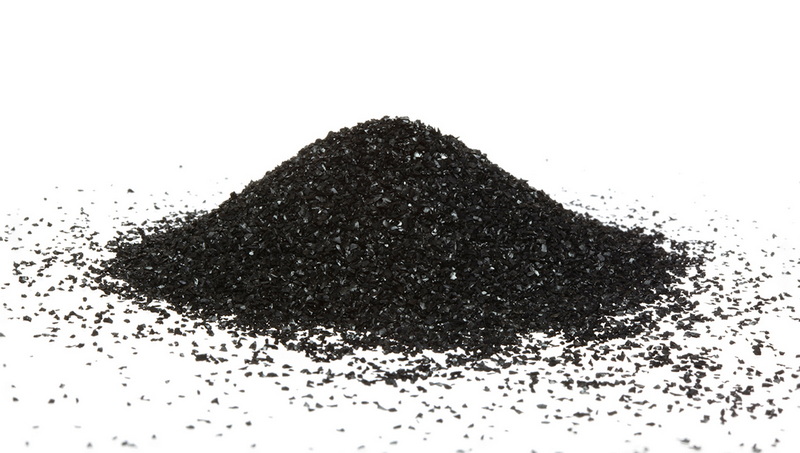
Granular activated carbon is typically made from high‑carbon natural raw materials such as coal, coconut shell, wood, peat, or nutshells that are carbonized and then “activated” to create a highly porous, granular adsorbent. Through controlled heating with steam or chemicals, these carbon sources are transformed into granular activated carbon with a huge internal surface area and tailored pore structure for different industrial applications.[1][2][3]
What Is Granular Activated Carbon Made Of?
Granular activated carbon (GAC) is a form of activated carbon that has been processed into relatively large, hard granules designed for use in packed beds, filters, and contactors. These granules offer excellent mechanical strength and can be regenerated, making granular activated carbon a versatile and cost‑effective solution for water treatment, air and gas purification, and many other industrial processes.[4][3][5][1]
Main Raw Materials of Granular Activated Carbon
Granular activated carbon is produced from carbon‑rich raw materials that can be thermally converted into a stable, porous structure. The choice of feedstock strongly influences the hardness, pore size distribution, and adsorption performance of the final granular activated carbon.[2][3][6]
Coal‑Based Granular Activated Carbon
Coal, especially bituminous coal, anthracite, and lignite, is one of the most common feedstocks for coal‑based granular activated carbon. These coals have high fixed carbon content and can form strong, durable granules ideal for large‑scale water and gas treatment systems.[6][2][4]
- Non‑caking and weakly caking coals such as anthracite and lignite are widely used for coal‑based granular activated carbon because they carbonize into rigid particles with good mechanical strength.[2]
- During production, coal is often mixed with binders like coal tar or starch and then shaped before activation to obtain uniform granular activated carbon products.[2]
Coconut Shell–Based Granular Activated Carbon
Coconut shell is another major raw material for granular activated carbon, especially in applications requiring high hardness and predominantly microporous structures. Because coconut shells are dense and rich in lignin, coconut shell granular activated carbon typically features very high surface area and excellent abrasion resistance.[7][3][6]
- Coconut shell–based granular activated carbon is widely used in drinking water purification, food and beverage processing, and solvent recovery where fine taste, odor, and organic contaminant control are critical.[8][4]
- The high mechanical strength of coconut shell granular activated carbon makes it suitable for repeated backwashing and thermal regeneration cycles without significant loss of granule integrity.[3]
Wood‑Based and Other Biomass Granular Activated Carbon
Wood, peat, and various agricultural by‑products such as nut shells, fruit stones, and pits are also used to produce granular activated carbon. These biomass materials often yield granular activated carbon with a larger proportion of mesopores and macropores, which can be advantageous for adsorbing larger molecules.[7][3][6]
- Olive stones, almond shells, and similar fruit kernels are valued for their high natural lignin content, which acts as a binding agent during chemical activation to form stable granular activated carbon.[7]
- Peat‑ and wood‑based granular activated carbon is commonly used for specific liquid‑phase and gas‑phase applications where a broader pore size distribution is required.[9][3]
Key Ingredients in Granular Activated Carbon Production
Beyond the primary carbon source, several other materials and processing agents are involved in manufacturing granular activated carbon. These include chemical activating agents, binders, and process gases that together shape the pore structure and physical properties of the granular activated carbon.[3][2][7]
Chemical Activating Agents
In chemical activation processes, activating chemicals are mixed with the raw material to promote pore development at lower temperatures. Common activating agents for granular activated carbon include phosphoric acid, zinc chloride, potassium hydroxide, and sodium hydroxide.[2][7]
- Phosphoric acid and zinc chloride are frequently used to treat wood and other biomass before carbonization, helping to open up a highly porous structure in the resulting granular activated carbon.[3][7]
- Alkali activators such as potassium hydroxide and sodium hydroxide are often used to form highly microporous activated carbons, especially when manufacturing granular activated carbon intended for gas‑phase adsorption or energy storage applications.[10][2]
Binders and Additives
When coal or powdered biomass is used, binders are needed to shape the material into strong granules prior to activation. Typical binders include coal tar, wood tar, starch, molasses, clay, and other organic binders compatible with high‑temperature processing.[7][2]
- Coal tar is widely used in coal‑based granular activated carbon production due to its strong binding capacity and compatibility with high‑temperature carbonization.[2]
- Natural binders such as lignin within biomass feedstocks can reduce or eliminate the need for additional binders, allowing direct pelletizing of the raw material into granular activated carbon precursors.[7]
Steam, Air, and Process Gases
In physical activation, steam or carbon dioxide acts as the activating medium, reacting with the charred carbon to form pores within the granular activated carbon structure. Controlled amounts of air may also be used under specific conditions to fine‑tune pore development and burn off residual volatile matter.[11][3]
- After initial carbonization, char granules are exposed to high‑temperature steam or CO₂ to gradually oxidize carbon from within, creating the vast internal surface area that makes granular activated carbon so effective.[11][3]
- Precise control of activation temperature, gas flow rate, and residence time allows manufacturers to tailor granular activated carbon products for specific pore size distributions and adsorption capacities.[10][3]
How Granular Activated Carbon Is Made
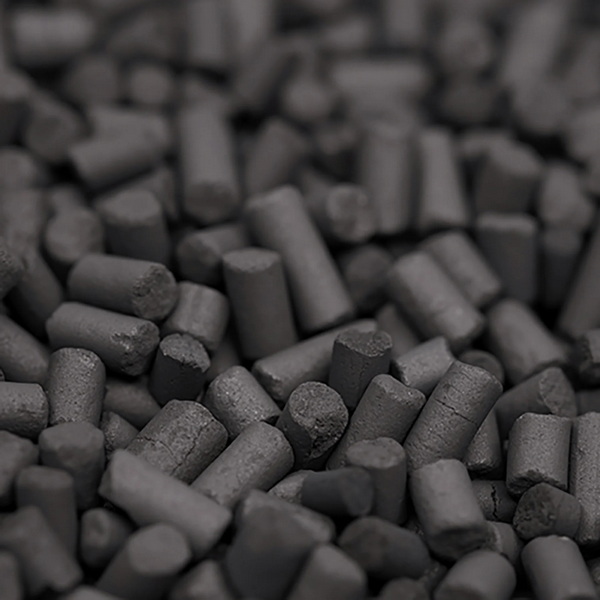
The production of granular activated carbon typically involves three main stages: preparation of the raw material, carbonization, and activation, often followed by washing, drying, and sizing. Each step is carefully engineered to create a robust, high‑surface‑area granular activated carbon suitable for demanding industrial environments.[10][3][2]
Carbonization Stage
In the carbonization stage, the selected raw material is heated in the absence of oxygen to drive off volatile components and concentrate the carbon. This process transforms biomass or coal into a char with the basic structure needed for later activation into granular activated carbon.[11][3]
- Typical carbonization temperatures range from roughly 400 °C to 700 °C, depending on the material and process, with slow heating used to avoid cracking or disintegration of granules.[3][7]
- The carbonized granules retain the overall size and shape of the original pellets, providing a strong foundation for the final granular activated carbon product.[11][7]
Activation Stage (Physical and Chemical)
The activation stage develops the pore structure and surface area that define high‑quality granular activated carbon. Two main activation methods are used: physical activation with gases and chemical activation with impregnated reagents.[3][2][7]
- In physical activation, steam or CO₂ is passed through carbonized granules at high temperatures, often between 800 °C and 1000 °C, selectively reacting with carbon to open pores and enlarge channels in the granular activated carbon.[11][3]
- In chemical activation, the raw material is impregnated with activating agents like phosphoric acid before carbonization, allowing pore formation at lower temperatures and enabling production of granular activated carbon with tailored pore networks.[2][7]
Washing, Drying, and Sizing
After activation, granular activated carbon is washed to remove residual chemicals and fine particles, then dried and classified by size. Proper post‑treatment is critical to ensure the granular activated carbon meets regulatory requirements and performance specifications for its intended application.[12][13][8][7]
- Washing removes soluble ash, acid residues, and remaining activating agents, improving purity and preventing unwanted leaching in use.[12][7]
- Granular activated carbon is then dried and sieved into standard mesh sizes, allowing designers of filters and columns to optimize contact time and pressure drop.[5][13]
Structure and Properties of Granular Activated Carbon
The unique performance of granular activated carbon comes from its extremely high internal surface area and complex pore network. These structural features make granular activated carbon an outstanding adsorbent for dissolved and gaseous contaminants.[14][1][4][3]
Pore Structure and Surface Area
Granular activated carbon contains a mixture of micropores, mesopores, and macropores that together provide an enormous internal surface area. Surface area is often measured through parameters like iodine number or BET surface area, which correlate with adsorption capacity.[1][10][3]
- Micropores are especially important for adsorbing small organic molecules and gases, which is why micropore‑rich coconut shell granular activated carbon is preferred for trace contaminant removal.[14][3]
- Mesopores and macropores provide channels that facilitate transport of larger molecules into the interior, enhancing the performance of granular activated carbon in wastewater and industrial process streams.[4][10]
Mechanical Strength and Regenerability
Because granular activated carbon is used in packed beds and filters, high mechanical strength is critical to minimize attrition and dust formation. Coal‑ and coconut shell–based granular activated carbon products are particularly valued for their hardness and resistance to wear.[5][6][2]
- Strong granular activated carbon allows repeated backwashing and thermal or steam regeneration, enabling long service life and lower operating costs.[13][3]
- The ability to regenerate granular activated carbon also reduces waste and supports more sustainable water and air treatment solutions.[8][4]
Applications of Granular Activated Carbon by Raw Material
The choice of raw material and activation method directly influences how granular activated carbon performs in specific applications. Different industries select particular granular activated carbon types to balance factors such as adsorption capacity, kinetics, purity, and cost.[9][8][4][14]
Water and Wastewater Treatment
Granular activated carbon is extensively used in municipal drinking water plants, industrial wastewater facilities, and residential filtration systems. Its highly porous structure enables granular activated carbon to remove taste, odor, color, organic micro‑pollutants, and residual disinfectants like chlorine.[8][14][12]
- Coconut shell and coal‑based granular activated carbon are commonly used in fixed‑bed filters and granular activated carbon contactors for surface water and groundwater treatment.[12][8]
- In wastewater applications, granular activated carbon helps remove dissolved organics, dyes, and industrial contaminants before discharge or reuse.[4][10]
Air and Gas Purification
In gas‑phase systems, granular activated carbon is used to capture volatile organic compounds (VOCs), odors, and toxic gases from process streams and ventilation air. Granular activated carbon is also applied in gas masks, respirators, and HVAC filters for human protection and comfort.[1][9][4]
- Specialized impregnated granular activated carbon can remove acidic gases, mercury vapor, and radioactive gases in environmental and nuclear applications.[15][4]
- In natural gas processing, granular activated carbon helps remove impurities such as hydrogen sulfide and carbon dioxide to protect pipelines and downstream equipment.[15]
Food, Beverage, Chemical, and Pharmaceutical Uses
Granular activated carbon plays an important role in refining and purifying high‑value products in food, beverage, chemical, and pharmaceutical industries. The high purity and controlled pore structure of granular activated carbon makes it suitable for contact with sensitive products.[16][14][1][8]
- In food and beverage processing, granular activated carbon is used for decolorization, deodorization, and removal of trace contaminants from sugar solutions, beverages, and process water.[16][4]
- In pharmaceuticals and fine chemicals, granular activated carbon helps purify intermediates and finished products by adsorbing impurities, color bodies, and residual solvents.[16][1]
Conclusion
Granular activated carbon is made primarily from high‑carbon natural materials such as coal, coconut shells, wood, peat, and various nut shells that are carefully carbonized and activated to create a highly porous granular adsorbent. With the help of activating chemicals, binders, and process gases, these raw materials are transformed into granular activated carbon products optimized for water treatment, air and gas purification, and critical applications in food, beverage, chemical, and pharmaceutical industries. By choosing the appropriate raw material and activation method, manufacturers can engineer granular activated carbon with tailored pore structures, high mechanical strength, and long service life to meet the demanding requirements of modern industrial and environmental processes.[4][10][14][8][7][3][2]
FAQ About Granular Activated Carbon
FAQ 1 – What is granular activated carbon made of?
Granular activated carbon is mainly made from carbon‑rich natural materials such as coal, coconut shell, wood, peat, and various nut shells that are processed through carbonization and activation. These raw materials are selected for their high fixed carbon content and ability to form strong, porous granules suitable for industrial filtration and purification applications.[6][4][3][2]
FAQ 2 – How is granular activated carbon different from powdered activated carbon?
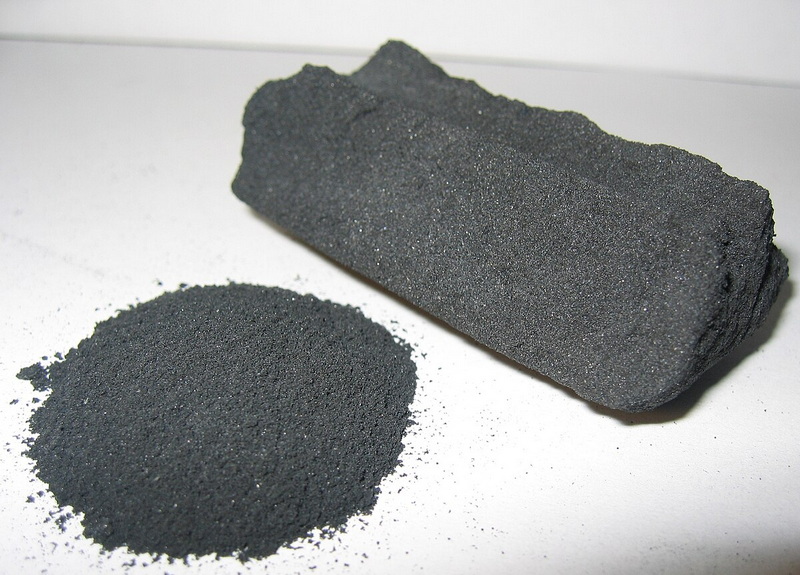
Granular activated carbon consists of relatively large, hard granules that are used in fixed beds and filters, while powdered activated carbon is composed of fine particles typically dosed directly into liquids. Because of its size and mechanical strength, granular activated carbon can be regenerated and reused many times in continuous treatment systems, whereas powdered activated carbon is usually used once and then removed with sludge.[5][12][3]
FAQ 3 – Which raw material is best for granular activated carbon?
The best raw material for granular activated carbon depends on the application, but coconut shell and certain coals are widely preferred due to their high surface area and mechanical strength. Coconut shell granular activated carbon is often chosen for drinking water and food applications, while coal‑based granular activated carbon is common in large‑scale water, wastewater, and gas‑phase systems.[9][6][8][4][3][2]
FAQ 4 – Can granular activated carbon be regenerated and reused?
Yes, granular activated carbon can often be thermally or chemically regenerated to restore much of its adsorption capacity, enabling multiple reuse cycles. Regeneration reduces overall treatment costs and decreases waste generation, making granular activated carbon a more sustainable choice for many long‑term filtration and purification systems.[13][8][4][3]
FAQ 5 – What are typical applications of granular activated carbon?
Granular activated carbon is widely used for municipal and industrial water treatment, air and gas purification, solvent recovery, and product purification in food, beverage, chemical, and pharmaceutical industries. Its high internal surface area and versatile pore structure allow granular activated carbon to remove a broad range of contaminants, including organic compounds, odors, VOCs, color bodies, and residual disinfectants.[16][14][1][8][4]
Citations:
[1](https://en.wikipedia.org/wiki/Activated_carbon)
[2](https://www.naturecarbon.com/news/method-for-producing-granular-activated-carbon-84984233.html)
[3](https://www.sciencedirect.com/topics/engineering/granular-activated-carbon)
[4](https://www.naturecarbon.com/news/application-of-granular-activated-carbon-84981257.html)
[5](https://activatedcarbon.net/granular-activated-carbon/)
[6](https://www.kuraray-c.co.jp/en/activecarbon/about/03.html)
[7](https://patents.google.com/patent/US5162286A/en)
[8](https://generalcarbon.com/understanding-granular-activated-carbon-for-water-treatment/)
[9](https://sodimate-inc.com/activated-carbon-types-applications-advantages/)
[10](https://www.sciencedirect.com/science/article/pii/S2369969821000311)
[11](https://www.youtube.com/watch?v=KZ4nIHJqm0o)
[12](https://www.health.state.mn.us/communities/environment/hazardous/topics/gac.html)
[13](https://pacificcoastcarbon.com/carbon-products/)
[14](https://www.activatedcarbon.net/how-does-granular-activated-carbon-work/)
[15](https://www.yuanlicarbonyl.com/blog/what-new-applications-are-being-explored-for-granular-activated-carbon-1055237.html)
[16](https://www.everfilt.com/post/gac-activated-carbon-uses-benefits)
[17](https://www.youtube.com/watch?v=GNKeps6pIao)
[18](https://wqa.org/wp-content/uploads/2022/09/2016_GAC.pdf)
[19](https://www.wwdmag.com/what-is-articles/article/10939799/what-is-granular-activated-carbon-gac)
[20](https://www.osmosisinfo.com/granular-activated-carbon-filter-for-aquarium-water-treatment/)


