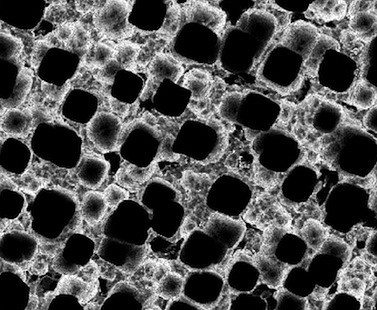
The adsorption properties of activated carbon can be analyzed and characterized by different methods, including methylene blue adsorption value, benzene adsorption amount, carbon tetrachloride adsorption rate, iodine value, coke decolorization rate, etc.
The pore structure and specific surface area of activated carbon are usually described by nitrogen adsorption isotherm at low temperature. According to the classification standards of the international society of pure and applied chemistry, the pore size is the main parameter for the characterization of the pore structure of activated carbon, which can be divided into micropore < 2.0nm, mesopore 2-50nm, and macropore >50nm.
Factors influencing pore structure of activated ca rbon include:
1. Pore size distribution;
2. Shape of micropores (straight cylinder, ink bottle, V shape, cone shape, etc.);
We are activated carbon manufacturer integrating scientific research, development, production and sales. the product categories cover wood activated carbon, coal activated carbon, honeycomb activated carbon, coconut shell activated carbon, fruit shell activated carbon and other activated carbon product.
CONTACT US
Phone:+86-18928289566 Email: tongkecarbon@dghxt.com WhatsApp: +86-18928289566 Add:Room 12-11, Nancheng Street, Dongguan City, Guangdong Province, China